Planted Aquarium Maintenance Guide
You’ve dreamed of a vibrant underwater garden but worry about endless upkeep. What if you could enjoy lush greenery with less work than your basic fish tank? Real-world examples prove it’s possible: multiple aquarists maintain thriving planted aquariums for 3-8+ years with minimal intervention. One 29-gallon tank ran for eight years with zero nitrates, ammonia, or nitrites—just daily top-offs and occasional trimming. This guide cuts through the confusion with actionable steps from proven long-term setups. You’ll learn exactly how to balance your ecosystem so maintenance shrinks instead of grows, transforming your planted aquarium from a chore into a self-sustaining masterpiece.
Why Your Planted Tank Needs Less Maintenance Than You Think
Planted aquariums often require less work than fish-only tanks when balanced correctly. Plants actively consume fish waste, converting ammonia and nitrates into growth—reducing the need for frequent water changes. A user running a 75-gallon planted tank performed zero water changes for four years by relying on natural filtration from dense plant growth and low fish stocking. The key lies in creating equilibrium between three elements: light intensity, nutrient availability, and plant mass. When these align, your tank handles its own cleanup. For example, slow-growing species like Anubias and Java fern paired with nutrient-rich substrates (Eco-Complete or Flourite) can sustain themselves for years without fertilizer top-ups. This isn’t theoretical—it’s documented in tanks thriving for over 3,000 days with near-zero intervention.
Low-Tech vs. High-Tech Maintenance Realities
Your equipment choices dictate workload. Low-tech tanks (no CO2 injection, moderate lighting) thrive on simplicity: a 25% water change every two weeks suffices for many setups. One 4-gallon nano tank maintained zero water changes using only weekly top-offs and liquid fertilizer. High-tech tanks (intense light + CO2) demand more attention—weekly 50% water changes prevent nutrient spikes that cause algae. Crucially, plant selection matters more than tech level. A 3-gallon tank with Java fern and Anubias required only monthly trimming despite minimal care, while fast growers like water wisteria need bi-weekly cuts to prevent overgrowth. Match your plants to your lifestyle: slow growers = less work.
The Exact Weekly Maintenance Checklist That Prevents Disasters
Spend 15 minutes weekly to avoid hours of crisis management. Start with a 10-30% water change—non-negotiable for removing excess nutrients. For low-tech tanks, 25% weekly is ideal; high-tech setups may need 50%. Next, rinse filter media in old tank water (never tap water—it kills beneficial bacteria) every 2-4 weeks. A quick equipment check prevents failures: verify filter flow, heater temperature, and light timer settings in under 10 seconds. Finally, do the “Good Algae Check”: wipe front glass with an algae pad. If stubborn spots appear, shorten light duration by 30 minutes or reduce fertilizer slightly. Consistency here eliminates 80% of common problems before they escalate.
Precision Trimming Techniques for Different Plant Types
Trimming isn’t just cosmetic—it prevents nutrient competition and algae outbreaks. For stem plants like Rotala or Hygrophila, cut stems 1/3 from the top above leaf nodes. Replant healthy cuttings to propagate; one user trimmed Rotala monthly, triggering explosive growth that required only quarterly root tab replacements. Rosette plants (Amazon Swords) need dead outer leaves removed at the base—never cut the crown. Rhizome plants (Anubias, Java Fern) require near-zero trimming; just snip yellowing leaves at the stem and ensure the rhizome stays above substrate. Pro tip: Always perform a 25% water change immediately after major trimming. Plants release sap during cutting, which can cloud water or feed algae—water changes flush it out fast.
Fertilizing Without the Guesswork
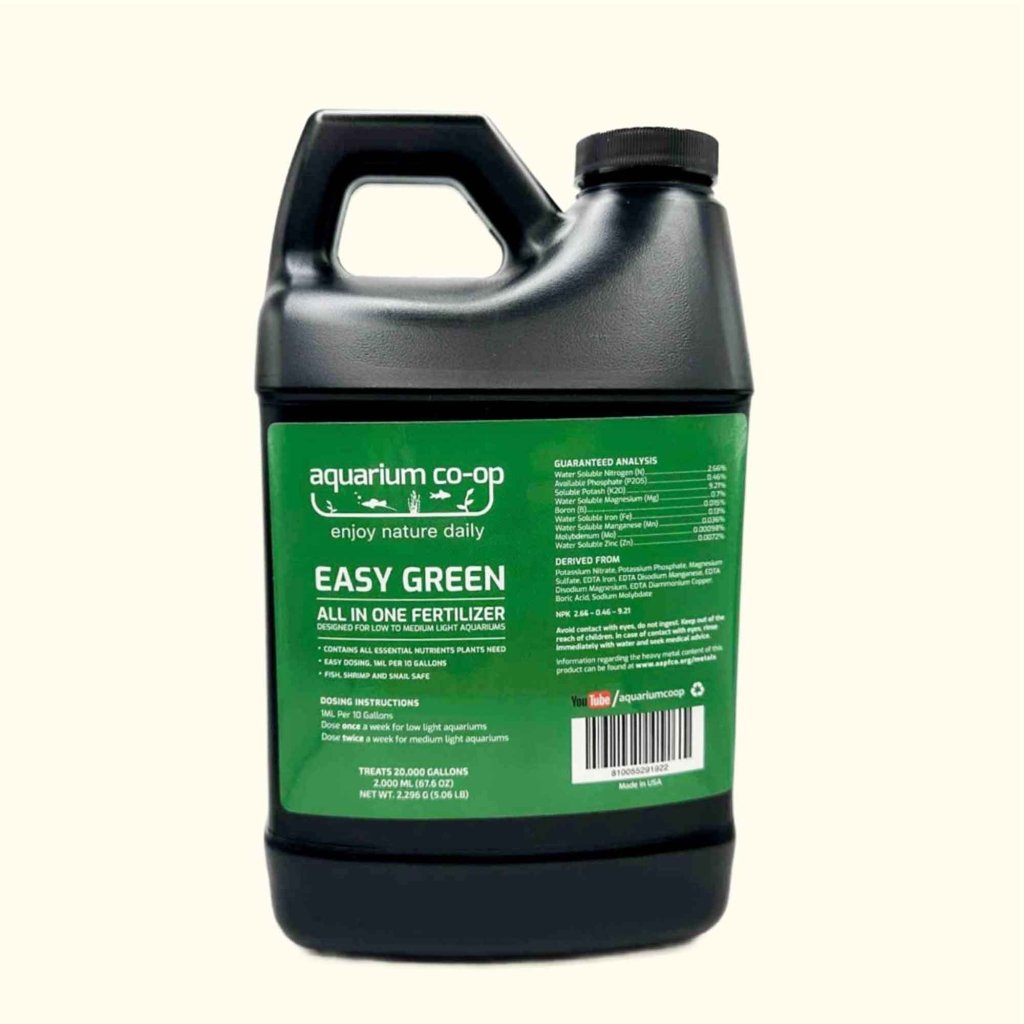
Over-fertilizing causes algae; under-fertilizing stunts growth. For low-tech tanks, dose liquid all-in-one fertilizer once weekly after water changes—Flourish Excel works for most. Rooted plants like Amazon Swords need root tabs every 3-6 months pushed deep into substrate near roots. High-tech tanks may require daily dosing, but test water first: if nitrates stay below 10 ppm, skip fertilizer. One 29-gallon tank maintained perfect growth for 8 years with only daily Flourish Excel—zero root tabs—thanks to iron-rich black sand substrate. Never guess: if new leaves show holes or yellowing veins, it’s typically iron deficiency; pale stems indicate nitrogen shortage.
Algae Spot Treatment That Actually Works
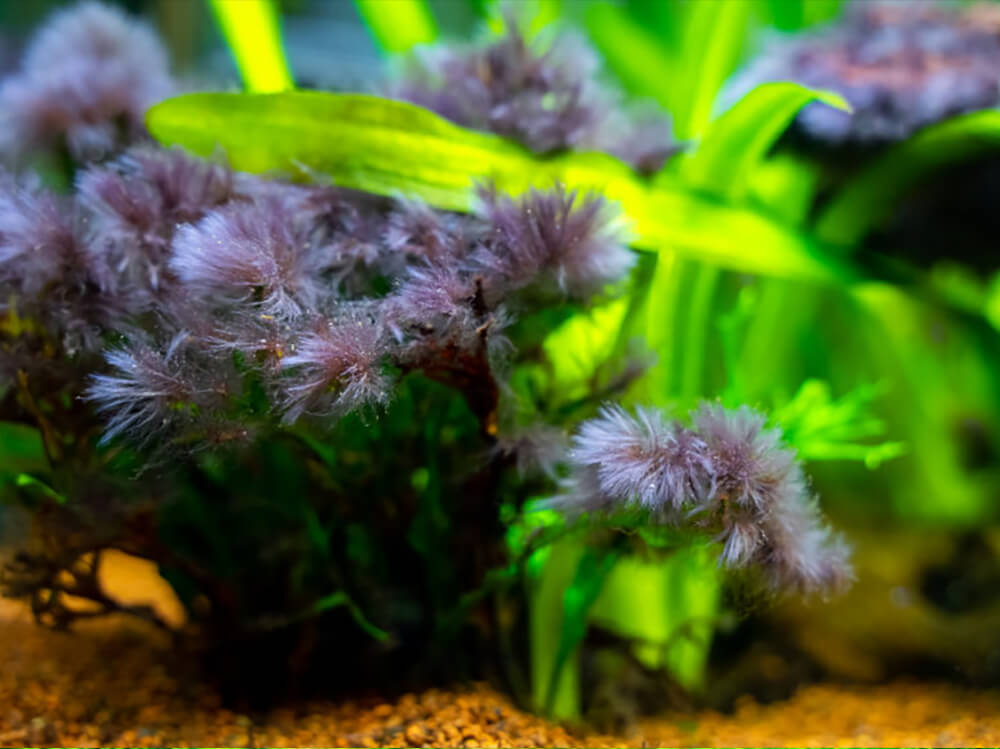
Algae means imbalance—not dirty tanks. First, manually remove 90% of blooms with your fingers or a soft toothbrush (turn off filter first). For stubborn spots like black beard algae, use a syringe to apply 3% hydrogen peroxide directly to affected leaves (1-2 squirts per spot). Wait 10 minutes before restarting filter. Prevention beats treatment: inconsistent water changes cause 70% of algae outbreaks. If green water appears, reduce light duration by 1 hour; if hair algae covers rocks, cut phosphate-heavy foods. One user eliminated persistent algae by adding Amano shrimp—their natural grazing handled what chemicals couldn’t.
Long-Term Success: The Observation Method That Replaces Guesswork
Your eyes are the best diagnostic tool. Spend 2 minutes daily observing: check leaf color (yellowing = nutrient issue), watch fish behavior (gasping = poor water quality), and note growth rates (stunted plants = light/nutrient imbalance). Keep a simple log tracking water changes, fertilizer doses, and changes in plant health. When a 40-gallon tank’s Rotala developed holes, the owner reviewed logs and discovered they’d skipped root tabs for 8 months—replacing them fixed the issue in weeks. Critical red flags include sudden algae blooms after light changes or cloudy water after trimming. Catch these early, and maintenance stays minimal.
Walstad Method: The 3-Step Low-Maintenance Blueprint

This soil-based approach minimizes upkeep by mimicking natural ecosystems. First, layer 2-3 inches of organic soil (like Eco-Complete) capped with 1 inch of sand/gravel. Second, stock heavily with slow-growing plants—Crypts, Anubias, and Java fern thrive with minimal care. Third, avoid water changes entirely once cycled by maintaining low fish load (1 small fish per 5 gallons). One 3-year-old 40-gallon breeder tank achieved this with jungle val, water wisteria, and otocinclus—requiring only top-offs and feeding. Warning: Test ammonia weekly for the first 6 months. If levels exceed 0.25 ppm, do a 25% water change immediately.
Final Note: A planted aquarium’s maintenance level depends entirely on your setup choices—not the presence of plants. By matching plant types to your tech level, performing consistent 15-minute weekly routines, and observing changes early, you’ll achieve what 8-year tank owners prove daily: less work, not more. Start with slow-growers and nutrient-rich substrate, skip fertilizer if nitrates stay low, and trim only when necessary. Within months, your tank will self-regulate—transforming maintenance from a burden into a satisfying ritual. Ready to simplify? Test your water today, then choose one adjustment from this guide. Your future low-maintenance oasis starts now.