Ideal pH for Saltwater Aquarium: What You Need to Know
Your saltwater aquarium’s pH reading just flashed 7.79 on your Apex controller. Corals look fine, fish are swimming normally, but that number triggers alarm bells. You’re not alone—thousands of reef keepers panic when pH dips below 8.0, especially during treatments like Flux Rx that force skimmer shutdowns. The ideal pH for saltwater aquariums isn’t arbitrary—it’s a lifeline for coral skeletons and fish health. This guide cuts through the confusion with science-backed targets and actionable fixes used by successful reefers. You’ll discover why 8.1-8.4 is non-negotiable for thriving tanks, how to safely navigate temporary drops to 7.8, and proven methods to stabilize pH without harming your ecosystem.
Why pH Below 7.8 Risks Coral Skeleton Dissolution (Randy Holmes-Farley’s Warning)
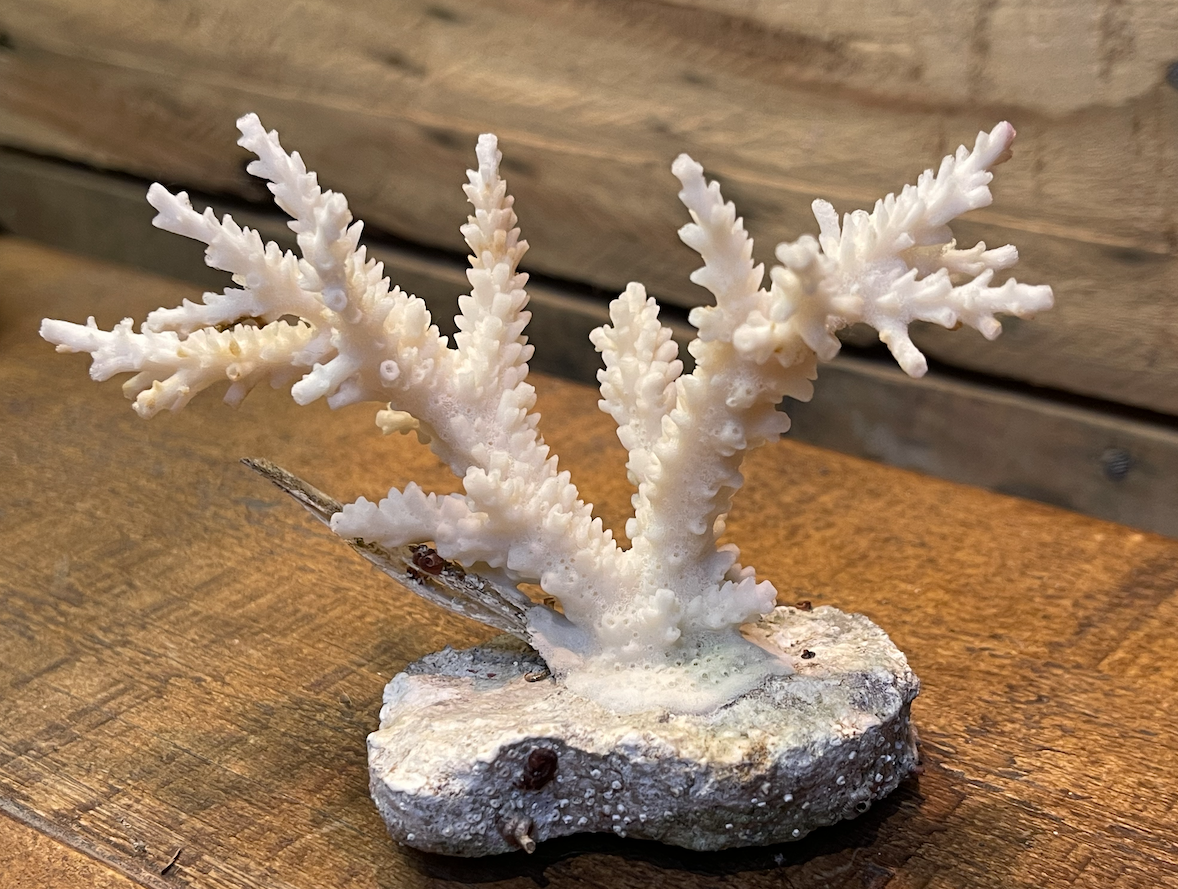
Reef chemist Randy Holmes-Farley delivers the hard truth: sustained pH below 7.8 initiates aragonite dissolution in coral skeletons. This isn’t theoretical—it’s chemistry in action. When your tank’s pH drops into this danger zone, the water becomes corrosive to the very foundation of your reef. Corals must divert massive energy from growth to simply maintaining their structures, causing visible tissue recession and stunted development.
Fish show fewer immediate symptoms, but chronic low pH suppresses immune systems, making them vulnerable to outbreaks of ich or bacterial infections. Sensitive invertebrates like shrimp and snails often vanish first during these crashes. Crucially, Holmes-Farley emphasizes that while brief dips during medication won’t cause instant damage, prolonged exposure below 7.8 creates irreversible harm. If your Apex alerts at 7.8, treat it as a red flag—not a panic button—but understand your tank is operating on borrowed time.
How Aragonite Dissolution Actually Happens in Your Tank
- The chemical tipping point: At pH 7.8, carbonate ions bind with hydrogen ions, reducing the saturation state of aragonite
- Visible signs: Receding coral tissue exposing white skeleton, pitting on clam shells, crumbling snail shells
- Timeframe matters: Dissolution occurs slowly over weeks—giving you a window to correct before catastrophic damage
How One Hobbyist Ran SPS Corals at pH 7.65-7.9 for 4 Years Without Issues
Andrewey’s basement tank defies conventional wisdom. For four years, his SPS-dominated system fluctuated between pH 7.65 and 7.9 with zero CO2 scrubbers—just five dogs circulating indoor air. Windows stayed shut, yet corals grew vigorously. His secret? Extreme stability within that narrow band. When he finally installed pH probes, he discovered his “low” pH wasn’t the problem—inconsistent gas exchange was the hidden culprit.
This real-world case proves two critical truths: First, corals prioritize pH stability over perfection. Second, indoor CO2 buildup from pets or poor ventilation is often the silent pH killer. Andrewey only upgraded to a CO2 scrubber when he moved the skimmer line outdoors, noticing a slight growth boost at 8.0-8.2. His experience confirms that tanks can survive at 7.8 if fluctuations stay minimal—but thriving requires targeting higher.
Stability vs. Perfection: When to Worry About Your pH Readings
- Safe zone: Fluctuations under 0.2 units within 24 hours (e.g., 7.85-8.05) rarely harm livestock
- Danger zone: Swings exceeding 0.3 units (e.g., 7.7-8.1) cause chronic stress even within “acceptable” ranges
- Your action threshold: Investigate if pH drops below 7.8 for >12 consecutive hours during normal operation
Immediate Fixes When pH Drops During Medication (Like Flux Rx Treatment)
Ed Chan’s 7.79 pH reading during Flux Rx treatment mirrors thousands of emergency forum posts. When medication forces skimmer shutdowns, CO2 scrubbers go offline—triggering predictable pH crashes. But panic solutions backfire. Silver14SS’s field-tested hack saves the day: remove your skimmer cup and cover the neck with acrylic to maintain aeration while preventing messy overflows. This simple modification keeps gas exchange active during the critical 72-hour treatment window.
Never dose baking soda hastily during medication cycles. Chemical corrections destabilize alkalinity when your tank is already stressed. Instead, position a battery-powered air stone in the sump to drive off CO2. Monitor closely—most temporary pH dips recover naturally once treatment ends and scrubbers restart. Remember: a short-term drop to 7.8 during Flux Rx won’t dissolve corals, but aggressive chemical fixes might.
Step-by-Step: Maintaining pH During Skimmer Shutdowns
- Pre-treatment prep: Test alkalinity (aim for 9-10 dKH) to maximize buffering capacity
- Install emergency aeration: Submerge a small air stone in the sump running 24/7
- Improve room air exchange: Open a nearby window or run a fan facing the tank
- Monitor hourly: Use a calibrated meter—not test strips—for accurate readings
- Restart scrubbers gradually: After 72 hours, reactivate CO2 scrubber before full skimmer operation
The #1 Cause of Low pH: Indoor CO2 and How to Fix It Immediately

Over 90% of low-pH cases trace to one culprit: trapped indoor CO2. Homes with pets (like Andrewey’s five dogs), poor ventilation, or basement setups create CO2-rich air that dissolves into tank water. Your skimmer’s intake literally pumps this acidic air into the ecosystem. The solution isn’t complex chemistry—it’s physics.
Boosting gas exchange forces CO2 out of the water. Point return pumps to create surface chop—visible whitecaps dramatically increase oxygen/CO2 exchange. Install an air stone in the sump; the tiny bubbles create massive surface area for CO2 off-gassing. For instant results, open a window near the tank for 30 minutes. These methods work within hours, unlike slow-acting chemical buffers. If your pH consistently reads 7.9 at dawn, increase surface agitation tonight—you’ll see improvement by morning.
Gas Exchange Hacks That Raise pH Within Hours
- Powerhead positioning: Angle outlets to create surface turbulence (not deep water flow)
- Air stone placement: Submerge in sump’s return chamber for maximum CO2 stripping
- Room ventilation: Run a fan blowing outward near the tank to replace stale air
- CO2 scrubber maintenance: Replace media every 2-3 months to maintain effectiveness
Why Aeration Beats Chemical Dosing for Long-Term pH Stability

Dosing baking soda offers tempting quick fixes but backfires long-term. Sodium bicarbonate raises pH temporarily while spiking alkalinity—creating instability when levels crash later. Randy Holmes-Farley warns this band-aid approach ignores the root cause: excess CO2. Reefers who rely on dosing face constant pH rollercoasters and calcification issues.
Natural aeration solves the problem at its source. An air stone in the sump costs $10 and runs 24/7, maintaining pH 8.1-8.4 without intervention. Kalkwasser reactors provide dual benefits—they raise pH and replenish calcium—but require precise drip systems. For most hobbyists, combining surface agitation with a CO2 scrubber creates effortless stability. If your tank’s pH bounces after dosing, you’re treating symptoms while the disease (poor gas exchange) persists.
CO2 Scrubbers vs. Air Stones: Which Solution Fits Your Tank?
| Solution | Best For | Time to Effect | Cost | Risk Level |
|---|---|---|---|---|
| CO2 Scrubber | Skimmer-equipped tanks | 4-8 hours | $$$ | Low (zero maintenance) |
| Air Stone | All tank types | 2-6 hours | $ | None |
| Kalkwasser | Calcium-demanding reefs | Ongoing | $$$$ | Medium (overshooting) |
| Baking Soda | Emergencies only | 30-60 min | $ | High (instability) |
Alkalinity’s Hidden Role in pH Stability (8-12 dKH is Your Safety Net)
pH and alkalinity are inseparable partners. Alkalinity (measured in dKH) acts as your tank’s pH shock absorber—resisting drops when acids form. Most successful reefs maintain 8-12 dKH. If alkalinity falls below 7 dKH, even perfect gas exchange won’t stabilize pH.
When Ed Chan’s pH dropped to 7.79, his first move should have been checking alkalinity. Low alkalinity during Flux Rx treatment would compound the problem. Replenish with balanced two-part supplements before medication starts. Never dose alkalinity boosters blindly—test first! A tank with 10 dKH can withstand normal CO2 fluctuations, while one at 7 dKH crashes at the slightest disturbance. Think of alkalinity as your pH insurance policy.
Maintaining the Alkalinity-PH Balance During Treatments
- Pre-treatment: Boost alkalinity to 9.5 dKH using Reef Foundation A/B
- During treatment: Test alkalinity daily; if below 8 dKH, dose 0.5 dKH increments
- Post-treatment: Recheck alkalinity before restarting CO2 scrubber
- Critical tip: Never let alkalinity exceed 12 dKH—this causes pH spikes above 8.5
Nighttime pH Swings: Normal Diurnal Drop or Dangerous Crash?
All healthy tanks experience natural pH dips at night—typically 0.2-0.3 units. Photosynthesis stops, but fish/coral respiration continues pumping CO2 into the water. If your pH drops from 8.3 at noon to 8.0 at midnight, breathe easy. But if it plunges to 7.8 by dawn, your tank lacks sufficient aeration.
Lilgrounchuck’s basement tank swings between 7.8-8.1 due to furnace cycles and guest traffic—proof that minor fluctuations are harmless. The danger arises when nighttime lows approach 7.6 with slow morning recovery. Install a battery backup air pump to maintain gas exchange during power outages. If your nighttime dip exceeds 0.4 units, double your surface agitation tonight. Stable tanks recover pH within 2 hours of daylight.
Diagnosing Dangerous Nighttime pH Drops
- Normal: pH recovers to daytime levels within 1-2 hours of lights on
- Concerning: Takes 4+ hours to recover; low point below 7.85
- Critical: Dawn pH below 7.7 with no recovery by noon
- Your fix: Increase surface agitation before lights out to prep for nighttime CO2
3 pH Myths That Harm Reef Tanks (Debunked by Experts)
Myth #1: “Higher pH is always better”
Reality: pH above 8.5 stresses fish and impedes nutrient uptake. Randy Holmes-Farley confirms 8.4 is the upper safe limit—pushing beyond causes more harm than 7.9.
Myth #2: “Test kits are always accurate”
Reality: Expired kits or improper calibration create false crises. Andrewey ran years without testing because his stable tank looked healthy—proof that livestock behavior trumps numbers.
Myth #3: “pH crashes kill instantly”
Reality: Corals tolerate brief dips during medication. As NakedReefer notes, dissolution takes weeks—not hours. Focus on stability, not perfection.
Maintaining Perfect pH: Your Daily 2-Minute Stability Check
Spend two minutes each morning checking three indicators: First, verify pH reads 8.1-8.4 at peak daylight (when photosynthesis is strongest). Second, observe coral polyp extension—retracted polyps at dawn suggest overnight stress. Third, confirm surface agitation creates visible ripples across the entire tank.
Monthly, replace CO2 scrubber media and calibrate your pH probe. During water changes, match new saltwater’s pH to your tank using aeration—not chemicals. Remember Andrewey’s lesson: A stable 7.9 often outperforms a fluctuating 8.3. Your goal isn’t chasing perfect numbers—it’s creating an environment where corals build skeletons effortlessly and fish thrive without stress. When pH stays rock-solid between 8.1-8.4, you’ve built a foundation where every organism flourishes.