How to Make Saltwater for Aquariums
That cloudy water change that killed your corals? It started with bad saltwater mixing. Creating stable artificial seawater isn’t just dumping salt in water—it’s the foundation of your entire marine ecosystem. One wrong salinity reading or impurity can trigger algae explosions, pH crashes, and livestock loss. This guide reveals the exact process professional reef keepers use to mix flawless saltwater that keeps fish thriving and corals glowing. You’ll learn why your tap water sabotages tank stability, the critical 4-hour mixing rule most beginners skip, and how to avoid the #1 mistake that causes sudden livestock deaths.
Why Tap Water Causes Algae Explosions in Saltwater Tanks
Your faucet water contains invisible threats that destroy marine balance. Chlorine and chloramine—added to municipal water supplies—immediately damage fish gills and beneficial bacteria. More dangerously, tap water delivers phosphates and nitrates that ignite uncontrollable algae blooms. Even “clean” well water carries dissolved metals like copper that accumulate over time, poisoning invertebrates and stunting coral growth. These contaminants bypass filters and directly disrupt your tank’s delicate chemistry. Synthetic salt mixes can’t neutralize these impurities—they compound the problem. Using tap water creates a ticking time bomb where each water change pushes your system closer to collapse.
Ocean Water Hitchhikers That Kill Your Aquarium Livestock
Scooping natural seawater seems logical but invites disaster. Coastal waters contain parasitic organisms like Brooklynella that wipe out entire fish populations within days. Pollutants from runoff—including oil residues and agricultural chemicals—enter your closed system with no natural breakdown process. Even seemingly pristine ocean samples harbor nuisance algae spores that explode under aquarium lighting. Most critically, wild seawater lacks stable buffering capacity. Its pH and alkalinity fluctuate wildly when removed from the ocean’s massive water volume, causing immediate crashes in your tank. Reputable marine labs reject wild-caught water for research tanks due to these unpredictable risks.
RO/DI Water: Your Saltwater Mixing Non-Negotiable

Skip this step and your tank is doomed. Only reverse osmosis/deionized (RO/DI) water provides the 0 TDS (Total Dissolved Solids) baseline required for stable saltwater. Distilled water works in emergencies but costs 3x more long-term. Test your RO/DI output with a TDS meter—anything above 5 ppm indicates failing filters that must be replaced immediately. Never use filtered pitcher water or “purified” store brands; they retain minerals that sabotage salinity accuracy. A $150 RO/DI system pays for itself in prevented livestock losses. Fill your mixing container first with RO/DI water—never add water to salt—as this prevents deadly clumping that creates toxic pockets in your mix.
Step-by-Step Saltwater Mixing Protocol (4-Hour Minimum)
Why 4 Hours Beats 1 Hour for Stable Saltwater
New saltwater isn’t “done” when the salt dissolves. Undetectable mineral imbalances linger for hours, causing pH crashes when added to your display tank. Running your powerhead for minimum 4 hours (ideally 24) allows:
– Carbonate buffering to stabilize at 8.2-8.4 pH
– Trace elements to fully integrate
– Temperature to homogenize
Shortcuts here cause the mysterious “new water death syndrome” where fish die within hours of water changes. Set a timer—never judge readiness by visual clarity alone.
The Clumping Disaster: Correct Salt Addition Technique
Always add salt to moving water. Dumping salt into still water creates dense clumps that sink undissolved. When you pour this mix into your tank, concentrated salt pockets burn corals and shock fish. Instead:
1. Start powerhead in RO/DI water
2. Sprinkle salt slowly over high-flow zones
3. Wait 15 minutes between additions
For a 50-gallon mix, use 3.5 cups of salt mix (follow brand instructions). Adding too fast overwhelms dissolution capacity—think “snowfall,” not “avalanche.”
Temperature’s Hidden Role in Salinity Accuracy
Hydrometers and refractometers read falsely if water temperature differs from calibration specs. Most are calibrated at 77°F (25°C). If your mix is 82°F during testing but your tank runs at 78°F, salinity readings will be 0.002 SG too low—enough to stress corals. Always:
– Heat mix to exact tank temperature (77-78°F)
– Let it sit 10 minutes after heating before testing
– Calibrate refractometer with RO/DI water daily
Salinity Testing Pitfalls That Crash Reef Tanks

Why Your Hydrometer Lies (And How to Fix It)
Floating hydrometers drift out of calibration with use, often reading 0.001-0.002 SG too high. This creates chronically low-salinity tanks where corals slowly deteriorate. Refractometers are 5x more accurate but require:
– Calibration with RO/DI water before each use
– Temperature correction (use digital models with ATC)
– Cleaning after every test to prevent salt crystal buildup
Test at eye level in bright light—meniscus errors cause 50% of “mystery” salinity issues.
Emergency Fixes for Wrong Salinity Levels
Too low (below 1.023 SG): Never dump in dry salt. Dissolve 1/4 cup salt in 1 cup RO/DI water first, then slowly add to circulating mix. Re-test after 30 minutes.
Too high (above 1.027 SG): Add RO/DI water in 1-cup increments, waiting 15 minutes between additions. Over-correction causes dangerous parameter swings.
Pro Tip: Keep a “salinity emergency kit” with pre-mixed 1.030 SG water to quickly raise levels without clumping risks.
Stabilization Secrets Before Water Changes
Freshly mixed saltwater has unstable alkalinity that crashes hours after addition. Prevent this by:
1. Testing KH after 4 hours mixing (should be 7-9 dKH)
2. If low, add 1/8 tsp baking soda per 5 gallons and re-mix 1 hour
3. Let water sit covered 24 hours before use
This mimics ocean water’s natural buffering. Skipping stabilization causes the “pH drop at dawn” phenomenon where tanks crash to 7.8 overnight, suffocating corals. Match your new water’s temperature, salinity, AND pH to your display tank within 0.1 units—use a digital thermometer for precision.
Common Saltwater Mixing Mistakes That Kill Livestock
The 5-Minute Mix Trap
Adding salt, stirring briefly, and using immediately seems efficient but guarantees disaster. Undissolved magnesium sulfate crystals sink to the bottom. When poured into your tank during water changes, these concentrated pockets cause instant coral tissue necrosis. Always confirm zero residue by shining a flashlight through the mix bucket at night.
Temperature Shock Killer
Pouring 72°F saltwater into an 80°F tank creates lethal thermal stress. Fish experience “cold shock” where metabolism plummets, suppressing immune function. Within days, opportunistic infections like marine ich explode. Always float your mixing container in the tank sump for 30 minutes to equalize temperatures.
Contaminated Container Syndrome
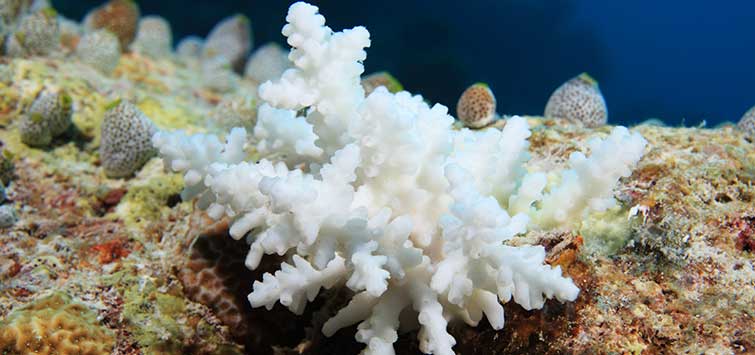
Using buckets that held detergents or fertilizers leaves invisible residues. Even “thoroughly rinsed” containers leach chemicals that cause rapid coral bleaching. Dedicate mixing buckets with “SALTWATER ONLY” labels and never use them for other purposes. Replace plastic containers annually as micro-scratches harbor toxins.
Maintenance Schedule for Flawless Saltwater
| Task | Frequency | Critical Checkpoint |
|---|---|---|
| RO/DI filter replacement | Every 6 months | TDS < 5 ppm after filter |
| Refractometer calibration | Before each mixing session | Zeroed with RO/DI water |
| Mixing container cleaning | After every use | No salt crystals in seams |
| Emergency saltwater stock | Always maintain 20% of tank volume | Pre-mixed and tested |
Pre-mix saltwater weekly to avoid rushed emergency batches. Store in opaque containers to prevent algae growth—clear buckets on shelves develop diatoms within days. Test stored water weekly; parameters drift after 30 days. For reef tanks, never use water older than 2 weeks.
Final Note: Perfect saltwater isn’t complicated—it’s consistent. By dedicating 4+ hours to proper mixing, using RO/DI water exclusively, and matching all parameters before water changes, you eliminate 90% of common reef tank crises. Your corals will respond within weeks through faster growth and vibrant coloration. Keep a log of each batch’s salinity, pH, and temperature—this reveals subtle trends before they become disasters. When in doubt, mix fresh water rather than risking your tank’s stability. The extra time invested today prevents heartbreak tomorrow when your prized coral colony survives while others succumb to preventable water issues.