How to Maintain a Fish Aquarium: Easy Care Tips
There’s nothing more disheartening than watching your vibrant fish tank turn cloudy overnight or losing fish to preventable issues. Many beginners dive into fishkeeping with enthusiasm only to face green water, stressed fish, or dangerous ammonia spikes within weeks. The truth is, mastering how to maintain fish aquarium systems isn’t about complex chemistry—it’s about consistent, simple habits that mimic nature’s balance. When you establish the right rhythm, your tank transforms from a high-maintenance chore into a self-sustaining underwater paradise. This guide cuts through the confusion with battle-tested routines that keep water sparkling and fish thriving, whether you’re managing a 5-gallon betta tank or a 55-gallon community setup.
Forget “set and forget” myths—successful aquariums demand weekly attention, but the payoff is huge. You’ll avoid 90% of common disasters like algae explosions and fish deaths by focusing on three non-negotiable pillars: water changes, filter care, and parameter stability. Most critical? Understanding that your tank is a living ecosystem where every action (or inaction) triggers chain reactions. Let’s dive into the exact steps that turn aquarium maintenance from overwhelming to effortless.
Execute Perfect 50% Water Changes Weekly Without Stress

Skipping water changes is the fastest route to tank disaster. Fish waste, uneaten food, and decaying plants create invisible toxins like nitrates that silently stress fish and fuel algae blooms. Performing 50% water changes weekly resets your tank’s chemistry, replenishes essential minerals, and prevents toxic buildup. This isn’t optional—it’s the single most effective maintenance task you’ll do.
Why 50% Is the Goldilocks Zone for Water Changes
Smaller changes (like 25%) barely dent nitrate levels, while larger changes shock fish with sudden parameter shifts. The 50% sweet spot removes dangerous compounds without destabilizing your ecosystem. For heavily stocked tanks or those with messy eaters like goldfish, stick to weekly changes. Lightly stocked setups can stretch to every 10–14 days—but test nitrates first. If they hit 40 ppm before your scheduled change, cut back to weekly.
Step-by-Step Water Change Protocol
- Prepare replacement water in a clean bucket (never used for chemicals). Match the tank temperature within 1–2°F using a thermometer.
- Treat with water conditioner like Seachem Prime before adding to the tank. This neutralizes chlorine/chloramines that kill beneficial bacteria.
- Siphon old water using a gravel vacuum, stirring substrate gently to pull debris without uprooting plants.
- Refill slowly by pouring water onto a plate or saucer to avoid disturbing substrate.
Pro Tip: Turn off filters for 5 minutes after adding conditioner to protect bacteria colonies during the change.
Revive Your Filter’s Bacteria Colony in 60 Seconds
Your filter isn’t just a debris catcher—it’s a bacterial apartment complex housing the nitrifying bacteria that convert deadly ammonia into safer nitrates. Killing this colony (by rinsing media in tap water) causes “new tank syndrome” even in established tanks. Preserving these bacteria is 10x more important than spotless filter media.
Filter Media Washing Protocol That Saves Bacteria
- Never rinse sponges or ceramic rings under tap water. Chlorine starts damaging bacteria within minutes.
- Instead, squeeze media in a bucket of water removed during your water change until debris clears.
- Replace only 1/3 of sponges at a time using blue filter pads cut into layers. Keep older pads to seed new ones.
Critical Mistake Alert: Avoid carbon in routine filtration—it removes medications and trace elements plants need. Stick to mechanical (sponges) and biological (ceramic rings) media.
Boost Bacteria Housing Instantly
Add lava rocks to your filter basket—they provide massive surface area for bacteria to colonize. In hang-on-back filters, swap disposable cartridges for reusable filter floss. More bacteria = faster toxin processing = fewer water changes needed long-term.
Prevent New Tank Syndrome with a 21-Day Fishless Cycle
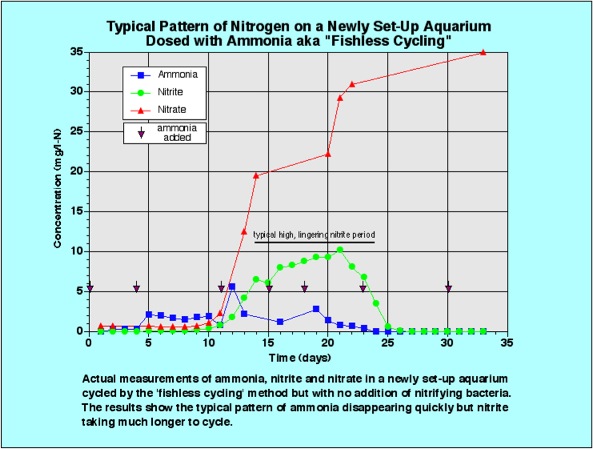
Adding fish to an uncycled tank is like inviting guests into a house with no plumbing—it ends in disaster. Ammonia from fish waste will spike within hours, burning gills and causing fatal organ damage. Cycling builds your bacterial colony before fish arrive, converting ammonia → nitrite → nitrate safely.
Speed Up Cycling in 7 Days (Not 6 Weeks)
- Seed your tank with materials from an established aquarium: 1 cup of substrate, a handful of rocks, or a used filter sponge (from a healthy tank older than 3 months).
- Feed the bacteria with 1 pinch of fish food daily or 3–5 drops of pure ammonia.
- Test water every 2–3 days. Cycling is complete when two consecutive tests show 0 ppm ammonia and 0 ppm nitrite.
Pro Tip: Take water samples to your local fish store for free testing if you lack kits. Never add fish until nitrites hit zero.
Stabilize Water Parameters Before Algae Takes Over

Fish thrive on consistency, not “perfect” numbers. Wild swings in pH, temperature, or hardness cause more deaths than slightly off parameters. Your goal is rock-solid stability—not chasing ideal ranges.
The Weekly Parameter Check That Saves Fish
Test these every 7 days with a liquid test kit (strips are unreliable):
– Ammonia: Must be 0 ppm. Any detectable amount means overstocking or filter failure.
– Nitrite: Must be 0 ppm. Non-zero readings require immediate 50% water changes.
– Nitrate: Keep below 40 ppm. Above 80 ppm stresses fish and triggers algae.
– pH: Note your tank’s natural level (most fish adapt to 6.5–7.8 if stable).
Urgent Action Trigger: If nitrates exceed 60 ppm, do a second 50% water change 3 days later. Skipping one change creates a “nitrate debt” requiring multiple corrections.
Avoid Overfeeding Catastrophes in 30 Seconds
Overfeeding is the #1 cause of cloudy water and ammonia spikes. Uneaten food rots, converting to ammonia that overwhelms your bacteria. Feed only what fish consume in 90 seconds, once daily. If food hits the substrate, you’ve overfed.
The Fasting Day Hack for Healthier Fish
Give your tank a break every Sunday: skip feeding entirely. This allows fish to clear their digestive systems and reduces waste buildup. Watch for these danger signs:
– Cloudy water within hours of feeding
– Stringy white fish feces
– Rapid algae growth on glass
Pro Tip: Soak dry food in tank water for 30 seconds before feeding—it expands before fish eat it, preventing bloating.
Stop Algae Blooms Before They Start with Light Control
Green water or slimy glass isn’t random—it’s a direct result of excess light + nutrients. Limit lighting to 6 hours daily using a timer. Never place tanks in direct sunlight. If algae persist after reducing light:
– Vacuum excess debris from substrate weekly
– Add algae-eaters like nerite snails after cycling
– Perform 50% water changes to lower nitrates
Critical Insight: Algae is a symptom, not the problem. Fixing nutrient imbalance (via water changes) solves it permanently—algicide only masks the issue.
Implement the 10-Minute Weekly Maintenance Ritual
Consistency beats intensity. Spend just 10 minutes weekly to avoid hour-long crisis cleanups. Follow this foolproof schedule:
| Task | Frequency | Key Action |
|---|---|---|
| Water Change | Weekly | 50% volume, temperature-matched |
| Filter Media Rinse | Monthly | In tank water only |
| Glass Cleaning | Weekly | Magnetic scraper during water change |
| Plant Pruning | Bi-weekly | Remove dead leaves immediately |
| Equipment Check | Daily | Verify heater/filter function |
Proven Time Saver: Pair water changes with glass cleaning—siphon while scraping to finish both in 15 minutes. Track nitrates weekly; if they consistently stay below 20 ppm, you can safely reduce changes to every 10 days.
Final Note: Mastering how to maintain fish aquarium systems boils down to three non-negotiables: weekly 50% water changes, bacteria-friendly filter care, and parameter stability. By dedicating just 10 minutes a week to these routines, you’ll prevent 95% of common disasters. Remember—consistency is your superpower. When nitrates creep up or algae appears, revisit your water change schedule before buying “fix-it” products. Within 30 days of this routine, you’ll watch murky water clear, fish become more active, and plants thrive. That’s the magic of understanding your tank’s ecosystem: it rewards your effort with a self-sustaining underwater world that becomes easier to care for over time. Start today with one perfect water change, and you’ve already won the aquarium game.