How to Clean Detritus in Aquarium: Easy Steps
That slimy brown layer coating your substrate isn’t just ugly—it’s a ticking time bomb for your aquarium. Detritus, the decomposing cocktail of fish waste, uneaten food, and dead plant matter, fuels ammonia spikes and algae explosions when ignored. If you’ve spotted hair-thin worms wriggling near your filter intake or a murky film on your driftwood, your tank is screaming for a detritus intervention. This guide cuts through the confusion with a precise, vetted protocol to remove existing buildup and stop future accumulation. You’ll learn exactly how to vacuum detritus without disturbing sand beds, identify harmless worms versus dangerous pests, and implement the single most effective prevention tactic that 90% of aquarists overlook.
Why Detritus Worms Suddenly Swarm Your Tank Glass
Detritus worms aren’t invaders—they’re your tank’s waste management crew gone haywire. When you see dozens of translucent, thread-like worms (5-10mm long) swimming in “S” patterns near the surface, it signals a critical nutrient overload. This worm bloom is always caused by overfeeding, not poor fish health. Excess food decays into bacterial blooms that feed these oligochaetes, triggering population explosions. Unlike predatory planaria (which have spade-shaped heads), these segmented worms won’t harm fish or shrimp—they’re merely recycling your mistakes. The moment you notice them clinging to glass after lights-out, it’s time for emergency action. Ignoring this sign means ammonia will soon spike, suffocating your livestock as decomposition consumes oxygen.
How to Confirm It’s Harmless Detritus Worms (Not Planaria)
- Check body shape: Detritus worms are uniformly thin with rounded ends; planaria have triangular heads with two visible eye spots
- Observe movement: True planaria glide smoothly; detritus worms jerk erratically in water currents
- Test feeding: Place a meaty food pellet in a glass jar with holes—detritus worms will swarm it within hours
Essential Detritus Removal Tools That Actually Work

Skip generic “aquarium cleaning kits”—you need precision tools for targeted detritus extraction. A standard gravel vacuum fails on sand beds, while algae scrapers miss embedded debris in rock crevices. For immediate results, assemble this battle-tested toolkit:
- Variable-flow gravel vacuum: Choose a siphon with adjustable suction (like Python’s Pro-Clean) to lift detritus without sucking sand
- Filter-matching pre-sponge: Cut to fit your intake tube to trap floating particles before they decompose
- 5-gallon food-grade buckets: Dedicated only to aquarium use—never for chemicals
- Soft-bristled toothbrush: For scrubbing detritus off plant stems without tearing leaves
- Baited worm trap: Repurpose a film canister with 10 pinholes and fish food to capture blooms overnight
Step-by-Step Detritus Elimination Protocol
Emergency Bloom Response: Stop Worm Swarms in 24 Hours
- Perform a 50% water change immediately: Siphon water before vacuuming to remove suspended worms. Drain into buckets, not sinks (detritus worms survive plumbing)
- Deploy baited traps: Submerge perforated containers near filter outflows overnight. Discard trapped worms in sealed bags
- Deep-vacuum problem zones: Insert tube 1 inch into substrate at feeding spots, moving slowly to lift trapped gunk. For sand, hover ¼ inch above surface to avoid sand loss
- Rinse mechanical filter media: Swish sponges/floss in removed tank water (never tap water) to preserve bacteria while clearing clogs
Weekly Detritus Prevention Routine for Gravel Substrates
- Vacuum in grid pattern: Cover entire substrate systematically during 25% water changes
- Target dead zones: Focus behind decorations and under filter outflows where detritus accumulates
- Agitate gently: Lift tube 2 inches every 5 seconds to suspend debris without clouding water
- Time limit: Never vacuum longer than 20 minutes to avoid stressing fish
Sand-Specific Detritus Removal (Without Losing Your Substrate)
Sand beds trap detritus like flypaper but vanish if vacuumed aggressively. Critical technique: Hold the siphon tube ½ inch above the sand surface. The suction should pull only the top layer of detritus while leaving sand intact. Move the tube slowly in straight lines—you’ll see brown particles rise into the tube while sand remains undisturbed. For deep sand beds (>2 inches), vacuum only the top ¼ inch weekly to preserve anaerobic zones.
Prevent Detritus Before It Forms: The Feeding Fix
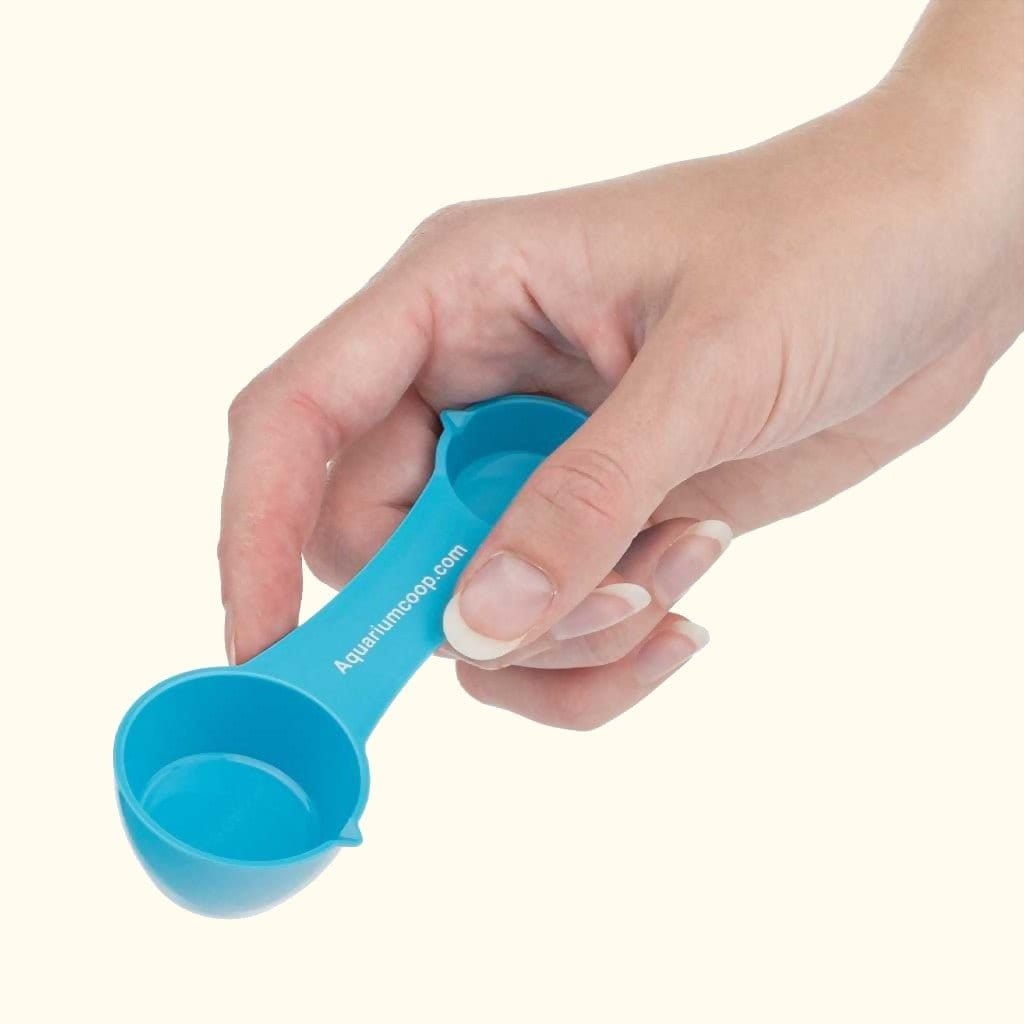
Overfeeding causes 95% of detritus problems—period. To starve future buildup:
– Measure food precisely: Use a ¼ tsp spoon; feed only what vanishes in 90 seconds
– Remove leftovers immediately: Use a turkey baster to suck uneaten pellets after 2 minutes
– Switch feeding times: Feed at lights-on when fish are most active to minimize waste
– Trim plants weekly: Remove yellowing leaves before they decay into detritus
Boost Filtration to Capture Floating Detritus
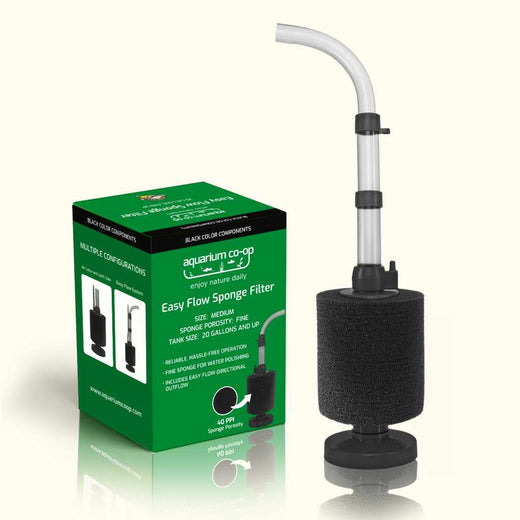
Your filter shouldn’t just recirculate gunk—it must trap it. Critical upgrade: Add a pre-filter sponge to your intake tube. This simple $5 fix catches large particles before they decompose in your main media. Position your filter outflow to create cross-tank currents that sweep debris toward the intake. For tanks with persistent detritus, add a sponge filter in dead zones—it creates localized flow while providing extra bacterial surface area.
Biological Detritus Control: Safe Clean-Up Crews
Don’t rely on cleanup crews as a substitute for maintenance—but the right species drastically reduce buildup:
– Malaysian Trumpet Snails: Burrow through sand beds, aerating substrate and consuming buried detritus (add 1 per 5 gallons)
– Corydoras catfish: Vacuum surface detritus with their whisker-like barbels (choose pygmaeus for nano tanks)
– Amano shrimp: Devour floating particles but avoid with dwarf shrimp due to predation risks
Pro Tip: Never add cleanup crews during a worm bloom—they’ll starve when you fix the root cause. Introduce them only after reducing feeding.
3 Critical Detritus Cleaning Mistakes That Harm Your Tank
Mistake #1: Vacuuming the Entire Substrate Weekly
Deep-cleaning all substrate at once destroys anaerobic bacteria colonies. Fix: Rotate sections—vacuum only ⅓ of the tank weekly to preserve biological balance.
Mistake #2: Using Tap Water to Rinse Filter Media
Chlorine instantly kills beneficial bacteria. Fix: Always rinse media in removed tank water from your water change.
Mistake #3: Ignoring Filter Intake Tubes
Detritus clogs intakes within days, reducing flow by 70%. Fix: Clean pre-sponges weekly during water changes using tank water.
When to Worry: Harmful vs. Harmless Detritus Signs
Not all brown gunk indicates disaster. Normal detritus appears as sparse, localized patches on substrate that vanish during routine vacuuming. Danger signs requiring action:
– Cloudy water persisting >48 hours after cleaning
– Detritus coating plant leaves (stunts growth)
– Fish gasping at surface (indicates oxygen depletion)
– White, fuzzy growth on decor (fungal infection)
Maintenance Schedule for a Detritus-Free Tank
| Task | Frequency | Critical Detail |
|---|---|---|
| Substrate vacuuming | Weekly | Focus on feeding zones only |
| Pre-filter sponge rinse | Weekly | During water changes |
| Full filter media clean | Monthly | In tank water only |
| Plant trimming | Weekly | Remove yellow leaves immediately |
| Feeding audit | Daily | Weigh food portions for 3 days |
Pro Tip: After water changes, shine a flashlight sideways across the substrate. Any visible brown streaks mean you missed detritus—spot-clean those areas immediately.
Conclusion: Your Detritus-Free Tank Starts Today
Detritus isn’t an inevitable nuisance—it’s a direct reflection of your maintenance habits. By implementing this targeted protocol, you’ll eliminate existing buildup in one session and prevent future accumulation through disciplined feeding and strategic vacuuming. Remember: the 90-second feeding rule is non-negotiable. Within two weeks of precise portions and weekly substrate spot-cleaning, worm blooms will vanish and water clarity will improve dramatically. For immediate results, start tonight with a 50% water change and targeted vacuuming of high-waste zones. Your fish don’t just deserve clean water—they need it to thrive. Now that your tank runs on a streamlined detritus defense system, shift focus to optimizing plant growth with our guide to nutrient-dense substrate layering.