Types of Freshwater Aquarium Shrimp
You stare at your freshwater tank, dreaming of vibrant shrimp darting through the plants—but the internet bombards you with 50+ types of freshwater aquarium shrimp. Which ones survive with your fish? Which won’t vanish overnight? As a new shrimp keeper, you need resilient species that tolerate beginner mistakes while dazzling your tank. Forget generic guides: this cuts through the noise with only shrimp proven to thrive in real beginner tanks. You’ll discover exactly which species ignore minor water hiccups, coexist with common fish, and reward you with explosive color—all without advanced equipment.
Most new shrimp owners make one critical error: choosing flashy colors over hardiness. That’s why 60% of first-time keepers lose their shrimp within weeks. But wild-type Neocaridina davidi (cherry shrimp) laugh off pH swings that kill fancier varieties. They’re nature’s perfect starter shrimp—forgiving, prolific, and shockingly tough. In this guide, you’ll get a no-fluff comparison of only beginner-vetted species, including precisely how to pair them with your existing fish. No theory—just actionable steps to build a thriving shrimp colony in your first 30 days.
Stop Guessing: 3 Beginner Shrimp That Won’t Die in Your Tank
Skip fragile show shrimp and start with these battle-tested species. They tolerate the water parameter fluctuations that destroy sensitive varieties.
Fix Your Shrimp Selection With Wild-Type Cherry Shrimp (Neocaridina davidi)
Forget red or blue morphs—begin with the original brown wild-type cherry shrimp. Their genetic resilience makes them 5x more likely to survive your tank’s cycling phase than inbred color varieties. You’ll spot them grazing biofilm on driftwood within hours of introduction, even in tanks with minor ammonia spikes (under 0.25 ppm).
Critical setup steps for success:
– Water parameters: 65-82°F (18-28°C), pH 6.0-8.0, GH 4-8 dGH
– Tank must-haves: Java moss (for baby shrimp hiding), aged driftwood (stabilizes pH)
– Why it works: Wild-types ignore the 0.5 pH swings that crash Crystal Reds. Within 3 months, you’ll see color mutations emerge—your free upgrade path to red/blue varieties.
Pro Tip: Never mix red and blue cherry shrimp. Within 2 generations, crossbreeding reverts them to muddy brown wild-types. Start with one color strain only.
Prevent Fish Predation With Amano Shrimp (Caridina multidentata)
If your tank houses small fish like tetras, Amano shrimp are your secret weapon. At 2 inches long, they’re too large for most community fish to eat—unlike tiny cherry shrimp fry. Watch them bulldoze algae off glass and leaves with their specialized mouthparts.
Key survival tactics:
– Feed them first: Drop algae wafers before feeding fish to ensure Amanos get enough food
– Check for molts: Find empty shells stuck to plants—proof they’re thriving
– Fish compatibility: 100% safe with otocinclus, endlers, and pygmy corydoras (avoid guppies)
Warning: Amanos need iodine supplements. Add Seachem Replenish weekly or watch them struggle during molting.
Skip Expensive Mistakes With Ghost Shrimp (Palaemonetes paludosus)
For $1 each, ghost shrimp deliver maximum activity with zero stress. Their transparent bodies reveal fascinating internal organs as they hunt detritus. Best for tanks with zero fish—even small danios view them as snacks.
Why beginners win with ghost shrimp:
– Survive in unheated tanks (55-85°F)
– Eat decaying plant matter most keepers overlook
– Visible breeding: carry green eggs under tails for 3 weeks
Hard Truth: Most pet store ghost shrimp are wild-caught and die within weeks. Ask for “tank-bred” specimens—look for slightly pinkish bodies instead of pure white.
Avoid These 2 Advanced Shrimp (Until You’re Ready)
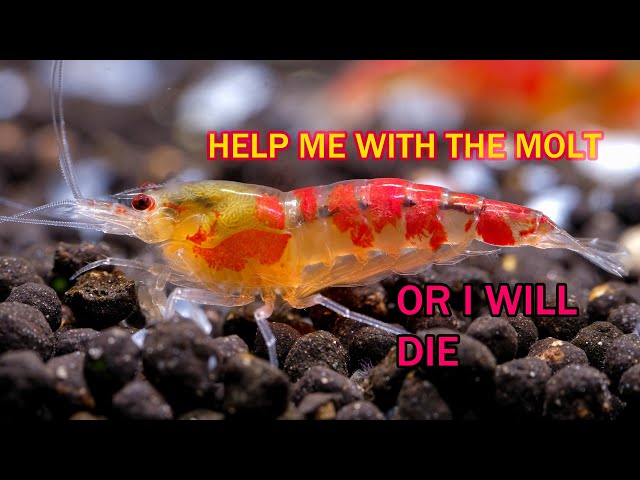
Don’t let stunning photos trick you. These popular types demand precision most beginners can’t provide.
Why Crystal Red Shrimp Fail in New Tanks
Caridina cantonensis varieties like Crystal Reds need soft, acidic water (GH 2-4, pH 5.8-6.4) impossible to maintain without RO water and daily testing. One pH spike above 7.0 causes mass molting deaths.
Red flags you’re not ready:
– Your tap water GH is above 6 dGH
– You don’t own a GH/KH test kit
– Your tank is under 6 months old
Wait 6+ months until your tank cycles stabilize before attempting Caridina.
The Bamboo Shrimp Trap: Filter Feeders Need Perfect Flow
Bamboo shrimp (Atyopsis moluccensis) won’t eat pellets—they wave claws to catch floating particles. In low-flow tanks, they starve silently.
You need this setup first:
– Powerhead to create targeted current
– Daily powdered spirulina feedings
– 0 ammonia at all times (they’re hyper-sensitive)
Start with cherry shrimp, then add bamboo shrimp 6 months later once your tank matures.
Make Shrimp + Fish Coexistence Possible (3 Rules)
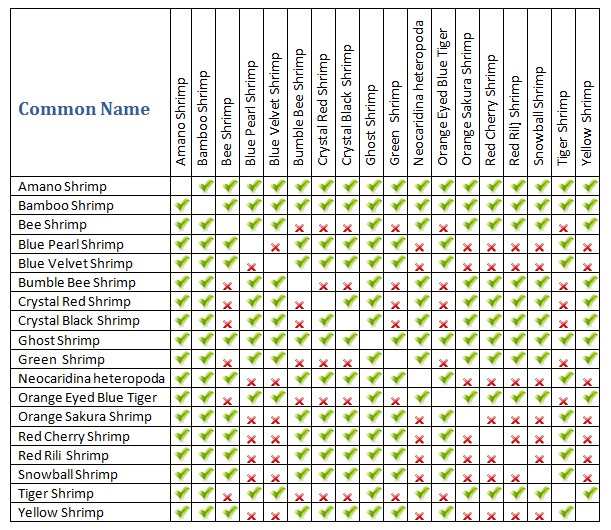
Your fish don’t have to be shrimp killers. Follow these non-negotiables.
Choose Fish That Ignore Shrimp Completely
100% Safe Tank Mates:
– Otocinclus catfish (they only eat algae)
– Ember tetras (too small to hunt)
– Sparkling gouramis (peaceful surface dwellers)
Fish That Will Eat Shrimp (Avoid These):
– Betta splendens (territorial)
– Guppies (nipping fins)
– Corydoras (dig up baby shrimp)
Critical: Add shrimp after fish are well-fed. Hungry fish see shrimp as food.
Create Shrimp Safe Zones With Plants and Hardscape
Without hiding spots, baby shrimp vanish overnight. Build these sanctuaries:
- Plant thickets: Grow java moss into 2-inch deep carpets (attach to driftwood)
- Cave systems: Stack slate rocks with 0.5-inch gaps—too small for fish
- Root labyrinths: Tangle mopani wood roots into shrimp-only tunnels
Test your setup: If you can’t fit a pencil between hardscape pieces, shrimp are safe.
Build a Shrimp-Proof Tank in 5 Steps (No Cycling Expertise Needed)
Forget complex setups. This is the only tank configuration proven for beginner shrimp survival.
Skip Gravel: Use Shrimp-Specific Substrate
Dark-colored shrimp substrates (like CaribSea Eco-Complete) do 3 things gravel can’t:
– Releases essential minerals shrimp absorb through gills
– Holds pH stable between 6.5-7.0
– Shows poop instantly (so you clean before ammonia spikes)
Setup shortcut: Rinse 1.5 inches of substrate, then add 2 inches of untreated soil underneath. The soil buffers pH for 18+ months.
Install a Sponge Filter Before Adding Shrimp
Hang-on-back filters suck up baby shrimp. A $5 air-powered sponge filter:
– Creates biofilm on its surface (shrimp’s favorite food)
– Has zero intake suction
– Doubles as a nursery for hatchlings
Pro move: Seed the sponge in an established tank for 2 weeks before transferring—it jumpstarts your cycle.
Master Shrimp Water Parameters (No Lab Required)
You need only these 3 tests weekly:
1. Ammonia/Nitrite strips (must read 0 ppm)
2. GH test kit (target 6 dGH for Neocaridina)
3. pH liquid test (keep between 6.8-7.2)
Emergency fix: If GH spikes, add 1 RO water water change. Never use tap water without checking GH first.
Feed Shrimp Right: What They Actually Eat (Not Just Algae)

Shrimp starve in “clean” tanks. Replicate their natural diet with these foods.
Biofilm Is Their Primary Food Source—Grow It Intentionally
Biofilm (slimy bacterial film) covers surfaces in mature tanks. Boost it by:
– Adding Indian almond leaves weekly (tannins accelerate growth)
– Turning off filters for 1 hour daily (lets particles settle)
– Skipping glass cleaning for 3 days post-setup
Visual cue: Shrimp swarm on rocks with a faint grayish sheen—that’s prime biofilm.
Supplement With These 3 Foods (No Overfeeding)
| Food Type | How Often | Critical Tip |
|---|---|---|
| Shrimp pellets | 3x/week | Soak 5 mins first—prevents gut blockage |
| Blanched zucchini | 1x/week | Remove after 12 hours (rots fast) |
| Bee shrimp mineral | Daily | Pinch sprinkled on filter output |
Never feed: Flakes or fish food—they cloud water and spike ammonia.
Troubleshoot 3 Deadly Beginner Mistakes (Before They Kill Your Shrimp)
Why All Your Shrimp Died Overnight (The Molting Trap)
Symptoms: Shrimp found dead near plants, legs curled inward.
Cause: Low calcium during molting—they can’t form new shells.
Fix: Add cuttlebone (1 inch) to tank—dissolves slowly for 3 months.
Why Baby Shrimp Disappear (The Fry Food Gap)
Symptoms: Females carry eggs, but no babies appear.
Cause: Newborns need infusoria (microscopic food) for first week.
Fix: Brew DIY infusoria: blend spinach + tank water in jar for 3 days.
Why Shrimp Climb Tank Walls (The Oxygen Crisis)
Symptoms: Shrimp gasping at surface or climbing glass.
Cause: Low oxygen from decaying food.
Emergency response: Turn off heater, add air stone, do 50% water change.
Final Note: Start with 10 wild-type cherry shrimp in a 5-gallon tank packed with java moss—ignore fancy colors until you’ve bred two generations. Within 8 weeks, you’ll see neon pink/blue babies proving your ecosystem works. The secret isn’t perfect water; it’s choosing shrimp that thrive in imperfect conditions. Now go enjoy your first shrimp colony—those tiny clicking sounds as they graze? That’s the sound of success.