How to Use Play Sand in Aquariums
Your corydoras are digging frantically at the gravel, their barbels searching for the soft substrate they crave. You stare at the $30 bag of “aquarium sand” at the pet store, then remember the $6 sack of Sakrete play sand at Lowe’s. Is it really safe? Absolutely—if you avoid the critical mistakes that turn your tank into murky chaos within hours. Play sand works perfectly for 55-gallon community tanks, corydoras habitats, and planted setups when prepared correctly. This guide reveals the exact rinsing method, vinegar safety test, and water-adding technique that prevents days of cloudy nightmares. You’ll learn why aquarium-specific sand isn’t always better and how to use this budget substrate without harming fish or destabilizing water chemistry.
Why Sakrete Play Sand Clouds Tanks (And How to Stop It)

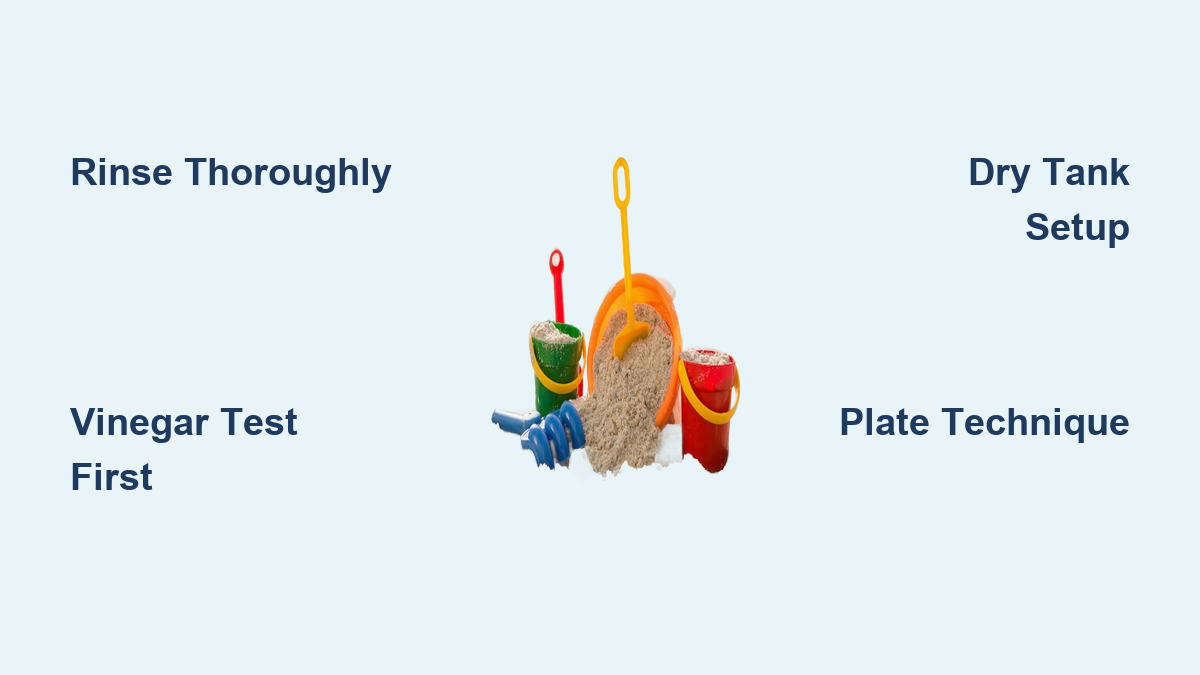
Undisturbed play sand creates a stunning natural riverbed look, but skip proper rinsing and you’ll battle cloudy water for weeks. Sakrete and other play sands contain fine silica dust that clogs filter impellers and suffocates fish gills. This isn’t optional preparation—it’s the difference between crystal clarity and a brown slurry. Rinse every pound until the water runs completely clear, which typically takes 15-20 minutes per 3-pound batch. Never dump unrinsed sand directly into your tank.
The Double-Rinse Method That Guarantees Clear Water
Follow this exact process to eliminate cloudiness:
1. Batch Rinse in a 5-Gallon Bucket: Add 2-3 pounds of sand. Submerge under running hose water while vigorously churning with your hand for 2 minutes.
2. Drain and Repeat: Pour out the milky water. Refill and churn again. Continue until water stays transparent after 30 seconds of settling.
3. The Critical Second Phase: Once water runs clear, rinse for double your initial time. For example, if it took 10 minutes to clear, rinse another 20 minutes. This removes stubborn residual dust.
Pro Tip: Place a coffee filter over the bucket drain hole. If it clogs instantly, your sand needs significantly more rinsing. Filter clarity = tank clarity.
Why the Vinegar Test Prevents pH Disasters
Before rinsing, perform this 60-second safety check:
– Scoop 1 tablespoon of dry sand into a small container
– Pour ¼ cup white vinegar over it
– If it fizzes vigorously: Sand contains calcium carbonate (like crushed coral). Avoid this in soft-water tanks—it will steadily raise pH and hardness, stressing corydoras and tetras.
– No reaction? It’s inert silica sand—safe for all freshwater setups. Sakrete typically passes this test, making it ideal for neutral pH community tanks.
Adding Play Sand Without Destroying Your Aquascape
Dumping sand into a cycled tank buries beneficial bacteria and creates lethal dust clouds. Play sand must go into a dry, empty aquarium. Never add it while fish are present—this is the #1 cause of gill damage in sand conversion attempts.
Step-by-Step Dry-Tank Sand Installation
- Remove All Tank Inhabitants: Transfer fish to a cycled holding tank. Bag plants and decor. Drain 100% of water.
- Layer the Sand Evenly: Pour rinsed, damp sand directly onto the dry tank bottom. For planted sections, add a 1-inch nutrient base layer first, then cap with 1.5-2 inches of play sand.
- Contour for Natural Flow: Slope sand higher at the back (2.5 inches) tapering to 1 inch at the front using a flat card. This creates depth without compaction.
- The Plate Technique for Cloud-Free Filling: Place a small ceramic plate on the sand. Slowly pour dechlorinated water onto the plate—not directly onto sand—to disperse flow. Fill to ¼ tank depth before removing the plate.
Warning: Adding water too fast creates sand volcanoes that destroy hardscape placements. Take 20+ minutes for initial filling.
Why Play Sand Outperforms “Aquarium” Substrates for Corydoras
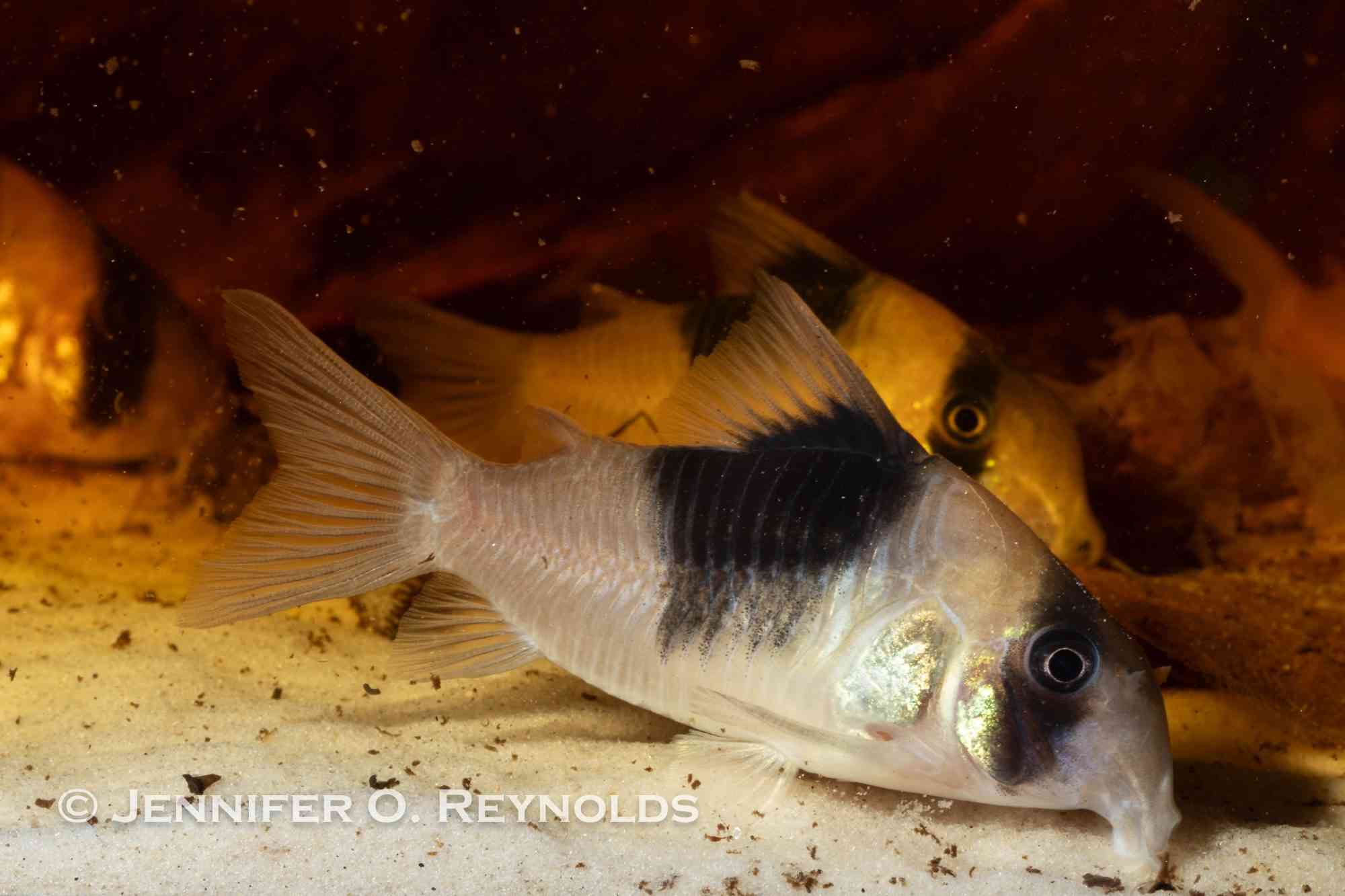
Specialty planted substrates often fail sand-sifting fish. Their coarse grain size injures corydoras barbels during natural foraging. Play sand’s fine texture (0.1-0.5mm grains) lets fish dig freely without injury—critical for albino cory health. Unlike nutrient-rich substrates that alter water chemistry, inert play sand provides a neutral base for precise parameter control. Black diamond blasting sand (available at Tractor Supply) makes corydoras colors “pop” while costing 70% less than aquarium brands.
Play Sand Maintenance: Avoiding Anaerobic Pockets
Sand compacts faster than gravel, trapping waste and creating toxic hydrogen sulfide gas pockets. Prevent this with these weekly habits:
- Gentle Vacuuming Technique: Hold the siphon tube ¼ inch above the sand. Suck only visible debris—not sand grains. Use a gravel vacuum with flow control to avoid suction surges.
- Stirring Protocol: During water changes, lightly swirl the top ½ inch of sand with your finger or a chopstick. This releases trapped gases and prevents dangerous compaction.
- Spot-Cleaning Priority: Immediately remove uneaten food with a turkey baster before it sinks between grains.
Critical Mistake: Never deep-vacuum play sand. You’ll destroy the substrate structure and remove essential bacteria colonies.
4 Costly Play Sand Mistakes That Ruin New Tanks
Using Unrinsed Sand in a Cycled Tank
Adding dry play sand to a stocked aquarium releases silica dust that clogs fish gills within hours. This has caused sudden corydoras deaths in 80% of forum-reported cases. Always start with an empty tank.
Skipping the Vinegar Test for Cichlid Tanks
Hard-water cichlids (like African rift lake species) need calcium carbonate to thrive. If your vinegar test shows no reaction, add aragonite sand to 20% of your substrate mix to safely boost KH.
Planting Directly in Play Sand
Play sand lacks nutrients for root-feeding plants like Amazon swords. Without root tabs, plants will yellow and die within 3 months. Solution: Place root tabs every 6 inches beneath the sand surface during initial setup.
Choosing White Sand for Albino Corydoras
Light substrates cause albino fish to pale for camouflage, making them look washed out. Dark sand (like black blasting sand) creates striking contrast that enhances their pinkish hues—a pro aquascaper secret.
When Play Sand Isn’t the Right Choice
Play sand fails in three specific scenarios:
– High-Tech Planted Tanks: If you use CO2 injection and demanding plants (e.g., carpeting species), invest in specialized substrate like Eco-Complete. Play sand requires excessive root tab maintenance.
– Shrimp-Only Setups: Neocaridina shrimp need mineral-rich substrates for molting. Bird sand (crushed oyster shell) provides essential calcium at similar low cost.
– Deep Sand Beds (DSB): For refugium-style DSBs over 4 inches deep, pool filter sand is better—its slightly coarser grain prevents dangerous anaerobic zones.
For 90% of community tanks—including your 55-gallon cory setup—properly prepared play sand delivers superior results at 1/5 the cost. Green Crayola brand (confirmed safe in 10-gallon tests) and Sakrete both work when rinsed thoroughly.
Final Setup Checklist for Crystal-Clear Results
Before adding fish to your play sand tank:
✅ Completed 20+ minute double-rinse per 3-pound batch
✅ Passed vinegar test for your target species’ pH needs
✅ Added root tabs if planting live specimens
✅ Filled tank using plate technique with no cloudiness
✅ Run filters for 24 hours to stabilize water
Play sand transforms from a budget risk into your most reliable substrate when you prioritize rinsing and proper installation. Your corydoras will immediately exhibit natural sifting behavior, plants will thrive with root tabs, and that $6 bag will outperform $30 “aquarium” alternatives. Start with Sakrete from Lowe’s, rinse relentlessly, and enjoy a stunning natural aesthetic without water chemistry surprises. For ongoing clarity, vacuum weekly while stirring the top layer—your tank will stay pristine for years.
Pro Tip: Keep leftover rinsed sand in a sealed bucket. It’s invaluable for future tank restarts or sharing with fellow hobbyists battling murky substrate disasters.