Best Saltwater Aquarium Fish for Your Tank (2026 Guide)
Your saltwater aquarium’s success hinges on selecting the right types of saltwater aquarium fish. Choosing incompatible species leads to stress, disease, and tank disasters—especially when beginners pair peaceful gobies with aggressive triggers. With over 2,000 marine fish species available, understanding which fish tolerate new tank conditions, coexist peacefully, and won’t destroy your corals is critical. This guide cuts through the confusion with actionable insights from real aquarium experience. You’ll discover exactly which fish work for nano tanks versus large displays, identify hidden compatibility traps, and learn how to match species to your skill level—ensuring your underwater ecosystem flourishes from day one.
5 Beginner Saltwater Fish That Tolerate Cycling Tanks
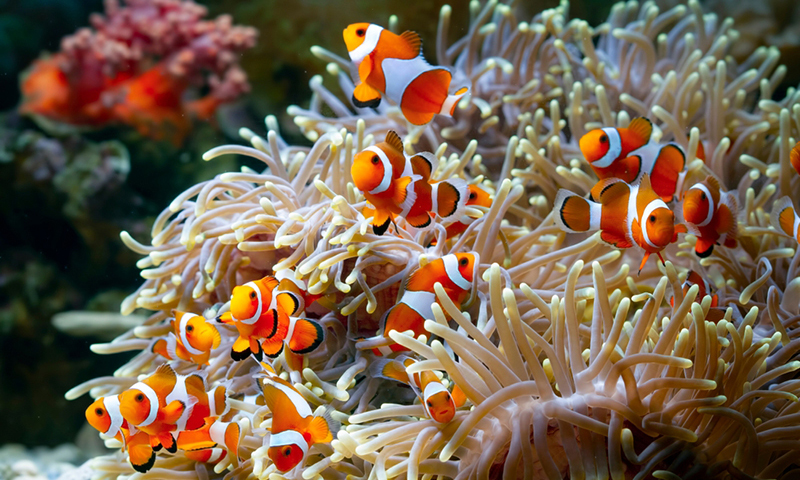
New saltwater tanks experience dangerous water fluctuations during the first 3-6 months. These resilient species survive where delicate fish fail, making them ideal first purchases after your tank cycles.
Ocellaris Clownfish: The Stress-Resistant Tank Anchor
Ocellaris clownfish (Amphiprion ocellaris) thrive in unstable conditions that kill other species. Their secret? A natural slime coat that protects against ammonia spikes common in new tanks. These 3-inch fish establish territories around anemones or coral substitutes within days, rarely chasing tankmates. Watch for their signature color shift: pale orange when stressed, vibrant when settled. Introduce them after your tank cycles for 4 weeks minimum—they’ll eat flakes, pellets, or frozen brine shrimp within hours of acclimation. Avoid pairing with territorial damselfish; clownfish coexist best with gobies or blennies.
Bicolor Blenny: The Nano Tank Algae Vacuum
Bicolor blennies (Ecsenius bicolor) solve two beginner problems simultaneously: they control nuisance algae while tolerating immature tanks. At just 3 inches long, they’re perfect for 20-gallon nano reefs. These bottom-dwellers constantly graze diatoms and hair algae off live rock—no supplemental feeding needed once established. Key visual cue: a healthy blenny darts between rock crevices with upright dorsal fins. They may nip at slow-moving invertebrates if starving, so ensure your tank has mature algae growth before adding them. Never house multiple blennies together; they’ll fight over territory in tanks under 40 gallons.
Royal Gramma: The Peaceful Reef Jewel
Royal grammas (Gramma loreto) bring electric purple-and-yellow color to small tanks without coral damage. Their 2-inch size suits 15-gallon setups, and they ignore corals while outcompeting aggressive fish for hiding spots. Critical tip: introduce them before dominant species like dottybacks—they establish rockwork claims faster than larger fish. Watch for “head-down” stress behavior; this signals incompatible tankmates. Grammas accept all food types but require protein-rich options like mysis shrimp to maintain vibrant coloration. Avoid pairing with other bottom-dwellers like jawfish—they’ll battle over cave systems.
Yellowtail Damselfish: The Hardy but Territorial Workhorse
Yellowtail damselfish (Chrysiptera parasema) survive brutal new-tank conditions but demand strategic placement. Their bright blue bodies and yellow tails add instant pop to any display, and they readily eat flakes. However, they become fiercely territorial as tanks mature—especially toward similar-shaped fish like chromis. Solution: add them last to established communities, and provide one cave per inch of fish length. Monitor for “flaring” (gill covers spread wide)—this precedes attacks on new arrivals. Best paired with top-swimming fish like anthias that avoid their rock-dominated zones.
Pajama Cardinalfish: The Low-Light Community Starter
Pajama cardinalfish (Sphaeramia nematoptera) solve the beginner’s nocturnal fish dilemma. These 3-inch silver fish with black stripes tolerate variable water parameters while adding daytime activity. Unlike most cardinalfish, they adapt to daytime feeding within weeks. Essential setup: provide dense coral thickets for hiding—they’ll dart out at dusk to catch floating food. Never add them to tanks with lionfish or groupers; cardinalfish vanish overnight. Their peaceful nature makes them ideal tankmates for firefish gobies, but avoid housing with nocturnal predators like squirrelfish.
Top 7 Reef-Safe Fish That Ignore Your Corals
Reef-safe fish won’t nip at soft corals or SPS frags—critical for protecting your $500 coral investments. These species pass the “coral test” by ignoring polyps even when hungry.
Firefish Goby: The Darting Coral Guardian
Firefish gobies (Nemateleotris magnifica) earn their reef-safe status by ignoring corals while eating nuisance pests. Their 3-inch bodies hover above rocks, snatching copepods that bother corals. Warning: they jump when startled—always use a tight tank lid. Look for their signature “perching” behavior: standing vertically on rock ledges. Feed them before dimming lights; hungry firefish may nip at clam mantles. Pair exclusively with non-territorial fish like royal grammas—they vanish if housed with damsels.
Fairy Wrasses: The Living Color Explosion
Fairy wrasses (Cirrhilabrus spp.) transform tanks with neon blues and pinks while ignoring all corals. At 3-4 inches, they’re safe for 30-gallon reefs. Key to success: add them in groups of 5+ males to diffuse aggression. Watch for “flashing”—rapid side-to-side swimming indicating stress from poor water quality. They require 4 daily feedings of frozen rotifers; skip meals and they’ll pick at zoanthids. Never house with dottybacks; wrasses become targets in tanks under 50 gallons.
Neon Goby: The Tiny Tank Doctor
Neon gobies (Elacatinus oceanops) provide real aquarium value: they clean parasites off larger fish. At 2 inches, they’re perfect for nano reefs. Their electric blue stripes make them visible against dark rockwork. Critical behavior: they “dance” near fish mouths inviting cleaning sessions. Feed them after main tank feedings—they’ll scavenge leftovers. Avoid tanks with eels or large wrasses; neon gobies become snacks. Introduce them before dominant species claim all rock crevices.
Managing Semi-Aggressive Fish Without Tank Wars

Semi-aggressive fish like angelfish add drama but require precise tank management. Ignoring their needs causes coral destruction and fish disappearances.
Coral Beauty Angelfish: The Coral Nipping Trap
Coral beauty angelfish (Centropyge bispinosa) look stunning but often destroy LPS corals. Their 4-inch bodies nibble coral polyps when underfed. Prevention strategy: soak their food in garlic extract to boost appetite for pellets—well-fed angels ignore corals 80% of the time. Watch for “nipping posture”: head down, fins flared toward corals. House them only in tanks over 75 gallons with robust tankmates like tangs; they bully small fish in cramped spaces.
Clown Triggerfish: The Intelligent Tank Bully
Clown triggers (Balistoides conspicillum) outgrow most home tanks within 18 months, reaching 18 inches. Their crushing jaws destroy snails and crabs—never add them to invertebrate tanks. Critical setup: provide PVC pipes as “chew toys” to redirect destructive behavior. They recognize owners and beg for food, but become aggressive during feeding. Solution: use feeding tongs to avoid hand injuries from their 500-psi bite. House only as solitary specimens; triggers kill similar-shaped fish like puffers.
Unique Saltwater Fish: Specialized Care for High-Reward Species
These fish demand expert-level care but offer unparalleled underwater theater when requirements are met.
Mandarin Goby: The Copepod Lawn Keeper
Mandarin gobies (Synchiropus splendidus) starve in immature tanks—they need 50,000+ copepods per square foot. Their survival depends on a 6-month-old tank with live sand beds. Key visual: a healthy mandarin constantly “walks” on pelvic fins grazing microfauna. Never add them to tanks with cleaner shrimp—they’ll eat your cleanup crew. Boost survival by culturing copepods in a refugium; watch for weight loss (sunken belly) indicating starvation.
Seahorses: The Hitching Post Specialists
Seahorses (Hippocampus spp.) require zero water flow and hitching points every 2 inches. Their 4-8 inch bodies need tanks with 5+ daily feedings of live mysis shrimp. Critical setup: use soft coral like xenia as hitching posts—hard corals abrade their prehensile tails. Watch for “barrel-chested” swelling indicating disease. House only in species tanks; even peaceful fish outcompete them for food.
Your Saltwater Fish Selection Checklist: Tank Size, Diet, and Temperament
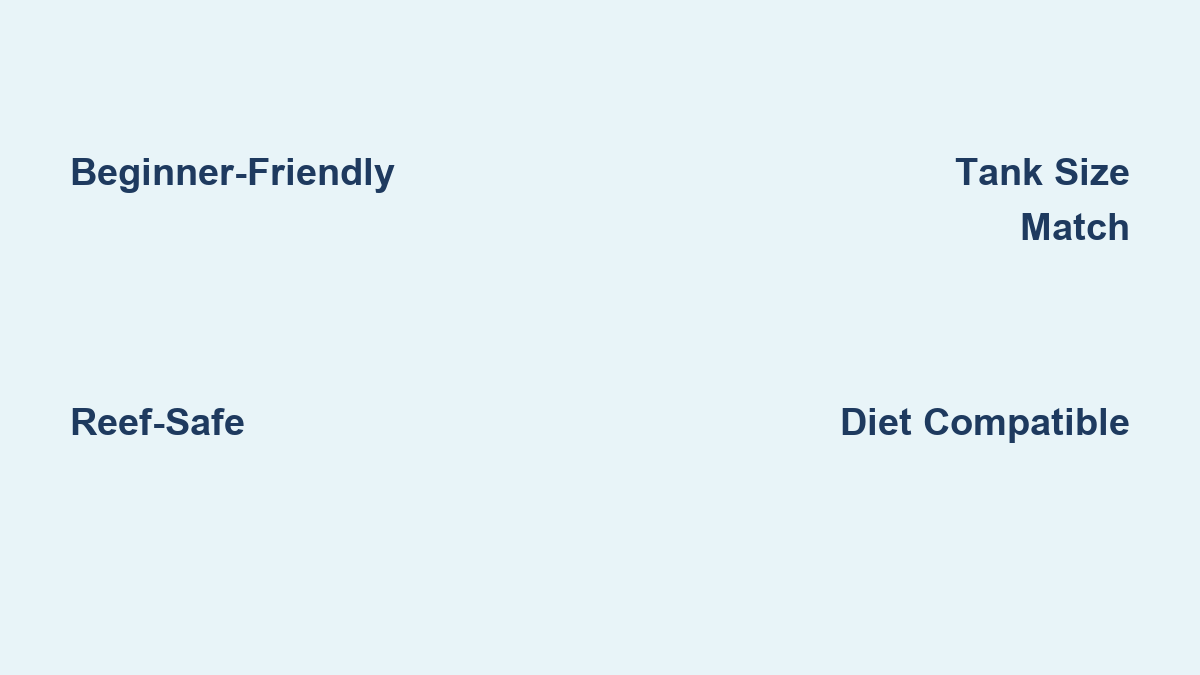
Avoid costly mistakes with this field-tested selection framework. Match each fish to three non-negotiable criteria before purchase.
Tank Size Minimums That Prevent Stress Aggression
Fish outgrow tanks faster than you think. Groupers reach 12 inches in 2 years—requiring 180-gallon minimums. Tangs need 6 feet of swimming space; a 55-gallon tank causes “hole-in-the-head” disease from stress. Nano tanks (under 30 gallons) work only for fish under 3 inches like blennies or neon gobies. Measure your tank’s swimming zone—not just volume. A tall 55-gallon tank frustrates horizontal swimmers like anthias.
Diet Compatibility: When Fish Starve Amidst Plenty
Many saltwater fish starve despite available food. Butterflyfish ignore flakes, requiring sponge-based pellets. Pipefish need constant live food—set alarms for 6 daily feedings. Before buying, verify: Does your fish accept frozen food? How often must you feed? Can you culture live food? A mandarin goby in a new tank is a death sentence—you’ll watch it slowly waste away.
Temperament Triangulation: The 3-Fish Compatibility Test
Never introduce fish based on single-species research. Test compatibility by: 1) Adding peaceful fish first (clownfish, gobies), 2) Introducing semi-aggressive species last (angels, triggers), 3) Watching for 48 hours before adding more. If a new damselfish chases all tankmates, remove it immediately—delayed action causes systemic stress. Document aggression in a tank journal; patterns reveal hidden incompatibilities.
Choosing the right types of saltwater aquarium fish transforms your tank from a ticking time bomb into a thriving ecosystem. Focus first on beginner species like ocellaris clownfish and bicolor blennies that forgive early mistakes, then expand to specialized fish only after mastering water parameters. Always prioritize tank size and diet compatibility over aesthetics—a 75-gallon tank with proper copepod cultivation makes mandarin gobies possible, while a nano reef demands neon gobies. Remember: the healthiest saltwater aquariums feature fish that naturally coexist in the wild, like clownfish with firefish gobies. Start small, document every addition, and your underwater world will flourish with minimal intervention. For next steps, research captive-bred fish varieties—they adapt faster and protect ocean reefs.