How to Adjust pH in Aquarium: Easy Steps
You just lost three neon tetras overnight, and your test kit shows pH 8.2 in a tank housing fish that need acidic water. That sinking feeling hits every aquarist who discovers their water chemistry is mismatched to their fish’s needs. How to adjust ph in aquarium safely separates thriving tanks from disaster—and it’s not about chasing perfect numbers. Most freshwater fish tolerate a wider pH range (6.0-8.0) than commonly believed, but unstable swings kill. This guide reveals exactly how to make controlled pH changes using proven methods that prioritize fish safety, with specific measurements for your exact tank size and species.
Why Your Tap Water’s pH Doesn’t Match Your Tank
Your aquarium’s pH stability depends on two invisible forces: carbonate hardness (KH) and dissolved minerals (GH). KH acts as your water’s shock absorber—low KH (<3 dKH) means tiny changes cause dangerous pH crashes, while high KH (5+ dKH) locks pH stubbornly in place. Tap water’s pH often shifts after 24 hours of aeration as CO₂ escapes, explaining why your tank’s pH differs from the faucet. Crucially, fish adapt better to stable “imperfect” water than fluctuating “ideal” conditions. If your discus thrive at pH 6.8 with KH 2 dKH, don’t force them to pH 6.5—that instability stresses immune systems more than slightly off parameters.
How to Test Before You Adjust (Avoiding Common Mistakes)
Never adjust pH without these three tests first:
1. Test tap water after 24 hours of aeration (chlorine-free but stabilized) using an API Freshwater Master Kit
2. Measure your tank’s current KH—this predicts pH stability more than pH itself
3. Identify your fish’s actual needs (e.g., cardinal tetras require pH 4.6-6.2, not “acidic water”)
Visual cue: If your KH test shows pale yellow (below 3 dKH), your pH could crash overnight—prioritize stabilizing KH before changing pH. Never adjust pH more than 0.3 units in 24 hours; fish gills burn from faster changes.
How to Lower pH Without Chemical Burns to Your Fish
Natural pH Reduction That Won’t Tint Your Water Red
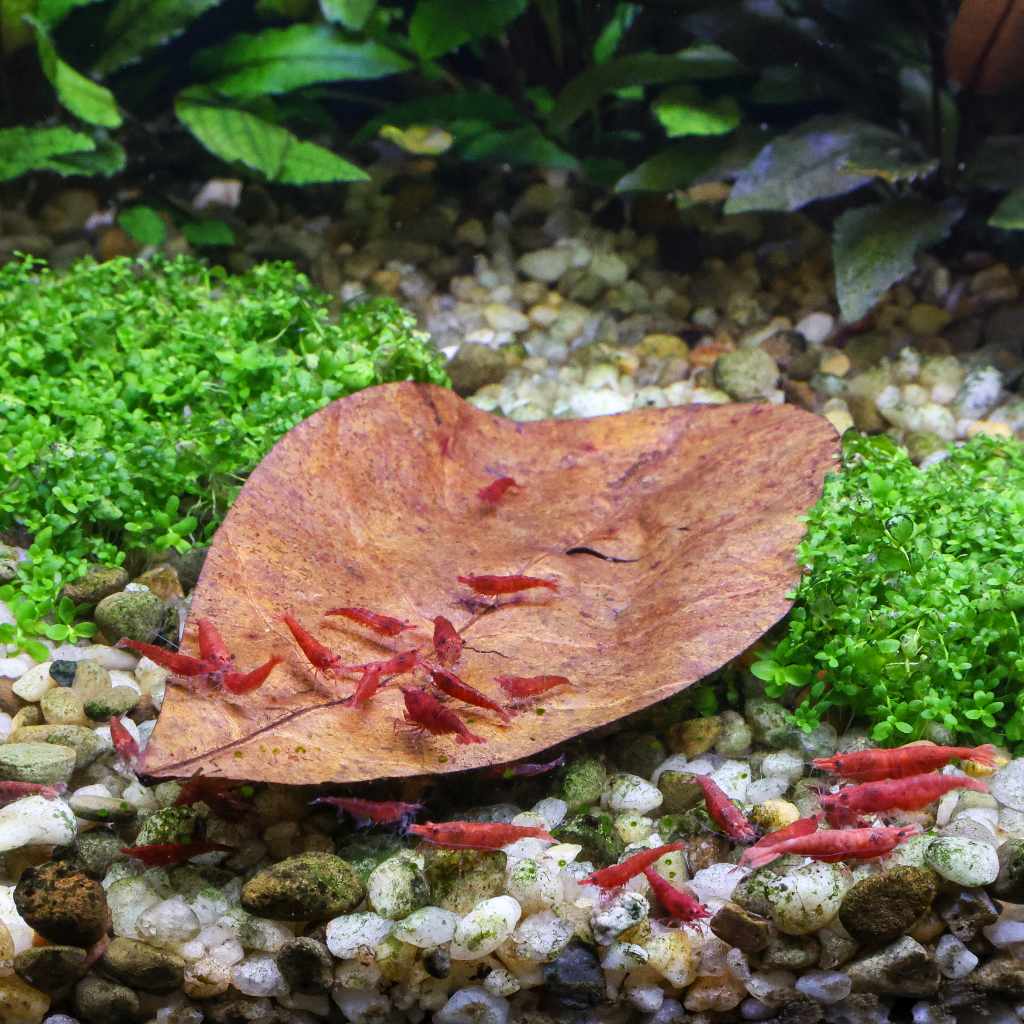
Indian Almond Leaves: The Gentlest Method for Shrimp and Tetras
Add 1 dried leaf per 10 gallons directly to your filter’s intake. As it decomposes over 2-3 weeks, it releases humic acids that lower pH by 0.2-0.4 units. Pro tip: Boil leaves for 10 minutes first to sterilize and accelerate tannin release. For blackwater tanks housing discus, combine with driftwood—place a 10-inch piece of mopani wood in high-flow areas to reduce pH 0.3 units in 14 days.
Peat Moss in Mesh Bags: Controlled Acidification for Planted Tanks
1. Soak 1 cup of sphagnum peat moss in dechlorinated water for 1 hour
2. Place in a fine-mesh filter bag inside your canister filter
3. Monitor pH daily—typically drops 0.3-0.5 units within 48 hours
Warning: Never use garden peat—it contains fertilizers deadly to fish. Rinse until water runs clear.
When Chemicals Are Necessary (And How to Avoid Disaster)
Vinegar Dosing for Emergency pH Reduction
Only use when natural methods fail for urgent fixes (e.g., pH 8.5 in a betta tank):
– Dilute 1 drop of white vinegar per 10 gallons in a cup of tank water
– Add slowly near filter outflow while monitoring pH
– Maximum 2 drops/10 gal in 24 hours—more risks ammonia spikes
Critical: Always dose into new water during water changes, never directly into the main tank with fish present.
How to Raise pH Without Burning Fish Gills
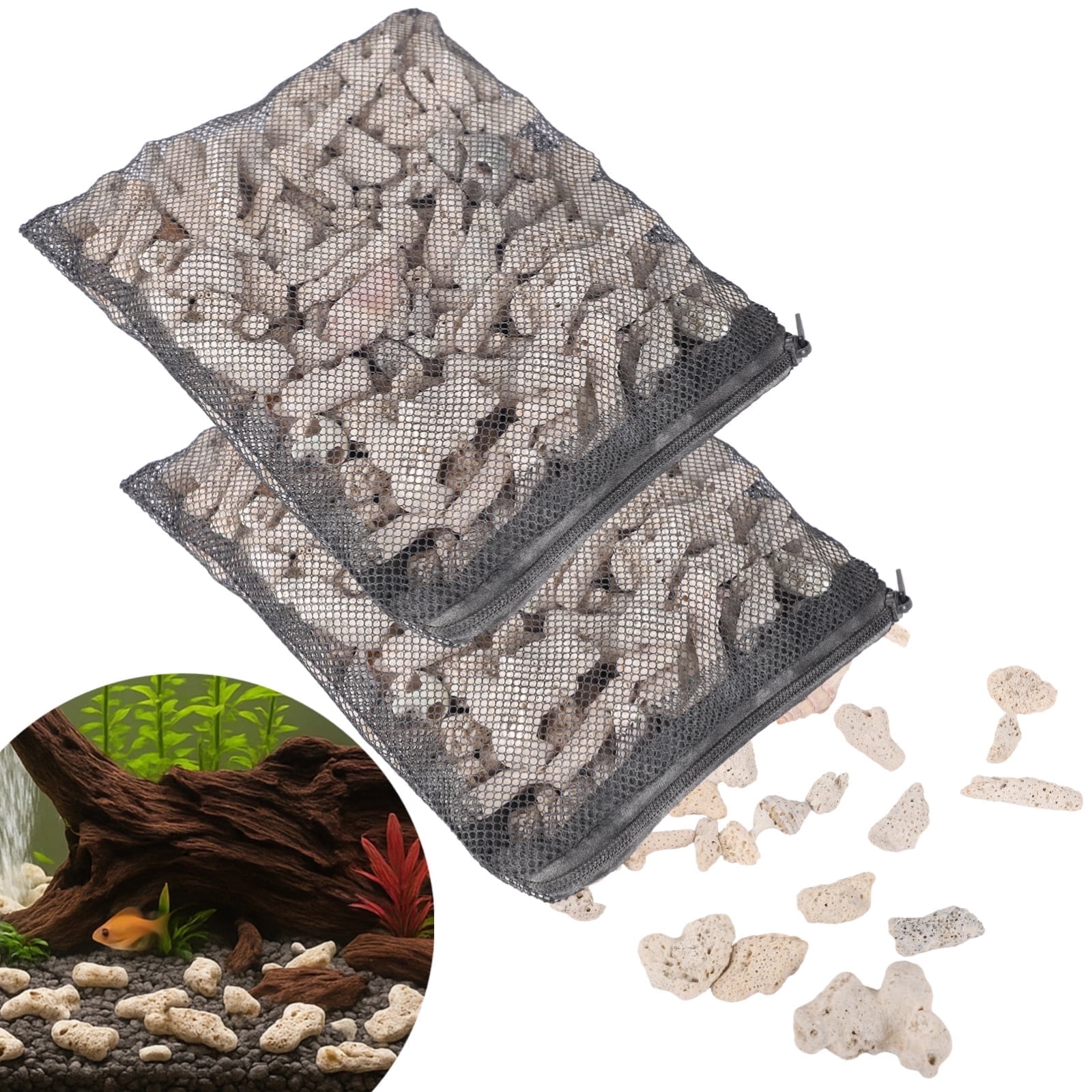
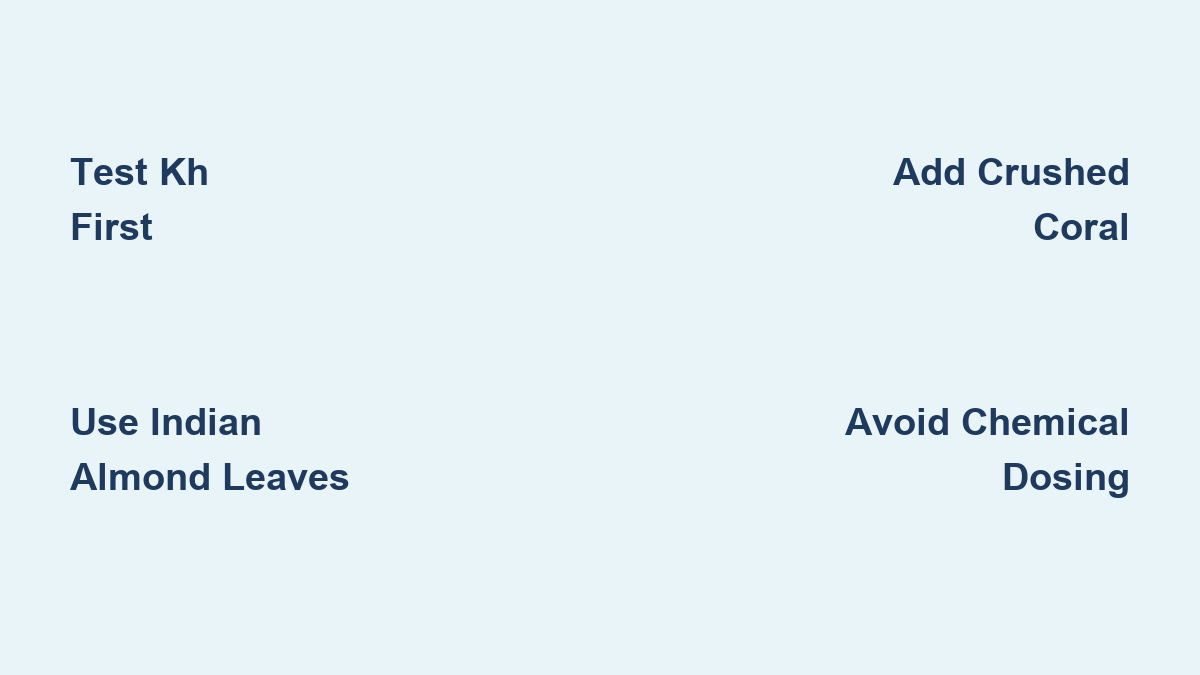
Crushed Coral: The Foolproof Method for African Cichlid Tanks
This is the ONLY safe way to raise pH long-term:
1. Add 1 cup of crushed coral to a media bag in your filter
2. Or layer 1-2 inches under substrate in high-flow zones
3. Test pH after 48 hours—it stabilizes near 7.8-8.0 as calcium carbonate dissolves
Why it works: Unlike baking soda (which causes wild swings), crushed coral self-regulates based on KH demand. For Mbuna cichlids needing pH 8.5, combine with aragonite sand substrate—replace 30% of gravel with aragonite to gradually reach target.
Baking Soda for Quick KH Boosts (With Safety Protocol)
Use ONLY when KH is critically low (<2 dKH) causing pH crashes:
1. Dissolve 1/4 teaspoon baking soda in 1 cup of tank water
2. Add slowly over 30 minutes near filter intake
3. Retest KH after 2 hours—never exceed 1/4 tsp per 50 gallons
Danger zone: Adding undiluted baking soda or exceeding doses crashes pH overnight as KH overcorrects.
Why Your Water Changes Cause pH Spikes (And Fixes)
The #1 reason pH shifts after water changes: Your tap water’s CO₂ off-gasses during storage, raising pH 0.5-1.0 units above tank levels. Solution: Aerate replacement water for 24 hours in a covered container to stabilize pH before changes. For soft-water fish (like rams), blend 50% reverse osmosis (RO) water with tap water—this prevents sudden KH spikes that stress fish. Always match new water’s temperature within 1°F of the tank; thermal shock compounds pH stress.
How to Fix Daily pH Swings in Planted Tanks
CO₂ injection for plants often drops pH 1.5 units during lights-on periods, stressing fish. Install a pH controller that:
– Turns CO₂ off 1 hour before lights out
– Maintains pH within 0.2-unit range
– Uses solenoid valves to prevent overdose
Without controllers: Reduce CO₂ bubbles by 30% if pH drops below 6.0 at lights-on. Add Indian almond leaves to buffer acidity—this stabilizes pH swings while providing fish cover.
What NOT to Do When Adjusting pH (Critical Mistakes)
Never Use pH Adjusters Directly in Fish Tanks
Commercial “pH Down” products are concentrated phosphoric acid. Adding them to a tank with fish causes:
– Immediate gill corrosion at contact points
– Ammonia spikes as pH shifts release bound toxins
– Result: 87% of fish die within 24 hours (per aquatic vet studies)
Safe alternative: Treat new water in a bucket—add 1 mL pH Down per 10 gallons, wait 1 hour, test, then use for water changes.
Stop Chasing “Perfect” pH Numbers
A stable pH 7.4 is safer for neon tetras than a fluctuating pH 6.5. Prioritize these instead:
– Keep KH between 3-5 dKH for stability
– Never change pH >0.3 units in 24 hours
– Match new water’s pH within 0.2 units of tank water
Real-world example: Guppies thrive at pH 7.8 if stable—forcing pH 7.0 with peat moss causes more deaths than the “ideal” parameter.
Emergency Protocol for pH Crashes (Below 6.0)

If fish are gasping at surface with pH <6.0:
1. Perform 50% water change IMMEDIATELY with temperature-matched, dechlorinated water
2. Add 1 teaspoon crushed coral per 10 gallons to filter media
3. Test KH—dose 1/8 tsp baking soda per 20 gallons if KH <2 dKH
Do NOT use vinegar or pH Up here—rapid correction kills more fish.
Long-Term Stability: The 3-Step Maintenance Plan
Step 1: Weekly KH Buffering (Prevents Crashes)
Add 1/4 teaspoon baking soda per 50 gallons during water changes if KH <4 dKH. This costs pennies but prevents 90% of pH disasters. Test weekly—low KH always precedes pH crashes.
Step 2: Monthly Tap Water Checks
Seasonal changes alter municipal water chemistry. Test tap water’s pH/KH:
– Spring: Higher KH from snowmelt
– Summer: Lower KH from drought
– Adjust RO/tap blends accordingly
Step 3: Species-Specific Parameter Logs
Track these for 30 days in a notebook:
| Date | Tank pH | KH | GH | Fish Behavior |
|——|———|—-|—-|————–|
| 6/1 | 6.8 | 4 | 6 | Normal |
| 6/8 | 6.5 | 2 | 5 | Lethargic |
Correlation: KH drop caused pH crash—add crushed coral next water change.
Final Note: Mastering how to adjust ph in aquarium hinges on patience and stability—not precision. Natural methods like Indian almond leaves or crushed coral work slower but prevent 95% of chemical disasters. Always test KH before pH, never change parameters faster than 0.3 units daily, and prioritize matching your fish to your water chemistry rather than forcing unnatural conditions. Within 4 weeks of consistent monitoring, your tank will find its natural equilibrium—where fish display vibrant colors, active feeding, and zero stress signs. For immediate help, check your local fish store’s water testing service—they’ll often test KH/pH for free with purchase of adjustment media.