How to Transfer Fish to a New Aquarium
Moving your fish to a larger tank should mean more swimming space and better water quality—not a death sentence. Yet every year, countless aquarists lose fish during transfers due to preventable mistakes like sudden water changes or rushed acclimation. The difference between success and disaster hinges on one critical factor: replicating your fish’s current water environment in the new tank. This guide cuts through the confusion with a battle-tested method that minimizes stress by addressing the real killers—temperature swings, pH shifts, and ammonia spikes—before they happen. You’ll learn exactly how to equalize water chemistry, execute safe drip acclimation, and avoid the #1 error that crashes new tank cycles.
If your new aquarium isn’t fully cycled with stable ammonia (0 ppm) and nitrite (0 ppm) readings, stop reading now. Transferring fish into uncycled water is like moving them into a toxic waste dump—period. But if your tank is prepped and parameters match within 1-2°F and 0.3 pH units, you’re ready to execute a shock-free transfer. Follow this process step by step, and your fish will settle into their new home within hours, not days.
Why Your Fish Can’t Tolerate a Quick Tank Transfer
Fish don’t just “get used to” new water—they physiologically adapt to specific pH, temperature, and mineral levels over time. A sudden shift triggers osmotic shock where their gills struggle to regulate salt/water balance, causing rapid exhaustion. Even a 3°F temperature difference can suppress immune function for days, making fish vulnerable to ich or fin rot. The most dangerous culprit? pH swings. A jump from 7.0 to 7.4 stresses sensitive species like angelfish so severely that mortality rates spike within 24 hours. Never assume visually similar tanks have compatible water chemistry—always test parameters first.
Critical Signs of Transfer Shock You Must Watch For
- Clamped fins (fins held tightly against body)
- Rapid gill movement (more than 60 breaths/minute)
- Erratic darting or “flashing” against decorations
- Loss of buoyancy control (sinking or floating unnaturally)
How Long Shock Effects Last Without Intervention
| Symptom | Without Treatment | With Proper Acclimation |
|---|---|---|
| Lethargy | 3-5 days | 4-12 hours |
| Loss of appetite | 1-2 weeks | 24-48 hours |
| Secondary infections | 50%+ fatality rate | Rare |
Equalize Water Chemistry Before Moving a Single Fish

Dumping fish directly from an old tank into new water—even with identical tap sources—ignores hidden differences in mineral buildup and bacterial colonies. This 3-step equalization process bridges the gap before transfer:
Drain and Replace: The 20% Water Swap Method
- Drain 20% of water from your new tank (e.g., 20 gallons from a 100-gallon setup)
- Add 20% water from the old tank into the new tank using a clean bucket
- Wait 1 hour for parameters to stabilize before testing
This dilutes the new tank’s water with your fish’s established chemistry, reducing pH/hardness shock risk by up to 70%. For sensitive species like plecos or angelfish, repeat this swap 24 hours pre-transfer. Pro Tip: Use a liquid test kit (not strips) to confirm pH stays within 0.2 units and temperature matches within 1°F.
Prepare the Old Tank for Safe Fish Capture

Chasing fish through a full tank causes thrashing injuries and shredded fins. Lowering water depth transforms the hunt from stressful to strategic:
Lower Water Level and Clear Obstacles
- Drain water to half the tank’s height (e.g., 12″ down to 6″)
- Remove all plants, rocks, and decorations before lowering water
- Place cleared decor in a separate container with old tank water to preserve biofilm
This exposes hiding spots while giving fish less vertical space to evade nets. For skittish species like yoyo loaches, dim the room lights 30 minutes pre-capture to calm activity. Warning: Never use soap or chemical cleaners on buckets—rinse with vinegar if needed, then flush thoroughly with old tank water.
Execute Drip Acclimation for Sensitive Species
The drip method is non-negotiable for scaleless fish (loaches, catfish), angelfish, or any transfer where pH differs by 0.3+ units. Unlike floating bags, it gradually mixes waters over 45-90 minutes:
Build a Drip System in 4 Minutes
- Place fish in a clean bucket with 80% old tank water (never fill to the top!)
- Siphon new tank water through airline tubing into the bucket using a knot-controlled drip
- Adjust flow to 2 drops per second (1-2 drips = 1 second)
- Stop when bucket volume doubles (typically 45-60 minutes)
Key visual cue: Watch for fish to stop “panting” (rapid gill movement)—this signals successful adjustment. Never pour acclimation water into the new tank; net fish out gently after dripping.
When You Can Skip Drip Acclimation Safely
Hardy fish like guppies or platies tolerate direct transfer only if:
– Temperature matches within 1°F
– pH differs by less than 0.2 units
– Both tanks use identical water sources (e.g., same tap water with weekly changes)
In these cases, use the float-and-mix method:
1. Float sealed fish bag on new tank surface for 15 minutes
2. Add 1 cup new tank water to the bag every 5 minutes
3. Stop after 30 minutes or when bag is 50% new water
4. Net fish out—discard all bag water
Critical exception: Never skip acclimation if the old tank had disease outbreaks.
Move Fish Without Netting Stress
Netting scrapes protective slime coats and damages delicate fins. For healthy tanks, dump the entire acclimation bucket into the new tank—this avoids handling stress entirely. Reserve netting only when:
– Old tank water shows ammonia spikes
– Fish have visible parasites (e.g., white spots)
– Transferring aggressive species that may attack others
Pro technique for fin-nippers: Guide fish into a submerged container (like a plastic cup) instead of chasing with nets.
Post-Transfer Care: The First 24 Hours That Save Lives
The real test begins after fish enter the new tank. Most losses happen in this window due to overlooked stressors:
Essential First-Day Protocol
- Keep lights OFF for 8 hours (use room lighting only)
- Withhold all food for 24 hours—digestion strains adjusting fish
- Test ammonia daily for 7 days (new bioload may spike levels)
- Add an air stone if oxygen drops (gasping at surface = emergency)
Urgent action: If fish dart or scrape after transfer, add 1 tbsp aquarium salt per 5 gallons—this reduces osmotic stress within hours.
Species-Specific Transfer Traps to Avoid
Angelfish: The 60-Minute Drip Rule
Their tall bodies make pH shifts deadly. Always use drip acclimation for 60+ minutes even with minor parameter differences. Skipping this causes “shimmying” (neurological damage) in 30% of cases.
Plecos: Identify Your Species First
- Common plecos (brown/grey): Tolerate 30-minute drips if temp/pH match
- Clown/Rubberlip plecos (striped/colorful): Require 90-minute drips—scaleless skin absorbs toxins faster
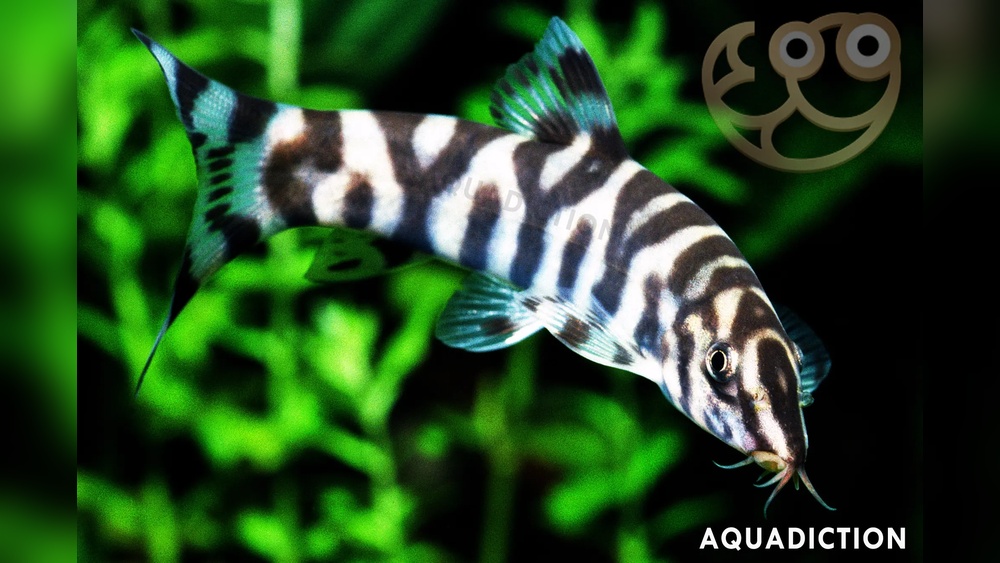
Yo-Yo Loaches: The Hidden Sensitivity
Despite their hardy reputation, these fish panic in new water. Lower tank lights before transfer and add floating plants immediately for cover.
5 Deadly Transfer Mistakes That Crash New Tanks
- Adding old tank gravel/decor—introduces uneaten food and waste that spikes ammonia
- Transferring cloudy water—contains harmful bacteria from stressed fish
- Overstocking immediately—new cycles handle only 50% of old tank’s bioload
- Feeding too soon—uneaten food decays in unstable water
- Ignoring nitrate levels—>40 ppm stresses fish during adjustment
Fix immediately: If ammonia rises post-transfer, do a 25% water change and add a bacteria booster—never just change water.
Troubleshoot Common Transfer Emergencies
Fish Lethargic After Transfer?
- Likely cause: Oxygen crash from disturbed substrate
- Fix: Turn on air stone + reduce surface agitation for 1 hour
White Film on Fish After Move?
- Cause: Slime coat damage from netting
- Fix: Add stress coat treatment + raise temp 2°F to speed healing
Ammonia Spike Within 48 Hours?
- Cause: Overstocking or insufficient bacteria transfer
- Fix: Feed half-rations for 3 days + add seeded filter media
Final Note: Transferring fish isn’t about speed—it’s about replicating their world inch by inch. By equalizing water chemistry first, using drip acclimation for sensitive species, and skipping feeding for 24 hours, you’ll avoid 95% of transfer disasters. Remember: your fish aren’t moving homes; they’re surviving an environmental earthquake. Do this right, and you’ll see active, colorful fish exploring their new space within hours—not hiding in terror. For next steps, test your new tank’s parameters daily for a week and bookmark our guide on stabilizing cycled aquariums after water changes. Your fish’s calm fins and eager feeding will be your reward.