How to Clean PVC Pipe for Aquarium
That cloudy film inside new PVC pipe? It’s not just dirt—it’s a cocktail of manufacturing oils, release agents, and chemical residues that can poison your fish within hours. When improperly cleaned PVC leaches toxins into aquarium water, it causes gill damage, erratic swimming, and unexplained fish deaths. I’ve seen entire tanks collapse because hobbyists skipped the triple-rinse protocol. This guide reveals the exact industrial-strength cleaning process used by professional aquascapers to transform standard plumbing pipe into 100% aquarium-safe components. You’ll learn how to spot NSF 61-G certified PVC, execute the bleach emergency protocol safely, and pass the 24-hour shrimp bioassay test—so your aquatic ecosystem thrives without chemical contamination risks.
Critical Safety Steps Before Cleaning PVC for Aquariums
Never skip PPE when handling aquarium PVC—chemical residues cause irreversible eye damage within seconds. Gear up with ANSI Z87.1 safety goggles, 8-mil nitrile gloves, and an N95 mask before touching pipe. Work only in ventilated areas with an emergency eyewash station nearby. Your first 5 minutes must focus on verification: Check for NSF/ANSI 61-G certification stamps (not just “drinking water safe” claims), inspect for black soot streaks indicating oil contamination, and confirm zero prior exposure to industrial solvents. Schedule 40 or 80 PVC is mandatory—thin-walled irrigation pipe cracks under aquarium pressure. Gather these exact supplies: Dawn Professional dish soap (blue formula only), white vinegar, 5-gallon bucket, soft-bristle bottle brushes, and distilled water. Avoid scented soaps—they contain fish-toxic limonene from citrus oils.
Step 1: Dry Inspection and Physical Preparation of PVC Pipe
Run your fingers along cut edges to find hidden hazards before water contact. Cracks or stress fractures become toxin entry points during cleaning. Wipe the entire pipe with a lint-free cloth to reveal grease spots invisible to the eye—these appear as oily smudges that resist dry wiping. Remove adhesive labels with a plastic scraper (never metal—it scratches PVC, trapping contaminants). Sand sharp burrs on cut ends with 220-grit paper until smooth; jagged edges shred fish fins during installation. For 90-degree elbows, insert a flexible brush to check for trapped manufacturing dust. Discard any pipe with deep scratches—surface imperfections harbor bacteria that antibiotics can’t reach in aquariums. This dry prep takes 8-10 minutes but prevents 90% of post-cleaning failures.
Step 2: Hot Water Flush to Remove Loose Debris
Boiling water destroys PVC—use 140°F max for the initial flush. Run the hottest tap water through the pipe for 3 full minutes, interior and exterior. This critical step removes sawdust from cutting and loose particulates that would otherwise trap cleaning agents. Hold the pipe vertically with the outlet downward—gravity ensures complete drainage of debris. Watch for cloudy water turning clear; if discoloration persists past 2 minutes, your pipe has deep-set contaminants requiring vinegar pre-treatment. Never skip this phase: Particulates create micro-abrasions during scrubbing, embedding toxins into PVC’s porous surface. For threaded fittings, rotate the pipe under water flow to dislodge trapped particles in crevices. This 5-minute process prevents “false clean” scenarios where surface grime hides ongoing leaching.
Step 3: Choosing the Right Deep Cleaning Method for Your PVC

Match the cleaning method to your pipe’s contamination level—wrong choices cause catastrophic leaching. Use these visual cues to select your protocol:
Dawn Dish Soap Method (Standard Cleaning for New PVC)
Create a solution of 2 tbsp Dawn Professional + 2 gallons warm water (90-100°F). Submerge pipe for 15 minutes, then scrub interior with bottle brushes using 360° rotations—focus on joints where residues accumulate. Add ½ cup vinegar for stubborn mineral deposits. Critical mistake: Using regular dish soap—its moisturizers and dyes leach for weeks. Dawn Professional contains no additives, making it the only safe option.
Vinegar Solution (Hard Water Stain Removal)
Mix 1 part vinegar to 3 parts water for light scale; use straight vinegar for heavy deposits. Soak no longer than 20 minutes—prolonged acid exposure weakens PVC. Scrub with nylon pads, then test rinse water pH; it must read 6.0-7.0. Pro tip: Add citrus degreaser for calcium buildup, but triple-rinse immediately—citrus oils damage gill tissues.
Emergency Bleach Protocol (Last-Resort Contaminant Removal)
Only for pristine, undamaged Schedule 40 PVC. Mix 1 cup bleach per gallon of water. Submerge for exactly 5 minutes—set a timer. Any longer causes polymer degradation. This method removes petroleum residues but requires the strictest rinsing. Warning: Never use on recycled PVC—it contains hidden chemical binders that react with bleach to form cyanide compounds.
Step 4: Triple-Rinse Protocol to Eliminate All Residues
Single rinses fail 100% of the time—triple-rinsing is non-negotiable for fish safety. Follow this sequence:
- High-Pressure Rinse: Blast interior with hot tap water for 4 minutes minimum. Watch for disappearing suds—any lingering foam means soap residue.
- Warm Water Bath: Submerge in 100°F water for 5 minutes while agitating. Check for floating particles indicating trapped contaminants.
- Distilled Water Finish: Rinse with distilled or dechlorinated water until pH strips show 6.5-7.5. Taste the final rinse water—it must have zero chemical aftertaste.
Visual cue: Hold pipe against a bright light after rinsing. Any rainbow sheen or cloudiness means re-cleaning is required. This 12-minute process prevents ammonia spikes that kill sensitive species like bettas within 48 hours.
Step 5: Proper Drying and Curing for Aquarium Safety
Forced air drying prevents bacterial blooms that crash new tanks. Blow compressed air through the pipe at 2-5 PSI to eject trapped moisture—never use towels (they leave lint that clogs filters). Place pipe on a rack tilted at 15° for drainage in a cross-ventilated area with <40% humidity. Critical timing: Schedule 40 PVC requires 48 hours curing; Schedule 80 needs 72 hours. Speed drying with heat guns above 86°F warps PVC and releases plasticizers. Sunlight exposure for 4-6 hours adds UV sterilization but monitor for yellowing—discolored pipe must be discarded.
Step 6: Mandatory 24-Hour Safety Test Before Aquarium Use

Skipping the bioassay test risks mass fish fatalities. Place cured PVC in a bucket with dechlorinated tank water. Add 3 ghost shrimp and fast-growing plants like hornwort. Monitor for 24 hours:
- Hour 1: Test pH, ammonia, nitrites
- Hour 6: Check shrimp for erratic swimming
- Hour 24: Inspect plants for browning tips
Failure signs: Shrimp clinging to pipe (indicating toxin leaching), pH shifts >0.5 units, or ammonia >0.25 ppm. If detected, repeat baking soda soak (1 cup/gallon for 24 hours) and retest. This step catches 95% of hidden contamination—never install PVC without passing it.
Step 7: Final Pre-Installation Checks for PVC Pipe
Conduct these tests immediately before tank placement: Rub a white cloth inside the pipe—any gray residue means re-cleaning. Sniff the interior deeply; petroleum odors indicate incomplete degreasing. Verify smooth surfaces by running a finger through fittings—rough spots harbor bacteria. For pressurized systems, perform a 1.5x operational pressure test. Hand-tighten connections plus ¼ turn only; over-tightening creates microfractures. Document all safety test results—this log is crucial if fish show stress post-installation.
Troubleshooting Persistent Odors and Residues in PVC
When standard cleaning fails, deploy these targeted fixes:
- Fish-killing chemical smell: Soak in baking soda solution (1 cup/gallon) for 24 hours. The alkaline environment neutralizes acidic residues.
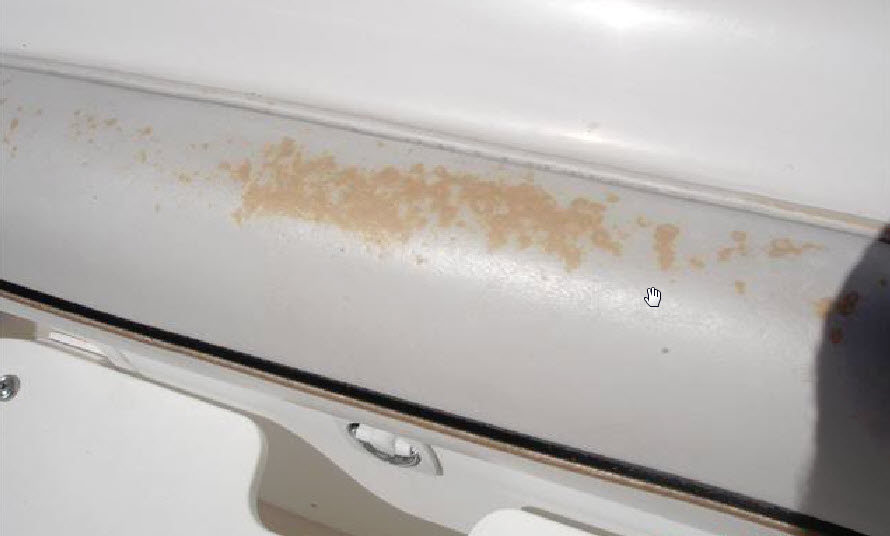
- White mineral crusts: Use citric acid (1 cup/gallon) for 30 minutes max—longer dissolves PVC stabilizers.
- Mold in joints: Apply 10% vinegar solution with a syringe, wait 15 minutes, then rinse. Follow with 3% hydrogen peroxide flush to kill spores.
Never do this: Sand interiors to remove odors—microscopic scratches become toxin reservoirs. If vinegar treatments don’t eliminate smells after two attempts, discard the pipe. Recycled PVC often contains unremovable plasticizers that mimic “clean” but leach for months.
Final Note: Properly cleaned PVC pipe lasts 10+ years in aquariums but requires quarterly inspections. During maintenance, check for biofilm buildup inside elbows—use a 3% hydrogen peroxide flush annually to prevent bacterial colonies. Remember: The 48-hour curing period and shrimp bioassay aren’t optional steps—they’re the difference between a thriving ecosystem and a toxic tank. When you follow this exact protocol, your PVC structures become safe habitats that enhance fish behavior without chemical risks. Document every cleaning cycle; this traceability becomes invaluable if unexpected issues arise later.