How to Care for Turtles in an Aquarium
That sinking feeling when you realize your turtle’s cramped, barren tank isn’t just uncomfortable—it’s actively harming her health. If you’ve suddenly inherited a 15-year-old turtle like the frustrated owner in our knowledge base, you’re likely staring at murky water, a lonely basking platform, and wondering where to even begin. The truth is startling: improper aquarium setups cause 80% of turtle health emergencies in first-time owners. But here’s the good news—you can fix this today. This guide cuts through the guesswork with actionable steps verified by reptile care specialists, focusing exclusively on what actually keeps aquatic turtles thriving in home aquariums. By the end, you’ll know exactly how to transform that depressing tank into a vibrant habitat that prevents shell rot, boosts immunity, and adds years to your turtle’s life.
50-Gallon Minimum: Why Your Turtle’s Tank Size Can’t Be Skipped
That “big enough” 20-gallon tank? It’s a death sentence for adult turtles. Red-eared sliders—the most common pet species with distinctive red eye stripes—demand serious swimming room. A single adult requires a 50-75 gallon aquarium minimum, with the tank length being critical. Aim for 48 inches long to create two distinct zones: deep water for swimming (at least 1.5x your turtle’s shell length deep) and a dedicated dry basking platform. Skip the gravel—it’s a hidden hazard. Turtles constantly mistake small stones for food, leading to fatal intestinal blockages. Instead, use river rocks too large to swallow or go bare-bottom for effortless cleaning.
Immediate Tank Setup Checklist
- Measure twice: For every inch of shell length, provide 10 gallons of water (e.g., 8-inch turtle = 80-gallon minimum)
- Zone division: Use a sloped ramp to create a 50/50 water-to-land split—no mesh grids that trap limbs
- Secure basking platform: Must hold your turtle’s full weight without tipping; cork bark or slate rock work best
Water Filtration That Prevents Deadly Shell Rot

Murky water isn’t just gross—it’s a bacterial breeding ground causing shell rot within days. Turtles produce 5x more waste than fish, so your filter must be massively oversized. Install a canister filter rated for 150+ gallons in a 75-gallon tank (yes, 2-3x capacity). Weekly 50% water changes are non-negotiable—smaller changes let toxins accumulate. Here’s the pro technique:
- Siphon debris before draining (never remove turtle first—stress kills)
- Treat replacement water with dechlorinator while filling a separate bucket (direct tank dosing shocks your turtle)
- Test ammonia weekly—anything above 0 ppm means immediate 70% water change
Critical mistake: Using fish tank filters. Turtles need mechanical filtration that handles solid waste—not just dissolved toxins. Canister filters like Fluval FX6 are turtle-specific for a reason.
Why Your Turtle Keeps Getting Sick After Water Changes
If your turtle develops white fuzzy patches on its shell (early shell rot) post-cleaning, you’re likely:
– Skipping dechlorinator (chlorine destroys beneficial bacteria)
– Draining too much water at once (crashes tank biome)
– Not cleaning the filter media in old tank water (tap water kills good bacteria)
UVB Lighting: The Lifesaving Setup 90% of Owners Get Wrong

That cheap reptile lamp from pet stores? Useless. Without proper UVB, your turtle can’t metabolize calcium—leading to metabolic bone disease where the shell softens and deforms within weeks. Position a 10.0 UVB tube lamp 12 inches above the basking spot, running 12 hours daily. Test with a Solarmeter 6.5R—anything under 3.0 UVI is dangerous. Pair it with a 95°F basking bulb (measured on the platform, not above water).
Heat Safety Steps That Prevent Burns
- Always use a heater guard: Turtles chew exposed heaters, causing electrical shocks or burns
- Anchor thermometer probes: Place one in water (75-80°F ideal) and one on basking surface (90-95°F)
- Never skip night cooling: Drop water temp to 72°F at night—mimics natural cycles
Pro tip: Replace UVB bulbs every 6 months—they stop emitting UV long before burning out.
Turtle Diet Mistakes That Cause Swollen Eyes and Lethargy
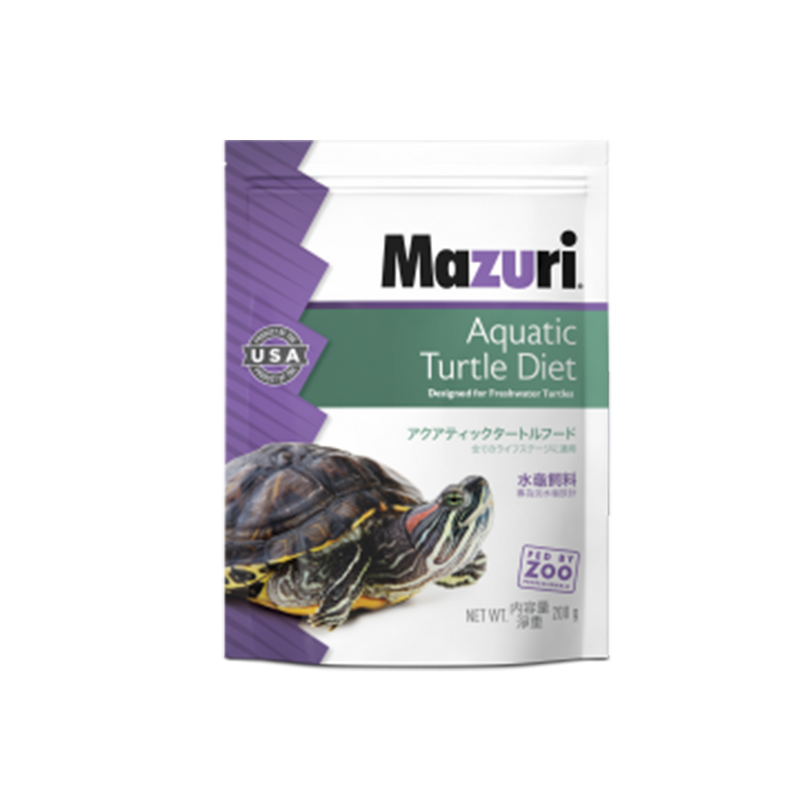
Feeding iceberg lettuce or pellets alone is nutritional suicide. A 15-year-old turtle needs this precise balance:
| Food Type | Frequency | Critical Examples |
|---|---|---|
| Commercial pellets | 2x/week | Mazuri Aquatic Turtle Diet ONLY |
| Dark leafy greens | Daily | Dandelion greens, romaine (never spinach—it blocks calcium) |
| Protein sources | 1x/week | Earthworms, ghost shrimp (no feeder fish—they carry parasites) |
Stop overfeeding immediately: Turtles beg constantly but need only enough food they’ll eat in 15 minutes. Leftover pellets rot water quality within hours. Remove uneaten food with a net—don’t rely on filters.
Emergency Signs of Vitamin Deficiency
- Swollen/puffy eyes: Vitamin A deficiency (add cod liver oil to greens)
- Soft shell edges: Metabolic bone disease (check UVB placement)
- Reddish urine: Liver damage from poor diet (switch to Mazuri pellets)
Outdoor Basking Done Right: Avoiding Lawn Chemical Poisoning
Taking your turtle outside temporarily helps—but lawns are ticking time bombs. Only use chemical-free areas, as pesticides cause fatal neurological damage within hours. Build a secure outdoor “turtle run” using:
– A stock tank filled with 6 inches of water
– Partial shade (direct sun >90°F cooks turtles alive)
– Predator-proof mesh overhead (raccoons kill turtles silently)
Never leave unattended: Even 10 minutes unsupervised risks escape or bird attacks. Limit sessions to 30 minutes max when temps hit 75-85°F.
Weekly Health Checks That Catch Illness Early
Skip the vet bill with this 2-minute inspection:
1. Eyes: Should be clear and open—swelling means vitamin deficiency
2. Shell: Press gently on scutes—soft spots indicate shell rot
3. Swimming: Lopsided movement = respiratory infection (needs antibiotics)
4. Feces: Must be firm and dark—white stringy bits mean parasites
Critical action: If your turtle won’t eat for 3+ days, check basking temperature first—cold turtles stop digesting food.
Why Your Turtle Hates Her Tank (and How to Fix It Today)
Boredom causes stress that weakens immunity. Add enrichment without risks:
– Hiding spots: Ceramic flower pots (no sharp edges)
– Foraging fun: Tape kale leaves to tank walls for “hunting”
– Texture variety: Smooth river rocks vs. sand-free substrate
Avoid plastic plants—turtles chew and ingest them, causing fatal impactions. Real aquatic plants like anubias work if anchored securely.
Final Turtle Care Checklist Before Sunset
Don’t wait for shell rot or swollen eyes to act. Before tonight’s feeding:
1. Verify tank size: If under 50 gallons for one adult, start saving for upgrade now
2. Test UVB output: Hold meter where turtle basks—must read 3.0+ UVI
3. Swap iceberg lettuce: Give dandelion greens from your yard (untreated!)
4. Install heater guard: Wrap existing heater in mesh cage
Caring for turtles in aquariums isn’t about fancy gadgets—it’s nailing the fundamentals that prevent 95% of health crises. That 15-year-old you inherited? She’s counting on you to fix what previous owners got wrong. Do these seven things correctly, and you won’t just keep her alive—you’ll give her the vibrant, active life she deserves for decades to come. Start with the tank size and UVB checks tonight; everything else builds from there. Your turtle’s next healthy sunrise depends on it.