How to Care for Tropical Fish Aquarium
Your tropical fish aquarium should be a vibrant underwater paradise, not a source of constant frustration. Yet 70% of beginner aquarium failures stem from skipping just three critical steps in the first month. The truth is simple: tropical fish thrive only when their invisible ecosystem stays perfectly balanced. Without understanding water chemistry and maintenance rhythms, even the hardiest guppies will fade. This guide cuts through the noise to deliver exactly what you need to know—no fluff, just actionable steps verified by decades of aquarium science. You’ll learn precisely how to take care of tropical fish aquarium systems so your neon tetras flash brilliantly and your angelfish glide gracefully for years.
Most newcomers make the fatal mistake of treating aquariums like decorative objects rather than living ecosystems. Your tank’s health depends on invisible bacteria converting deadly fish waste into safe compounds—a process that takes weeks to establish. Rush this phase, and you’ll watch your investment die one fish at a time. But follow these evidence-based protocols, and you’ll build a self-sustaining habitat where fish flourish with minimal intervention. Let’s transform your tank from a death trap into a thriving aquatic showcase.
Cycle Your Tank Completely Before Adding Any Fish

Skipping the nitrogen cycle is the #1 reason new aquariums fail within weeks. This biological process establishes colonies of beneficial bacteria that convert toxic ammonia from fish waste into less harmful nitrates. Without it, your fish literally poison themselves. You have two proven paths:
Fishless cycling is the only humane method. Add pure ammonia (2-4 ppm) or fish food daily to feed bacteria while testing water. This takes 4-8 weeks but protects your future fish. Never use “fish-in cycling”—subjecting living creatures to toxic ammonia and nitrite levels causes severe stress and organ damage.
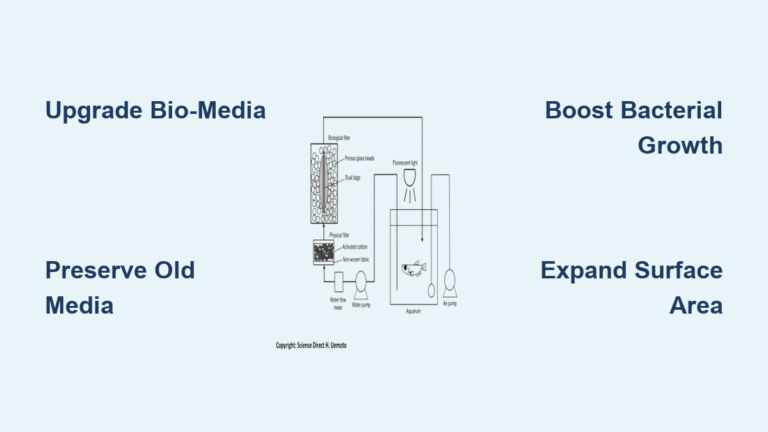
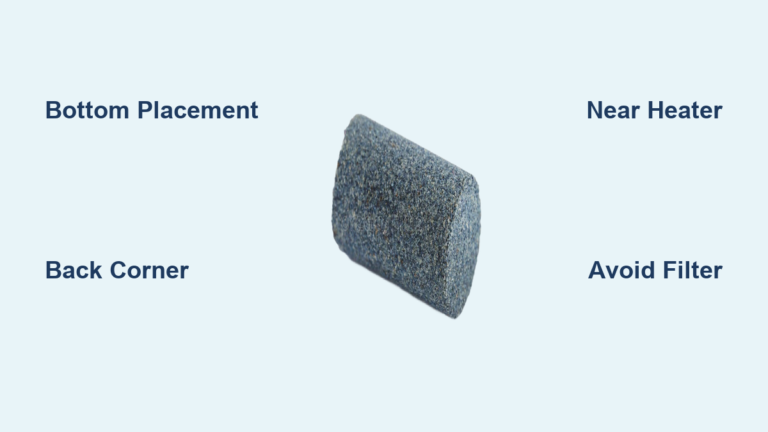
Your tank is truly cycled when test kits show 0 ppm ammonia and 0 ppm nitrite across two consecutive days. Speed up the process by adding lava rocks to your filter (increasing bacterial surface area) or introducing a used filter sponge from an established tank. Remember: adding fish before cycling completes is like inviting guests into a house with no plumbing—it always ends badly.
How to Test Cycling Progress Accurately
Use liquid test kits (not strips) every 48 hours. Focus on three critical markers:
– Ammonia: Should drop from 2-4 ppm to near zero within days
– Nitrite: Will spike after ammonia drops—this is normal
– Nitrate: Appears once nitrite starts declining
When ammonia and nitrite consistently read 0 ppm, your bacteria colony is ready. Take a water sample to your local fish store for verification if unsure. Never add more than 2-3 hardy fish (like zebra danios) during the first introduction week.
Remove Chlorine and Chloramine from Tap Water Every Time
Municipal tap water contains chlorine or chloramine—chemicals designed to kill bacteria. These same chemicals will destroy your tank’s essential bacterial colonies within minutes. Ignoring this step turns your filter into a lifeless decoration. Always treat new water with a conditioner like Seachem Prime before every addition.
Pour the conditioner directly into new water before adding it to your tank. This neutralizes chlorine instantly and detoxifies chloramine for up to 48 hours. For emergency water changes, treat the entire tank volume but turn off your filter for 5 minutes first—this prevents conditioner from washing away nascent bacteria colonies. Never skip this step: even “natural spring water” often contains trace chlorine.
Why Temperature Matching Matters During Water Changes
Sudden temperature shifts cause fatal shock to tropical fish. Always match new water to your tank’s current temperature within 1°F (0.5°C). Float your water container in the tank for 15 minutes before adding it, or use an aquarium thermometer. A 78°F tank receiving 70°F water will see fish gasping at the surface within hours—this isn’t drama, it’s physiological trauma.
Schedule Weekly 25-50% Water Changes to Control Nitrates
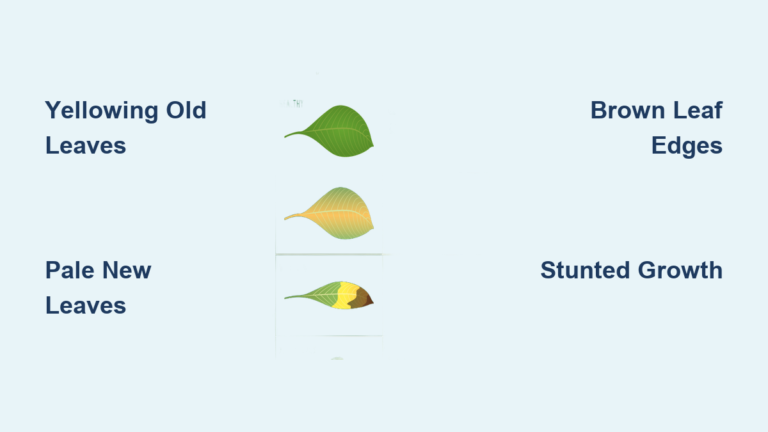
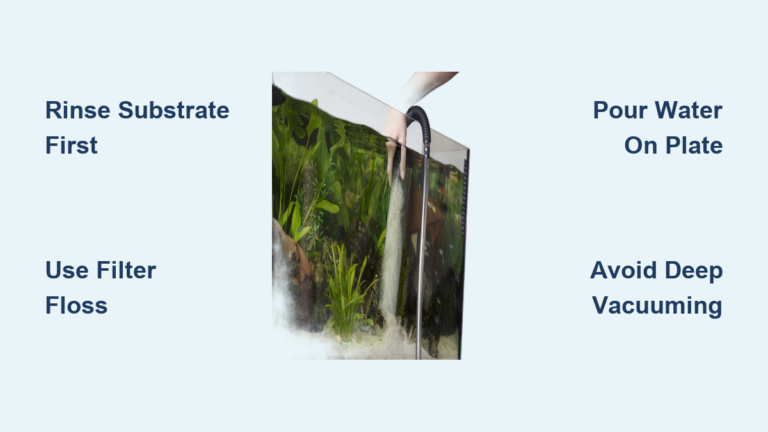
Nitrates are the silent killer in tropical fish aquariums. While less toxic than ammonia, levels above 40 ppm cause chronic stress that weakens immune systems. Weekly water changes are your primary defense—they remove nitrates while replenishing essential minerals. For most beginner tanks, replace 25-50% of water weekly using a gravel vacuum to siphon debris from the substrate.
Test nitrate levels weekly with a liquid kit. If readings exceed 40 ppm:
– Increase water change frequency to twice weekly
– Reduce fish feeding temporarily
– Add fast-growing plants like hornwort
Skipping just one water change creates dangerous momentum. At 30 ppm weekly nitrate production, skipping one change pushes levels to 60 ppm. Since a 50% water change only halves nitrates, you’ll need two consecutive changes to recover—during which time fish experience mounting stress.
Filter Media Cleaning Protocol That Preserves Bacteria
Your filter houses 70% of your beneficial bacteria. Cleaning it improperly can crash your entire ecosystem. Always rinse media in removed tank water (never tap water) during water changes. Gently swish sponges in the bucket until debris releases—aggressive scrubbing destroys bacterial colonies.
Replace filter media in stages: if using multiple sponges, swap only one every 3 months. Avoid carbon filters unless treating medications—they remove trace elements fish need. For hang-on-back filters, replace disposable pads with reusable blue sponges cut to size. This maintains filtration while saving money long-term.
Prevent Fish Stress During Acclimation

Dumping new fish directly into your tank is like forcing someone from sea level to Mount Everest—they’ll likely die from shock. Temperature and pH differences cause immediate osmotic stress. Always acclimate over 60 minutes using this method:
- Float the sealed bag in your tank for 15 minutes (temperature equalization)
- Open the bag and add ½ cup tank water every 10 minutes for 45 minutes
- Use a net (never pour bag water) to transfer fish
This gradual transition prevents “new tank syndrome” deaths. Never skip acclimation—even hardy mollies suffer internal damage from abrupt changes. Research species-specific needs first: discus require soft acidic water while African cichlids need hard alkaline conditions. Mixing incompatible species guarantees disaster.
Avoid the Overfeeding Trap That Clouds Water
Overfeeding causes 80% of cloudy water and algae outbreaks in new tanks. Excess food decays into ammonia faster than bacteria can process it. Feed only what fish consume in 90 seconds, once daily. Most beginners feed 3-5 times too much—watch for pellets sinking to the bottom as your cue to stop.
Use high-quality flakes or pellets as staples, supplementing with frozen brine shrimp weekly. Soak dry food in tank water for 30 seconds before feeding to prevent expansion in fish stomachs. If you see uneaten food after 2 minutes, you’ve overfed. Miss a feeding day weekly—fish thrive with occasional fasting.
Monitor Nitrate Levels Weekly to Prevent Fish Stress
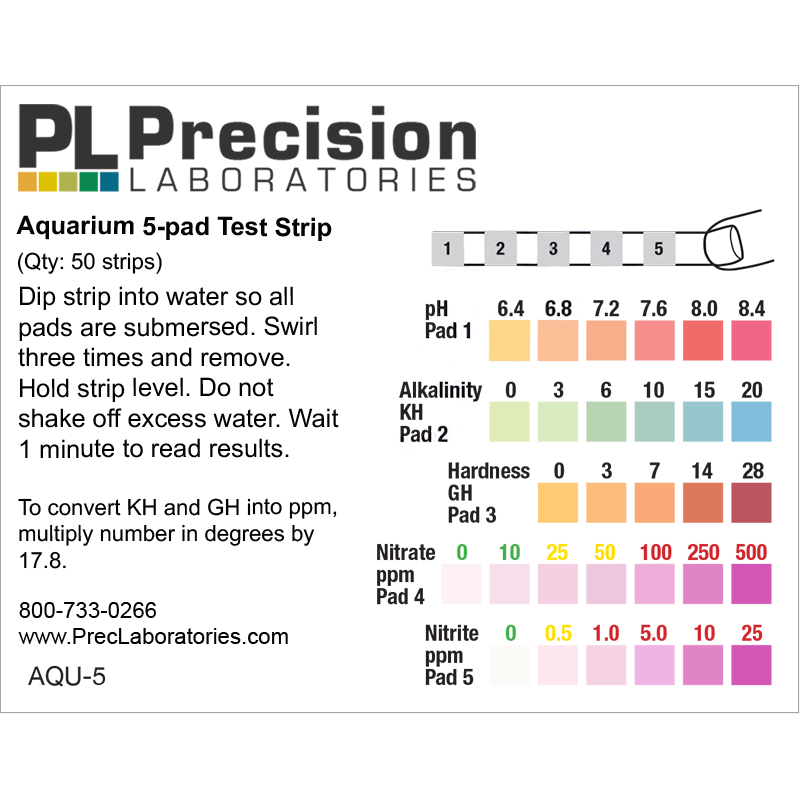
Nitrates are the canary in your coal mine. While ammonia and nitrite should always read 0 ppm, nitrates gradually accumulate between water changes. Test weekly and maintain under 40 ppm. Levels above 60 ppm cause:
– Lethargic swimming
– Clamped fins
– Increased disease susceptibility
Planted tanks have an advantage—live plants consume nitrates as fertilizer. Aim for 10-20 ppm in these setups to nourish plants without stressing fish. In unplanted tanks, nitrate-reducing filter media or more frequent water changes become essential. Remember: stability trumps perfect numbers. A tank consistently at 35 ppm nitrates is healthier than one fluctuating between 10-50 ppm.
Critical Water Parameter Targets for Tropical Fish
| Parameter | Safe Range | Danger Threshold | Test Frequency |
|---|---|---|---|
| Ammonia | 0 ppm | >0.25 ppm | Weekly |
| Nitrite | 0 ppm | >0.5 ppm | Weekly |
| Nitrate | <40 ppm | >80 ppm | Weekly |
| Temperature | Species-specific | ±2°F change | Daily |
Observe Fish Behavior Daily for Early Problem Detection
Your fish’s actions reveal tank health before test kits do. Spend 2 minutes each morning watching for:
– Gasping at surface: Low oxygen or high ammonia
– Rubbing on decor: Parasite infestation
– Loss of color: Stress or disease
– Hiding constantly: Bullying or poor water quality
Healthy fish swim actively with fins fully extended. Note any changes immediately—early intervention saves lives. Keep a log of feeding times, water parameters, and observations. This history helps diagnose patterns when problems arise. If fish stop eating for 48 hours, test water first before assuming disease.
Consistent tropical fish aquarium care isn’t about complex chemistry—it’s about honoring the invisible bacterial balance that keeps your ecosystem alive. By cycling properly, treating every drop of water, and maintaining nitrate discipline, you create conditions where fish don’t just survive but thrive. Remember the golden rule: stability beats perfection. A tank with slightly high nitrates but consistent parameters outperforms one with “perfect” numbers that swing wildly. Start with weekly 30% water changes, test every Sunday, and spend two minutes each morning observing your fish. In six months, you’ll have mastered the art of aquarium care—and your vibrant underwater world will reward you with daily moments of tranquility. Ready to deepen your knowledge? Explore our guide to identifying common tropical fish diseases before symptoms appear.