How to Set Up a Cold Water Aquarium
Your living room temperature swings between 68-72°F? That’s the sweet spot for a thriving cold water aquarium that skips expensive heaters and high energy bills. Unlike tropical tanks requiring constant warmth, cold water setups harness natural room temperatures to create stable ecosystems for fish like White Cloud Mountain Minnows and Paradise Fish. But here’s the catch: most beginners accidentally mix incompatible species or skip critical cycling steps, leading to fish stress and tank crashes. This guide reveals exactly how to set up a cold water aquarium using proven techniques from experienced keepers—so you avoid the #1 mistake of adding Betta fish (which will suffer in cooler temps). You’ll learn which fish actually thrive between 60-72°F, why a low-setting heater improves stability, and how to cycle your tank in 4-8 weeks for long-term success.
Why Your Cold Water Tank Needs Temperature Stability (Not Just Cold)
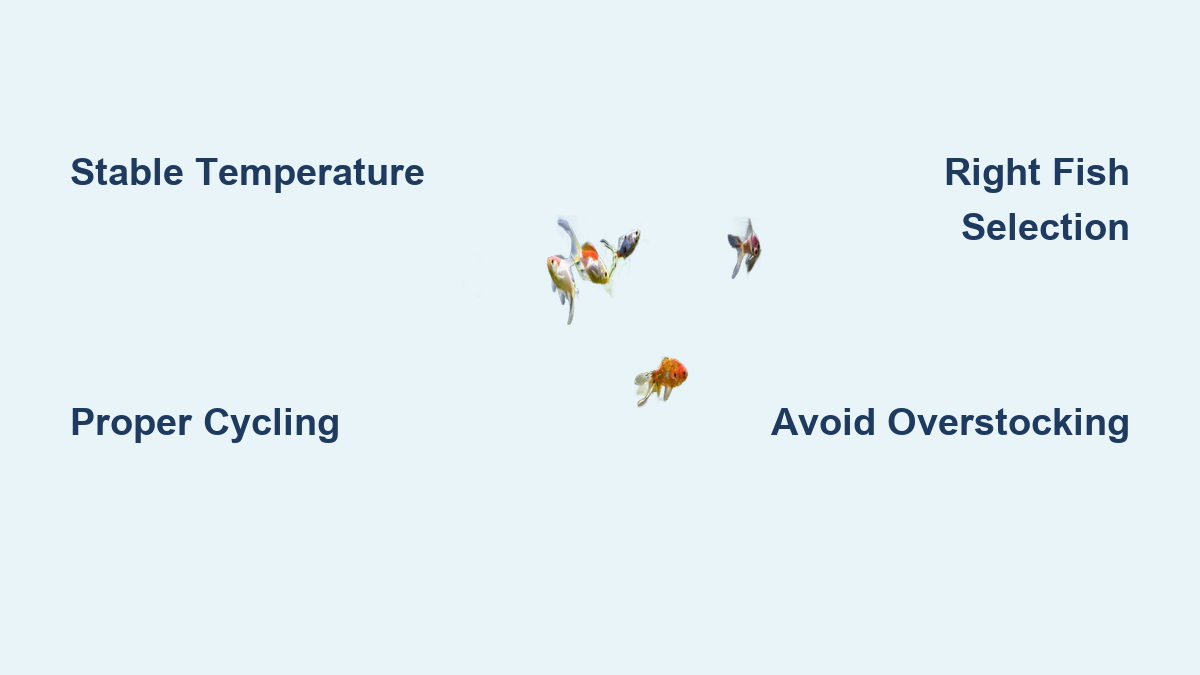
Cold water aquariums fail most often due to temperature swings—not the actual coolness. While many assume “cold” means below 65°F, most temperate fish need consistent conditions between 60-72°F (15-22°C). Fluctuations below 60°F at night or sudden spikes stress fish, weakening their immune systems. That’s why experienced keepers like Flumpweesel in West Virginia keep a heater set to 70°F even in 69°F rooms—it prevents dangerous drops when heating shuts off overnight. Your goal isn’t chasing the lowest temperature but mimicking stable river conditions where these fish evolved.
Should You Use a Heater? The Stability Trade-Off
Yes—if your room drops below 65°F, especially in winter. A 50W heater set to 68-70°F costs pennies daily but prevents lethal swings. Dangerflower’s tank in low-60s rooms proves heaters enable plant growth and fish health. Skip it only if your space stays reliably above 65°F year-round (like Streetwise’s northeast home). Always pair with a thermometer: sudden 5°F+ drops cause more harm than slightly warmer 70°F water.
Critical Temperature Mistakes That Kill Fish
- Confusing “cold water” with “cold-blooded”: Goldfish tolerate cool temps but need stability—never drop below 60°F.
- Ignoring diurnal shifts: Tanks near windows can swing 10°F between day/night. Move away from drafty areas.
- Overestimating hardiness: Zebra Danios handle 65°F, but tropical Rasboras (like Ember Tetras) will get sick below 72°F.
9 Cold Water Fish That Thrive Without a Heater
Forget Bettas—they’re tropical fish requiring 78-80°F and will die in cold setups. The right cold water fish actively prefer cooler temps for breeding and coloration. Based on real keeper experiences, these species flourish at 60-72°F:
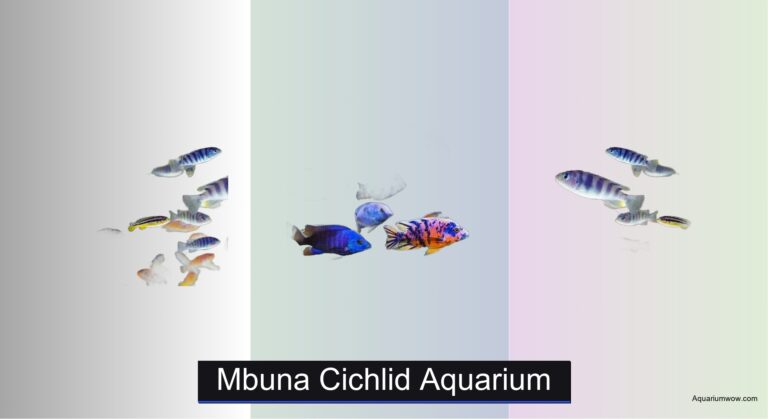
- White Cloud Mountain Minnows: Schooling fish needing 6+ tank mates
- Japanese Ricefish (Medaka): Peaceful, colorful, and hardy
- Zebra Danios & Celestial Pearl Danios: Active swimmers tolerating 64°F+
- Paradise Fish: Vibrant centerpiece fish (but aggressive toward small tank mates)
- Gold Barbs: Robust schoolers perfect for beginners
- Hillstream Loaches: Algae-eaters requiring high oxygen flow
- Panda Corydoras: Bottom-dwellers surviving 65°F+
- Bristlenose Plecos (BN): Algae control at 60-75°F
- Endlers: Can adapt to 68°F+ with stable parameters
Can Paradise Fish Live with Danios? The Compatibility Trap
Paradise Fish are stunning but notorious fin-nippers that will eat tiny fish. JessLynne7’s dilemma—adding them with minnows—ends badly 90% of the time. Do this instead: Pair one Paradise Fish with larger tank mates like Gold Barbs or giant Danios. For small schools, choose peaceful White Clouds (6+ fish) but avoid anything smaller than 1 inch. Always quarantine new fish for 2-3 weeks first—Paradise Fish introduce parasites that wipe out entire tanks.
Essential Equipment: Cold Water Tank Size and Filter Flow Rates
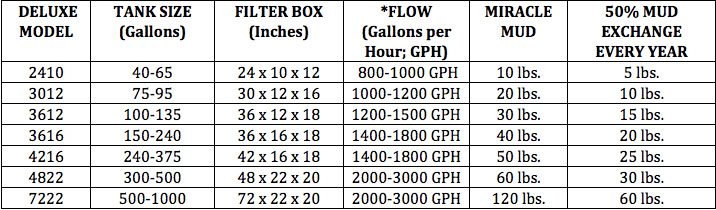
Cold water holds more dissolved oxygen, but fish like Hillstream Loaches need river-like currents. Most beginners under-filter, causing deadly ammonia spikes during cycling.
Choosing the Right Tank Size (10-20 Gallons Minimum)
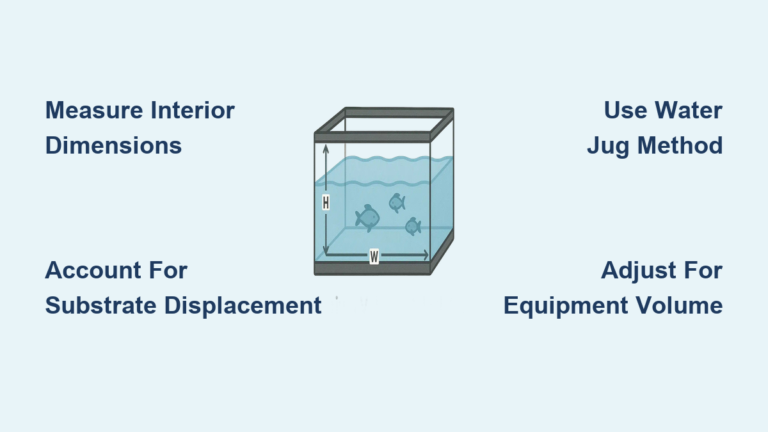
Start with 15+ gallons even for small schools. White Clouds need space to school, and larger volumes resist temperature swings. JessLynne7’s 10-gallon setup failed because Paradise Fish require 20+ gallons to reduce aggression. Never cram fish into “nano” tanks—cold water species are often active swimmers from fast-flowing habitats.
Filter Requirements: Why Flow Rate Matters More
Use filters rated for 3-4x your tank volume per hour (e.g., 150 GPH for 40 gallons). Hillstream Loaches need strong currents, while Panda Corydoras prefer gentle flow. Nabokovfan87’s success with Goldfish proves over-filtering prevents debris buildup in cooler water. Critical tip: Sponge pre-filters protect small fish from getting sucked into intakes.
Step-by-Step Cold Water Tank Setup: From Substrate to Cycling
Preparing Substrate and Decor Without Contamination
Rinse gravel/sand until water runs clear—cloudy substrate crashes water parameters. Add smooth river rocks and driftwood for hiding spots; avoid sharp edges that injure loaches. Place decor before filling to prevent disturbing settled substrate.
Cycling Your Tank in 4-8 Weeks: The Non-Negotiable Process
This step kills most cold water setups. Never add fish before cycling completes:
1. Fill tank, install filter, and add bacterial starter (like Tetra SafeStart)
2. Dose with pure ammonia to 2 ppm daily
3. Test water until ammonia/nitrites hit zero and nitrates appear (4-8 weeks)
Flumpweesel’s tank failed twice by skipping this—fish died from invisible toxins.
Acclimating Fish to Avoid Temperature Shock
Float sealed bags for 20 minutes to match tank temps. Then, add tank water to the bag every 5 minutes for 30 minutes. Never dump fish directly—a 2°F difference stresses cold-water species like Ricefish.
Water Testing and Changes: Critical for Cold Water Oxygen Levels
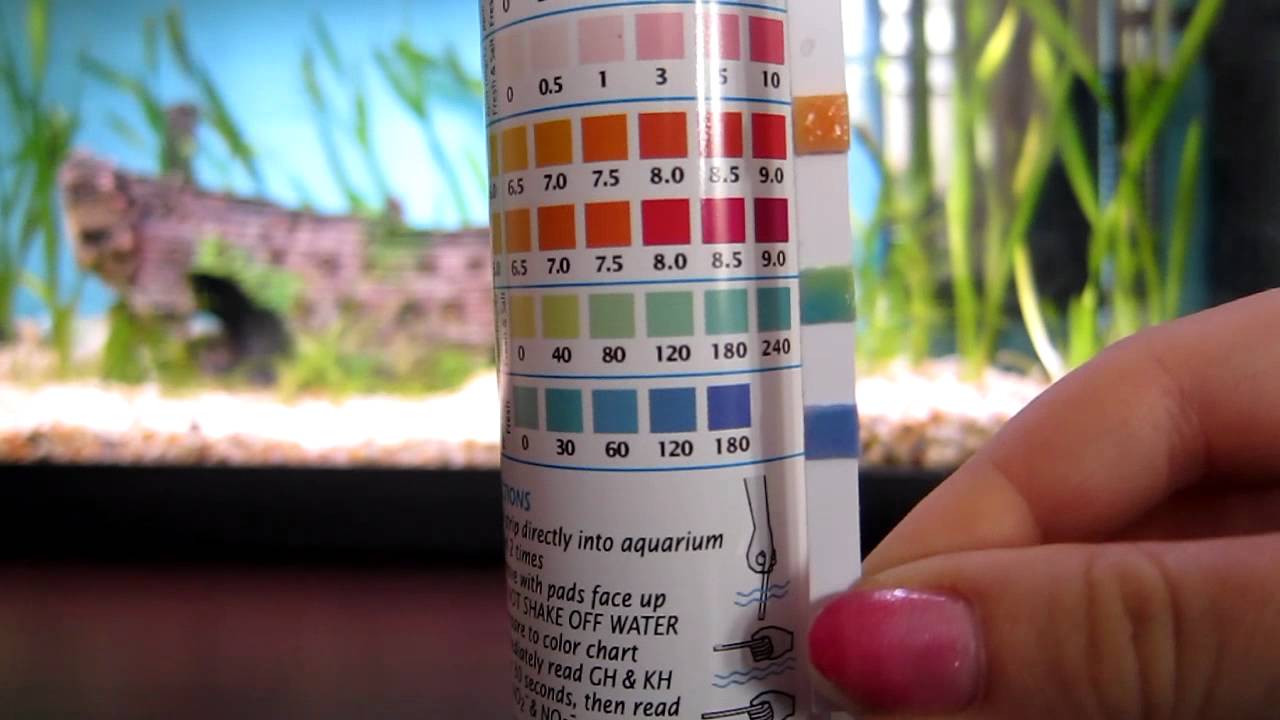
Cold water holds 20% more oxygen than tropical tanks, but poor maintenance negates this advantage. Test weekly for ammonia (must be 0 ppm), nitrites (0 ppm), and nitrates (<40 ppm). Perform 20% water changes weekly—more if nitrates exceed 20 ppm. JessLynne7’s tank stayed healthy only after switching from 10% to 25% changes. Use a gravel vacuum to remove waste without disturbing substrate.
Feeding Cold Water Fish: What Minnows and Loaches Actually Eat
Overfeeding is the #1 cause of cloudy water in cold tanks. Feed once daily with:
– High-quality pellets (Hikari Micro Wafers for loaches)
– Frozen brine shrimp (thawed first) for color enhancement
– Algae wafers for BN Plecos and Hillstream Loaches
Critical rule: Remove uneaten food after 2 minutes. Gold Barbs will gorge themselves into illness.
5 Fatal Cold Water Setup Mistakes You’re Making Right Now

Overstocking Your Tank: Why Cold Water Fish Need More Space
Cold water fish like Danios are active swimmers from rivers—they need twice the space of tropical fish. Never exceed 1 inch of fish per 5 gallons. Overcrowding causes oxygen crashes overnight when temps drop.
Skipping Quarantine: How One Sick Fish Wrecks Your Whole Tank
New fish introduce parasites like Ich, which thrives in stable 70°F tanks. Always isolate in a bare 5-gallon tank for 21 days. Dancing Matt’s forum post proves this prevents 95% of disease outbreaks.
Mixing Tropical “Cold-Tolerant” Fish
Rasboras, Bettas, and Otocinclus cannot survive long-term below 72°F. JessLynne7 almost made this error—stick strictly to the 9 species listed earlier.
Ignoring Nighttime Temperature Drops
Rooms drop 5-10°F after sunset. Without a heater set to 68°F, tanks in drafty areas (like near AC vents) stress fish. Use a smart plug to monitor real-time fluctuations.
Underestimating Algae Growth
Cooler water grows less algae, but Hillstream Loaches require biofilm on rocks. Never scrub all surfaces—leave 30% of decor untouched for natural grazing.
Monthly Maintenance Checklist for a Thriving Cold Water Aquarium
- Daily: Check temps (60-72°F), feed once, remove uneaten food
- Weekly: Test water, do 20% water change, clean 1/3 of filter media in tank water (never tap water)
- Monthly: Scrape half the glass, rotate decor to prevent dead zones, inspect fish for white spots or lethargy
Final Note: A well-set-up cold water aquarium runs cheaper and more sustainably than tropical tanks—but only if you avoid temperature instability and incompatible fish. Start with a 20-gallon tank, cycle religiously, and pair Paradise Fish with Gold Barbs (not tiny minnows). Within 8 weeks, you’ll have a low-maintenance ecosystem where White Clouds dart through driftwood and BN Plecos polish algae off rocks. For species-specific care sheets, check Aquarium Co-Op’s cold water fish guide—your next step to mastering temperate aquariums.