How to Lower GH and KH in Aquarium Water
Your neon tetras are lethargic. Your angelfish won’t breed. Water tests show perfect ammonia and nitrates—but that stubborn KH reading of 12 dKH (215 ppm) is the silent culprit. High carbonate hardness locks your pH at 8.0+, creating a toxic environment for soft-water species. How to lower GH and KH in aquarium systems is the #1 question from aquarists battling hard tap water. This isn’t about chasing perfect numbers—it’s about matching your water chemistry to your fish’s biological needs. In this guide, you’ll discover precisely how to reduce aquarium hardness using proven dilution techniques, avoid dangerous shortcuts, and stabilize parameters within 4–8 weeks.
Why High KH and GH Matter for Sensitive Fish Species
The Hidden Stress of Elevated Carbonate Hardness
KH above 8 dKH (143 ppm) creates a pH prison—trapping your water at 7.8+ even with driftwood or peat. South American tetras, discus, and wild-caught bettas suffer chronic stress as their gills struggle to process oxygen in alkaline conditions. You’ll see rapid gill movement, faded colors, and increased disease susceptibility. General hardness (GH) over 10 dGH (179 ppm) worsens this by depositing scale on heaters and filters while dehydrating soft-water fish through osmotic pressure.
When High Hardness Isn’t Actually a Problem
Stop chasing numbers if your fish thrive. African cichlids, livebearers, and goldfish require high KH/GH. Occasion-Unlucky’s warning is critical: altering stable parameters for “ideal” ranges harms more than helps. Only act if:
– You keep soft-water species (tetras, rasboras, Corydoras)
– KH exceeds 10 dKH (179 ppm) and pH stays above 7.6
– Fish show stress symptoms like gasping or clamped fins
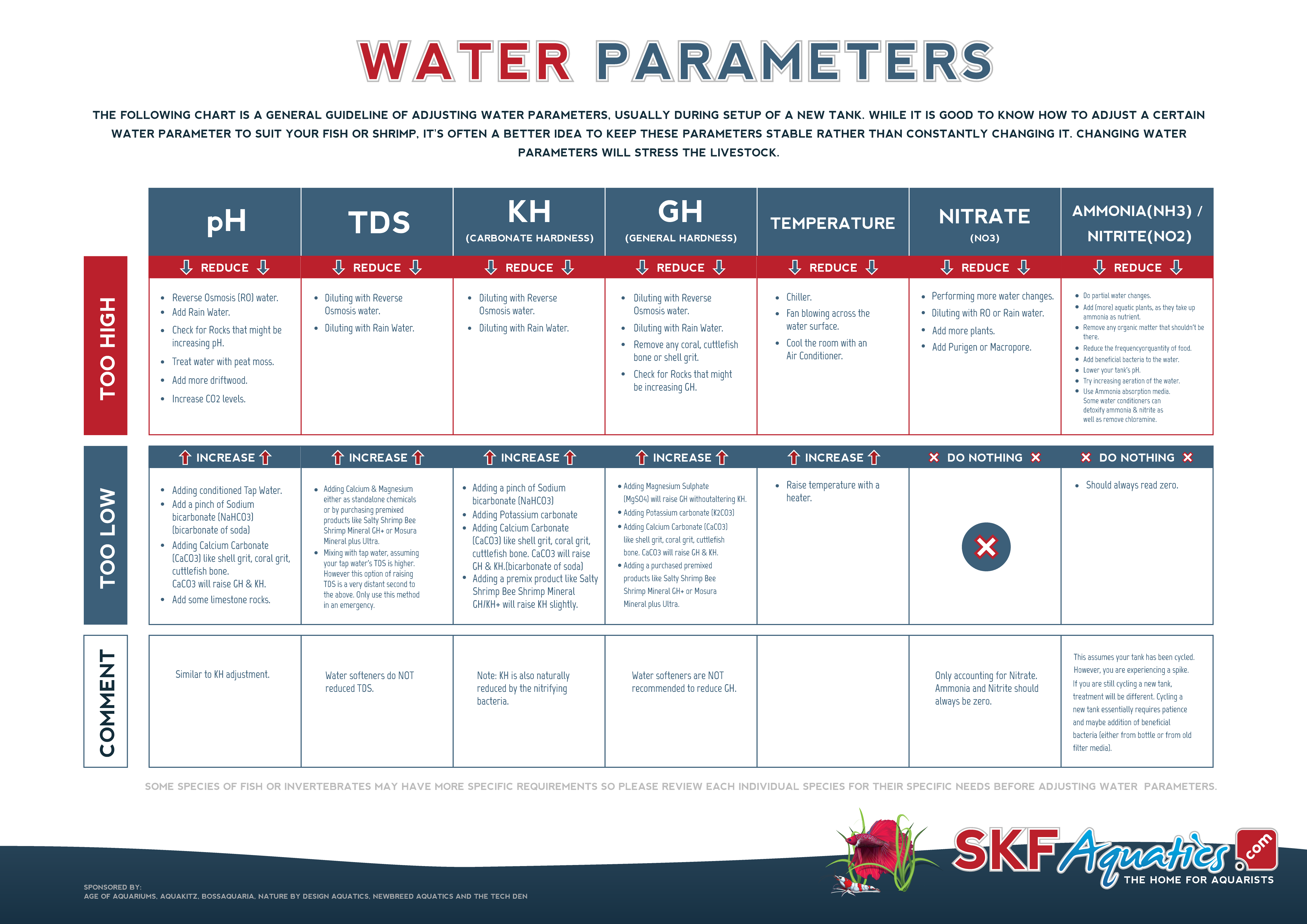
3 Proven Ways to Reduce Aquarium Hardness Safely

Dilute Hard Tap Water with Purified Water (The Only Reliable Method)
This technique cuts mineral content by blending your tap water with zero-hardness sources. Clasik_Wild_’s 300+ ppm KH crisis requires this approach—but never dump RO water directly into your tank.
Step-by-Step Mixing Protocol for Stable Results
- Test source waters separately: Measure KH/GH of your tap water and RO/distilled water (must read 0 KH/0 GH). Critical: Confirm units—ppm KH should be 10x dKH values (e.g., 10 dKH = 179 ppm).
- Calculate your blend ratio: For 300 ppm KH tap water targeting 150 ppm:
– Mix 1 part tap water + 1 part RO water (50/50 blend)
– Test mixture—adjust ratio if needed (e.g., 40% tap/60% RO for lower hardness) - Pre-mix and condition: Add dechlorinator to the blend before use. Never add RO water straight from the container—its 0 TDS shocks fish.
- Replace water gradually: During 25% water changes, use only your pre-mixed water. Pro Tip: karebear66’s “gallon-at-a-time” approach prevents crashes—remove 1 gallon, add 1 gallon of mix, wait 24 hours.
Timeframe: Expect 4–8 weeks to safely lower KH from 12 dKH to 6 dKH with weekly 20% changes. Test KH 24 hours post-change—never rush beyond 1–2 dKH weekly reduction.
Why Direct RO Water Additions Fail (And How to Fix Mistakes)
Adding RO water straight to your tank causes catastrophic parameter swings. If you’ve already done this:
– Immediately stop all additions
– Test KH/pH every 30 minutes
– If KH drops >2 dKH in 2 hours, add 1 teaspoon baking soda per 10 gallons to buffer
– Restore stability before resuming gradual changes
This method is only for emergencies—not routine maintenance.
Why Peat Moss and Driftwood Won’t Solve High KH
Natural materials like peat moss or Indian almond leaves release tannins that slightly acidify soft water—but they’re powerless against hard, alkaline tap water. In Clasik_Wild_’s 300 ppm KH scenario, these methods reduce KH by less than 1 dKH. Save your money: Peat bags create tea-colored water without meaningful hardness reduction when KH exceeds 10 dKH.
Critical Mistakes That Kill Fish During Hardness Reduction

The Salt-Based Water Softener Trap
Never use softened tap water from household softeners. They replace calcium/magnesium with sodium—a lethal toxin for freshwater fish. Your cichlid tank might tolerate it, but tetras and shrimp will die within days.
Vinegar and Lemon Juice: Instant pH Crashes
Adding acids directly to your tank causes uncontrolled pH drops. As [deleted] user warned: acids neutralize KH buffers too effectively. A single teaspoon of vinegar in a 20-gallon tank can crash pH from 8.0 to 6.0 in minutes—suffocating fish.
Commercial “pH Down” Products: False Promises
Liquid pH adjusters like API pH Down contain phosphoric acid that temporarily lowers pH but doesn’t reduce KH. The result? Unstable “pH rollercoasters” where parameters swing wildly between doses. Seachem’s acid buffer system (used correctly in pre-mixed water only) is the exception—but dilution remains safer.
Your 4-Week Action Plan for Stable Hardness Reduction
Week 1: Baseline and Blending
- Test tap water, tank water, and RO water (verify 0 KH/GH)
- Mix 50/50 tap/RO blend—test KH of mixture
- Perform one 15% water change with blend
- Target: No KH drop in tank yet—just establishing safe ratio
Week 2–4: Gradual Parameter Shift
- Increase water changes to 20% twice weekly using your blend
- After each change, test KH 24 hours later
- If KH drops >2 dKH/week: Reduce tap water percentage in blend (e.g., shift from 50/50 to 40/60)
- Add Indian almond leaves only to buffer tannins, not hardness
Week 5–8: Stabilization and Maintenance
- Once at target KH (e.g., 6 dKH for tetras), maintain with 25% weekly changes using your blend
- Test KH monthly—top off evaporated water only with pure RO to avoid mineral creep
- Pro Tip: Store pre-mixed water in 5-gallon containers for instant water changes
Can I Lower KH Without Dropping pH?
No—this is impossible. KH is your pH buffer. Lowering KH always reduces pH stability. The goal is controlled, simultaneous reduction: aim for pH 6.8–7.2 when targeting 4–6 dKH for soft-water species.
When to Stop Trying to Lower GH and KH
If your fish show zero stress symptoms at high hardness—leave parameters alone. Occasion-Unlucky’s advice is golden: chasing textbook numbers destabilizes healthy tanks. Only act when:
– You’re keeping species requiring soft water (check natural habitat data)
– KH exceeds 10 dKH and pH stays above 7.6
– Fish exhibit stress behaviors like rapid gilling or loss of appetite
For hard-water species (guppies, mollies, African cichlids), high KH/GH is essential. Forcing soft water causes fatal osmotic shock.
Final Hardness Reduction Checklist
Before each water change:
✅ Verify RO water reads 0 KH/GH (contaminated RO membranes fail over time)
✅ Pre-mix and dechlorinate water 24 hours ahead
✅ Never alter >20% of tank volume per session
✅ Test KH 24 hours post-change—adjust blend ratio if needed
Lowering GH and KH isn’t about perfection—it’s about creating stability your fish evolved with. By using purified water dilution correctly, you’ll transform hostile hard water into a thriving soft-water ecosystem within 2 months. Remember: gradual changes save lives, while rushed fixes cause crashes. When in doubt, test twice, change once. Your tetras will reward you with vibrant colors and natural schooling behavior within weeks of stable, low-hardness water.
Maintenance Tip: Replace your RO filter membrane annually—expired membranes leak minerals, sabotaging your hardness reduction efforts. Test RO output monthly to catch failures early.