How to Check Oxygen Levels in Aquarium
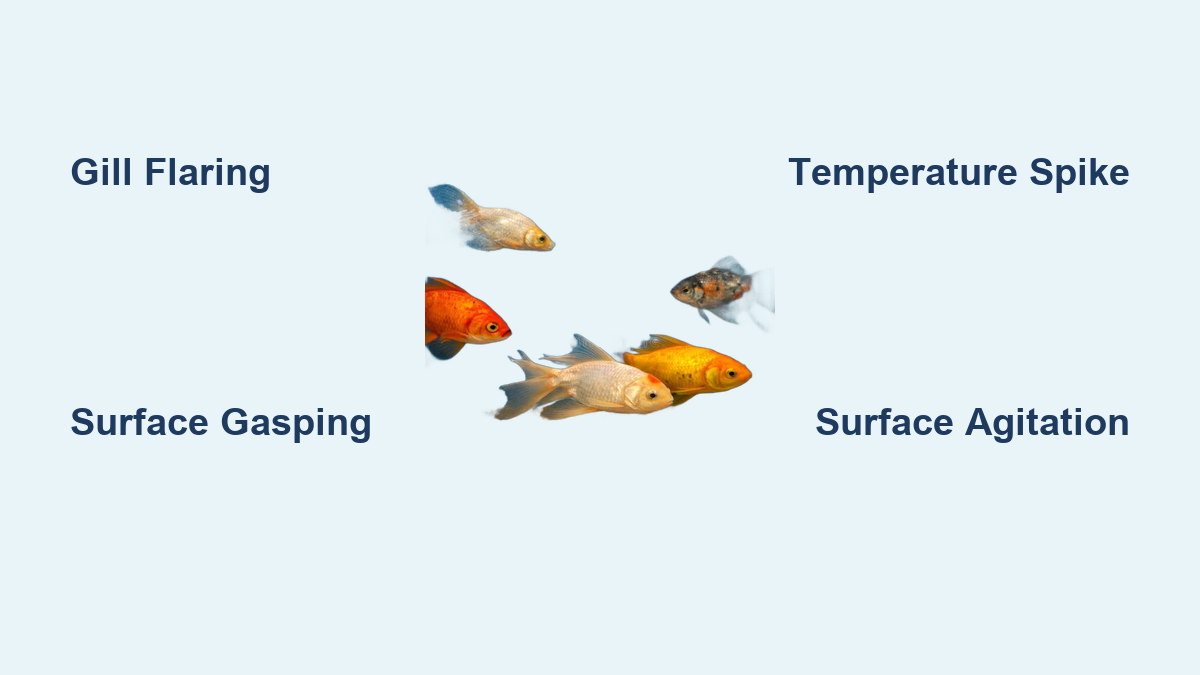
Your neon tetra darts to the top, mouth gaping open and shut like it’s drowning in air. Your usually active guppies hover motionless near the filter output, gills flaring faster than a hummingbird’s wings. These aren’t quirks—they’re oxygen emergencies screaming for your attention. When dissolved oxygen drops below 5 parts per million (ppm), fish suffocate in plain sight, and without knowing how to know if there is enough oxygen in aquarium water, you’re gambling with lives. I’ve seen tanks crash overnight because owners missed the subtle signs before gasping began. In this guide, you’ll learn the exact behavioral red flags, the hidden temperature trap depleting oxygen right now, and emergency fixes that work within 10 minutes. Stop guessing—start observing.
Why Your Betta Gasps at the Waterline Within 24 Hours of Overfeeding
Overfeeding is the silent oxygen killer hiding in your tank. When excess pellets sink and decompose, bacteria multiply exponentially to break them down—consuming dissolved oxygen in the process. Within hours, your betta’s frantic surface-gulping isn’t a plea for food; it’s a survival reflex. Here’s exactly what to watch for:
How to Spot the Critical Oxygen Threshold Before Fish Surface-Gasp
- Gill movement exceeding 120 beats per minute: Count your fish’s gill flaps for 15 seconds. Multiply by 4. If it’s over 120, oxygen is critically low (normal is 60-80 for tropical fish).
- “Piping” behavior: Fish position heads vertically at the surface, sucking air through their mouths while gills stay clamped—a last-ditch effort to extract oxygen.
- Loss of equilibrium: Watch for fish listing sideways or crashing into decorations after brief swims. This indicates neurological oxygen deprivation.
Pro Tip: Shine a flashlight horizontally across the tank at night. If you see fish hovering just below the surface film, oxygen levels are already dangerous. The top 1/8 inch of water holds the highest oxygen concentration when aeration fails.
How a 4°F Heater Malfunction Triggers Oxygen Collapse Overnight
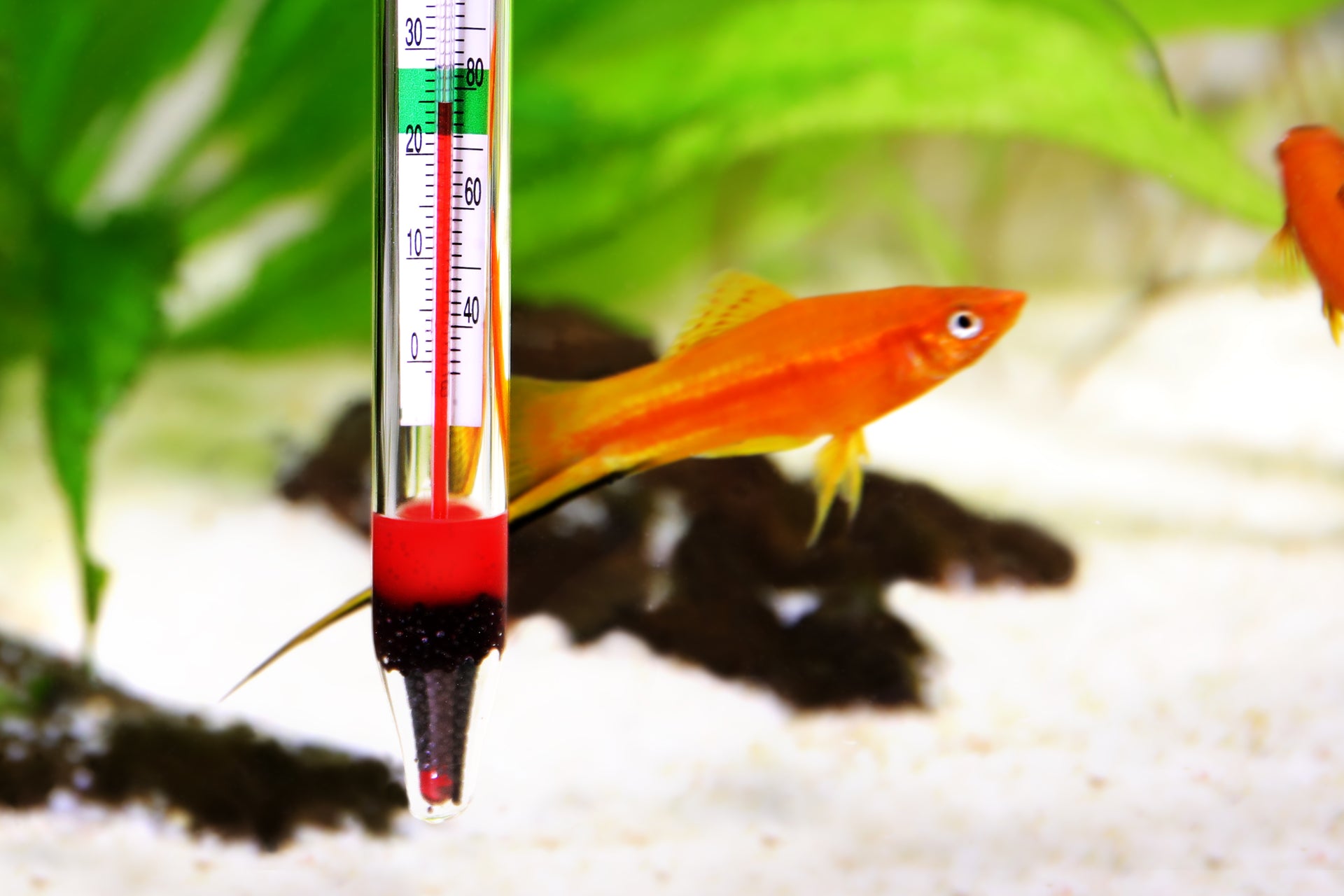
That innocent temperature bump from 75°F to 79°F isn’t just comfortable for your fish—it’s a biological time bomb. Warm water holds up to 20% less dissolved oxygen than cooler water. When your heater spikes just 4 degrees:
– Oxygen saturation plummets from 8.2 ppm to 7.6 ppm in freshwater
– Fish metabolism increases by 15-20%, demanding more oxygen from less available
– Beneficial bacteria work faster, consuming oxygen that should sustain fish
This explains why your fish seem “sluggish” after a room heats up—their gills can’t extract enough oxygen from the depleted water. Sensitive species like discus or hillstream loaches show distress first, often within 2 hours of the temperature shift.
Why Your Planted Tank Suffocates Fish at 3 AM Daily
Live plants produce oxygen via photosynthesis during daylight—but reverse the process at night, consuming oxygen. In heavily planted tanks:
– Oxygen levels peak at sunset (10-12 ppm)
– Drop steadily through the night
– Hit critical lows (3-4 ppm) by 3-5 AM
If your fish cluster near air stones only at dawn, this cycle is the culprit. Test this by turning on tank lights at 2 AM—within 15 minutes, fish should disperse as plants restart oxygen production.
Emergency Oxygen Rescue: 3 Fixes That Work in Under 10 Minutes
When fish gasp at the surface, you have 60-90 minutes before irreversible damage occurs. These immediate interventions buy critical time:
How to Create Instant Surface Agitation With Household Items
- The Spoon Method: Hold a large spoon under your filter outflow. Angle it to splash water horizontally across the surface—not downward. This breaks the surface tension, allowing 300% more oxygen exchange within 5 minutes.
- DIY Air Pump Alternative: Submerge a clean cup near the tank wall. Rapidly tilt it back and forth to create bubbles. The turbulence pulls oxygen into the water column faster than waiting for store-bought equipment.
- Targeted Water Change Protocol: Pour 15% dechlorinated water slowly down a clean ruler held against the glass. This avoids disturbing substrate while introducing oxygen-rich water directly where fish congregate.
Critical Warning: Never add cold tap water during emergencies. Match temperature within 1°F using a thermometer—shock from sudden cooling kills faster than low oxygen.
Why Your Air Stone Fails to Fix Oxygen (And the 1 Critical Placement Mistake)
Most hobbyists install air stones incorrectly, wasting energy while oxygen levels stay low. The problem? Bubbles rising vertically from the tank bottom create minimal surface disruption. Oxygen transfer happens only when bubbles burst at the surface.
The Surface Agitation Formula That Doubles Oxygen Levels
- Position air stones within 1 inch of the surface: Bubbles pop immediately upon reaching the top, maximizing gas exchange.
- Angle filter outputs horizontally: Water should ripple like a gentle rainstorm across the entire surface—not create a single whirlpool.
- Add a surface skimmer: A $10 sponge filter floating at water level removes biofilm that blocks oxygen diffusion.
Test your setup: Place a drop of food coloring on the water. If it disperses across the entire surface within 15 seconds, agitation is optimal. If it pools in one area, oxygen distribution is uneven.
How Overstocking Turns Your 20-Gallon Tank Into an Oxygen Death Zone
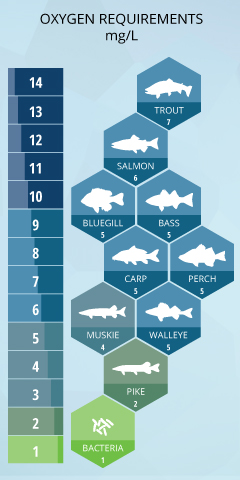
The “1 inch of fish per gallon” myth causes 80% of oxygen emergencies. Real oxygen demand depends on:
| Fish Type | Oxygen Consumption | Safe Stocking Density |
|—————–|——————–|————————|
| Goldfish | Very High | 1 fish per 20 gallons |
| Guppies | Moderate | 10 fish per 15 gallons |
| Corydoras | Low | 15 fish per 10 gallons |
Overstocked tanks show oxygen depletion within 2 hours of feeding. Measure your tank’s bioload by timing how long it takes for uneaten food to sink. If it reaches the bottom in under 30 seconds, oxygen is already being consumed by excess waste.
Why Cleaning Your Filter Crashes Oxygen (The 72-Hour Rule)
Ripping out a clogged filter seems logical—but you’re destroying the oxygen-producing bacteria colony. Beneficial bacteria consume 30-50% of tank oxygen during waste processing. When you clean the entire filter at once:
– Ammonia spikes within 24 hours
– Bacteria die off, reducing oxygen production
– Decomposing dead bacteria further depletes oxygen
Safe Filter Maintenance Protocol
- Never clean filter media in tap water—chlorine kills bacteria. Use tank water removed during water changes.
- Replace only 1/3 of media at a time (e.g., swap one sponge weekly).
- Wait 72 hours between water changes and filter cleanings to avoid compounding oxygen stress.
Preventing Oxygen Emergencies: The Daily 30-Second Tank Check
Make oxygen monitoring effortless with this routine:
– Morning: Observe fish for 15 seconds. Normal gill movement should be barely visible.
– After feeding: Watch for food sinking past mid-water column. If it does, reduce portions by 25%.
– Night: Shine a phone flashlight across the surface. No visible biofilm = optimal gas exchange.
Pro Tip: Tape a small mirror above the tank. If you see fish reflected at the surface, oxygen is marginal even if they aren’t gasping yet.
When to Test Oxygen Levels (And the $8 Tool That Beats Guesswork)
Behavioral signs work until they don’t. For sensitive species (discus, cardinal tetras) or breeding tanks, use a dissolved oxygen test strip ($8 online). Dip for 10 seconds—color change shows exact ppm:
– 5-7 ppm: Safe for most fish
– 3-5 ppm: Emergency—activate aeration immediately
– <3 ppm: Lethal within hours
Test monthly, or immediately after:
– Tank upgrades (adding fish/plants)
– Summer heatwaves (room temps >80°F)
– Medication treatments (some drugs consume oxygen)
Key Oxygen Survival Takeaways
– Gasping at the surface is the final warning—gill flaring and lethargy begin 12+ hours earlier.
– A 4°F temperature rise is equivalent to removing 20% of your tank’s oxygen—monitor heaters religiously.
– Surface agitation matters more than air stones—ripples across the entire waterline are non-negotiable.
– Never clean filters and change water on the same day—this triggers 70% of preventable oxygen crashes.
Your aquarium’s oxygen level isn’t a mystery—it’s written in your fish’s every movement. That angelfish hovering near the filter? It’s pinpointing the only oxygen-rich zone left. The rasbora ignoring food? Its body is shutting down non-essential functions to survive. By mastering these behavioral diagnostics and emergency protocols, you transform from a passive observer to an oxygen guardian. Check surface agitation today, count gill movements tonight, and within 48 hours, you’ll see the difference in vibrant, active fish. Because how to know if there is enough oxygen in aquarium water isn’t just knowledge—it’s the lifeline between a thriving ecosystem and a silent tank.