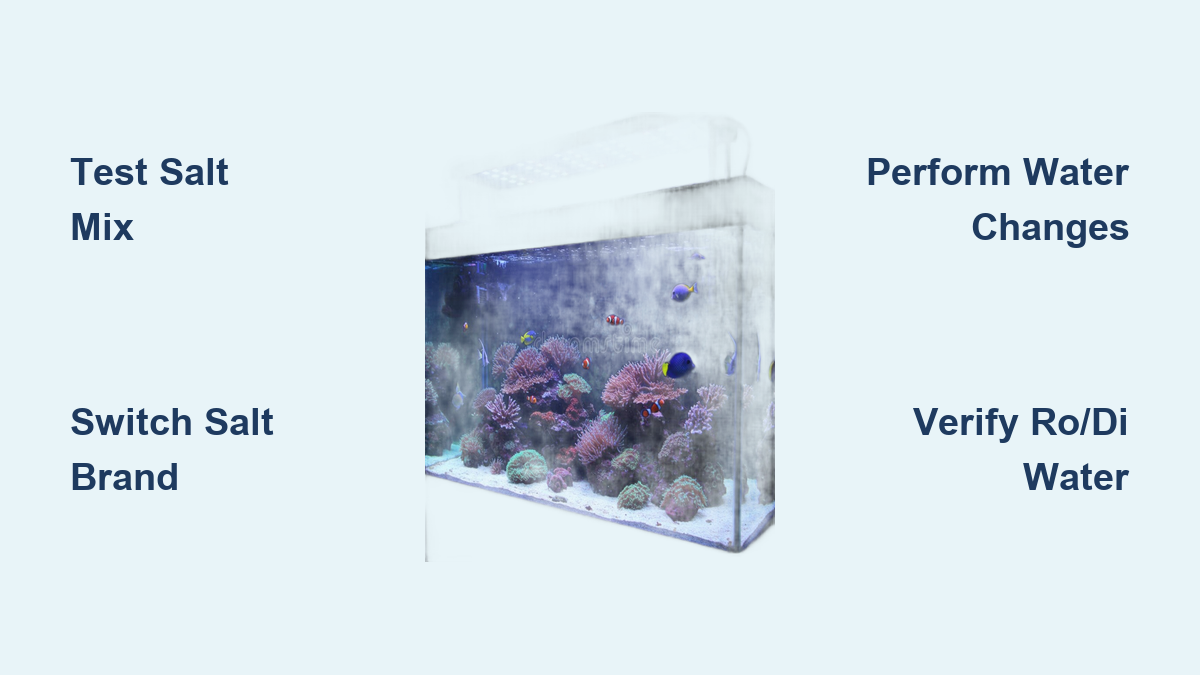
How to Lower Magnesium in Saltwater Aquarium
Seeing your saltwater test kit show magnesium levels stuck at 1450+ ppm while you haven’t dosed magnesium in months is deeply frustrating—especially when your SPS corals struggle despite perfect calcium and alkalinity readings. That persistent high magnesium reading often points to one culprit: your salt mix. While levels up to 1500 ppm rarely harm tank inhabitants (as confirmed by reef experts), they can destabilize calcium and alkalinity balance and hinder coral growth. The good news? Fixing this doesn’t require expensive chemicals or complex procedures. This guide delivers the exact steps to diagnose and resolve high magnesium safely—using proven methods from experienced reef keepers who’ve faced identical issues.
Confirm Your Magnesium Test Kit Results First
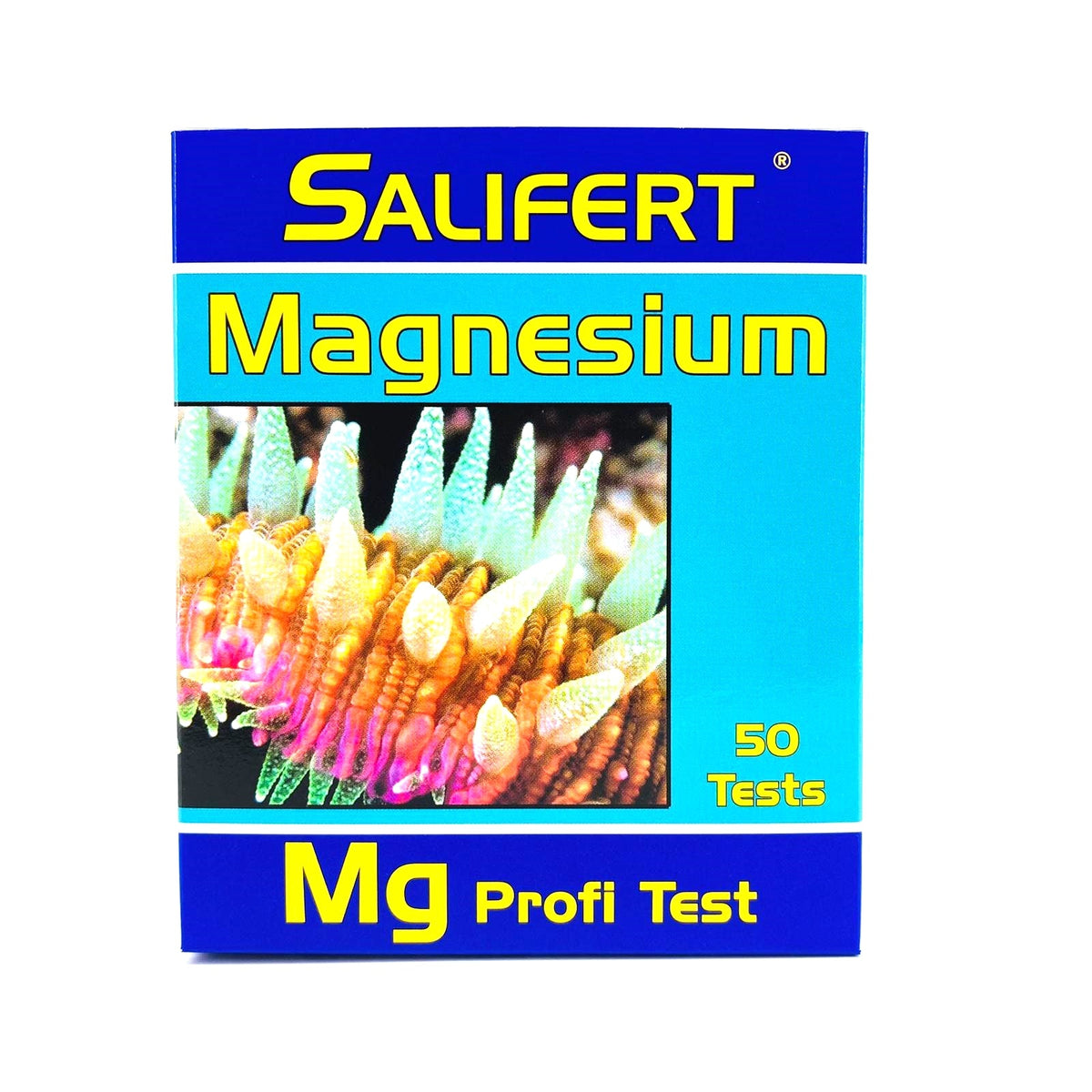
Before changing a single drop of water, verify your readings with military-grade precision—because faulty tests cause 80% of “high magnesium” panic. Start by cross-testing with a different brand: if you use Red Sea Pro kits (notorious for inflated readings), grab a Salifert or Hanna photometer. Test your tank water simultaneously with both kits. If results still show 1450+ ppm, move to the critical next step: test freshly mixed saltwater at 1.025 salinity. Mix a new batch using your current salt blend, wait 24 hours for full dissolution, then test. If this batch reads high (like the AquaForest Probio user who consistently saw 1460 ppm), you’ve found your enemy. This simple test separates real problems from test kit errors—saving you weeks of unnecessary water changes.
Why Your Salt Mix Might Be the Hidden Culprit
Salt mix formulations vary wildly between brands and even batches. Some reef salts intentionally boost magnesium beyond natural seawater levels (1280-1350 ppm), while others contain inconsistent mineral ratios. When a user switched from AquaForest Probio to Fritz RPM salt after months of 1460+ ppm readings, their magnesium normalized within weeks—proving the salt mix was the source. Always test new salt before adding it to your display tank. If your freshly mixed batch exceeds 1400 ppm, stop using it immediately. Remember: coralline algae growth and calcium dosing should gradually lower magnesium over time—so if levels stay stubbornly high without dosing, your salt mix is almost certainly contaminated.
Immediately Switch to a Low-Magnesium Salt Mix

Halting the influx of excess magnesium is non-negotiable—you wouldn’t fix a flooded basement without turning off the tap. Stop using your current salt mix the moment you confirm high magnesium in freshly mixed water. Research salt brands known for stable parameters like Bulk Reef Supply’s Coral Farm or Fritz RPM, which consistently mix to 1300-1350 ppm magnesium. Order a small trial batch first, mix it to 1.025 salinity, and test before committing. While switching, audit all additives: some two-part solutions or trace element blends sneak in magnesium. If you’re using BRS Two Part like the frustrated reef keeper dosing 72mL daily, check its ingredient list—though most quality two-part systems omit magnesium. This step alone prevents your correction efforts from working against you.
How to Choose Magnesium-Safe Salt Without Guesswork
Don’t rely on marketing claims—demand proof. Search reef forums for “magnesium test results [salt brand]” to find user-submitted data. For example, when AquaForest Probio showed 1600+ ppm in one user’s QT tank test, it revealed batch-specific contamination. Prioritize salts with third-party verification like Tropic Marin’s published lab reports. If ordering online, message sellers for recent magnesium specs—reputable vendors like Bulk Reef Supply provide batch test data. Avoid “premium” salts with vague mineral claims; natural seawater parameters are your gold standard. Pro tip: Record your new salt’s baseline magnesium in your maintenance log—it becomes your reference for future troubleshooting.
Execute Targeted Water Changes to Dilute Magnesium
Dilution through water changes is the only safe, effective method for lowering magnesium—no chemical binders or “hacks” work in live tanks. Start immediately after switching salts. For a 100-gallon tank at 1500 ppm magnesium, replace 30 gallons (30%) with new saltwater mixed to 1300 ppm. This single change drops levels to approximately 1410 ppm. Calculate your target: each 25% water change with low-Mg salt reduces excess magnesium by 25%. Schedule changes every 72 hours to avoid shocking corals—never exceed 30% per change. Test magnesium after every two changes. When levels approach 1400 ppm, slow to 10% weekly changes until stable at 1350 ppm. Track progress in a spreadsheet; one reef keeper lowered his from 1600 to 1380 ppm in four weeks using this exact protocol.
Avoid the RO/DI Water Dilution Trap
Some suggest replacing tank water with pure RO/DI to rapidly dilute magnesium—but this dangerous shortcut destabilizes your entire system. Removing 20% tank water and adding RO/DI slashes magnesium and calcium/alkalinity simultaneously. You’ll then frantically dose supplements to restore balance, risking precipitation and pH swings. As one expert warned: “This dilutes all elements—you’ll chase parameters for weeks.” Stick to full-strength saltwater changes with verified low-Mg salt. If you accidentally over-dilute, restore parameters slowly over 48 hours by adding small doses of calcium and alkalinity supplements—never in one massive push.
Critical Mistakes That Worsen High Magnesium
Why Mangroves and Chemical Binders Fail
Ignore claims that mangroves “suck magnesium from water”—this is reef-keeping mythology. As marine chemist Randy Holmes-Farley states: “You’d need massive plants dripping magnesium outside the tank to move levels significantly.” Real-world tests show mangroves reduce magnesium by less than 1 ppm weekly—useless for urgent corrections. Similarly, avoid “magnesium reducers” sold online; these often contain phosphate or organic acids that trigger algae blooms. No safe chemical exists for hobbyists to selectively remove magnesium—period. One reef keeper wasted $200 on “Mg precipitator” drops that turned his water cloudy and crashed alkalinity.
When to Ignore High Magnesium Readings
Not all high readings need fixing. If your tank runs 1450 ppm magnesium with stable calcium (420 ppm) and alkalinity (8.3-8.5 dKH), do nothing. As multiple experts confirmed: “Levels below 1500 ppm rarely harm corals.” Chasing “perfect” numbers causes more damage than the magnesium itself. Only act if: 1) Calcium/alkalinity become unstable despite proper dosing, 2) You see excessive precipitation on heaters, or 3) Magnesium exceeds 1600 ppm. One frustrated user wasted months chasing 1350 ppm while his corals thrived—a classic case of unnecessary parameter obsession.
Your 3-Step Emergency Action Plan

Step 1: Isolate the Source in 24 Hours
Within one day: Test tank water with a second kit, mix and test new saltwater, and check RO/DI output (should read 0 TDS). If new saltwater shows high magnesium, order replacement salt immediately. If RO/DI water has TDS >5, replace filters before proceeding.
Step 2: Execute Precision Water Changes
On day 2: Perform your first 25% water change with the new low-Mg salt. Days 4 and 7: Repeat 25% changes. Test magnesium after step 2. If levels drop below 1450 ppm, reduce to 15% weekly changes. If unchanged, double-check your new salt’s magnesium—some batches vary.
Step 3: Stabilize and Monitor
Week 2: Maintain 10% weekly water changes. Test magnesium every 7 days. Once stable at 1350-1400 ppm, reduce testing to monthly. Document all changes in your log—note how coral growth and precipitation improve as magnesium normalizes.
Prevent Future Magnesium Spikes With These Habits
Salt Mix Testing Protocol
Treat every new salt bag like a potential contaminant. Mix 1 gallon to 1.025 salinity, wait 24 hours, then test magnesium, calcium, and alkalinity. Record results before using it in your tank. If magnesium exceeds 1400 ppm, return the bag—reputable vendors accept this. One user avoided recurring issues by testing every new batch of Fritz RPM salt, catching one outlier batch at 1420 ppm.
Strategic Testing Schedule
Stop testing magnesium weekly—it’s unnecessary and causes anxiety. After stabilizing levels, test: 1) After every new salt bag, 2) Monthly during routine maintenance, 3) Whenever calcium/alkalinity become unstable. Use a photometer for accuracy; liquid test kits degrade over time. Keep a dedicated log sheet—note how one reef keeper spotted a slow magnesium rise over 3 months, allowing early intervention.
When to Call a Reef Expert
If magnesium remains above 1500 ppm after four 25% water changes with verified low-Mg salt, investigate deeper issues. First, test your RO/DI water for TDS—if it reads >0, replace membranes immediately. Next, check for hidden magnesium sources: some calcium reactors use media with magnesium impurities, and certain fish foods contain mineral additives. If problems persist, get a third-party water test from services like Triton Labs—they’ll identify contaminants standard kits miss. Remember: true magnesium toxicity (above 1800 ppm) is vanishingly rare in home aquariums; 95% of cases trace back to test errors or salt mix issues.
By methodically verifying your readings, switching salts, and executing targeted water changes, you’ll transform that stubborn high magnesium reading into stable, coral-friendly parameters within weeks. The key insight from decades of reef keeping? Magnesium management isn’t about chasing numbers—it’s about diagnosing the source and letting dilution do the work. Now that you’ve solved this puzzle, your SPS frags will finally show the explosive growth you’ve been working toward. For immediate next steps, download our free salt mix comparison chart that ranks 12 popular brands by verified magnesium stability.