How to Lower KH in Aquarium Water
High KH (carbonate hardness) is the silent killer of aquarium stability. When your KH climbs too high, it locks your pH in an alkaline state, making it impossible to create ideal conditions for sensitive species like discus or cardinal tetras. You might notice your fish gasping near the surface, plants struggling to absorb nutrients, or frustrating pH swings after water changes. This isn’t just about hitting a target number—it’s about preventing deadly alkalinity crashes that can wipe out your entire tank overnight. By learning how to bring down KH in aquarium systems safely, you’ll transform unstable water into a thriving ecosystem where fish display vibrant colors and plants flourish.
The key lies in understanding that KH acts as your water’s pH buffer. Too much (above 8 dKH for most community tanks) prevents necessary pH adjustments, while dropping it too fast causes catastrophic crashes. This guide cuts through the confusion with field-tested methods used by professional aquarists. You’ll discover exactly how to reduce KH by 1-2 dKH per week—never risking your fish’s health—while maintaining rock-solid stability. No more guessing: you’ll have a clear roadmap to achieve your target KH whether you keep soft-water tetras or hardy livebearers.
Why High KH Causes pH Swings That Stress Your Fish
High KH doesn’t just make water “hard”—it creates a ticking time bomb for pH stability. When carbonate levels exceed 8 dKH, your water becomes resistant to pH changes, trapping it in an alkaline state (pH 7.8+). This suffocates oxygen-loving fish like neon tetras and blocks nutrient uptake in planted tanks. But the real danger comes during water changes: if your tap water has higher KH than your tank, each change sends pH soaring. Conversely, if you attempt rapid KH reduction, pH plummets overnight.
Critical red flags your KH is too high:
– pH consistently above 7.8 despite adjustments
– White crust forming on tank glass or equipment
– Fish gasping at surface even with good aeration
– Plants developing yellow leaves despite fertilization
Diluting Tap Water with RO/DI: Hit Target KH in 3 Weeks
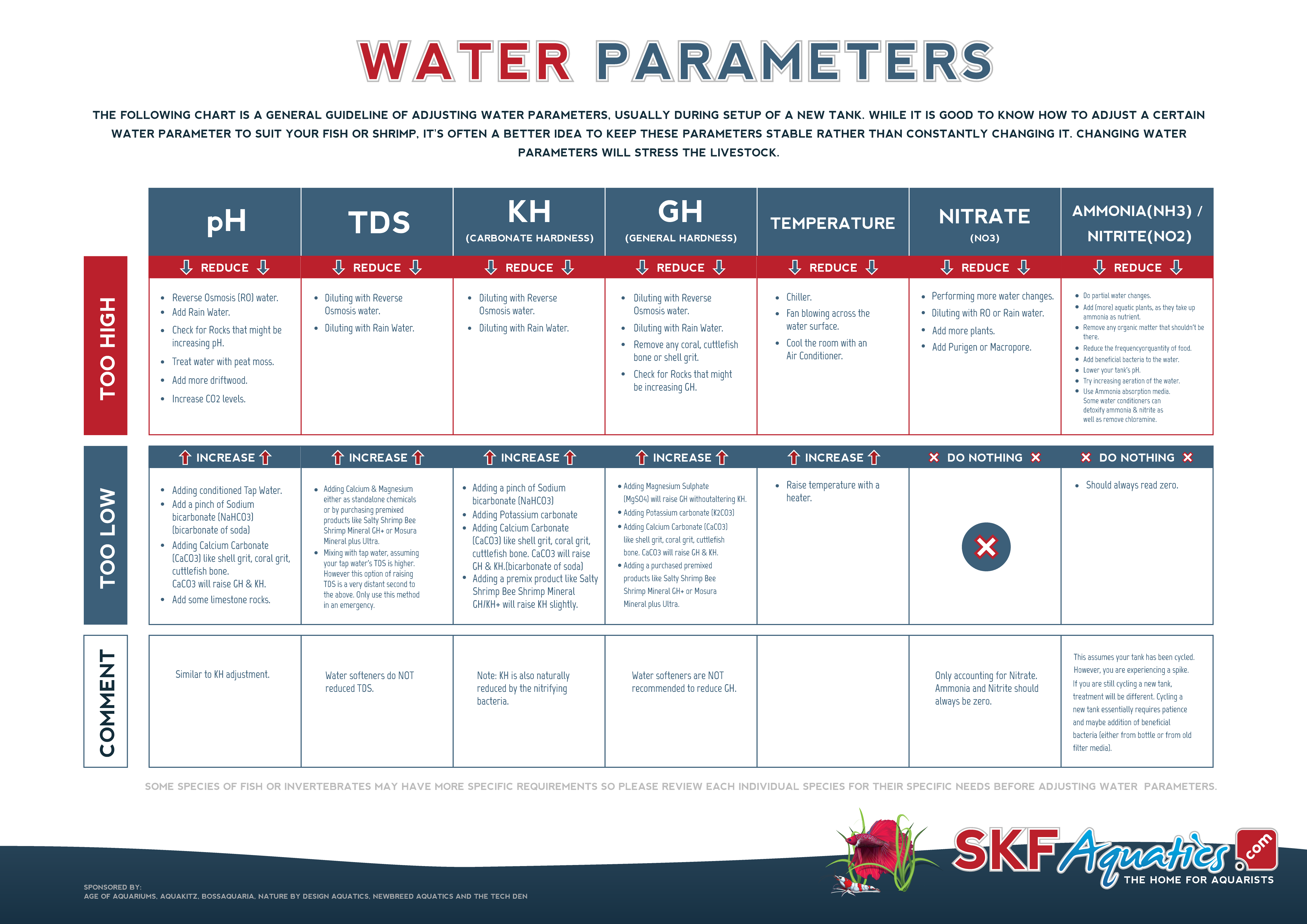
This method gives precise control without chemical risks. You’ll blend your hard tap water with purified water to create the exact KH your fish need.
Execute Your Custom Water Blend
- Test both sources: Measure your tap water KH and confirm RO/DI water reads 0 dKH
- Calculate ratios: For 50% KH reduction, mix equal parts tap and RO water (e.g., 2.5 gallons each for 5-gallon changes)
- Pre-condition: Always add dechlorinator to the mix before introducing to tank
- Verify first: Test the blended water’s KH—never add untested water to your aquarium
Pro tip: Maintain consistency by labeling your mixing container with the exact ratio (e.g., “3:2 RO:Tap = 4 dKH”). This prevents accidental KH swings when you’re tired or rushed.
Peat Moss Filtration: Natural KH Reduction for Planted Tanks
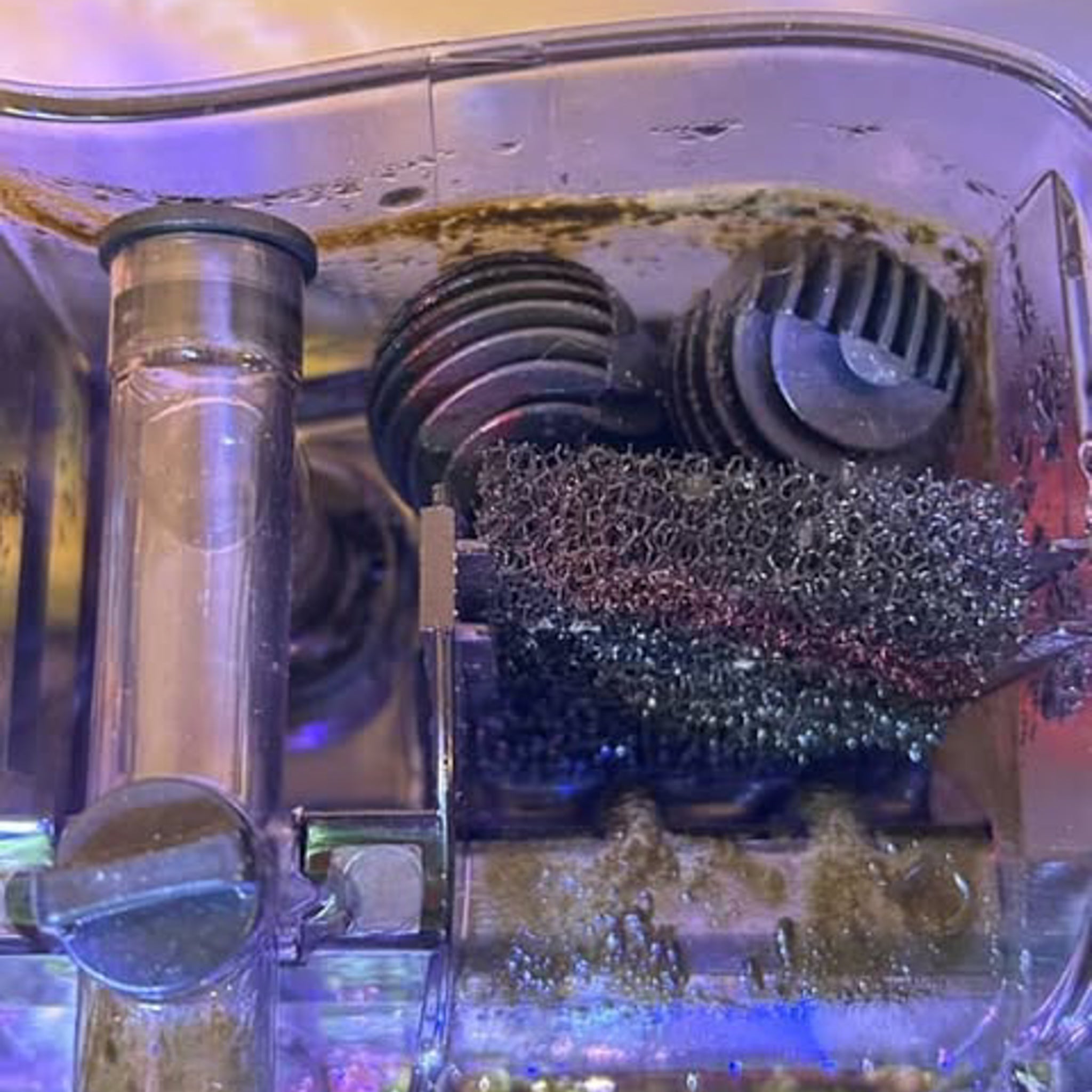
Peat moss slowly releases tannic acids that neutralize carbonates—ideal for blackwater biotopes but requires careful monitoring.
Install and Maintain Peat Correctly
- Placement: Add 1 cup of rinsed peat moss to your filter media basket per 20 gallons
- Effect timeline: Expect 0.2-0.5 dKH reduction weekly—too slow for emergencies but perfect for maintenance
- Visual cue: Water develops light tea color within 72 hours (indicates active tannins)
- Critical adjustment: If KH drops faster than 0.5 dKH/week, reduce peat by 25%
Warning: Never use peat in tanks with snails or shrimp—tannins accelerate shell erosion below 3 dKH.
Chemical Buffer Dosing Protocol: Never Exceed 2.0 dKH Daily Drop
Commercial buffers like Seachem Acid Buffer work fast but demand military precision. One overdose can crash pH below 6.0 overnight.
Safe Application Checklist
- ✅ Always dose into new water—never directly into established tanks
- ✅ Dilute 1 tsp per 10 gallons in separate container first
- ✅ Wait 2 hours before testing—reactions aren’t instantaneous
- ✅ Stop immediately if KH drops more than 2.0 dKH in 24 hours
Emergency signal: If fish show rapid gilling or erratic swimming within 30 minutes of water change, perform 20% tap water change immediately.
Step-by-Step KH Reduction: 1-2 dKH Drops Per Water Change

Rushing KH reduction is the #1 cause of tank crashes. Follow this battle-tested schedule:
Week 1: Establish Baseline
- Test KH daily before water changes
- Start with 25% RO/tap mix (e.g., 1.25 gal RO + 3.75 gal tap for 5-gal change)
- Target: Max 1.0 dKH reduction from starting point
Week 2: Gradual Adjustment
- Increase RO ratio to 50% if no fish stress observed
- Test KH 24 hours post-change—adjust ratios if dropping too fast
- Critical: Maintain identical water temperature (±1°F) to prevent thermal shock compounding KH stress
Week 3: Stabilization
- Lock in ratio that achieves target KH (e.g., 60% RO for 4 dKH)
- Switch to weekly 20% changes with this mix
- Monitor for 72 hours—stable KH means success
Emergency Baking Soda Fix for KH Below 2 dKH
If KH crashes below 2 dKH (common with overzealous RO use), act within 30 minutes:
- Immediate 25% water change using untreated tap water
- Dissolve ¼ tsp baking soda per 10 gallons in cup of tank water
- Pour slowly near filter outflow over 10 minutes
- Retest KH hourly until above 3 dKH
Never skip: Aeration must double during recovery—low KH reduces oxygen solubility by 30%.
4 Critical Mistakes That Crash Your Aquarium Cycle
Avoid these KH-reduction errors that destroy beneficial bacteria:
- Ignoring GH-KH balance: Using pure RO water without remineralization crashes osmotic pressure—add Seachem Replenish at ½ tsp/20 gal to maintain 4+ dGH
- Changing decor mid-process: Limestone rocks or coral sand will sabotage efforts—replace with inert slate or quartz before starting
- Skipping temperature matching: >2°F difference between new and tank water causes physiological shock—use aquarium heater in mixing container
- Testing with strips: Inaccurate strip readings lead to overcorrection—invest in API Liquid KH Test Kit ($12)
Daily KH Monitoring: Catching Problems Before Fish Show Stress
Professional aquarists test KH twice daily during adjustment phases. Here’s your monitoring protocol:
Morning routine:
– Test KH before lights on (baseline)
– Check fish for clamped fins or lethargy
– Verify RO system output is 0 dKH
Evening routine:
– Test KH 1 hour after lights off (peak CO2 impact)
– Compare to morning reading—>0.5 dKH swing requires intervention
– Log all data in free apps like Aqua Manager
Action threshold: If KH varies >1.0 dKH between tests, reduce water change volume by 50% next time.
Species-Specific KH Targets: Discus vs. Tetras vs. African Cichlids
Your fish’s survival depends on matching their natural habitat:
- Discus & wild cardinals: 1-3 dKH (use 70% RO mix)
- Neon tetras & angelfish: 3-6 dKH (50% RO mix)
- Livebearers & goldfish: 8-12 dKH (no reduction needed)
- African cichlids: 10-15 dKH (adding KH if necessary)
Critical exception: Never lower KH below 4 dKH in planted tanks—CO2 injection becomes lethal below this threshold.
Final Stability Protocol: Maintaining Your Target KH Long-Term
Achieving target KH is only half the battle—stability determines long-term success. Immediately implement these habits:
- Water change consistency: Use identical RO/tap ratios every time—even during vacations
- Monthly equipment check: Replace RO membranes annually (clogged membranes pass carbonates)
- Emergency kit: Keep baking soda, API KH test kit, and pre-mixed water by tank
- Behavior watch: Flashing or surface gasping means KH instability—test immediately
Pro maintenance tip: Add 1 Indian Almond Leaf per 10 gallons monthly—it buffers small KH fluctuations while releasing beneficial tannins.
Lowering KH isn’t about chasing perfect numbers—it’s about creating unshakeable stability where aquatic life thrives. By implementing these precise, fish-safe methods, you’ll transform KH from a constant headache into a mastered parameter. Remember: a stable 5 dKH with zero swings outperforms a “perfect” 3 dKH that crashes weekly. Start with RO dilution today, monitor like a pro, and within three weeks, you’ll see brighter fish, healthier plants, and water that stays predictably balanced. Your aquarium’s journey to stability begins with the very next water change.