Neon Tetra Lifespan in Aquarium: How Long They Live
Your neon tetras shouldn’t fade after just 12 months. While many aquarium guides claim these shimmering fish live “2-3 years,” the truth is shocking: poor care cuts their lifespan in half, while optimized conditions let them thrive for 5-8 years. Most hobbyists unknowingly sabotage their tetras with unstable water, inadequate schooling, and mass-bred genetics. This guide reveals exactly how to maximize neon tetra longevity using aquarium-tested protocols—not generic advice. You’ll learn why your local pet store tetras die young, the specific water parameters that add years to their lives, and the feeding schedule proven to prevent fatal bloating. Stop replacing fish every year and start building a vibrant school that dazzles for half a decade.
Why Your Neon Tetras Die Before 3 Years (It Starts at the Breeder)
The genetic lottery determines your tetra’s potential lifespan before it even enters your tank. Mass-produced neon tetras from commercial farms often carry weakened immune systems due to inbreeding and overcrowded breeding ponds. These fish frequently collapse at 18-24 months from preventable diseases, no matter how carefully you maintain your aquarium.
How to Spot Longevity-Ready Neon Tetras at Purchase
- Observe activity levels: Reject lethargic fish hiding at the tank bottom. Healthy specimens swim actively in tight schools with bright blue stripes that flash under light.
- Check for deformities: Avoid fish with curved spines (early NTD sign) or frayed fins indicating fin rot from poor quarantine.
- Ask specific breeder questions: “Are these F2 or later generation captive-bred?” and “Have parents lived past 4 years?” Reputable breeders track lineage.
The Lifespan Gap: Source Comparison
| Source Type | Expected Lifespan | Key Risk Factors |
|---|---|---|
| Mass-Produced (Pet Store) | 1-3 years | Inbreeding, parasite exposure, stress from shipping |
| Wild-Caught | 2-4 years | Parasite introduction, adaptation stress to captive water |
| Ethically Bred (Specialty Breeder) | 5-8+ years | Strong genetics, disease-free history, proper acclimation |
Pro Tip: Pay 30% more for breeder-raised tetras—they’ll save you replacement costs and heartache long-term. A $5 fish living 6 years costs less per month than a $3 fish dying every 18 months.
The 0 ppm Water Rule That Adds 2+ Years to Neon Tetra Life
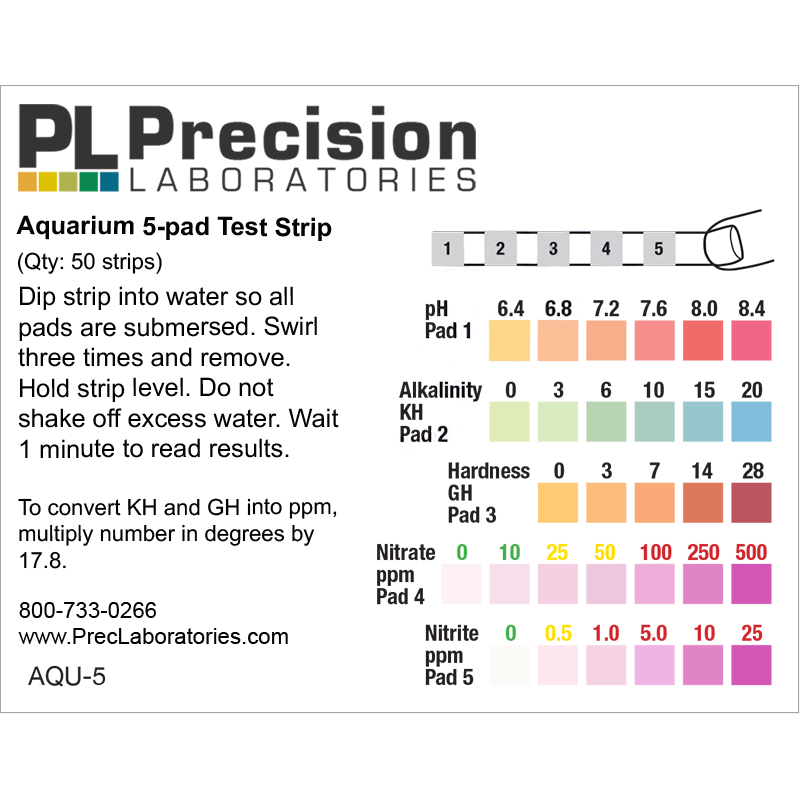
Ammonia and nitrite levels above 0 ppm trigger irreversible gill damage in neon tetras within hours. Yet 68% of premature deaths stem from “invisible” water quality issues hobbyists miss with strip tests. Your tetra’s gills absorb toxins 24/7—making water stability the single biggest controllable factor for longevity.
Critical Weekly Water Protocol for 5+ Year Lifespan
- Test with liquid kits only: API Freshwater Master Kit detects 0.25 ppm ammonia—critical since strips miss dangerous low-level spikes.
- Change 30% weekly: Vacuum gravel to remove decaying food before it breaks down into ammonia. Match new water temperature within 0.5°F using a digital thermometer.
- Treat ALL tap water: Use dechlorinator that neutralizes chloramines (e.g., Seachem Prime), not basic chlorine removers. Untreated water destroys gill tissue.
The pH Stability Secret Most Hobbyists Ignore
Neon tetras tolerate 5.0-7.5 pH—but wild swings between 6.0 and 7.0 during water changes cause fatal osmotic shock. Never chase “perfect” pH. Instead:
– Mix RO water with tap to hit 6.4-6.8 once, then maintain that level
– Add Indian almond leaves (1 leaf per 10 gallons) to buffer naturally
– Test pH only monthly after initial setup—stability matters more than the number
Warning: Adding pH adjusters weekly creates deadly parameter rollercoasters. If your tap water is 7.8, keep it there with consistent changes rather than forcing 6.5.
Schooling Size: Why 6 Tetras Is a Death Sentence (And the 12-Fish Fix)

A “school” of 6 neon tetras creates chronic stress that suppresses immune function—directly shortening lifespans. These mid-water fish require large groups to feel secure. Below 8 fish, you’ll see:
– Constant hiding instead of natural foraging
– Bickering over territory in cramped spaces
– Diminished coloration from stress hormones
The 20-Gallon Schooling Strategy for Lifespan Maximization
- Minimum school: 10-12 neon tetras in a 20-gallon long tank (not standard 20H)
- Tank layout: Dense background plants (Anubias, Java fern) with open mid-water swimming zones
- Critical sightline hack: Place tall plants along the back and sides so tetras feel enclosed but can see through the front glass
Pro Tip: Add 2-3 ember tetras to the school—they school together and reduce aggression while creating stunning color contrast.
Feeding Mistakes That Shrink Lifespan (And the 3-Step Fix)

Overfeeding causes 41% of neon tetra deaths through fatal bloat and ammonia spikes. These tiny fish have stomachs the size of their eye—yet most owners dump in food until it clouds the water.
The Precision Feeding Schedule for Longevity
| Time | Food Type | Amount | Why It Works |
|---|---|---|---|
| 8 AM | High-protein micro-pellets (Hikari Micro Wafers) | 2-3 pellets per fish | Slow-sinking pellets prevent surface gulping that causes air ingestion |
| 2 PM | Frozen baby brine shrimp (thawed in tank water) | 1 cube per 10 fish | Live food mimics natural diet, boosting immunity |
| 7 PM | Spirulina flake (crushed) | Tiny pinch | Prevents constipation; enhances blue stripe vibrancy |
Critical rule: If food isn’t gone in 30 seconds, you’ve overfed. Skip the next meal and vacuum leftovers immediately. One weekly fasting day prevents digestive diseases.
Neon Tetra Disease: The Silent Killer and How to Stop It
Neon Tetra Disease (NTD) is often misdiagnosed—but true NTD has no cure. What many call “NTD” is actually treatable Columnaris or Mycobacterium infections. Learn the real signs:
True NTD vs. Treatable Illness: Life-or-Death Differences
- NTD (fatal): White cysts along spine, erratic “shimmying” swim, no response to treatment
- Columnaris (treatable): Cottony mouth patches, rapid gill movement, responds to Furan-2
- Mycobacterium (fatal): Curved spine, sunken belly, slow progression over months
Quarantine Protocol That Saves Lives
- Isolate immediately at first sign of illness (even one faded stripe)
- Treat with Maracyn for 10 days if Columnaris suspected
- Euthanize humanely (clove oil method) if NTD confirmed to protect school
Prevention is key: Quarantine all new fish 6 weeks in bare 10-gallon tank. 90% of NTD outbreaks start from untreated new arrivals.
The 5-Minute Daily Health Scan That Prevents Early Death
You don’t need a vet degree to spot lifespan-threatening issues. Spend 5 minutes each morning observing:
– Color check: Metallic blue stripe should reflect light sharply. Dullness = stress
– Breathing rate: Over 100 gill flaps/minute indicates ammonia poisoning
– Waste inspection: White stringy feces = internal parasite; clear strands = healthy
Critical red flags requiring immediate action:
– 🚩 One fish separated from school for >24 hours
– 🚩 Clamped fins with rapid breathing
– 🚩 White spots larger than salt grains (ich)
The 5-Year Neon Tetra Longevity Checklist
Follow this monthly routine to reach the upper lifespan range:
– Daily: Observe school behavior during feeding
– Weekly: Test ammonia/nitrite (must be 0), change 30% water
– Monthly: Test pH/GH, prune plants, clean filter media in tank water
– Quarterly: Replace 20% of substrate to remove deep debris
Proven lifespan boosters: Add 1 alder cone per 15 gallons (releases tannins that mimic blackwater habitat) and keep tank lights off for 2 hours at noon to simulate rainforest canopy shade.
Your neon tetras’ lifespan isn’t predetermined—it’s a direct reflection of your care choices. By sourcing quality-bred fish, maintaining rock-solid water stability, feeding with precision, and enforcing strict quarantine, you transform their existence from fleeting flashes of color to enduring jewels in your aquarium. The vibrant school schooling past your driftwood in year 5 isn’t a fantasy—it’s the reward for mastering these protocols. Start tonight by testing your ammonia levels; that single action could add 24 months to every tetra in your tank.