How to Lower GH in Aquarium Water
That white crust creeping up your tank glass? Fish gasping near the surface? Stunted plant growth despite perfect lighting? High general hardness (GH) is likely the silent culprit sabotaging your aquarium. When calcium and magnesium levels climb too high, soft-water species like tetras, discus, and rams experience severe osmotic stress that weakens their immune systems and shortens lifespans. This guide cuts through the confusion with actionable, fish-safe strategies to bring down GH in aquarium environments—no chemistry degree required. You’ll learn exactly which methods deliver stable results without risking your livestock, plus how to implement them without triggering dangerous parameter swings.
Why High GH Is Killing Your Soft-Water Fish (And Plants)
Excess calcium and magnesium ions create invisible pressure on fish cells. When your water’s GH exceeds natural habitat levels, soft-water species struggle to maintain internal electrolyte balance. This osmotic stress manifests as lethargy, faded colors, and increased disease susceptibility—particularly in Amazonian species like neon tetras and German blue rams. Discus keepers often report chronic “hole-in-the-head” disease directly linked to GH above 8 dGH.
How High GH Stunts Planted Tank Growth
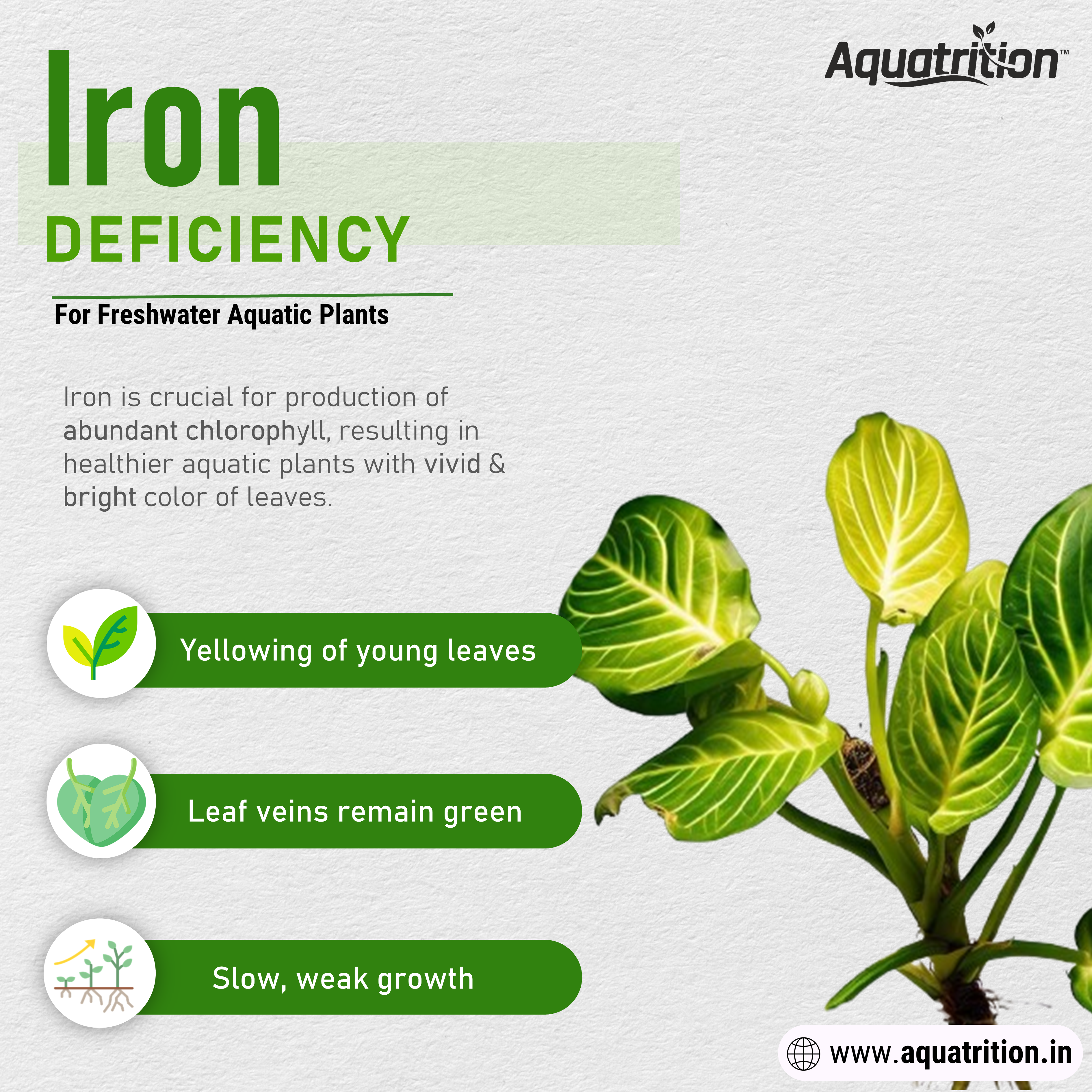
Hard water doesn’t just harm fish—it cripples plant development through mineral lockout. In GH over 10 dGH, essential iron and potassium become chemically bound, causing:
– Amazon sword leaves to develop yellow streaks and holes
– Rotala species to lose vibrant red pigmentation
– Cryptocoryne to melt despite proper lighting
The white mineral deposits coating your hardscape? That’s calcium carbonate scaling—proof your water is actively leaching minerals into the ecosystem.
Stop Testing Blindly: How to Pinpoint Your GH Crisis
Most beginners misdiagnose GH problems by skipping critical baseline measurements. Liquid test kits (not strips!) reveal your real starting point—essential for choosing the right solution.
Liquid Test Kit vs. Strips: Which Gives Reliable GH Readings?
Dip-and-read strips consistently underreport GH by 2-4 dGH due to color interpretation errors. For accurate results:
1. Fill the test vial to the 5ml line with tank water
2. Add GH reagent drop by drop while swirling
3. Count drops until water turns sky blue (each drop = 1 dGH)
Critical tip: Test both tap water and tank water. If tap GH is 14 dGH but tank reads 18 dGH, your aragonite substrate is actively worsening the problem.
Ideal GH Targets for Popular Soft-Water Species
| Fish Species | Safe GH Range (dGH) | Danger Zone |
|---|---|---|
| Neon Tetras | 3-6 | Above 10 |
| Discus | 1-4 | Above 8 |
| German Blue Rams | 4-8 | Above 12 |
| Cardinal Tetras | 1-4 | Above 6 |
Note: African cichlids from Rift Lakes require high GH (10-18 dGH)—never lower GH for these species.
Fix High GH at the Source: Pre-Treating Tap Water for Water Changes
Adding high-GH tap water during changes resets your progress. This is why 90% of GH reduction attempts fail—they ignore the root cause.
Step-by-Step: Mixing RO/DI Water for Perfect GH Control
RO/DI systems are the gold standard for soft-water tanks. Here’s how to use them safely:
1. Collect pure RO/DI water (0 dGH) using your filtration unit
2. Blend with tap water in a clean container (start with 50/50 ratio)
3. Test the mix—adjust ratios until GH hits your target (e.g., 70% RO/DI + 30% tap)
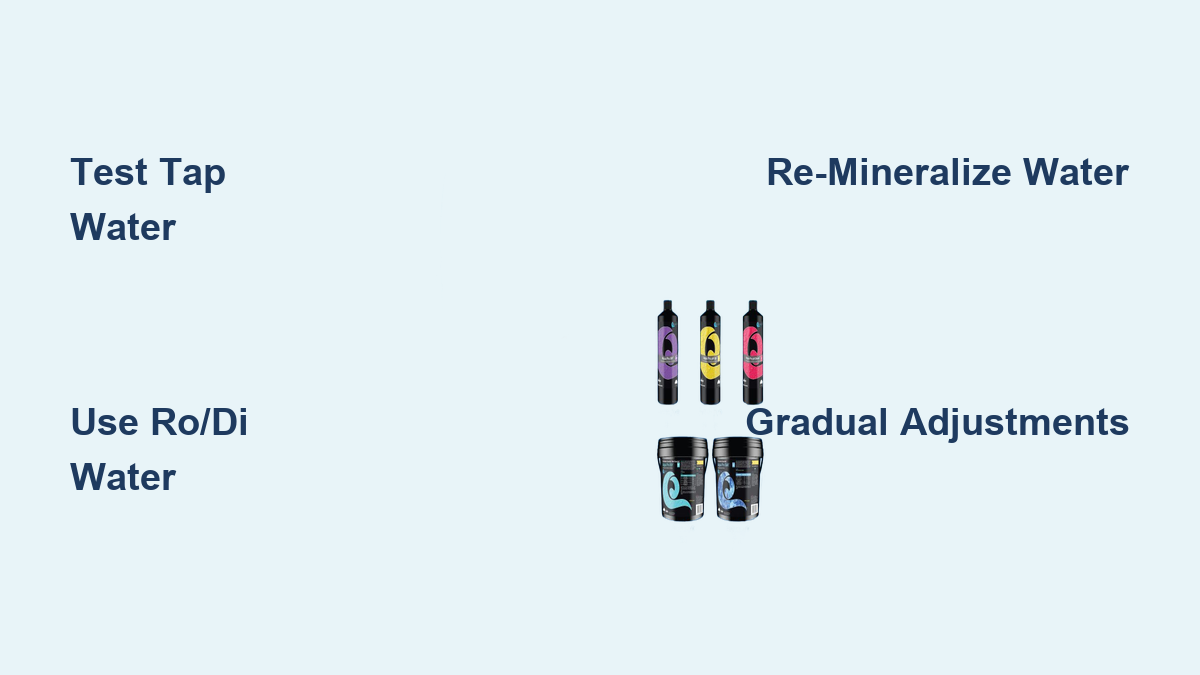
4. Re-mineralize using Seachem Equilibrium (1 tsp per 5 gallons) to add essential calcium/magnesium
Pro tip: For discus tanks requiring ultra-soft water (1-2 dGH), use 90% RO/DI + 10% tap. Never skip re-mineralization—pure RO water lacks electrolytes fish need for osmoregulation.
Water Softening Pitchers: Last Resort for Small Tanks
Pitchers with ion-exchange resin (like ZeroWater) can lower GH for nano tanks under 10 gallons, but they introduce hidden risks:
– Sodium danger: Most replace calcium/magnesium with sodium ions, which harms scaleless fish
– Clogging nightmare: Resin gets coated by tannins in planted tanks within weeks
– Cost trap: Refills cost $0.50/gallon—$150 annually for a 50-gallon tank
Only use potassium-based resins (like API Water Softener Pillow) for small tanks, and test sodium levels monthly.
Lower GH Inside Your Tank: Substrate and Filter Modifications
When source water treatment isn’t feasible, modify your tank’s internal chemistry—but proceed with extreme caution.
Best Softening Substrates for Planted Tanks (ADA, Fluval, Controsoil)

Active substrates chemically bind calcium/magnesium ions through cation exchange. For immediate GH reduction:
1. Remove 50% of existing substrate during water change
2. Add 2-inch layer of ADA Amazonia or Fluval Stratum
3. Cover with inert sand to prevent clouding
Critical warning: These substrates exhaust in 12-18 months. Monitor GH weekly—if it creeps up by 2+ dGH monthly, replace substrate immediately. Never use with crushed coral or limestone hardscape.
Peat Moss in Filter Bags: A Natural GH Reducer for Blackwater Setups

Peat moss releases tannic acids that gently lower GH while creating natural blackwater conditions. To implement:
– Use 100% chemical-free peat (avoid garden varieties with fertilizers)
– Place 1 cup in mesh bag inside filter’s media chamber
– Replace monthly when water stops tinting amber
Visual cue: Successful softening shows as gradual GH drop (0.5-1 dGH/week) and tea-colored water. If GH drops faster, reduce peat quantity immediately.
Critical Mistakes That Kill Fish When Lowering GH (And How to Avoid Them)
Most GH reduction disasters happen from impatience. These errors cause fatal parameter shocks:
Why Never to Use 100% RO Water for Water Changes
Pure RO water has zero minerals, creating catastrophic osmotic imbalance. Fish cells literally implode as water floods in uncontrollably. Always re-mineralize RO water to at least 3 dGH using Equilibrium before adding to tanks. Test GH of your mixed water before each water change—never assume ratios stay consistent.
Preventing pH Crashes When KH Drops Too Low

Lowering GH often reduces KH (carbonate hardness), which buffers pH. If KH falls below 3 dKH:
– Danger sign: pH swings more than 0.5 in 24 hours
– Emergency fix: Add crushed coral to filter bag (1 tbsp per 10 gallons)
– Prevention: Maintain KH at 4-6 dKH using Seachem Alkaline Buffer
Rule of thumb: Never change GH by more than 1 dGH per 24 hours. For a tank at 15 dGH targeting 8 dGH, this requires 7+ days of gradual adjustments.
7-Day GH Reduction Action Plan
Follow this proven timeline to avoid parameter shock:
Days 1-2: Testing and Blending Your Water Mix
- Test tap water GH (e.g., 14 dGH)
- Mix 60% RO/DI + 40% tap water
- Test blend—adjust until GH = 10 dGH
- Re-mineralize to 10 dGH with Equilibrium
Days 3-7: Gradual Adjustments and Monitoring
| Day | Water Change | Target GH | Action |
|---|---|---|---|
| 3 | 15% | 13 dGH | Use 100% blend water |
| 5 | 15% | 11 dGH | Increase RO ratio to 70/30 |
| 7 | 15% | 9 dGH | Test KH—add Alkaline Buffer if <4 dKH |
Check every 12 hours for gasping fish or rapid pH shifts. If observed, revert to previous day’s water mix.
Long-Term GH Stability: Maintenance Tips for Soft-Water Tanks
True success isn’t hitting a target—it’s maintaining stability. Implement these habits:
Weekly Testing Routine to Catch Drift Early
Every Sunday, test:
– GH (aim for <0.5 dGH fluctuation)
– KH (maintain 4-6 dKH)
– pH (stability matters more than number)
Pro tip: Keep a logbook—sudden GH spikes often trace to new hardscape or forgotten water changes with untreated tap water.
When to Recharge Substrates and Filter Media
Softening substrates exhaust when:
– GH rises 2+ dGH monthly
– Plants show iron deficiency (yellow leaves with green veins)
– Water stops tinting from peat filters
Replacement schedule:
– ADA Amazonia: 18 months
– Peat moss bags: Monthly
– Water softening pillows: Every 4 weeks (recharge with salt bath)
Final Note: Successfully bring down GH in aquarium systems demands patience—not perfection. Focus on slow, stable reductions rather than chasing exact numbers. For most soft-water tanks, a 50/50 RO/tap blend with re-mineralization delivers lifelong stability. Remember: fish adapt to consistent parameters far better than “ideal” but fluctuating ones. Test weekly, adjust gradually, and your tetras will reward you with vibrant colors and natural schooling behavior within weeks. If GH remains stubbornly high after 30 days, revisit your tap water source—some municipal supplies require specialized treatment beyond basic RO systems.