Black Algae in Aquariums: Types and Identification
You’ve noticed stubborn black growth smothering your driftwood, choking plant stems, and clinging to tank decorations like microscopic barbed wire. If standard algae treatments haven’t worked, you’re likely battling one of the deceptive types of black algae in aquarium systems—a category that includes several distinct invaders requiring precise identification for effective removal. These organisms aren’t just unsightly; they strangle slow-growing plants like Anubias and Java Fern by blocking light and nutrients, potentially collapsing your ecosystem within weeks. Unlike green algae that respond to simple fixes, black algae species demand targeted strategies based on their biology. This guide cuts through the confusion by detailing the three primary types, their dead giveaways, and science-backed removal tactics verified by aquarium veterans—so you can reclaim your tank without wasting time on ineffective solutions.
Spotting the Three Main Types of Black Algae in Aquariums

Black Beard Algae (BBA) on Decor and Plant Stems
This notorious invader (Audouinella or Compsopogon) forms dense, wiry tufts resembling miniature black bottle brushes rooted firmly to hard surfaces. Unlike slimy algae, BBA feels coarse and rigid—almost like steel wool under magnification—and ranges from deep forest green to true black depending on maturity. It thrives in high-flow areas like filter outputs, anchor points on driftwood, and along the midribs of slow-growing plants. Crucially, BBA won’t wipe off with a sponge; its tenacious hold requires physical scraping or chemical treatment. As one aquarist discovered after losing plants to unchecked growth, BBA exploits phosphate imbalances and unstable CO₂—common in tanks without injected carbon dioxide.
Staghorn Algae Mimicking Black Beard Growth
Often mistaken for BBA, Staghorn algae (Compsopogon coeruleus) reveals its identity through branching, antler-like structures that spread in delicate grayish-black formations. It favors plant leaf edges and fine-leaved stems (like Hornwort), creating a feathery silhouette distinct from BBA’s compact clumps. While both attach stubbornly, Staghorn’s growth is slightly more flexible and tends to cluster in lower-light tank zones. Key differentiator: True Staghorn rarely appears jet black—it maintains subtle blue-green undertones visible under bright LED lighting. Misidentification leads to failed treatments; unlike BBA, Staghorn responds better to increased water flow and nutrient competition from fast-growing plants like Vallisneria.
Diatom Blooms Masquerading as Black Algae
New or unstable tanks frequently develop “black algae” that’s actually a diatom bloom—a brown algae variant appearing jet black underwater due to light absorption. These silica-dependent organisms coat surfaces in dusty, easily removable films that vanish with a gentle finger wipe, contrasting sharply with BBA’s rooted grip. They signal cycling issues: high silicates from tap water, low nitrate levels, or inadequate beneficial bacteria. Unlike true black algae, diatom blooms typically resolve within 2-4 weeks as tank maturity stabilizes—no aggressive treatment needed. If your “black algae” disappears after a 50% water change using aged tank water (not tap), diatoms were the culprit.
Confirming Black Beard Algae: 3 Critical Tests
Attachment Resistance Check
True BBA laughs at standard cleaning tools. Attempt to remove a patch using a soft algae scraper or toothbrush—if it flakes off in chunks rather than lifting cleanly, it’s BBA. One aquarist’s pivotal discovery: “I tried wiping it off with a magnet cleaner for days. Only when I yanked a piece off my driftwood with tweezers did I realize how deeply it was rooted.” This resistance stems from BBA’s multicellular filaments penetrating porous surfaces. If manual removal requires significant force and leaves “roots” embedded, you’re facing genuine BBA—not Staghorn or diatoms.
Plant Impact Assessment
Observe how the algae interacts with your plants. BBA targets slow growers like Anubias, forming constricting rings around stems that cause yellowing and die-off within 10-14 days. Fast-growing stem plants (e.g., Rotala) typically escape unscathed. Crucially, BBA doesn’t directly kill plants—it starves them by blocking light absorption. If you spot healthy plants completely engulfed while others thrive, BBA is likely the perpetrator. Document progression over 72 hours: BBA expands visibly daily, whereas diatoms remain static or shrink.
Immediate Black Beard Algae Eradication Tactics
Targeted Liquid Carbon Application
For in-tank treatment, use a syringe to apply liquid carbon (like Seachem Excel) directly onto BBA patches with filters OFF for 10-15 minutes. This concentrated glutaraldehyde solution penetrates filaments without harming fish at proper doses. One verified method—the “One-Two Punch”—combines hydrogen peroxide (3% solution, 1ml per gallon) followed by a 50% water change and double-dose liquid carbon. Apply peroxide at night with lights off, wait 15 minutes, then resume normal lighting. Within 48 hours, treated patches turn white and loosen for removal. Warning: Never mix peroxide with liquid carbon—apply sequentially with water changes between treatments.
Decor and Plant Quarantine Protocol
Remove heavily infested items immediately using this battle-tested sequence:
1. Soak decor in 1:20 bleach solution (1 part bleach to 20 parts water) for 3 minutes
2. Rinse thoroughly under running water for 2 minutes
3. Neutralize residual bleach with sodium thiosulfate (dechlorinator)
4. Air-dry 24 hours before reintroducing to tank
For plants, dip affected areas in 3% hydrogen peroxide for 30 seconds while holding roots protected. Discard severely compromised plants—like one user who saved their Anubias colony by removing only the blackened stems early.
Algae-Eater Effectiveness: What Actually Works Against BBA
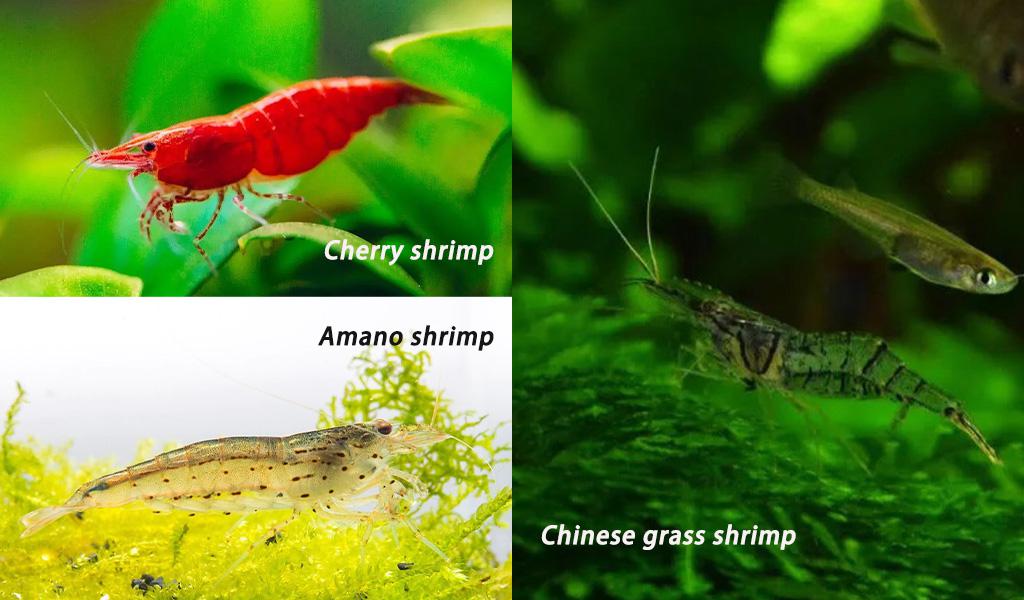
Amano Shrimp for Early-Stage Infestations
These shrimp excel at consuming young BBA filaments before they mature into impenetrable mats. Stock 1-2 shrimp per 5 gallons, but note they ignore established growth—use them as maintenance crews post-eradication. One success story: “After manually removing 80% of BBA, my Amanos prevented regrowth for 18 months by nipping new sprouts.” They’re ineffective in tanks with competing food sources; reduce feeding to 2-3 times weekly to encourage algae grazing.
Siamese Algae Eater Selection Pitfalls
True Crossocheilus oblongus (not lookalikes like Flying Foxes) will tackle BBA, but verify juvenile specimens—their distinctive black lateral stripe remains sharp into adulthood. Crucially, adults may ignore BBA if fed excess pellets. One aquarist’s caution: “My SAE ignored algae after 6 months and started nipping at my Corydoras’ slime coats.” For best results:
– Introduce only when BBA is present (don’t add preventatively)
– House solo or with fast-swimming tankmates (tetras, rasboras)
– Feed algae wafers initially to direct attention to problem areas
Avoid These Overhyped “Solutions”
- Nerite Snails: Completely ignore BBA despite popular belief
- Otocinclus: Too small to handle mature filaments; often starve
- “Algae-Eating” Plecos: Target softer algae; BBA is indigestible
Long-Term Black Algae Prevention System
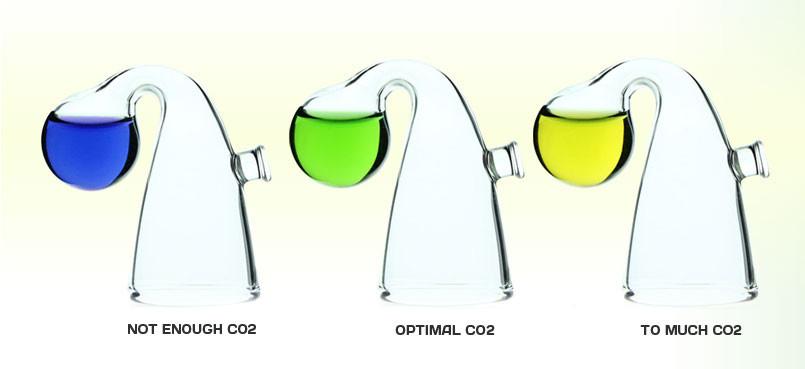
CO₂ and Nutrient Calibration
BBA exploits fluctuating CO₂ levels—especially in high-light tanks without injection. Maintain 20-30 ppm dissolved CO₂ with a drop checker, and ensure consistent photoperiods (6-8 hours daily). Crucially, balance nitrates (NO₃) and phosphates (PO₄) to a 10:1 ratio; excess phosphate (common in tap water) is BBA’s primary fuel. Test weekly: ideal levels are 10 ppm NO₃ to 1 ppm PO₄. If phosphate exceeds 2 ppm, use a phosphate remover resin in your filter.
Water Change Protocol for Nutrient Control
Execute 50% weekly water changes using aged tank water (not tap) to avoid silicate spikes from municipal sources. Siphon debris from substrate during changes—decaying matter releases phosphate. One user’s breakthrough: “After switching to reverse osmosis water for changes, my BBA never returned despite high lighting.” Pair this with filter maintenance: rinse media in old tank water (never tap) monthly to preserve bacteria while removing nutrient traps.
Critical Misconceptions That Sabotage Your Efforts
“More Light Equals More Algae” Fallacy
While excessive lighting fuels green algae, BBA thrives in moderate light (2-3 watts per gallon). Dimming lights worsens the problem by creating unstable CO₂ conditions—exactly what BBA exploits. Instead, maintain consistent intensity with timers and add fast-growing plants (like Hornwort) to outcompete algae for nutrients.
Overreliance on Algae Eaters
No single species eradicates established BBA—manual removal is non-negotiable. As one veteran warns: “Waiting for Siamese Algae Eaters to fix a full-blown outbreak is like expecting a single firefighter to extinguish a forest fire.” Use them as finishing crews only after chemical/physical removal.
Ignoring Phosphate Sources
Fish food is the hidden phosphate culprit. Switch to low-phosphate pellets (check labels for <1% phosphorus) and freeze-dry homemade food. One aquarist eliminated recurring BBA simply by soaking flakes in water for 10 minutes before feeding—leaching out excess phosphate.
Final Note: Eliminating black algae isn’t about one magic solution—it’s a strategic sequence. First, confirm your types of black algae in aquarium using the attachment test. Next, deploy targeted chemical treatment followed by manual removal. Finally, stabilize CO₂ and phosphate levels while introducing Amano shrimp for ongoing maintenance. This three-phase approach, validated by thousands of aquarium keepers, transforms BBA from an unstoppable invader into a manageable nuisance. Start tonight: inspect one affected plant stem with a magnifying glass to identify your specific adversary—because the right treatment begins with precise identification.