How to Reduce Ammonia in Aquarium Water
Ammonia is the invisible assassin in your aquarium, capable of killing fish within hours when levels spike unexpectedly. This toxic compound forms naturally from fish waste, decaying food, and decomposing plant matter, but even small concentrations—just 0.02 ppm—can damage delicate gill tissues. If left unchecked, ammonia levels above 0.5 ppm cause severe stress, reduced oxygen absorption, and often fatal gill hyperplasia within 72 hours. Whether you’re facing a sudden ammonia crisis in your established tank or troubleshooting a new setup, knowing exactly how to decrease ammonia in aquarium water can mean the difference between a thriving ecosystem and a devastating loss. This guide delivers actionable steps to eliminate dangerous ammonia immediately while establishing permanent biological solutions.
Execute Emergency Water Changes for Immediate Ammonia Reduction
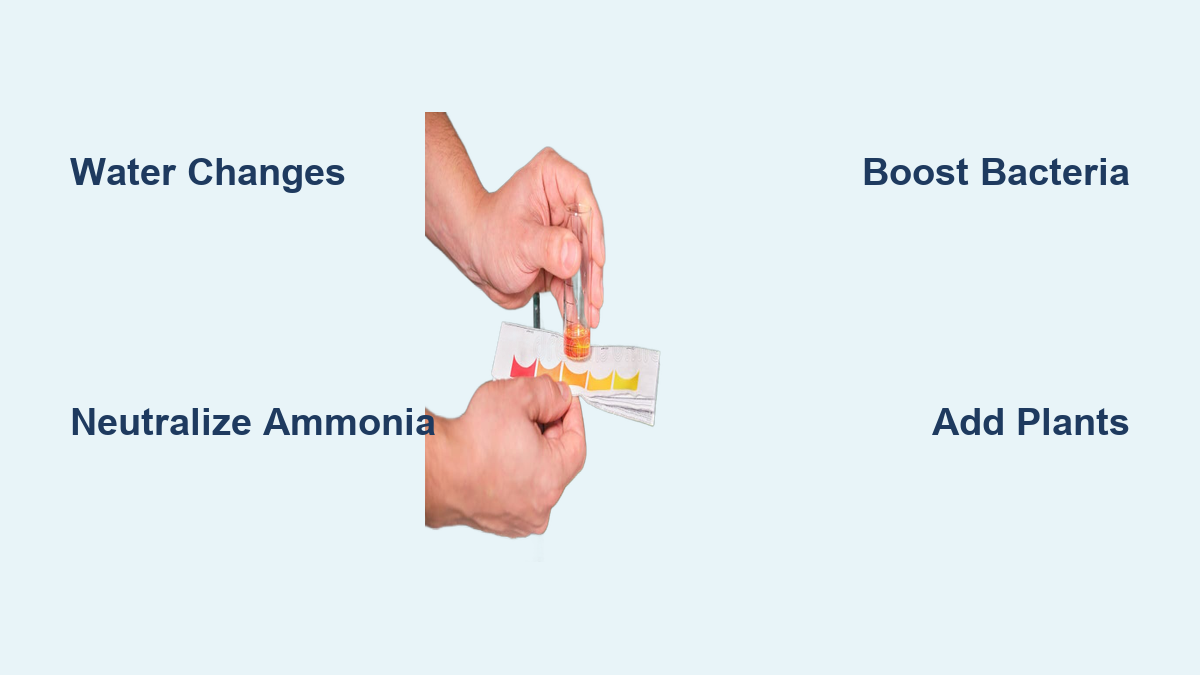
When your test kit shows ammonia levels above 0.5 ppm, immediate action prevents fish fatalities within hours. Water changes provide the fastest ammonia reduction—each 50% change cuts concentration in half. For critical situations (ammonia > 4.0 ppm), perform sequential 50% water changes every 2-4 hours while monitoring levels, stopping once readings drop below 0.5 ppm.
How to Perform Life-Saving Water Changes Without Stressing Fish
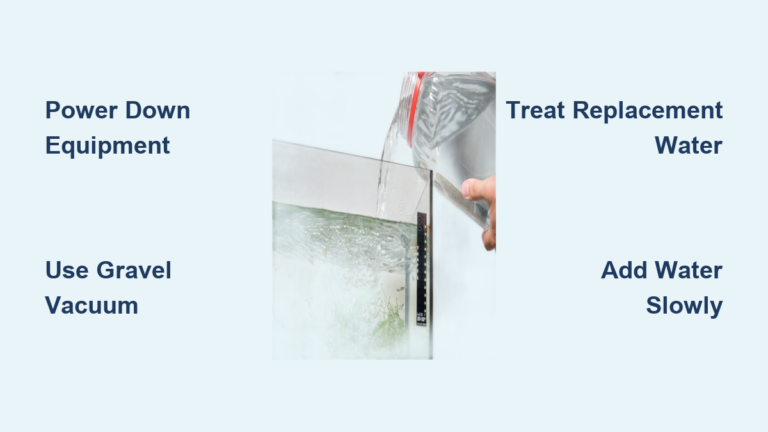
Complete emergency water changes safely by matching new water parameters precisely to your tank conditions. Your replacement water must be within 2°F of tank temperature and have identical pH to prevent additional stress on already compromised fish. Always treat new water with a conditioner that neutralizes both chlorine and ammonia before adding it to the tank. Use a gravel vacuum during changes to remove decaying matter from the substrate that would otherwise continue producing ammonia.
Critical Mistakes to Avoid During Ammonia Emergencies
Many aquarists unknowingly worsen ammonia crises through common errors. Never perform 100% water changes, as this destroys beneficial bacteria colonies essential for long-term ammonia control. Avoid using cold tap water directly from the faucet, as temperature shock compounds ammonia stress. Don’t skip water conditioning—even “safe” tap water contains chlorine that kills nitrifying bacteria. Most importantly, never add fish to a tank with detectable ammonia, as even 0.01 ppm proves fatal to sensitive species like shrimp within days.
Neutralize Ammonia Instantly with Chemical Solutions
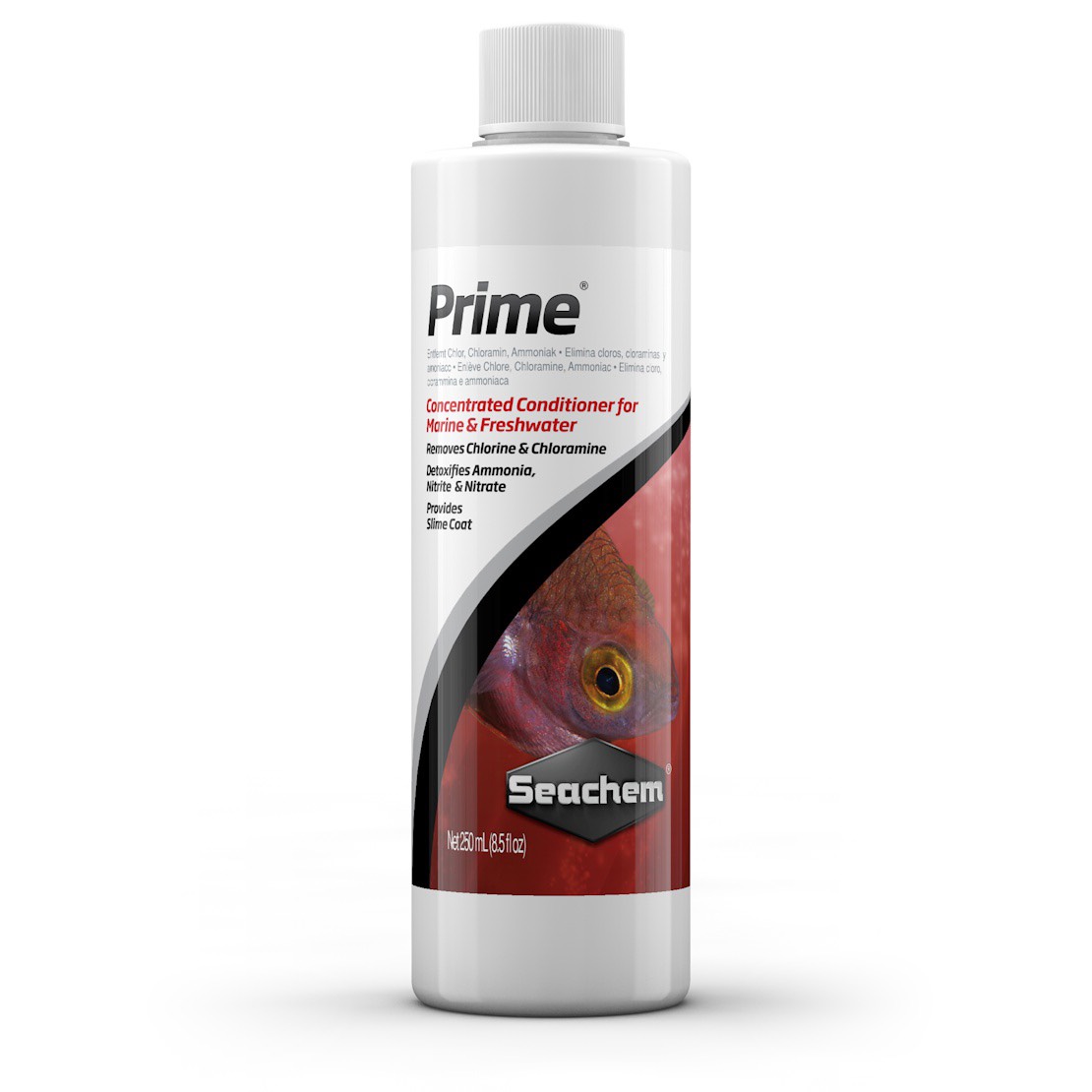
When water changes alone can’t keep pace with ammonia production, chemical neutralizers provide critical breathing room for your biological filter to catch up. Products like Seachem Prime transform toxic NH₃ into harmless ammonium (NH₄⁺) for 24-48 hours, buying time for bacteria colonies to expand.
Selecting the Right Ammonia Neutralizer for Your Tank
Different neutralizers work better in specific scenarios. For sudden spikes above 2.0 ppm, dose API Ammo Lock at 5 ml per 10 gallons to bind free ammonia immediately. In tanks with chloramine-treated tap water, use Seachem Prime (1 capful per 40 gallons) which handles both chlorine and the ammonia released when chloramine breaks down. Zeolite media added directly to your filter (1 cup per 20 gallons) removes 1-2 ppm ammonia within 24 hours but requires monthly replacement as it becomes saturated.
How Long Chemical Solutions Last & When to Re-Dose
Chemical neutralizers provide temporary relief but aren’t permanent fixes—understand their limitations to avoid false security. Seachem Prime remains effective for 48 hours before requiring re-dosing, while zeolite continues working until saturated. Monitor ammonia levels every 4-6 hours during emergencies. If levels rise before your next scheduled water change, re-dose neutralizers but never exceed manufacturer recommendations, as overdosing can disrupt water chemistry balance.
Rebuild Your Biological Filter After an Ammonia Crisis
The only permanent solution to recurring ammonia problems is establishing robust biological filtration. Mature nitrifying bacteria colonies convert toxic ammonia into nitrite, then into relatively harmless nitrate—a process requiring specific conditions to function optimally.
Accelerate Bacterial Growth with Proven Techniques
Boost your tank’s ammonia-processing capacity by introducing concentrated nitrifying bacteria. Add Tetra SafeStart Plus at 5 ml per 10 gallons directly to filter media where oxygen flow supports bacterial growth. For fastest results, supplement with established filter media from a healthy tank—just 10% of mature media can reduce cycling time by 50%. Maintain water temperature between 75-80°F, as nitrifier activity doubles with each 18°F temperature increase within their tolerance range.
Critical Filter Maintenance Practices That Protect Bacteria
Preserve your hard-earned bacterial colonies through proper filter care. Never rinse media under tap water, as chlorine kills beneficial bacteria—use tank water removed during water changes instead. Replace no more than one-third of mechanical media at a time to maintain bacterial population stability. Ensure your filter processes at least 300% of your tank’s volume per hour (a 20-gallon tank needs 60 GPH filtration) to provide sufficient oxygen for nitrifying bacteria, which require 6-8 ppm dissolved oxygen to function optimally.
Deploy Ammonia-Absorbing Plants for Continuous Reduction
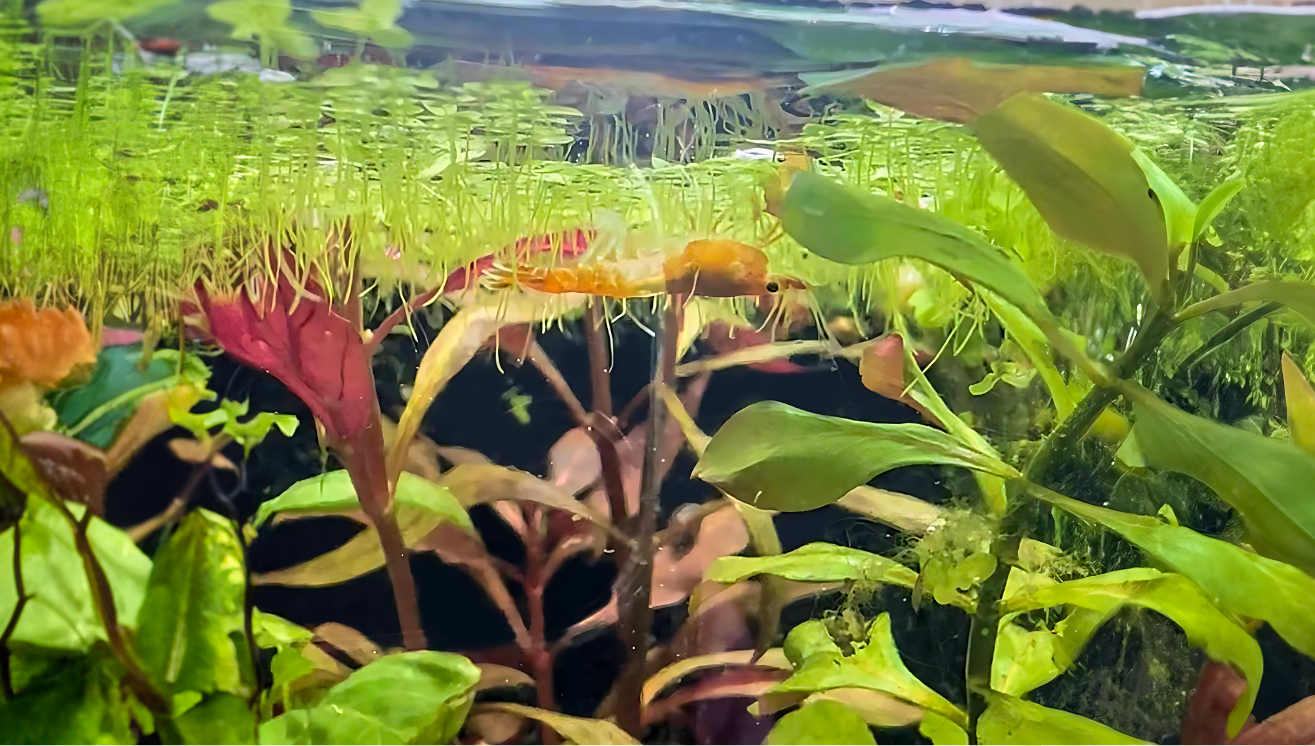
Live plants provide natural, continuous ammonia processing that complements your biological filter. Fast-growing species absorb ammonia directly through their leaves and roots, bypassing the nitrogen cycle entirely to remove this toxin from your water column.
Top 3 Plants for Rapid Ammonia Elimination
Hornwort and anacharis stand out as ammonia-processing powerhouses, removing 0.5-2.0 mg/L of ammonia daily per plant. Duckweed and frogbit float on the surface where ammonia concentrations are highest, processing up to 1.5 mg/L weekly while providing fish with stress-reducing shade. In a 20-gallon tank, these plants can increase ammonia processing capacity by 40% compared to unplanted setups—making them essential for heavily stocked aquariums.
How to Maximize Plant Ammonia Uptake Through Proper Placement
Strategic plant placement dramatically increases ammonia removal efficiency. Position fast-growing stem plants like water wisteria directly in front of filter outflows where water movement delivers maximum ammonia exposure. Float duckweed on the surface where toxic NH₃ concentrates (ammonia becomes more toxic at higher pH levels near the surface). For rooted plants like Amazon swords, plant them in nutrient-rich substrate near the tank bottom where ammonium (NH₄⁺) accumulates. A densely planted tank processes ammonia 2-3 times faster than a sparsely planted equivalent.
Prevent Future Ammonia Spikes Through Proactive Maintenance
The most effective ammonia management happens before problems arise through consistent maintenance protocols that maintain stable biological balance. Regular small interventions prevent the sudden spikes that catch aquarists off guard.
The Weekly Maintenance Routine That Eliminates Ammonia Risks
Implement this foolproof weekly schedule to keep ammonia undetectable:
– Monday: Perform 25% water change while vacuuming substrate to remove decaying matter
– Wednesday: Test ammonia, nitrite, and nitrate levels using liquid test kits (more accurate than strips)
– Friday: Clean mechanical filter media in old tank water, replacing no more than 30% of media
– Sunday: Prune fast-growing plants to maintain optimal ammonia processing capacity
Smart Feeding Practices That Stop Ammonia at Its Source
Overfeeding accounts for 70% of preventable ammonia spikes—control this variable through disciplined habits. Feed only what fish consume in 2 minutes, once or twice daily, reducing to every other day during ammonia crises. Remove uneaten food after 5 minutes using a fine mesh net. For heavily stocked tanks, consider automatic feeders that deliver precise, measured portions to prevent accidental overfeeding.
Troubleshoot Persistent Ammonia Problems With These Advanced Fixes
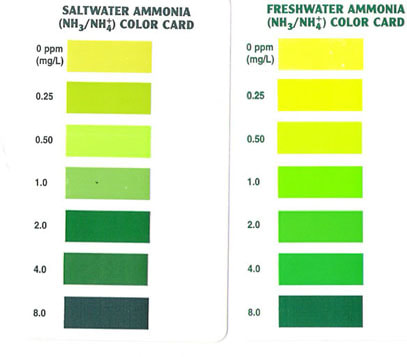
When ammonia remains detectable despite proper maintenance, deeper issues require specialized solutions. Chronic low-level ammonia (0.25-0.5 ppm) often indicates biological filtration insufficient for your tank’s bioload.
How to Diagnose Hidden Ammonia Sources in Your Tank
Systematically eliminate potential ammonia sources when levels remain stubbornly high. Test your tap water for ammonia—municipal water treated with chloramine releases ammonia when dechlorinated. Check for dead fish or snails hidden in decorations. Inspect filter flow rate; inadequate circulation creates dead zones where ammonia accumulates. Reduce stocking density if you exceed 1 inch of fish per gallon, as overstocking overwhelms biological capacity.
When to Add Specialized Filter Media for Extra Ammonia Control
For tanks with chronic ammonia issues, supplement your existing filtration with specialized media. Add ceramic rings to increase surface area for nitrifying bacteria (300 m²/L versus 200 m²/L for bio-balls). Install a fluidized bed filter that provides 2-4x the surface area of traditional filters. In emergencies, place zeolite directly in your filter media chamber (1 cup per 20 gallons) for immediate ammonia removal while your biological filter catches up.
The key to eliminating aquarium ammonia permanently combines immediate chemical fixes with strategic biological solutions. By implementing emergency water changes, deploying ammonia-neutralizing products strategically, rebuilding your biological filter with proven techniques, and incorporating ammonia-absorbing plants into your ecosystem, you create multiple safety nets against toxic spikes. Remember that prevention through consistent maintenance—weekly water changes, careful feeding, and regular testing—makes emergency interventions rare. A properly balanced aquarium processes ammonia continuously, keeping levels undetectable and ensuring your aquatic inhabitants thrive in a stable, healthy environment.