Types of Aquarium Worms: Common Species Explained
You’re staring into your aquarium when a pale brown worm, about a quarter-inch long, drifts down like a fallen leaf and crawls across the gravel. It’s flat, rounded at both ends, and moves without the frantic wiggling you’d expect. Panic hits: Did new plants introduce this? Could it harm my berried shrimp? Is my tank doomed? You’re not alone—nearly every freshwater fishkeeper encounters unexpected worms. While some types of aquarium worms are harmless ecosystem helpers, others threaten your entire tank. The critical difference lies in accurate identification. This guide cuts through the confusion with visual identification cues, threat-level assessments, and proven removal tactics—all based on real aquarist experiences. You’ll learn exactly when to ignore worms, when to act immediately, and how to prevent future invasions without harming sensitive livestock.
Why Detritus Worms Suddenly Appear in Clean-Looking Tanks
Detritus worms aren’t invaders—they’re your tank’s cleanup crew gone into overdrive. These thin, white, thread-like creatures (1-25mm long) live buried in substrate, feeding on decaying matter. When you spot them crawling on glass or floating lifelessly, it’s a flashing red alert: your tank is drowning in waste. Contrary to popular belief, they don’t indicate a “dirty” tank but rather recent imbalances—like overfeeding after a vacation or decaying plant matter from new additions. Crucially, they lack the triangular head of planaria and move in slow, erratic wiggles rather than gliding. If you see them in clusters larger than a dime, your fish are swimming in toxic ammonia spikes.
How to Eliminate Detritus Worm Blooms in 72 Hours
- Vacuum Deeply: Insert your gravel tube 1-2 inches into substrate, focusing on corners where waste accumulates. Remove 30-50% of visible debris.
- Starve the Population: Cut feedings by 50% for 3 days. Feed only what fish consume in 2 minutes.
- Boost Filtration: Add a sponge pre-filter to your intake tube to trap emerging worms.
Pro Tip: Detritus worms vanish within days once waste is controlled—they’re not pests but symptoms. Ignore them, and you risk fish suffocation from ammonia spikes.
Planaria vs. Rhabdocoela: Spot the Head Shape That Saves Your Shrimp

Confusing these flatworms is the #1 mistake shrimp keepers make. Both are flat, translucent to brown, and glide like “a wet ribbon dragged over rocks.” But planaria have a lethal edge. Look for these telltale signs:
– Planaria: Arrow-shaped head with two visible black eyespots (though some strains lack the classic triangle). They move 3x faster than rhabdocoela, hunting snail eggs and baby shrimp. A single sighting near berried shrimp demands action.
– Rhabdocoela: Rounded front/back with no distinct head or eyes. Harmless scavengers that process waste—often mistaken for planaria due to similar size (¼ inch) and brown color.
Why Standard Planaria Traps Fail and How to Fix Them
Most aquarists waste days using store-bought traps with holes too small for flatworms. Build this foolproof trap:
1. Cut a plastic bottle horizontally, invert the top into the base.
2. Poke 10+ holes (1mm diameter) near the cap using a heated needle.
3. Bait with frozen bloodworms; submerge for 2 hours at night.
Critical Insight: If trapped worms have rounded ends and no eyes, return them—they’re beneficial rhabdocoela. Only discard planaria. Never use fenbendazole if snails are present; it’s 100% fatal to them.
Nematodes: The Invisible Micro-Worms That Feed Your Fish
Don’t mistake these for parasites—they’re nature’s free fish food. Nematodes are microscopic (0.1-2mm), hair-thin, and translucent, swarming in filter sponges or substrate like “moving dust.” They thrive in mature tanks with healthy biofilms and pose zero threat to fish or plants. In fact, species like Turbatrix aceti (vinegar eels) are bred intentionally as fry food. The only time they signal trouble? If you see them outside the filter—indicating decaying matter in dead zones.
When Nematodes Turn Dangerous (Rare Cases)
Free-living nematodes are always safe, but parasitic varieties like Camallanus require emergency action. Check for:
– Red-orange threads protruding from a fish’s anus (not white like detritus worms)
– Fish losing weight despite normal feeding
Immediate Response: Isolate infected fish. Treat with levamisole (2.5mg/L for 24hrs) followed by 50% water change. Do not treat the main tank—this parasite can’t survive without a host.
Anchor Worms and Leeches: Parasites That Kill Within Days
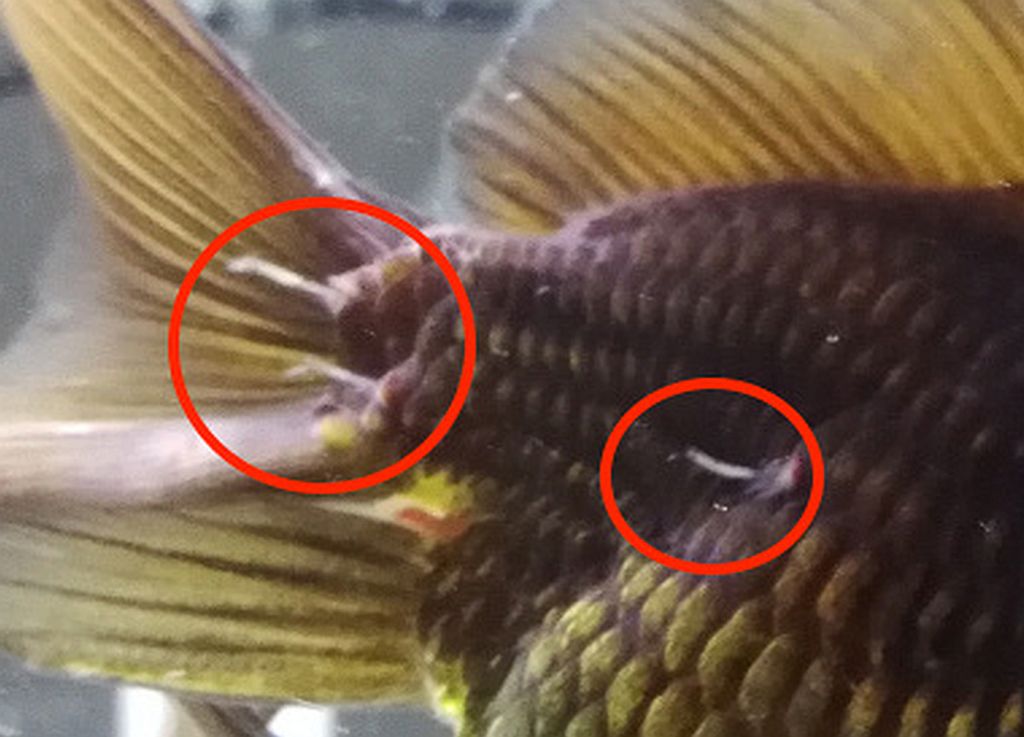
These aren’t “worms” you’ll casually spot—they’re bloodsucking invaders latched onto your fish. Anchor worms (Lernaea) look like white/green tufts (3-12mm) embedded near fins or gills, causing bloody sores. Leeches are dark red, segmented, and attach like ticks. Both drain blood, introduce bacterial infections, and kill fish within 72 hours if untreated.
Emergency Removal Protocol for Attached Parasites
1. Isolate Immediately: Move fish to a hospital tank with no substrate.
2. Manual Extraction: Dip tweezers in hot water (to sterilize), grasp parasite near the fish’s skin, and pull slowly in the direction of attachment.
3. Antiseptic Dip: Swab wounds with 0.5% Povidone-iodine for 30 seconds.
Warning: Never crush parasites on the fish—they release eggs that reinfect the tank. Discard hospital tank water after treatment.
How to Identify Any Aquarium Worm in 4 Minutes Flat

Forget guessing—use this field-tested method when you spot movement:
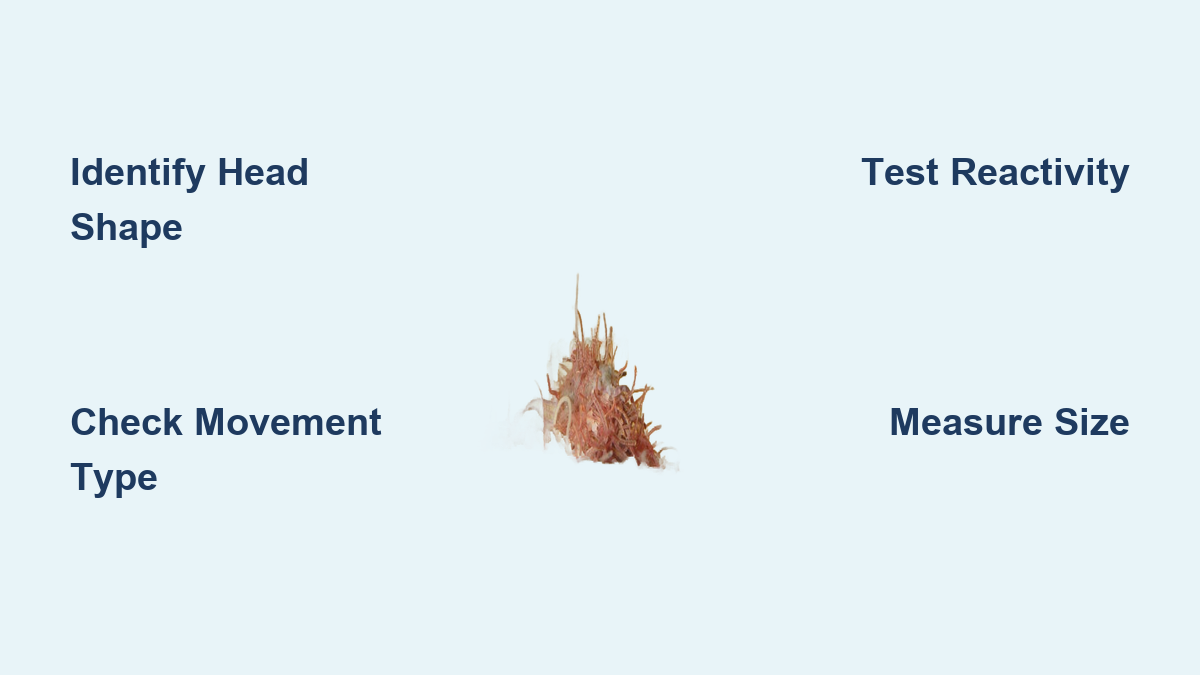
1. Observe Movement: Place a flashlight at tank level. Thread-like worms that wriggle = detritus/nematodes. Flatworms that glide = planaria/rhabdocoela.
2. Check Head Shape: Shine light directly on it. Arrowhead + eyes = planaria. Rounded ends = rhabdocoela.
3. Test Reactivity: Drop a bloodworm near it. Planaria lunge aggressively; rhabdocoela ignore it.
4. Measure Size: <2mm = nematode. 3-25mm = detritus worm. 5-15mm = planaria.
Real Case Insight: One aquarist mistook brown rhabdocoela for planaria until testing their trap bait—they barely moved toward food. Her berried shrimp survived because she didn’t panic-treat.
Safe Planaria Removal for Shrimp and Snail Tanks

Standard dewormers like fenbendazole will obliterate your shrimp colony. Use this invert-safe method instead:
1. Starve Planaria: Remove all fish food for 5 days (shrimp/scavengers survive on biofilm).
2. Deploy Bait Traps: Use the modified bottle trap nightly with crushed spirulina (attracts planaria but not rhabdocoela).
3. Manual Removal: Siphon trapped planaria before dawn when they’re most active.
Critical Step: After 3 nights of trapping, perform a 40% water change with dechlorinated water at the same temperature—sudden changes kill shrimp but not planaria.
Preventing Worm Invasions: The 2-Week Quarantine Rule That Works
90% of worm outbreaks trace back to bypassed quarantine. Here’s how to stop hitchhikers:
– Plants: Soak in 5% bleach solution (1 tsp household bleach per gallon) for 2 minutes, then rinse 3x in dechlorinated water.
– Fish: Isolate in bare-bottom tanks for 14 days before adding to display tank. Watch for anchor worm tufts.
– Decor: Bake porous rocks at 200°F for 20 minutes to kill eggs.
Proven Hack: Add 1-2 assassin snails to quarantine tanks—they hunt planaria but ignore rhabdocoela and detritus worms.
When to Ignore Worms and Focus on Tank Health
Not every worm demands action. Detritus worms in low numbers? Beneficial. Rhabdocoela? Essential waste processors. Nematodes? Free food. The true emergency is ignoring the root cause. If you treat planaria but keep overfeeding, they’ll return in 3 weeks. If you remove detritus worms without vacuuming substrate, ammonia will spike. Your tank’s worm population is a live dashboard—learn to read it.
Critical Maintenance Checklist for Worm-Free Tanks
- Weekly: Vacuum 50% of substrate depth during water changes
- Biweekly: Clean filter media in tank water (never tap water)
- Monthly: Test for ammonia spikes after plant trimming
- Always: Feed only until bellies turn slightly silver
Finding a pale brown worm in your tank isn’t a disaster—it’s data. By identifying the specific types of aquarium worms using head shape, movement, and size, you transform panic into precision action. Detritus worms vanish with better maintenance; planaria require targeted traps; parasites need emergency extraction. Remember the aquarist who saved her berried shrimp by correctly ID’ing rhabdocoela? That could be you. Implement the 2-week quarantine rule, master the 4-minute ID method, and your tank will thrive—worms and all. When in doubt, trap first, treat never. Your shrimp colony will thank you.