High Nitrates in Aquarium: 5 Warning Signs
Your fish seem fine, but test strips reveal a hidden crisis: nitrate levels soaring past 80 ppm despite repeated water changes. This exact scenario paralyzed one aquarist’s 75-gallon tank housing just five fish—water changes barely dented the toxic buildup, leaving them baffled and desperate. High nitrates operate as a silent assassin in aquariums, causing catastrophic fish loss without obvious warning signs. Unlike ammonia spikes that trigger immediate distress, nitrate poisoning creeps in slowly, weakening fish until they suddenly gasp at the surface or vanish overnight. Recognizing the subtle signs of high nitrates in your aquarium is your only defense against this insidious threat. This guide cuts through the confusion with actionable fixes proven by real tank owners who survived nitrate emergencies.
Heavy Breathing and Sudden Deaths: Critical Nitrate Poisoning Signs
When nitrates exceed safe levels, fish exhibit unmistakable respiratory distress long before death occurs. Watch for rapid gill movements or fish lingering at the water surface, sucking air in a behavior aquarists call “heavy breathing.” This isn’t normal—it’s a life-or-death struggle as nitrates impair blood oxygen transport. One tank owner lost six johanni cichlids and three blue dolphins within 48 hours after ignoring these gasping warnings. The tragedy escalated when survivors showed no other water parameter issues, proving nitrates alone caused the collapse. Crucially, heavy breathing serves as your final emergency alert: if fish display this symptom, immediate intervention is non-negotiable to prevent mass casualties.
Why Bottom Feeders Survive While Others Die
Not all fish react equally to high nitrates—a critical detail that lulls owners into false security. Bottom-dwellers like plecos and catfish often appear unaffected even as tankmates perish, as seen in a documented case where three plecos and two catfish thrived while cichlids died. Their specialized biology grants greater nitrate tolerance, creating dangerous illusions of tank-wide health. Meanwhile, sensitive species like cichlids or tetras become the “canaries in the coal mine,” showing symptoms first. Never assume stability because hardy fish seem fine; test immediately when any fish display respiratory distress or unexplained deaths.
The Deceptive Calm: Healthy Fish in Toxic Water
The most treacherous aspect of high nitrates is their ability to maintain a facade of normalcy. One aquarist confirmed their fish “looked perfect” for two weeks despite 80 ppm nitrate readings—far beyond safe limits. Without testing, you’d never suspect danger. This deceptive calm occurs because chronic nitrate exposure causes gradual organ damage rather than acute shock. Fish may eat and swim normally while their immune systems erode, leaving them vulnerable to secondary collapses. Like a slow leak in a boat, damage accumulates invisibly until the system fails catastrophically. Routine testing is your only early-warning system—never skip it based on appearances.
Emergency 75% Water Changes for Immediate Relief

When test strips confirm dangerously high nitrates (80+ ppm), immediate action trumps gradual fixes. Perform a single 75% water change using temperature-matched, dechlorinated water—this drastic step saved multiple tanks documented in emergency forums. One owner reduced lethal levels within hours by replacing three-quarters of the water, whereas smaller 25% changes barely moved the needle. Key execution tips:
– Pre-test replacement water: Ensure your tap water isn’t the nitrate source (more on this below)
– Vacuum substrate thoroughly: Remove decaying waste trapped in gravel during the change
– Avoid filter disruption: Never clean filters or replace media during emergency changes—this preserves vital bacteria
This isn’t a one-time fix. Repeat 50% changes every 48 hours until levels stabilize, as one aquarist did over five consecutive days to rescue their tank.
Filter Deep-Cleaning Without Cycle Crash
A clogged filter often perpetuates high nitrates even after water changes. When one tank’s levels remained stubbornly high, the owner discovered the filter itself was the nitrate reservoir. Never rinse media in tap water—chlorine destroys beneficial bacteria. Instead:
1. Remove filter media and swish it in a bucket of discarded tank water (never tap water)
2. Gently dislodge gunk while preserving biofilm on ceramic rings or sponges
3. Reinstall immediately without drying or scrubbing
This method removed the hidden nitrate source in a documented case where water changes alone failed. Complete filter overhauls should be spaced weeks apart from major water changes to avoid crashing your nitrogen cycle.
Test Your Tap Water: The Hidden Nitrate Source
If nitrates rebound rapidly after water changes, your tap water may be contaminated—a revelation that solved one aquarist’s mystery. Municipal or well water can contain nitrates from agricultural runoff or sewage, turning replacement water into a toxin delivery system. Always test source water before changes using the same kit as your tank tests. If nitrates register:
– Switch to reverse osmosis (RO) water for changes
– Buy pre-mixed RO water from aquarium stores
– Use nitrate-removing media like Seachem De*Nitrate in your filter
One owner confirmed their tap water was nitrate-free, ruling out this cause and focusing efforts on overstocking and feeding issues.
Pothos Plants: Nature’s Nitrate Vacuum
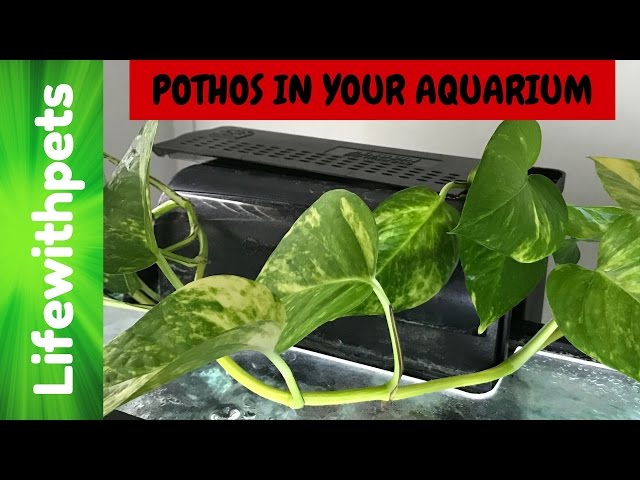
Live plants offer the most sustainable nitrate solution, with pothos emerging as the emergency hero in multiple success stories. Place pothos roots directly in the tank or filter chamber (after rinsing soil-free), and they’ll absorb nitrates “almost as fast as your fish produce them,” per one aquarist’s observation. Floating plants like red root floaters or water lettuce provide instant results since their roots dangle freely in the water column. For planted tanks, fast-growing species like water sprite or water wisteria work equally well. Key advantages:
– Zero cost (pothos cuttings grow from grocery store plants)
– Continuous nitrate removal without maintenance
– Safe for all fish (no plant-eaters required)
One tank owner added pothos after losing fish to nitrates and saw levels plummet within days—no chemicals needed.
Specialized Media and Bacteria for Rapid Recovery

When plants alone won’t suffice, deploy targeted chemical solutions. API Nitra-Zorb or Seachem DeNitrate media added to filters binds nitrates physically, providing immediate relief during crises. One aquarist dropped levels from 80 ppm to safe ranges within 72 hours using Nitra-Zorb alongside daily water changes. Pair this with bacterial supplements like Seachem Stability to accelerate biological processing:
– Add bacteria after* water changes (never before)
– Use full doses for three consecutive days
– Avoid antibiotics or medications that kill beneficial bacteria
This two-pronged approach rescued a tank where nitrates persisted for weeks despite aggressive water changes.
Emergency Protocol for Gasping Fish
If fish exhibit heavy breathing, execute this four-step emergency protocol immediately:
1. Test nitrates—confirm levels exceed 40 ppm (critical threshold)
2. Perform 50-75% water change with pre-conditioned water
3. Boost surface agitation using an airstone or filter adjustment to maximize oxygen
4. Isolate distressed fish in a hospital tank with clean water
Never clean filters during this phase—beneficial bacteria are essential for recovery. One owner prevented total tank collapse by moving gasping fish to an emergency setup while treating the main tank.
Preventing Nitrate Buildup: The Weekly Testing Habit
Avoid emergencies through three non-negotiable habits:
– Test nitrates weekly with liquid kits (strips lack precision)
– Reduce feeding to what fish consume in 2 minutes—overfeeding causes 70% of nitrate spikes
– Schedule 30% water changes weekly before problems arise
One aquarist eliminated recurring nitrate issues by adding pothos and cutting feeding frequency in half. Remember: nitrates reflect your tank’s waste management efficiency. Consistent testing transforms guesswork into control, ensuring your aquarium remains a thriving ecosystem rather than a ticking time bomb.
Final Note: High nitrates demand vigilance, not panic. By recognizing respiratory distress as your critical warning sign and deploying immediate water changes with strategic plant or media support, you reclaim control before fish pay the price. Start testing today—your silent killer won’t wait.