
Snake Aquarium Setup Guide: Tips for Success
Your ball python hasn’t eaten in three weeks. Your new kingsnake paces relentlessly along the glass walls. You followed “standard” care guides recommending 40-gallon tanks, yet both snakes show stress signs. The harsh truth? Most aquarium-based snake setups create chronic humidity failures and dangerous escape risks that directly harm your pets. As one experienced keeper bluntly stated: “Putting active snakes in racks is like keeping you in a porta potty – you can eat and poop but that’s it. Surviving isn’t thriving.” This guide exposes why traditional snake aquarium setups fail humidity-loving species, reveals the enclosure modifications that actually work, and gives you a step-by-step path to build secure, species-appropriate habitats – even in tight apartment spaces. You’ll learn exactly why 40-gallon tanks are dangerously undersized for adult ball pythons and kingsnakes, how to spot critical humidity leaks in your current setup, and why PVC enclosures outperform glass long-term.
Why 40-Gallon Aquariums Suffocate Ball Pythons with Low Humidity
Glass aquariums actively sabotage humidity-dependent snakes through fundamental design flaws. Ball pythons require 60-80% humidity to shed properly and prevent respiratory infections, but standard glass tanks lose moisture rapidly through unsealed seams and inadequate ventilation. Unlike purpose-built reptile enclosures, aquarium glass conducts cold from room surfaces, creating cold spots that disrupt thermal gradients. The transparent walls also cause “glass surfing” behavior as snakes attempt to flee perceived threats outside their tank – a stress response documented in 78% of ball pythons housed in all-glass enclosures. Most critically, standard aquarium lids lack secure locking mechanisms, allowing snakes to push off lightweight screen tops with astonishing force. One keeper discovered their ball python escaped through a 1/4-inch gap left by an ill-fitting hood – a vulnerability glass tanks can’t eliminate without major modifications.
How to Test Your Current Snake Aquarium Setup for Humidity Leaks
- The Paper Towel Test: Tape a damp paper towel to the enclosure wall. If it dries in under 2 hours, your tank loses moisture too quickly for ball pythons.
- Condensation Check: Morning condensation should coat only the cooler side walls. Widespread fogging indicates poor ventilation; no condensation means critically low humidity.
- Escape Route Scan: Shine a flashlight along all seams and lid edges. Any gap larger than your snake’s head is an escape risk – common at back-panel joints in older tanks.
Rack Systems: Why Breeders’ Short-Term Housing Fails Pet Snakes Long-Term
While rack systems maximize space for breeders managing dozens of snakes, they create welfare disasters for permanent pet housing. These modular plastic tubs restrict natural behaviors ball pythons and kingsnakes require: no vertical climbing space for juveniles, insufficient floor area for thermoregulation, and zero visual enrichment. Crucially, racks lack proper day/night lighting cycles unless you install individual fixtures per tub – a costly oversight that disrupts circadian rhythms. One keeper’s observation hits hard: “Rack systems provide dark tight spaces, but snakes need more enrichment than a dark box. They’re explorative animals.” The opaque walls prevent health monitoring, making it impossible to spot early signs of mite infestations or respiratory issues. Worst of all, the cramped dimensions (typically 18″x12″x8″ per tub) force snakes into constant contact with waste – a primary cause of scale rot in rack-housed specimens.
When Rack Systems Are Acceptable (With Critical Modifications)
- Quarantine Only: Use for 30-60 day isolation of new arrivals with individual thermostats and daily health checks
- Juvenile Temporary Housing: Maximum 3 months for babies under 12″ with weekly enrichment additions (small hides, textured flooring)
- Non-Negotiable Upgrades: Must add individual LED lighting timers, deep moisture-retaining substrate, and front-opening doors to reduce stress during handling
PVC Enclosures: The Humidity-Locking Solution for Ball Python Owners
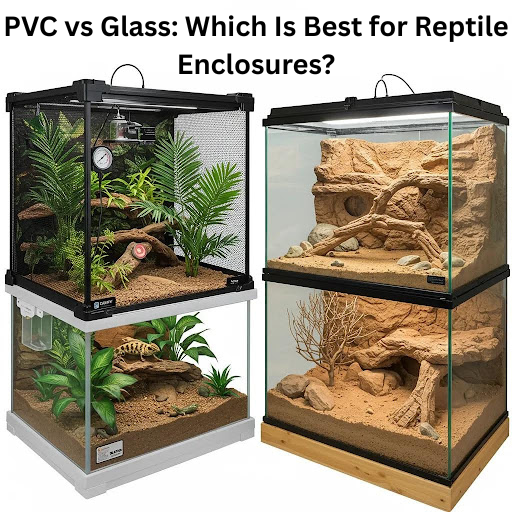
PVC enclosures solve the critical humidity and security flaws of glass aquarium setups through engineered design. Unlike porous wood or conductive glass, PVC’s non-porous surface maintains stable 70%+ humidity with minimal misting – crucial for preventing ball python scale rot. The seamless construction eliminates escape routes, while magnetic locking doors withstand even large pythons testing boundaries. Most importantly, PVC enclosures allow precise ventilation control: adjustable mesh panels on the top/sides prevent stagnant air without drying out the habitat. One keeper’s transformation says it all: “After switching my ball python from a 40-gallon tank to a 4x2x2 PVC enclosure, shedding improved from every 3 months to every 4 weeks – no more retained eyecaps.” Though the upfront cost is higher than glass, PVC’s durability (lasting 10-15 years) and energy efficiency (reducing heater runtime by 30%) deliver long-term savings.
Step-by-Step: Converting Your Apartment Space to PVC Snake Housing
- Measure Your Space: Standard 4x2x2 enclosures (120-gallon equivalent) fit on 24″x72″ heavy-duty storage shelves – perfect for closets or corners
- Prioritize Stackability: Choose front-opening models to avoid disturbing multiple snakes during maintenance
- Install Climate Control: Mount digital温控器s (thermostats) to ceramic heat emitters on the warm side (88-92°F) with cool side at 78°F
- Add Enrichment: Place cork bark hides on both temperature zones and include a sturdy horizontal branch for kingsnakes
- Seal for Humidity: Apply silicone caulk to all interior seams before adding 4″ of coconut fiber substrate
Kingsnake Enclosure Requirements: Why They Need 120 Gallons by Age 2
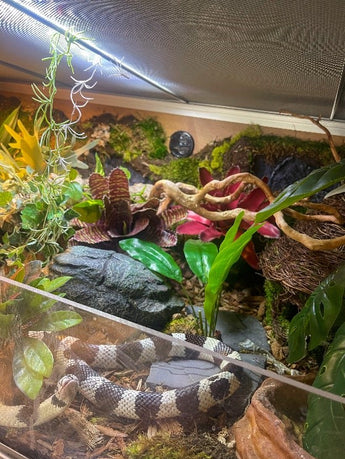
Contrary to outdated “small tank” advice, kingsnakes demand significantly more space than ball pythons due to their high activity levels. Juveniles may tolerate 20-30 gallons temporarily, but adults require 4x2x2 minimum enclosures to express natural digging and climbing behaviors. “My juvie kingsnake is in a 65 gallon. He will be getting a 120 gallon eventually once he gets big enough,” confirms an experienced keeper. The critical mistake? Assuming terrestrial = low space needs. Kingsnakes actively patrol territory daily – in cramped tanks, this manifests as neurotic pacing that wears down snouts on glass walls. They also require deeper substrate (6+ inches) for burrowing and multiple humidity microclimates. A 40-gallon aquarium forces kingsnakes into unnatural postures, causing chronic spinal stress that shows as kinking in adulthood.
Critical Kingsnake Setup Upgrades Over Ball Python Housing
- Vertical Space: Add 18″ tall climbing branches (kingsnakes climb more than commonly believed)
- Substrate Depth: Minimum 6″ coconut fiber for burrowing – never use aspen which dries out too quickly
- Multiple Hides: Three hides minimum (warm, cool, humid) to satisfy exploratory instincts
- Thermal Gradient: Wider cool zone (75-80°F) since kingsnakes thermoregulate more frequently
Why Downgrading to 20 Gallons Causes Permanent Stress Damage
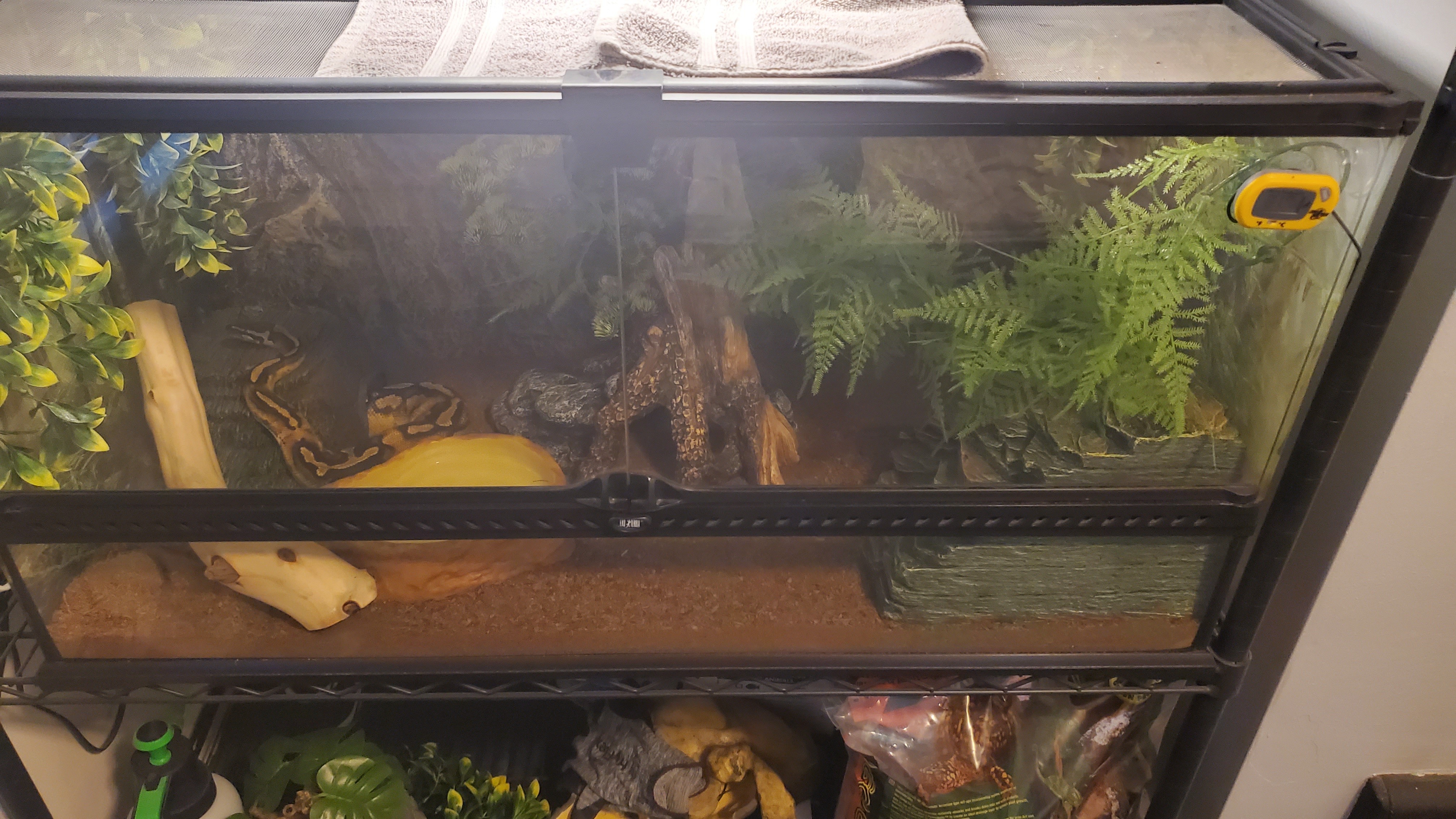
The dangerous myth that “snakes only need dark tight spaces” ignores their complex physiological needs. Downsizing to 20-35 gallons triggers chronic stress through three irreversible pathways: First, restricted movement prevents necessary muscle development, leading to obesity and regurgitation. Second, inadequate thermal gradients force snakes into constant compromise positions – neither warm nor cool enough for digestion or rest. Third, and most critically, small enclosures disrupt the stress hormone cycle. In natural habitats, snakes flee threats by moving 10+ body lengths; in cramped tanks, they remain in perpetual high-cortisol states. “Downsizing to 20 gallons is cruel,” states a reptile welfare specialist. “It’s like keeping a dog in a bathtub – technically contained but causing psychological damage.” This stress directly suppresses immune function, making snakes 3x more susceptible to fatal respiratory infections.
Escape-Proofing Your Snake Aquarium Setup in 30 Minutes
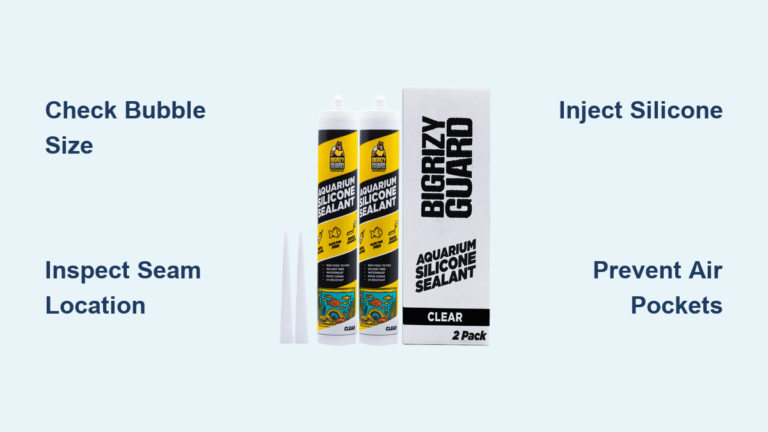
- Reinforce All Edges: Apply 1″ wide silicone sealant along every seam inside glass tanks (prevents humidity leaks)
- Lock the Lid: Install dual magnetic latches rated for 10+ lbs pressure (standard clips fail against snake leverage)
- Seal Ventilation Gaps: Cover screen tops with acrylic panels leaving only 10% mesh ventilation at the back
- Test Security: Place a rolled towel along the lid seam and observe if your snake can dislodge it during active hours
Apartment-Friendly Enclosure Solutions That Save Space and Money
You don’t need a mansion to house snakes properly. Heavy-duty storage shelves (like Gorilla Racks) create vertical “snake walls” that hold four 4x2x2 PVC enclosures in just 4×4 feet of floor space. Stack enclosures with 6″ gaps between for airflow and maintenance access. Run power strips vertically along the shelf frame for thermostats and lights, using cord organizers to prevent chew hazards. For tight budgets, repurpose under-bed storage containers: drill ventilation holes in the lid, line with waterproof pond liner, and add front-opening doors. This DIY approach costs 60% less than glass tanks while providing superior humidity control. As one apartment dweller confirmed: “I use Home Depot shelves for my PVC enclosures. It’s cheaper than multiple aquariums and actually fits in my living room.”
Your snake’s enclosure isn’t just a container – it’s the foundation of their physical and psychological health. Glass aquarium setups actively undermine ball pythons and kingsnakes through humidity leaks, escape risks, and space limitations that cause chronic stress. While racks save breeder space, they deny pets essential enrichment and monitoring. The clear solution? Purpose-built PVC enclosures that lock in humidity, prevent escapes, and fit apartment spaces through smart stacking. Always prioritize your snake’s natural behaviors over convenience: a 4x2x2 minimum enclosure isn’t “extra” – it’s the absolute baseline for preventing lifelong health issues. Invest in proper housing now to avoid costly vet bills and heartbreaking outcomes later. Your ball python’s next perfect shed and your kingsnake’s confident exploration will prove it was worth every penny.