How Long Do Live Aquarium Plants Last?
You set up your dream planted tank with vibrant green stems and lush rosettes, only to watch them slowly deteriorate within months. That heartbreaking moment when your once-thriving Amazon Sword starts yellowing or your Java Fern develops brown spots makes you wonder: how long do live plants last in an aquarium anyway? The frustrating truth is most beginners assume plants should live forever, but reality hits hard when they melt away. Your plants aren’t failing you—they’re signaling mismatched conditions or care gaps that slash their potential lifespan.
This isn’t about arbitrary expiration dates. The longevity of your aquatic garden hinges on a precise interplay of species biology and your tank management. Forget generic advice—this guide reveals exactly how long specific plants survive under real-world conditions and gives you actionable strategies to transform short-lived specimens into decade-long centerpieces. By the end, you’ll know precisely why your plants die prematurely and how to make them thrive far beyond typical expectations.
3 Critical Mistakes That Slash Your Aquarium Plant Lifespan by 90%
Most plant deaths stem from preventable errors that mimic starvation in your tank’s ecosystem. These aren’t “bad luck” scenarios—they’re direct consequences of unstable conditions that trigger rapid decline.
Why Your Light and Nutrient Schedule Is Starving Plants
Plants don’t just need light and nutrients—they need consistent delivery matching their biological rhythms. Run your lights 12+ hours daily without nutrient dosing? You’re creating algae factories that smother slow-growers like Anubias within weeks. Skimp on weekly water changes? Dissolved organic compounds build up, poisoning roots and causing “crypt melt” in rosette plants. Critical mistake: Turning lights on/off at random times stresses plants more than low light. Stick to 6-8 hours daily with a timer, and dose liquid fertilizer after water changes when nutrient levels are lowest. Watch for translucent new leaves—that’s potassium deficiency signaling your plants won’t survive another month without correction.
How Water Parameter Swings Trigger Instant Plant Collapse
That “shock” when you add tap water straight from the faucet? It’s lethal. A sudden 2° pH shift or temperature drop forces plants into survival mode, halting growth and weakening defenses against algae. Fast-growing stem plants like Rotala show damage first—leaf drop within 48 hours—but even hardy Java Ferns develop black spots after repeated fluctuations. Pro tip: Test GH/KH weekly and match replacement water parameters exactly using RO water blended with tap. Keep a spare container aging at tank temperature to avoid thermal shock during changes.
Why Burying Rhizomes Kills Your “Forever Plants” in Months

Anubias and Java Ferns can live 10+ years—but only if you avoid this fatal error. Burying their thick horizontal rhizomes in substrate causes instant rot, killing the plant within 30 days. Yet beginners keep making this mistake because tutorials show “planting” them like stem cuttings. Visual cue: Healthy rhizomes should sit atop driftwood or rocks with roots dangling freely. If you see blackening at the base, remove the plant immediately and scrape off decayed sections with a sterile blade.
Exact Lifespans by Plant Type: Stem, Rhizome, Rosette & Mosses
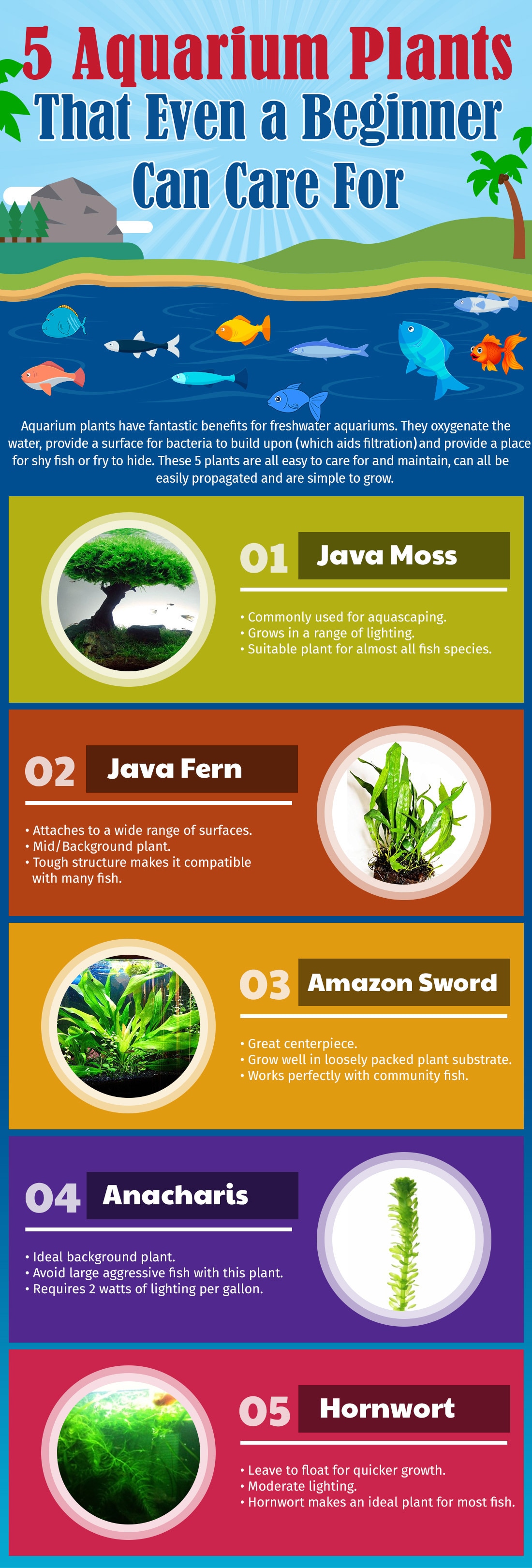
Your plant’s biological design dictates its survival timeline—whether it’s months or decades. Stop guessing; use this species-specific cheat sheet.
Stem Plants: How to Keep Hygrophila Alive Indefinitely (Not Just 6 Months)
Hygrophila, Rotala, and Ludwigia stems rarely survive beyond 8 months if left untrimmed. But here’s the secret: their genetic lineage can persist for decades through propagation. When the base turns woody and stops sprouting new leaves (usually at 6-12 months), cut the top 5 inches just above a leaf node. Remove lower leaves, replant the cutting, and discard the old stem. Do this every 3 months, and your “original” plant—genetically identical through clones—will outlive you. Time-saver: Trim during weekly water changes; healthy cuttings root in 72 hours.
Rhizome Plants: Why Java Fern Outlives Your Fish (10+ Year Secrets)
Java Fern, Anubias, and Bucephalandra are the tortoises of the aquarium world—with documented cases of 15+ year survival. Their rhizomes store energy to survive months of neglect, but they demand one non-negotiable: never cover the rhizome. Attach to hardscape using super glue gel (not thread, which cuts into tissue). In stable tanks with moderate light, these plants add just 1-2 new leaves monthly—but that slow growth is why they thrive for over a decade. Warning: Brown spots mean too much light; move to shaded areas immediately.
Rosette Plants: Stop Amazon Swords From Dying After 18 Months
Echinodorus and Cryptocoryne species follow a strict lifecycle: grow for 12-18 months, flower, then decline. But “death” is avoidable. When your Amazon Sword sends a flower stalk to the surface (signaling its end phase), snip runners with 3+ leaves before the mother plant yellows. Transplant these clones elsewhere—they’re genetically identical and will mature faster than new purchases. For Cryptocoryne, skip flowering entirely by keeping tanks below 78°F; they’ll live 3+ years without stress-induced melt.
Mosses & Floaters: Why Java Moss Colonies Last Forever (If You Trim Weekly)
Individual Java Moss fronds live only 2-3 months, but the colony regenerates through fragmentation. Frogbit and Salvinia have even shorter individual lifespans (4-6 weeks), yet their colonies persist indefinitely with one rule: remove 30% weekly. Let floaters blanket the surface? They block light, killing lower plants in days. Let moss grow unchecked? It traps detritus, causing internal decay. Use scissors to thin moss into “carpet” form, and scoop excess floaters during water changes—this forces constant new growth.
5 Non-Negotiable Steps to Make Aquarium Plants Live 5+ Years
Your tank’s longevity blueprint starts before the first plant enters the water. These steps transform temporary greenery into permanent landscapes.
Match Plants to Your Tank Type (Not the Reverse)
Forcing high-light Rotala into a low-tech tank guarantees 3-month survival. Instead, diagnose your setup first:
– Low-tech (no CO2, <30 PAR light): Java Fern, Anubias, Java Moss
– Medium-tech (fertilizer, 40-60 PAR): Cryptocoryne, Vallisneria
– High-tech (CO2, 80+ PAR): Rotala, Ludwigia, Hemianthus
Consequence: Mismatched plants show deficiency symptoms within weeks—yellow leaves (nitrogen lack) or holes in new growth (potassium deficiency).
Quarantine Like a Pro: Stop Disease Before It Kills Plants
New plants introduce 90% of tank problems. Dip protocol for every purchase:
1. Soak in 19:1 water/bleach solution for 2 minutes
2. Rinse thoroughly in dechlorinated water
3. Soak 15 minutes in 2ppm potassium permanganate
This kills snails, algae spores, and pathogens that cause root rot. Skip this, and your entire tank could collapse in 30 days.
Fertilize Strategically: The Root Tab vs. Liquid Debate
Heavy root-feeders like Amazon Swords need nutrient-rich substrate (not gravel!) with root tabs inserted 2 inches deep every 3 months. Meanwhile, floating plants absorb nutrients directly from water—dose liquid fertilizer daily at 50% bottle strength. Critical error: Dosing full-strength fertilizer weekly causes algae explosions.
Weekly Maintenance That Adds 2+ Years to Plant Life
- Water changes: 50% weekly (not 25%) to remove organic waste
- Pruning: Trim stem plants before they reach the surface
- Algae control: Add 1 Amano shrimp per 10 gallons; they eat problem algae without harming plants
Time commitment: 15 minutes weekly prevents 10+ hours of emergency fixes later.
Propagate During Water Changes: The Forever Plant Method
Your most powerful longevity tool happens in 60 seconds during maintenance:
1. When trimming stem plants, replant cuttings immediately
2. Separate rosette runners with tweezers
3. Divide rhizomes only when they exceed 6 inches
This continuous renewal cycle makes your “original” plant genetically immortal. A single Anubias division from 2010 can still thrive today through proper splitting.
Propagation Secrets: How to Keep Your Aquarium Plants Alive Forever
The question “how long do live plants last in an aquarium” misses the point—propagation turns finite lifespans into perpetual growth. When your Amazon Sword flowers and the mother plant declines, don’t mourn; harvest its runners. Each new plantlet carries the original genetics, effectively making that first Sword cutting immortal. For stem plants, never let cuttings sit in water more than 24 hours before replanting—root development slows after that, reducing survival chances by 70%. With rhizome plants, wait until natural splits form before cutting; forcing separation damages tissue and invites infection.
Your aquarium’s longevity isn’t predetermined—it’s built weekly through consistent light schedules, precise fertilization, and strategic propagation. Start implementing these steps today, and your plants won’t just survive; they’ll become living heirlooms passed between tanks for decades. The vibrant green jungle you envision isn’t temporary—it’s absolutely achievable when you work with your plants’ biological clocks instead of against them.