Pleco Lifespan in Aquarium: How Long Do They Live?
You’ve probably seen conflicting claims about bristlenose pleco lifespan in aquariums—some sources suggest just 5 years while others promise 25. This confusion is frustrating when you’re making a long-term commitment to these algae-eating companions. The reality? A well-cared-for bristlenose pleco (Ancistrus sp.) typically thrives for 10 to 15 years in home aquariums, with 12-15 years being standard under optimal conditions. Unlike their oversized common pleco cousins that outgrow tanks, bristlenoses stay manageable at 4-6 inches, making their decade-plus lifespan a realistic possibility for dedicated hobbyists. When you bring home an albino bristlenose for your 30-gallon community tank, you’re not just adding a clean-up crew member—you’re welcoming a potential lifelong resident that could outlast your initial tank setup.
This longevity transforms your pleco from a temporary solution into a core part of your aquarium’s ecosystem. Many beginners underestimate this commitment, assuming these hardy fish require minimal care. But achieving that full 15-year pleco lifespan in aquariums hinges entirely on replicating their natural riverbed habitat through precise water management, targeted nutrition, and strategic tank design. The good news is that with the right approach, you can avoid the premature deaths that plague plecos in poorly maintained systems. Let’s cut through the misinformation and give you the actionable roadmap to maximize your bristlenose’s lifespan.
Why Your Bristlenose Pleco Lives 10-15 Years (Not 5 or 25)
Bristlenose plecos shatter the myth that aquarium fish can’t live long. Their exceptional 10–15 year lifespan stems from evolutionary adaptations as river-dwelling survivors in fast-flowing South American waters. Unlike short-lived species bred for color, bristlenoses retain wild resilience when given proper conditions. This isn’t theoretical—experienced aquarists consistently report 12+ year lifespans, with forum communities like Reddit’s r/Aquariums confirming “excess of 10 years” as standard. The 25-year claims? Likely confusion with much larger pleco species in massive public aquariums, while the 5-year figures reflect neglect in undersized tanks with poor diets. Your 30-gallon setup with a betta and nerite snail already avoids the most common pitfalls, putting you on track for a decade-plus companionship.
Critical Factors That Determine Your Pleco’s Lifespan
How Water Quality Directly Controls Pleco Longevity
Ammonia spikes and nitrate buildup silently sabotage pleco lifespan in aquariums more than any other factor. These fish evolved in oxygen-rich rivers with zero pollutants, making them hyper-sensitive to tank toxins. A single week of ammonia above 0.25 ppm stresses their immune system, while chronic nitrates over 20 ppm cause organ damage that shortens lifespan by years. Implement this non-negotiable routine:
– Test water twice weekly with liquid test kits (strips lack precision)
– Perform 25% water changes every 5–7 days—never skip even when parameters seem stable
– Maintain 72–79°F (22–26°C) temperature with a heater guard to prevent burns
– Keep pH between 6.5–7.8 using Indian almond leaves instead of chemical adjusters
– Zero ammonia/nitrite at all times—these indicate filter failure requiring immediate action
Why Diet Makes or Breaks Pleco Lifespan Expectations
Calling bristlenoses “algae eaters” is dangerously misleading—their natural diet includes biofilm, decaying wood fibers, and aquatic plants. A pleco surviving solely on tank algae faces slow starvation, explaining why so many die before age 5. To hit that 15-year mark:
– Feed sinking algae wafers nightly—they’re nocturnal so drop food after lights out
– Supplement with blanched zucchini or cucumber 3x weekly (remove after 12 hours to prevent decay)
– Provide driftwood 24/7—rasping wood provides essential cellulose for digestion
– Avoid protein-heavy foods like bloodworms more than once weekly (causes fatty liver disease)
– Never skip feeding—”clean-up crew” is a myth; they need dedicated meals like any fish
Tank Setup Secrets for Maximizing Pleco Lifespan
Bristlenoses need specific environmental cues to thrive long-term. A cramped, barren tank triggers chronic stress that erodes lifespan even with perfect water. Your 30-gallon is the absolute minimum—upgrade to 40+ gallons for males who become territorial. Prioritize these elements:
– Substrate: Smooth sand or fine gravel to protect barbels (rough rocks cause infections)
– Hiding spots: 1 cave per pleco (clay pots, PVC pipes) positioned away from filter outflow
– Current: Use powerheads to mimic river flow—they refuse to eat in stagnant water
– Plants: Anchor Java fern or Anubias to driftwood—plecos hide under leaves at night
How to Avoid These 3 Pleco Lifespan Killers
Why Your Pleco Starves Despite “Clean” Tank Conditions
The #1 cause of premature death is dietary neglect. Owners assume plecos eat fish waste or leftover flakes, but they ignore both. Without supplemental feeding, plecos slowly waste away as their digestive systems shut down from fiber deficiency. Warning signs: Sunken belly, faded coloration, daytime lethargy. Fix this immediately:
1. Feed high-fiber algae wafers every evening (they won’t compete with daytime feeders)
2. Add catappa leaves—they release tannins that boost immunity while providing biofilm
3. Place food near their cave so faster fish don’t steal it
Aggression Traps That Shorten Pleco Lifespan
While peaceful with mid-water fish like tetras, bristlenoses turn fiercely territorial toward bottom dwellers. Housing two males in under 55 gallons causes constant stress that suppresses immunity. Critical insight: They don’t need “buddies”—as JosVermeulen notes in aquarium forums, “She’s fine alone.” If adding another:
– Keep only one male per 55 gallons (males have bushier head growth)
– Females tolerate closer quarters but still need individual caves
– Never pair with cichlids or loaches—they’ll harass plecos at night
Filtration Mistakes That Cripple Pleco Longevity
Bristlenoses produce heavy waste from constant grazing, yet many tanks use undersized filters. A clogged HOB filter causes nitrate spikes within days. Solution: Install a canister filter rated for 2x your tank size (e.g., 60-gallon filter for 30-gallon tank). Clean filter media in old tank water only—tap water destroys beneficial bacteria. Add sponge pre-filters to prevent pleco suction into intakes.
Your 4-Step Plan for a 15-Year Pleco Lifespan

Step 1: Build a River-Mimicking Habitat
Start with a 30+ gallon tank (40+ for males) using these non-negotiables:
– Substrate: 2″ layer of fine river sand
– Driftwood: At least one large piece (soak 48 hours first)
– Caves: 2-3 per pleco (angled entrances prevent territorial blocking)
– Plants: Java moss on driftwood for natural grazing
Step 2: Implement Precision Water Management
Forget “set and forget” filters. Your weekly routine must include:
– Monday: 25% water change + test nitrates
– Thursday: Clean filter intake sponge in tank water
– Daily: Check temperature stability (fluctuations >2°F stress plecos)
– Monthly: Replace 10% of filter media to maintain bacteria balance
Step 3: Master the Nightly Feeding Protocol
Since bristlenoses feed after dark:
– 7 PM: Turn off tank lights
– 7:15 PM: Drop 1 algae wafer per pleco near their cave
– 8 PM: Add blanched veggie slice if scheduled that day
– 10 PM: Remove uneaten veggies (never leave overnight)
Step 4: Choose Compatible Tank Mates Wisely
Stick to this proven community:
– Safe: Neon tetras, harlequin rasboras, otocinclus
– Risky: Bettas (only if tank >30g with hiding spots), guppies
– Never: Goldfish (wrong temperature), cichlids, barbs
Spot These Health Clues Before Lifespan Threats Escalate
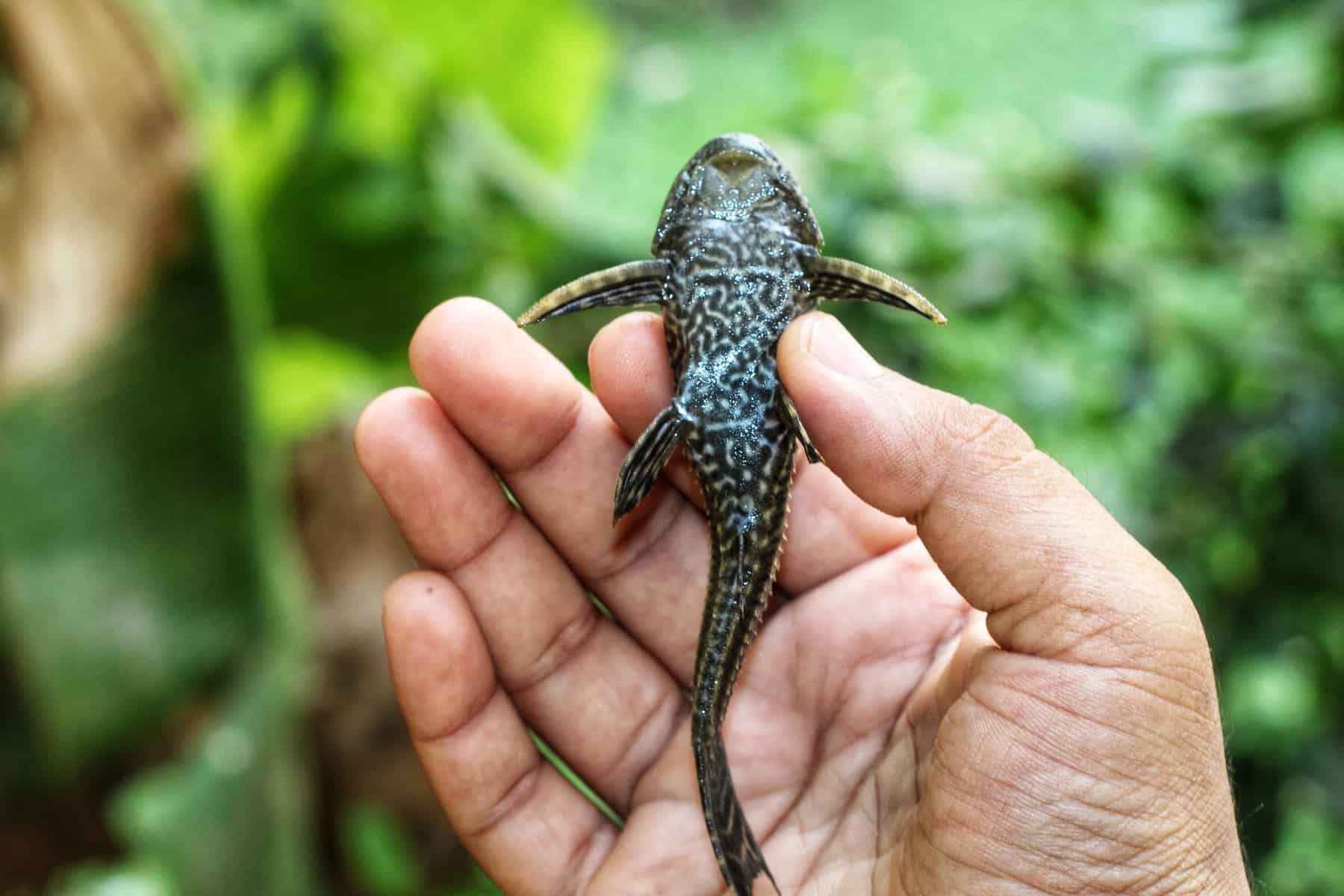
A healthy bristlenose shows full belly contours (not pinched), active nighttime grazing, and clear eyes with no cloudiness. Warning signs requiring immediate action:
– White salt-like spots: Ich infection—raise temp to 82°F + add aquarium salt
– Pitted head: Hole-in-the-head disease—boost vitamin-rich foods immediately
– Clamped fins: Nitrate poisoning—do 50% water change + test source water
When selecting a new pleco, prioritize fish with rounded bellies (not concave), no white spots, and active movement. Avoid specimens hiding constantly—they’re likely stressed from poor store conditions.
By implementing these targeted strategies, your bristlenose transitions from a temporary tank helper to a decade-long companion. Remember that achieving maximum pleco lifespan in aquariums isn’t about luck—it’s the direct result of replicating their natural riverbed environment through precise water chemistry, species-appropriate nutrition, and stress-minimized tank design. That albino pleco in your 30-gallon community tank isn’t just cleaning glass; she’s potentially your longest aquatic friend if you provide driftwood for digestion, nightly algae wafers, and stable water that never sees ammonia spikes. Start tonight by dropping her first dedicated meal after lights out—this single habit alone prevents the starvation that cuts so many pleco lifespans short. Commit to these fundamentals, and you’ll enjoy her gentle presence for 12+ years, watching her become the serene elder statesman of your aquarium ecosystem.