Hydrogen Peroxide for Aquarium Algae: Safe Removal Tips
You’re staring at your aquarium, heart sinking as black beard algae (BBA) creeps over your prized Anubias and driftwood. That stubborn, hair-like growth seems unstoppable—until you discover a $1 solution hiding in your medicine cabinet. Hydrogen peroxide (H₂O₂) has become the secret weapon of experienced aquarists for surgically eliminating tough algae without draining your tank or harming fish. Unlike chemical algaecides that linger in your ecosystem, this household staple breaks down harmlessly into water and oxygen within hours. In this guide, you’ll learn exactly how to deploy hydrogen peroxide against black beard algae and green hair algae (GHA) in under five minutes, using methods proven safe for fish but lethal to algae.
Why Hydrogen Peroxide Instantly Destroys Algae Cells
Hydrogen peroxide’s algae-killing power comes from its unstable oxygen molecule. When 3% H₂O₂ contacts algae, it releases a free oxygen atom that oxidizes and ruptures the algae’s cellular structure. You’ll see this reaction immediately as tiny bubbles form on the treated area—exactly like peroxide fizzing on a cut. This bubbling action is your visual confirmation that the treatment is working. Crucially, this oxidation happens locally without disrupting your entire tank’s chemistry since peroxide decomposes completely within 30 minutes. Unlike algaecides that require full-tank dosing, hydrogen peroxide allows you to target only the infected spots, leaving your beneficial bacteria and healthy plants untouched.
How Peroxide Targets Specific Algae Types Differently
Not all algae respond equally to hydrogen peroxide treatment. Your success depends on matching the method to the invader:
| Algae Type | Effectiveness | Critical Treatment Insight |
|---|---|---|
| Black Beard Algae | ★★★★★ | Turns pink/red within 48 hours after treatment |
| Green Hair Algae | ★★★★☆ | Requires direct contact; bubbles visibly on contact |
| Blue-Green Algae | ★★☆☆☆ | Needs repeated spot treatments; not first choice |
| Green Spot Algae | ★☆☆☆☆ | Manual scraping works better than peroxide |
| Brown Diatoms | ☆☆☆☆☆ | Indicates new tank issues; peroxide ineffective |
Spot Treatment Protocol: Eliminate Algae Without Tank Shutdown
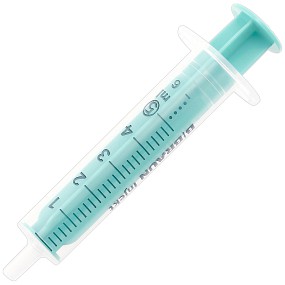
This method kills visible algae in minutes while keeping fish and plants safe. You’ll need a 3mL syringe (available at pharmacies), 3% hydrogen peroxide, and a towel. Never use concentrations stronger than 3%—higher strengths risk fish fatalities.
Step 1: Prepare During Water Changes
Perform treatments immediately after removing 30-50% of tank water. Lower water levels give you better access to algae-covered driftwood and rocks. Turn off all filters, pumps, and CO2 systems to prevent current from washing away the peroxide. Wait 5 minutes for water to become still.
Step 2: Apply with Surgical Precision
Draw 1-2mL of 3% hydrogen peroxide into your syringe. For stubborn black beard algae patches:
– Hold the syringe tip 1cm from the algae
– Slowly dispense drops directly onto the growth
– Stop when you see vigorous bubbling (30-60 seconds)
– Critical: Never spray near fish or invertebrates—move them away with a net first
Step 3: Post-Treatment Protocol
After 30 seconds of bubbling:
1. Resume filter operation to circulate decomposed peroxide
2. Remove dead algae fragments with tweezers
3. Perform a 25% water change 24 hours later
4. Expect treated BBA to turn pink within two days and detach
Pro Tip: Attach 6 inches of airline tubing to your syringe tip (as recommended by experienced aquarists). This lets you reach deep into rock crevices without submerging the entire syringe.
Dip Treatment for Decorations: Eradicate Algae in 3 Minutes
For severe algae on removable items like driftwood or rocks, this method delivers 100% kill rates. Never dip live plants—this can destroy delicate species like Cryptocoryne.
- Remove affected item from tank
- Prepare 10% solution: Mix 1 part 3% hydrogen peroxide with 2 parts water
- Submerge item for exactly 3 minutes (set a timer!)
- Rinse thoroughly under running dechlorinated water
- Return to tank only after bubbling stops completely
Warning: Driftwood may temporarily release tannins after treatment, causing harmless yellow water discoloration. Soak in fresh water for 24 hours if this occurs.
Full-Tank Treatment: Emergency Algae Blitz (Use Only as Last Resort)

Reserve this method for catastrophic algae outbreaks after exhausting all other options. This risks killing snails, shrimp, and sensitive fish like discus.
Safe Full-Tank Dosing Formula
- Maximum dose: 1mL of 3% hydrogen peroxide per gallon of water
- Critical steps:
1. Remove all invertebrates (shrimp, snails, crabs)
2. Turn off filters and aeration
3. Slowly pour peroxide around tank perimeter
4. Wait exactly 30 minutes
5. Perform 50% water change before restarting equipment
Real-world caution: One aquarist reported using 4.7mL/gallon without losses in a 16-gallon tank with hardy fish (rasboras, otos), but experts warn this approaches dangerous levels. Always start with 0.5mL/gallon and observe for 15 minutes before adding more.
5 Critical Safety Rules That Prevent Tank Disasters
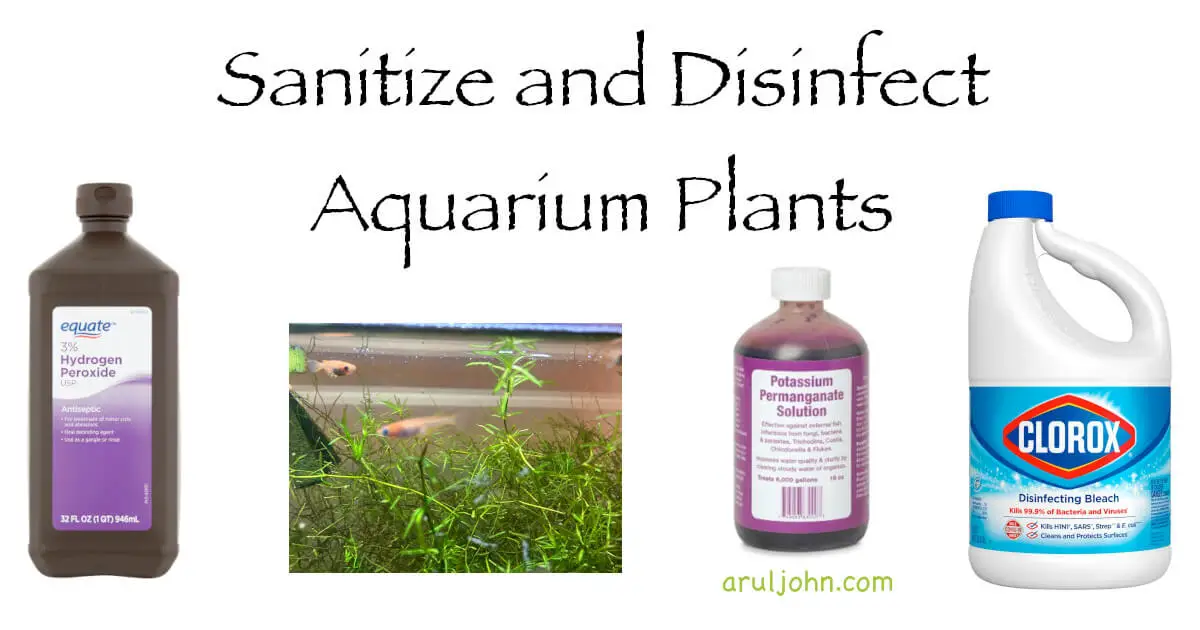
Hydrogen peroxide is safe only when used with military precision. Violate these rules and you risk mass die-offs:
- NEVER exceed 3mL per gallon – Higher doses deplete oxygen as peroxide decomposes, suffocating fish
- ALWAYS use fresh peroxide – Expired solutions (check bottle date) lose effectiveness and won’t bubble on contact
- NEVER combine with Excel or other algaecides – Creates toxic compounds lethal to invertebrates
- TEST on one plant leaf first – Dip a single leaf in peroxide solution; if it turns white in 10 minutes, skip treatment
- REMOVE invertebrates immediately – Snails and shrimp die within hours even at low doses
Urgent note: If you overdose, perform immediate 70% water changes and add an air stone for emergency oxygenation. Watch for gasping fish at the surface—a sign of oxygen depletion.
Why Hydrogen Peroxide Beats Commercial Algaecides
While products like Excel cost $15 for 16oz, a 32oz bottle of 3% hydrogen peroxide costs $1 at drugstores. More importantly, peroxide leaves zero chemical residue—it becomes pure water and oxygen. Commercial algaecides often:
– Require full-tank shutdowns
– Harm sensitive plants like Vallisneria
– Leave residues that interfere with fertilizers
– Need multiple applications for same results
As one experienced aquarist noted: “Hydrogen peroxide is cheaper than Excel, but Excel has uses beyond algae treatment once your tank is stable.” Reserve peroxide for emergency spot-killing, not maintenance.
Prevent Regrowth: Fix the Root Causes in 72 Hours
Peroxide kills visible algae but won’t stop regrowth unless you address these triggers:
- Light overload: Reduce photoperiod to 6 hours daily for 3 days
- Nutrient imbalance: Test for nitrates (>20ppm) and phosphates (>1ppm)
- CO2 deficiency: Raise CO2 to 30ppm if growing demanding plants
- Poor maintenance: Vacuum substrate weekly to remove decaying matter
Proven prevention combo: After peroxide treatment, add fast-growing stem plants like hornwort. These outcompete algae for nutrients within 72 hours.
When to Abandon Peroxide and Call Professionals
Stop all peroxide treatments immediately if:
– Algae returns within 3 days despite perfect dosing
– You have sensitive species like crystal shrimp or discus
– Blue-green algae covers >30% of tank surfaces
Persistent outbreaks indicate systemic issues requiring professional water testing. A certified aquarium service can diagnose hidden problems like silicate leaching from decorations or improper nutrient ratios. Remember: peroxide is a scalpel, not a cure-all. As Tom Barr (plant expert) emphasizes: “Focus on the root issue with algae, not the treatment.”
Final Note: Hydrogen peroxide algae treatment works when applied with surgical precision—not as a dump-and-hope solution. By targeting black beard algae and green hair algae during water changes with 1-2mL doses, you’ll clear outbreaks in 48 hours while keeping fish safe. Always follow with root-cause fixes: reduce light, test nutrients, and add competing plants. Keep a fresh 3% peroxide bottle specifically for aquarium use (label it!), and you’ll never panic when algae strikes again. For severe cases, consult an aquarium professional before risking your ecosystem—your $1 solution shouldn’t cost you your entire tank.