How to Add Fish to Aquarium: Quick Steps
You’ve set up your tank, cycled the water, and finally picked out that stunning betta or school of tetras. But if you dump them straight into your aquarium, up to 80% could die within days from preventable stress or disease. The critical mistake most beginners make? Skipping the scientific acclimation process that bridges the gap between store water and your tank ecosystem. Properly introducing fish isn’t just about temperature—it requires managing invisible killers like ammonia spikes and pH shock that collapse gills within hours. In this guide, you’ll learn the exact drip acclimation protocol used by professional aquarists, why quarantine isn’t optional, and how to spot deadly water parameter mismatches before they enter your home.
Your tank’s invisible bacterial colony—the nitrogen cycle—is the make-or-break factor for new fish survival. Without a fully cycled tank (0 ppm ammonia, 0 ppm nitrite, and nitrates below 20 ppm), fish waste turns toxic within hours. Cycling takes 4-6 weeks using fishless methods with pure ammonia, and liquid test kits—not strips—are non-negotiable for accuracy. If your tank isn’t cycled, adding fish is like inviting guests into a house with no plumbing. Today, we’ll walk through the exact steps to add fish safely, from pre-purchase water testing to the 60-minute drip acclimation that prevents osmotic shock.
Why Your Tank Must Be Fully Cycled Before Adding Fish
Adding fish to an uncycled tank is the #1 cause of sudden fish deaths. The nitrogen cycle converts lethal ammonia from fish waste into manageable nitrates through beneficial bacteria colonies. Without this established cycle, ammonia burns gills and suffocates fish within 48 hours. A tank is only “cycled” when it processes 2-4 ppm of ammonia into 0 ppm ammonia and 0 ppm nitrites within 24 hours—confirmed by liquid test kits.
How to Verify Your Tank Is Ready for Fish
- Test daily for 1 week: Measure ammonia, nitrite, and nitrate using a liquid reagent kit (API Freshwater Master Test Kit is industry standard).
- Check nitrate levels: Nitrates should stay below 20 ppm after water changes. Higher levels stress fish and fuel algae.
- Confirm bacterial stability: Add 2 ppm ammonia to the tank. If it converts to 0 ammonia/0 nitrites within 24 hours with nitrates rising, your cycle is robust.
Pro Tip: Never trust test strips—they miss dangerous nitrite spikes. A cycled tank shows 0 ammonia and 0 nitrite consistently for 7 days straight.
The Drip Acclimation Method: Saving Sensitive Fish from Shock
Floating the bag and dumping fish in causes 70% of new fish deaths due to pH or hardness mismatches. The drip method gradually blends your tank water with transport water over 30-60 minutes, preventing osmotic shock that ruptures fish cells. This is critical for discus, dwarf shrimp, or any fish from soft-water stores entering hard-water tanks.
Step-by-Step Drip Acclimation for Maximum Survival
- Float & transfer (5 minutes): Place the sealed fish bag in your tank for 15-20 minutes to match temperature. Then pour fish and bag water into a clean, chemical-free bucket—never use household cleaning buckets.
- Start the drip (2-4 drops/second): Run airline tubing from your tank to the bucket. Tie a loose knot or use a gang valve to control flow. Aim for 2-4 drops per second—too fast causes shock.
- Double the water volume (30-60 minutes): Let tank water slowly fill the bucket until volume doubles. For shrimp or sensitive species, extend to 2-3 hours.
- Net and release (60 seconds): Use a soft mesh net to move fish to your tank. Crucially, discard all bucket water—it contains store pathogens and ammonia.
Warning: Pouring store water into your tank introduces parasites like ich. Always dispose of transport water in the sink, not your aquarium.
Quarantine: Why Skipping This Step Risks Your Entire Tank

Introducing unquarantined fish is like inviting a sick coworker into a germ-free office—diseases spread silently until it’s too late. A bare-bones quarantine tank (10-gallon, heater, sponge filter) catches illnesses like fin rot or velvet before they infect your main display.
Setting Up a Lifesaving Quarantine Tank
- Cycle separately: Run the QT with ammonia for 4 weeks before new fish arrive. Test parameters weekly.
- Observe for 28 days: Watch for clamped fins, white spots, or lethargy. Treat illnesses here without harming main tank bacteria.
- Use hospital-grade tools: Dedicate nets and siphons only to QT to avoid cross-contamination.
Expert Note: 90% of fish deaths in established tanks trace back to unquarantined new arrivals. A $30 QT saves hundreds in replacement fish costs.
How to Test Store Water Before Buying Fish
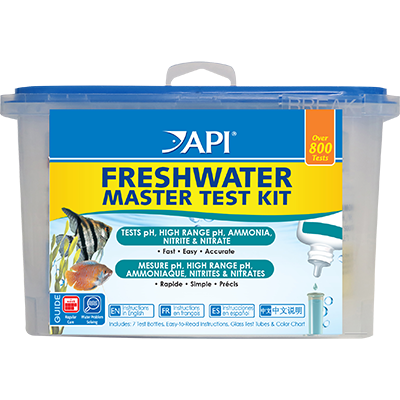
Many fish die because store water parameters clash with your tank. Always test the store’s water before purchasing:
- Ask for a water sample in a clean container.
- Test pH, GH, and KH with your liquid kit. If pH differs by >0.5 or GH by >2 dGH from your tank, skip the fish.
- Check for ammonia: Even 0.25 ppm in transport bags causes gill damage.
Pro Tip: Bring your test kit to the store. Reputable shops won’t object—they know healthy fish sell better.
Critical Mistakes That Kill Fish During Introduction
The “Float and Dump” Trap
Pouring fish directly from the bag ignores chemistry differences. Example: Fish from pH 6.5 soft water dumped into pH 7.8 hard water experience cellular shock—like diving from sea level to 10,000 feet instantly.
Adding Bag Water to Your Tank
Store water often contains antibiotics, ammonia, or parasites. One drop of contaminated water can trigger ich outbreaks. Always discard it.
Feeding Too Soon
New fish won’t eat for 24 hours due to stress. Uneaten food rots, spiking ammonia. Wait a full day before offering food.
Special Cases: Acclimating Shrimp, Goldfish & Shipped Fish
Neocaridina Shrimp (Cherry Shrimp)
- Drip for 2+ hours: These inverts die from TDS (total dissolved solids) swings. Start at 1 drop/second, increasing slowly.
- Pre-acclimate store water: Test the store’s TDS with a meter. If >50 points higher than your tank, do a 50% water change in their QT first.
Goldfish (Despite Their “Hardiness”)
- Never skip drip acclimation: Goldfish suffer ammonia burns just like tropical fish. Use the full 30-minute drip.
- Double-check nitrate levels: Goldfish produce massive waste. Ensure nitrates are <10 ppm before adding.
Fish Arrived by Mail
- Float only 5 minutes: Shipping water is high in ammonia. Transfer to QT immediately after temperature match.
- Start drip acclimation to QT water: Don’t acclimate directly to main tank—use the quarantine system as a buffer.
Troubleshooting Fish Gasping or Hiding After Introduction

Fish Gasping at Surface
Cause: Ammonia poisoning from poor acclimation or uncycled tank.
Fix: Test water immediately. If ammonia >0.25 ppm, do a 50% water change with dechlorinated water matched to tank temperature. Add Seachem Prime (5x dose) to detoxify ammonia for 48 hours.
Fish Hiding for >72 Hours
Cause: Stress from aggressive tank mates or insufficient hiding spots.
Fix: Add floating plants like hornwort for cover. Rearrange decorations to break line-of-sight. If bullying persists, isolate the aggressor.
Lethargic Fish with Clamped Fins
Cause: pH shock (>0.5 unit difference) or nitrite poisoning.
Fix: Test nitrites—if >0.5 ppm, do 30% water changes daily until stable. For pH shock, acclimate future fish more slowly.
Final Checklist: 6 Steps Before Adding Any Fish
- [ ] Tank is fully cycled: 0 ppm ammonia and 0 ppm nitrite for 7 consecutive days (liquid test confirmed).
- [ ] Quarantine tank is ready: Cycled, heated, and stocked with medications like Seachem ParaGuard.
- [ ] Store water tested: pH/GH/KH within 0.5/2dGH of your tank.
- [ ] Drip setup prepared: Clean bucket, airline tubing, and gang valve on hand.
- [ ] Tank prepped: Lights off, hiding spots added, and filter intake covered with sponge.
- [ ] Observation time blocked: 6+ hours to monitor for stress or aggression post-introduction.
Adding fish to your aquarium demands respect for invisible water chemistry—not just enthusiasm. By mastering the drip acclimation method, enforcing strict quarantine, and verifying your tank’s cycle status, you’ll avoid the preventable tragedies that claim most beginner fish. Remember: The 60 minutes you spend acclimating properly saves weeks of heartbreak treating avoidable diseases. Start your next fish addition with this protocol, and watch your new arrivals thrive from day one. For immediate next steps, test your tank’s ammonia/nitrite levels right now—if it’s not 0/0, hold off on adding fish until it cycles fully. Your future aquatic residents depend on it.