How to Increase Nitrate Levels in Aquarium
When your aquatic plants start showing pale leaves or stunted growth, low nitrate levels are likely the culprit—especially in heavily planted tanks where fast-growing species rapidly deplete this essential nutrient. Many aquarists mistakenly believe nitrates should be kept as low as possible, but the reality is that most thriving planted aquariums actually require 10-20 ppm of nitrates to support lush vegetation. Whether you’re struggling with yellowing Amazon swords or watching your stem plants barely grow, this guide will show you exactly how to increase nitrate levels in aquarium environments safely and effectively without triggering algae outbreaks or compromising fish health.
Why Your Planted Tank Needs Proper Nitrate Levels
Nitrate isn’t just waste—it’s the primary nitrogen source your aquatic plants need for healthy growth. In a balanced aquarium ecosystem, beneficial bacteria convert toxic ammonia from fish waste into nitrite, then finally into nitrate. While high-tech planted tanks with CO2 injection and fast-growing plants often strip nitrates to near-zero levels within hours, this creates a nutrient deficiency that manifests as yellowing older leaves and slowed growth. The key isn’t to eliminate nitrates but to maintain them in the optimal range of 10-20 ppm where plants thrive without stressing fish or encouraging algae.
How Low Nitrates Affect Different Plant Types
Stem plants like Rotala and Ludwigia show deficiency symptoms fastest, with new growth becoming pale and weak. Rooted plants such as Amazon swords develop yellowing between leaf veins as they pull nitrogen from older leaves to support new growth. Even mosses and ferns slow their expansion dramatically when nitrates drop below 5 ppm. The misconception that “zero nitrates equals pristine water” actually creates nutritional stress that makes plants more susceptible to disease and algae colonization.
Signs Your Aquarium Is Nitrate-Deficient
Watch for these clear indicators that you need to increase nitrate levels in your aquarium:
– Yellowing of older leaves while new growth remains green
– Stunted or slow growth despite adequate lighting and CO2
– Translucent or thin leaves that tear easily
– Red plants losing their coloration and turning green
Best Methods to Increase Nitrate Levels Without Causing Algae
Adding nitrates requires precision—too little won’t solve the deficiency, while too much can trigger algae. The right approach depends on your tank’s specific setup and bioload.
Using Potassium Nitrate for Immediate Nitrate Boost

Potassium nitrate (KNO₃) is the most effective solution for how to increase nitrate levels in aquariums because it delivers both nitrate and potassium—two critical plant nutrients. To use it safely:
- Prepare a stock solution: Mix 1 teaspoon of dry KNO₃ with 500ml of distilled water
- Dose carefully: Add 1ml of solution per 10 gallons of tank water (raises nitrates by approximately 1-2 ppm)
- Time your dosing: Always add during daylight hours when plants can immediately utilize the nutrients
- Test and adjust: Check nitrate levels 24 hours after dosing and repeat if necessary
Pro Tip: Start with half doses for the first week to observe how your tank responds before committing to full doses. Many beginners make the mistake of dosing too aggressively, causing sudden spikes that trigger algae.
Biological Methods for Sustainable Nitrate Production
For aquarists preferring natural approaches to increase nitrate levels in aquariums, consider these bioload adjustments:
- Strategic stocking increase: Add 2-3 small fish like neon tetras to a 20-gallon tank (increases nitrate production by 30-50%)
- Controlled feeding adjustment: Increase feeding by 15-20% but remove uneaten food after 2 minutes
- Introduce slow-release organic matter: Add 1-2 Indian almond leaves per 10 gallons for gradual nitrogen release
Warning: Never overfeed significantly to raise nitrates—this creates dangerous ammonia spikes and deteriorates water quality beyond just nitrogen levels.
The Walstad Method for Low-Tech Tanks
Diana Walstad’s soil-based approach creates a self-sustaining ecosystem where the substrate slowly releases nitrates as organic matter decomposes. For best results:
– Use 1-2 inches of organic-rich soil under 1-2 inches of cap sand
– Stock moderately with fish that produce steady waste
– Avoid frequent water changes (only 10-20% weekly)
– Monitor nitrates weekly as the system establishes
This method typically maintains nitrate levels between 5-15 ppm without additional fertilization in established tanks.
Precise Nitrate Testing and Monitoring Protocol
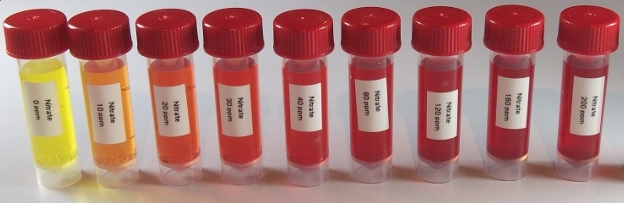
You can’t effectively increase nitrate levels in aquariums without accurate measurement. Liquid test kits like the API Freshwater Master Test Kit provide reliable readings, while strips often lack precision at lower ranges.
Testing Schedule for Stable Nitrate Management
- New tanks: Test every 2 days for first 2 weeks
- Established tanks: Test weekly before water changes
- After any adjustment: Test 24 and 48 hours post-dosing
- When plants show issues: Test immediately and retest daily
Critical Tip: Always test at the same time of day for consistent results, as nitrate levels fluctuate with the light cycle as plants consume nutrients.
Avoiding Common Nitrate Management Mistakes
Many aquarists inadvertently sabotage their efforts when trying to increase nitrate levels in aquariums due to these preventable errors.
The Phosphate Imbalance Trap
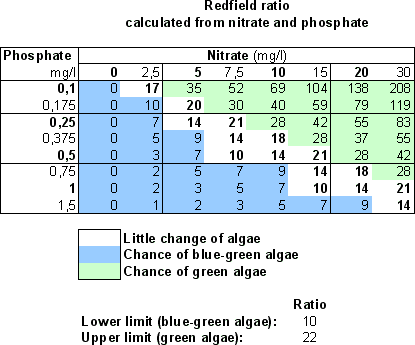
Plants require a balanced nutrient profile, particularly maintaining the proper nitrate-to-phosphate ratio (approximately 10:1). Adding nitrates without addressing phosphate levels creates imbalance that:
– Limits plant growth despite nitrate availability
– Triggers specific algae types like staghorn or blue-green algae
– Wastes your fertilizer investment
Solution: Test phosphate levels alongside nitrates and supplement with potassium phosphate (KH₂PO₄) if below 0.5 ppm.
Inconsistent Dosing Patterns
Fluctuating nitrate levels are worse than consistently low levels. Plants adapt to stable conditions, but constant up-and-down changes:
– Stress plants and slow growth
– Create perfect conditions for algae to outcompete plants
– Make it impossible to determine what’s working
Fix: Establish a regular dosing schedule—even if nitrates test slightly high, consistency prevents the instability that causes problems.
Step-by-Step Nitrate Increase Plan for Immediate Results
Follow this systematic approach when your tank shows nitrate deficiency symptoms:
Day 1: Test current nitrate levels and document plant condition
Day 2: If below 5 ppm, dose half-strength KNO₃ solution (0.5ml per 10 gallons)
Day 3: Test nitrate levels—aim for 5-10 ppm increase
Day 4: If still below 10 ppm, dose full strength (1ml per 10 gallons)
Day 7: Reassess plant growth and coloration—healthy response shows greener leaves and new growth
Day 14: Adjust to maintenance dosing based on weekly consumption rate
Time Saver: Keep fast-growing plants like hornwort or water sprite in your tank—they visibly respond to nitrate increases within 3-4 days, giving you instant feedback on your efforts.
Long-Term Nitrate Management for Stable Planted Tanks
True mastery of how to increase nitrate levels in aquariums comes from creating a balanced system rather than constant intervention.
The Weekly Maintenance Routine
- Perform 20-30% water change (removes excess organics while preserving nitrates)
- Test nitrate levels before and after water change
- Dose fertilizers to replace only what plants consumed
- Trim fast-growing plants to export excess nutrients
When to Consider Automated Solutions
For tanks larger than 40 gallons or high-tech setups with rapid plant growth:
– Install a dosing pump for precise, consistent nitrate supplementation
– Use a nitrate test monitor with automated alerts
– Implement a “nitrate sponge” section with fast-growing plants you regularly harvest
Recognizing Success: Healthy Plant Indicators
Your nitrate management is working when you see:
– Vibrant green coloration across all plant types
– Consistent new growth at expected rates for each species
– No yellowing of older leaves while new growth develops normally
– Minimal algae presence despite adequate nutrient levels
Expert Note: The ultimate sign of proper nitrate management is when your plants grow so vigorously they consume nitrates faster than fish waste produces them—this indicates a thriving, balanced ecosystem.
Final Adjustments for Perfect Nitrate Balance
The journey to mastering how to increase nitrate levels in aquariums ends with finding your tank’s unique equilibrium point. For most planted aquariums, this means maintaining 10-20 ppm nitrates through a combination of moderate bioload and targeted fertilization. Remember that every tank responds differently—your 29-gallon high-tech setup might need daily KNO₃ dosing, while your 10-gallon Walstad tank requires none. Document your results, adjust incrementally, and within weeks you’ll transform from battling deficiencies to enjoying a lush underwater garden where plants thrive, fish flourish, and algae stays under control through proper nutrient management. The key isn’t just raising nitrates—it’s creating stability that allows your entire ecosystem to flourish.