How Long Do Aquarium Turtles Live: Lifespan Guide
Your toddler’s grandchild might inherit your red-eared slider. That’s not hyperbole—it’s reality for millions of turtle owners who discover too late that “low-maintenance pet” is a dangerous myth. When you ask how long do aquarium turtles live, the answer isn’t just biological; it’s a direct reflection of your choices as a keeper. Most captive turtles die decades before reaching their potential lifespan due to preventable care mistakes. This guide cuts through the misinformation, revealing exactly what determines whether your shelled companion thrives for 30 years or succumbs to metabolic bone disease in 5.
Why 75% of Pet Turtles Die Before Reaching Half Their Potential Lifespan
The gap between wild and captive turtle longevity isn’t what you think. Wild turtles face predators and starvation, but captive turtles face a deadlier threat: uninformed keepers. A single-owner yellow-bellied slider documented at 43 years proves exceptional care unlocks extreme longevity. Yet most turtles never see age 10. Why? Three critical failures dominate: inadequate UVB lighting (present in 80% of beginner setups), nutrition limited to commercial pellets, and toxic water conditions masked by cloudiness. When your turtle develops soft shell or refuses food, it’s screaming about your husbandry—not “getting old.”
Red-Eared Slider Lifespan: Why Most Never Hit 20 Years
Despite thriving for 40-75+ years in optimal captivity, red-eared sliders typically die between 5-15 years in home aquariums. The culprit? UVB neglect. Without proper UVB exposure, sliders cannot metabolize calcium—no supplement can fix this. Watch for these early warnings: cloudy eyes, lethargy after basking, and shell pyramiding (raised scutes). If your slider’s shell feels rubbery at the edges, metabolic bone disease has already begun—a death sentence without immediate UVB correction.
Painted Turtle Lifespan: Eastern vs. Western Survival Secrets
Eastern Painted Turtles (25-30 years) often outlive Western Painted Turtles (50-60 years) in captivity—not due to biology, but care gaps. Westerns require stronger UVB intensity (12% bulbs minimum) and warmer basking zones (95°F vs. 90°F). Mistake #1: placing UVB bulbs inside glass tanks (glass blocks 50% of UVB). Mistake #2: using coil CFL bulbs (dangerously uneven coverage). Pro Tip: Position linear T5 HO bulbs 12″ above the basking platform, replacing every 6 months. Skip this, and your Western Painted Turtle’s lifespan shrinks to match its Eastern cousin’s.
UVB Lighting: The Lifespan Multiplier You’re Probably Getting Wrong

This isn’t “just lighting”—it’s your turtle’s lifeline to biological function. UVB enables Vitamin D3 synthesis, which controls calcium absorption. No UVB = zero calcium utilization, even with perfect diet. Yet 90% of turtle deaths link to UVB-related metabolic bone disease.
How to Install a Lifespan-Extending UVB System
- Choose the right bulb: T5 HO linear fluorescent (10.0 or 12% UVB). Never use mercury vapor bulbs—they overheat small enclosures.
- Position precisely: 12-18 inches above the basking platform. Measure with a Solarmeter 6.5 (under $50)—if UV index at basking spot isn’t 3.0-4.0, adjust height.
- Replace religiously: Output degrades at 6 months (12 months max). Mark replacement dates on your calendar now.
- Block nothing: No mesh screens (blocks 30% UVB) or glass/plastic barriers between bulb and turtle.
Critical Warning: UVB doesn’t penetrate water. If your turtle only basks submerged, it’s receiving zero UVB—replace with a dry, elevated platform immediately.
The 3 Water Quality Mistakes That Shave 15+ Years Off Lifespan
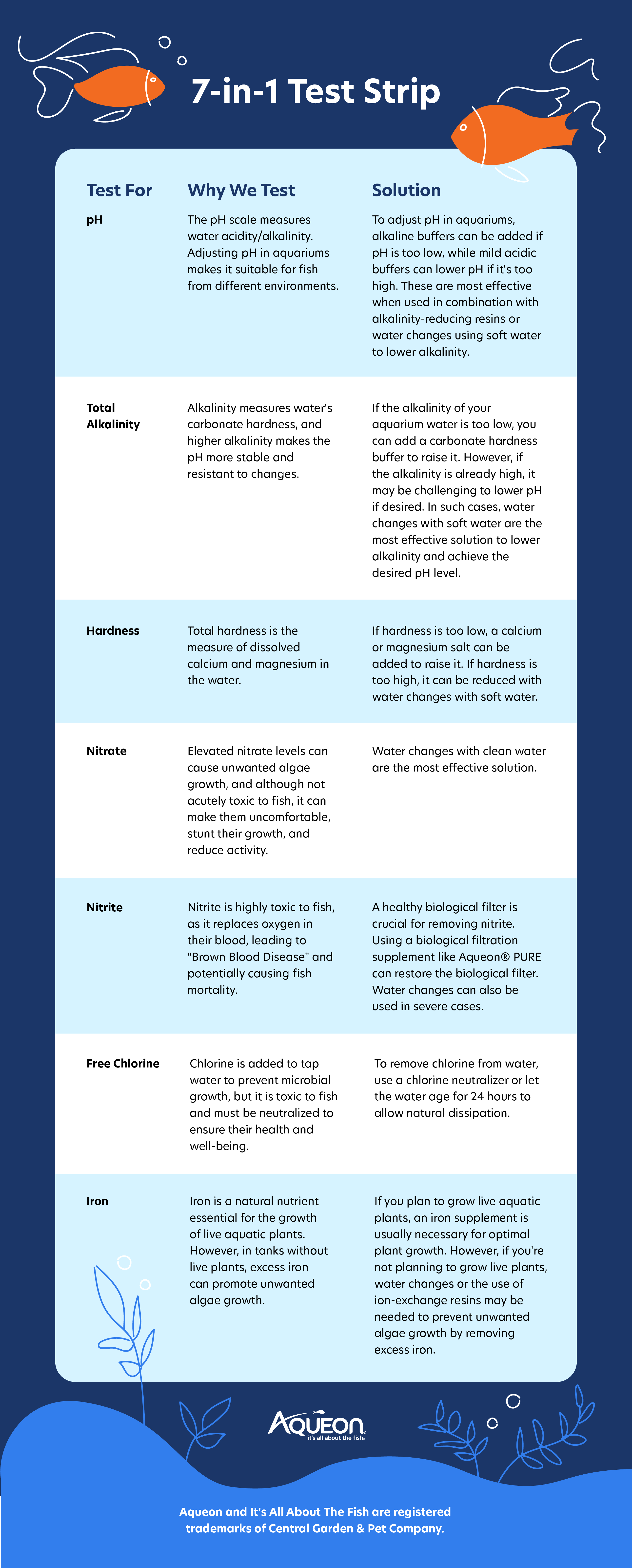
For aquatic turtles, water isn’t just their environment—it’s their bloodstream. Ammonia from waste enters through skin and shell, causing irreversible kidney damage. Yet most keepers fixate on murky water while ignoring invisible toxins.
Your Weekly Water Maintenance Checklist
- Test before changing: Use a liquid test kit (API Freshwater Master). Ammonia/nitrite must read 0 ppm. Nitrates under 20 ppm.
- Vacuum substrate daily: Waste decomposes in 24 hours, spiking ammonia. Use a gravel vacuum while feeding to catch floating pellets.
- Over-filter aggressively: Install a canister filter rated for 3x your tank volume (e.g., 225-gallon filter for 75-gallon tank). Clean filter media monthly in tank water only—tap water kills beneficial bacteria.
- Never skip water conditioner: Chlorine damages turtle respiratory tissue. Add conditioner to all new water, even if using “dechlorinated” tap.
Pro Tip: Float a cuttlebone in the tank. Turtles nibble it for calcium, buffering pH and reducing shell rot risk.
Nutrition Beyond Pellets: The Diet That Adds Decades
Feeding only commercial pellets is like sustaining yourself on multivitamins. Sliders and Painted Turtles need protein-rich live prey (30% of diet) and calcium-dense greens (50%). Pellets should be supplemental.
Species-Specific Diet Blueprint
| Turtle Species | Protein Sources (30%) | Greens (50%) | Pellet % | Critical Calcium Boosters |
|---|---|---|---|---|
| Red-Eared Slider | Earthworms, dubia roaches, occasional guppies | Dandelion greens, mustard greens | 20% | Cuttlebone, calcium powder 2x/week |
| Eastern Painted | Bloodworms, krill, crickets | Romaine, kale (sparingly) | 20% | Vitamin D3 supplement weekly |
| Western Painted | Blackworms, mealworms | Collard greens, endive | 15% | Natural sunlight 15 mins/day |
Fatal Error: Overfeeding protein to adults causes kidney failure. Reduce protein to 10% after age 5. If shell scutes develop pyramid-shaped bumps, cut protein immediately.
Basking Area Design: Why 90% of Setups Fail This Lifespan Test
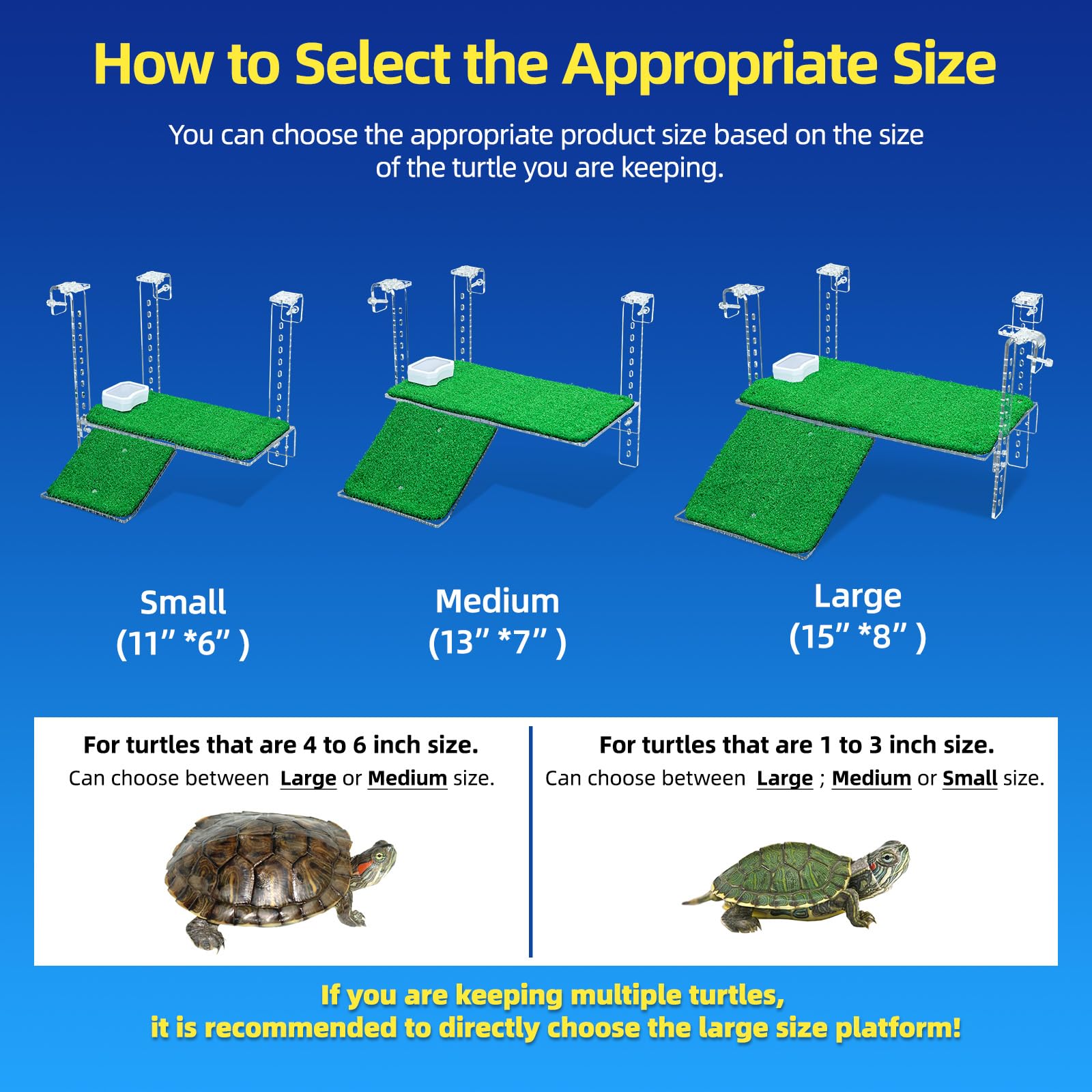
Turtles must dry completely to prevent shell rot and absorb UVB. Yet most “basking platforms” are too small, unstable, or poorly heated.
Build a Lifespan-Boosting Basking Zone
- Size it right: Platform must hold your turtle with 2 inches clearance around its shell. A 6-inch slider needs 10×10 inches minimum.
- Heat it precisely: Use a ceramic heat emitter (not incandescent bulb) to maintain 90-95°F. Measure with an IR thermometer—too cold (<85°F) prevents digestion; too hot (>100°F) causes thermal stress.
- Ensure dryness: Water level must be 2+ inches below platform. Add non-slip texture (cork bark) so turtles don’t slip off while drying.
- UVB overlap: 100% of the platform must be under the UVB lamp’s effective range (check with Solarmeter).
Warning Sign: If your turtle constantly tries to climb tank walls, the basking area is failing—correct within 48 hours to prevent stress-induced illness.
The Multi-Generational Commitment Checklist: Are You Ready?
Before acquiring a turtle, answer these brutally honestly:
- Time: Can you commit to 15+ minutes daily maintenance, weekly 1-hour water changes, and biannual habitat overhauls for 30-50 years? (Hint: A 75-gallon tank renovation takes 3+ hours.)
- Cost: Will you budget $200/year for UVB bulbs, filter media, and vet care? Emergency shell rot treatment costs $300+.
- Legacy Planning: Do you have a written plan for who inherits the turtle if you die? Many end up in overcrowded rescues when owners underestimate longevity.
Hard Truth: Turtles don’t “adjust” to subpar care—they suffer silently until it’s too late. A healthy 50-year-old captive turtle moves actively, eats vigorously, and has a hard, smooth shell. Anything less means your care isn’t matching their biological needs.
Final Verdict: Your Choices Dictate Lifespan
How long do aquarium turtles live? In captivity, the answer is always: as long as you let them. With precise UVB, varied diet, pristine water, and species-specific habitat, red-eared sliders regularly reach 50+ years—outliving every dog or cat breed. But skip UVB for 6 months, and you’ve guaranteed a slow, painful death by age 10. This isn’t pet ownership; it’s a covenant with a living fossil. Your turtle’s lifespan isn’t predetermined—it’s signed in ink by your daily choices. Measure your commitment in decades, not days, and you’ll witness a creature that could outlive your grandchildren thriving under your care. The shell on its back holds centuries of evolutionary wisdom; honor it with knowledge, not impulse.