How to Increase Microfauna in Aquarium: Easy Tips
Imagine watching your fish dart through the water, actively hunting tiny creatures you can barely see with the naked eye. Those microscopic organisms aren’t just fascinating to observe—they’re the unsung heroes of a balanced freshwater aquarium. When you learn how to increase microfauna in aquarium environments, you’re building a self-sustaining ecosystem where beneficial organisms like cyclops, daphnia, and ostracods break down waste, consume algae, and provide natural food for your fish and shrimp. Without these tiny powerhouses, your tank lacks the biological complexity that mimics natural aquatic environments. This guide reveals proven methods to cultivate thriving microfauna populations, whether you’re starting a new tank or revitalizing an established one.
Why Your Aquarium’s Microfauna Population Isn’t Thriving (And How to Fix It)
Most aquariums fail to develop robust microfauna communities because they lack the specific conditions these tiny organisms need to reproduce and flourish. The biggest culprit? Overly efficient filtration systems that vacuum up microfauna before they can establish themselves. If your tank has a powerful filter without proper protection, you’re essentially creating a “microfauna death zone” where these organisms get sucked into the intake and removed from your ecosystem.
Filter Intake Suction: The #1 Cause of Microfauna Population Collapse
Before you can successfully increase microfauna in your aquarium, you must protect your existing and incoming populations from being destroyed. Install a fine mesh sponge pre-filter over all intake tubes—this simple modification prevents 90% of microfauna loss. The sponge should have pore sizes small enough to block even the tiniest copepods but not so dense that it restricts water flow. Check this sponge weekly and rinse it in old tank water (never tap water) to maintain optimal flow while preserving the biofilm that microfauna feed on.
Identifying the Top 3 Environmental Barriers to Microfauna Growth
Three critical factors prevent microfauna from establishing: insufficient food sources at the base of the food chain, lack of hiding places from predators, and water parameters outside their tolerance range. Microfauna like cyclops and daphnia thrive in stable environments with pH between 6.5-8.0 and temperatures around 72-78°F (exactly what most community tanks maintain). If your water parameters swing wildly or remain outside this range, microfauna reproduction slows dramatically or stops completely.
The Leaf Litter Method: Creating Instant Microfauna Habitat in 72 Hours

Adding leaf litter is the single most effective natural method to boost microfauna populations without introducing external organisms. Indian almond leaves, oak leaves, or beech leaves create the perfect microhabitat as they decompose, forming biofilm that feeds infusoria—the microscopic foundation of the microfauna food chain.
Choosing the Right Leaves for Maximum Microfauna Diversity
Not all leaves work equally well for increasing microfauna in aquarium. Indian almond leaves release tannins that mimic natural blackwater environments where microfauna thrive, while oak leaves decompose more slowly, providing longer-lasting habitat. Use 1-2 medium-sized leaves per 10 gallons, rinsing them thoroughly before adding to your tank. Within 48-72 hours, you’ll notice a visible biofilm forming on the leaves—this is where microfauna like seed shrimp (ostracods) and copepods will begin congregating.
How Long It Takes for Leaf Litter to Produce Visible Microfauna
After adding leaf litter, give the ecosystem 7-10 days before expecting to see visible microfauna. Start with a magnifying glass to spot tiny movements in the biofilm—these are your first microfauna colonizers. Within 2-3 weeks, you should see noticeable populations of copepods and ostracods. For best results, leave the leaves to decompose fully (6-8 weeks) before replacing them, as the later stages of decomposition support different microfauna species.
Commercial Microfauna Cultures: Bag of Bugs vs. DIY Alternatives
Purchasing a commercial microfauna culture like the “Bag of Bugs” provides the fastest way to establish diverse populations, but comes with important considerations regarding unwanted hitchhikers.
Why Most “Snail-Free” Cultures Still Introduce Unwanted Species
Even reputable commercial cultures often contain snails or their eggs. Bladder snails and ramshorns are common hitchhikers that arrive as nearly invisible eggs in gelatinous clutches. Don’t panic—these snails aren’t necessarily pests. They help consume excess food and algae, contributing to the ecosystem. If you want to minimize snails, inspect the culture under magnification before adding it to your main tank and remove any visible snails.
Step-by-Step Guide to Quarantining New Microfauna Introductions
- Set up a simple 5-gallon quarantine tank with mature filter media from your main tank
- Add the microfauna culture to this separate container
- Wait 7-10 days while monitoring for unwanted organisms
- After quarantine period, gently pour water (containing microfauna but not larger snails) into your main tank
- Discard the quarantine tank contents after 3 weeks if no pests appear
Wild Collection Done Right: How to Harvest Microfauna Without Bringing Pest Snails

Collecting microfauna from natural water sources can yield diverse populations, but requires careful selection of collection sites and thorough inspection.
Identifying Safe Water Sources for Microfauna Collection
Choose small, clean lakes or streams with visible aquatic life but minimal human impact. Avoid waterways near agricultural areas (pesticide risk) or industrial zones (pollution concerns). The best sources show abundant plant growth, visible fish populations, and clear water. Collect material from areas with decaying leaves or submerged wood—these harbor the richest microfauna communities.
The 3-Step Inspection Process for Wild-Collected Materials
- Initial Visual Check: Examine your collection container under bright light for visible snails or worms
- 48-Hour Holding Period: Keep collected material in a separate container for two days to allow microfauna to become active
- Magnified Examination: Use a 10x magnifying glass to inspect for tiny organisms and snail eggs before adding to your tank
Your Microfauna Feeding Schedule: What to Feed and When
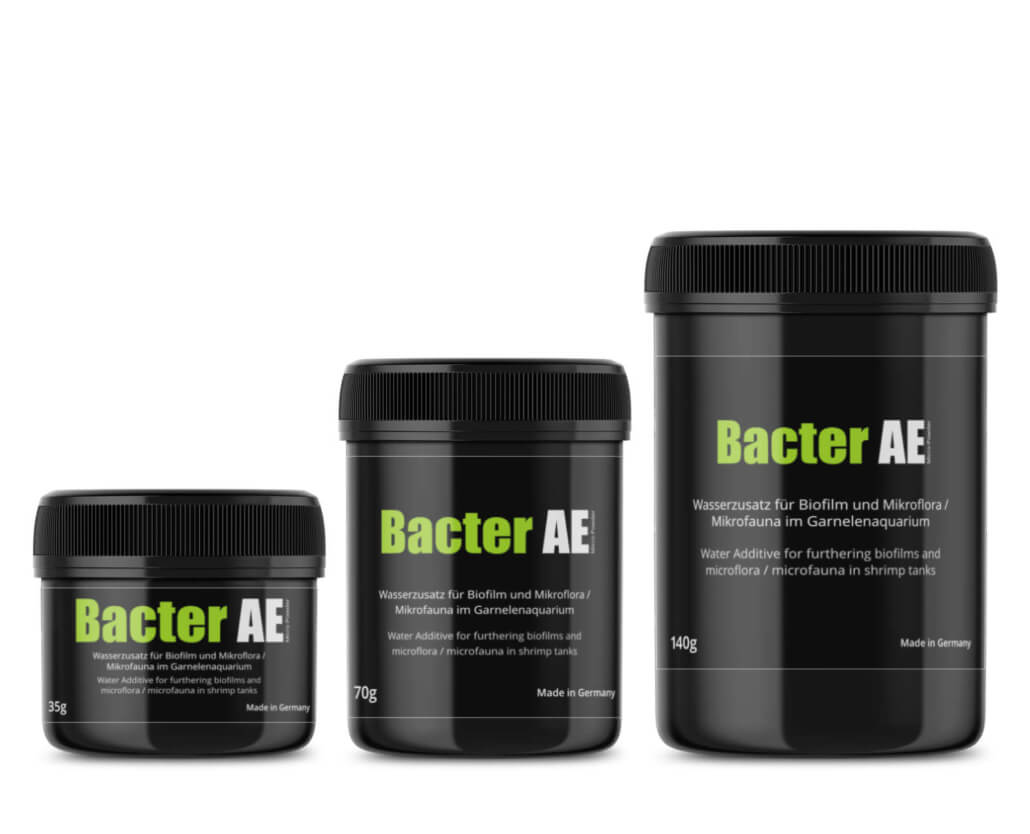
Microfauna won’t thrive without proper nutrition at the base of the food chain. While they consume biofilm and algae, targeted feeding dramatically accelerates population growth.
Bacter AE vs. Spirulina Powder: Which Works Better for Microfauna Growth?
Bacter AE (a concentrated bacterial culture) provides immediate food for infusoria, which then feed larger microfauna like daphnia. Add 1-2 mL per 10 gallons twice weekly. Spirulina powder works as a slow-release food source—sprinkle a tiny pinch (about the size of a grain of rice per 10 gallons) every other day. For fastest results, alternate between these two food sources to support different microfauna species at various life stages.
The Daily Feeding Routine That Doubles Microfauna Population in 2 Weeks
Morning: Sprinkle a microscopic amount of spirulina powder near leaf litter
Evening: Add 1 drop of Bacter AE per 5 gallons directly to areas with visible microfauna
Weekly: Introduce a single, mashed pea (for green water cultures that feed rotifers)
Monitor population growth by observing increased activity in biofilm areas—healthy microfauna populations show noticeable movement within 10-14 days of proper feeding.
Microfauna-Friendly Tank Setup: Substrate, Plants, and Hiding Spots

The physical environment of your aquarium dramatically impacts microfauna survival rates. Proper setup creates safe zones where microfauna can reproduce away from fish predators.
Why Sand Substrate Beats Gravel for Microfauna Reproduction
Fine sand substrate (1-2mm grain size) provides vastly more surface area for microfauna to inhabit compared to gravel. The tiny spaces between sand grains create protected nurseries where microfauna eggs and juveniles can develop safely. Maintain a 1.5-2 inch sand bed to allow organisms like Malaysian trumpet snails (which benefit microfauna through their nutrient-recycling waste) to burrow while still providing microhabitat for microfauna.
5 Plant Species That Provide Ideal Microfauna Nurseries
- Java moss (dense structure traps microfauna)
- Christmas moss (fine leaves create perfect hiding spots)
- Water sprite (both floating and submerged forms)
- Dwarf hairgrass (creates carpet habitat)
- Riccia fluitans (floating plant with complex structure)
The Freshwater Clam Trap: Why Your Filter-Feeder Kills Microfauna
If you’re wondering how to increase microfauna in aquarium while maintaining other livestock, understand that freshwater clams create an incompatible environment.
Can You Really Maintain Both Clams and Microfauna? (Spoiler: Usually Not)
Freshwater clams are voracious filter feeders that process gallons of water hourly, removing the phytoplankton, bacteria, and microfauna that form the base of your ecosystem. One clam can eliminate free-swimming microfauna populations within weeks. If you want both, choose one of two paths: maintain a separate microfauna culture tank to periodically replenish your main tank, or select alternative filter feeders like fan shrimp that have less impact on microfauna populations.
Tracking Your Microfauna Population Growth: What to Look For
Successful microfauna cultivation requires knowing what to observe and when to intervene.
The 5 Telltale Signs Your Microfauna Culture Is Thriving
- Visible “flickering” movement on leaf litter surfaces (copepods)
- Tiny, fast-moving dots visible on glass when tank lights first turn on
- Fish spending more time grazing on surfaces rather than waiting for feeding time
- Increased activity of shrimp picking at biofilm
- Visible clusters of daphnia (water fleas) in well-lit areas
How to Identify Cyclops, Daphnia, and Other Beneficial Microfauna
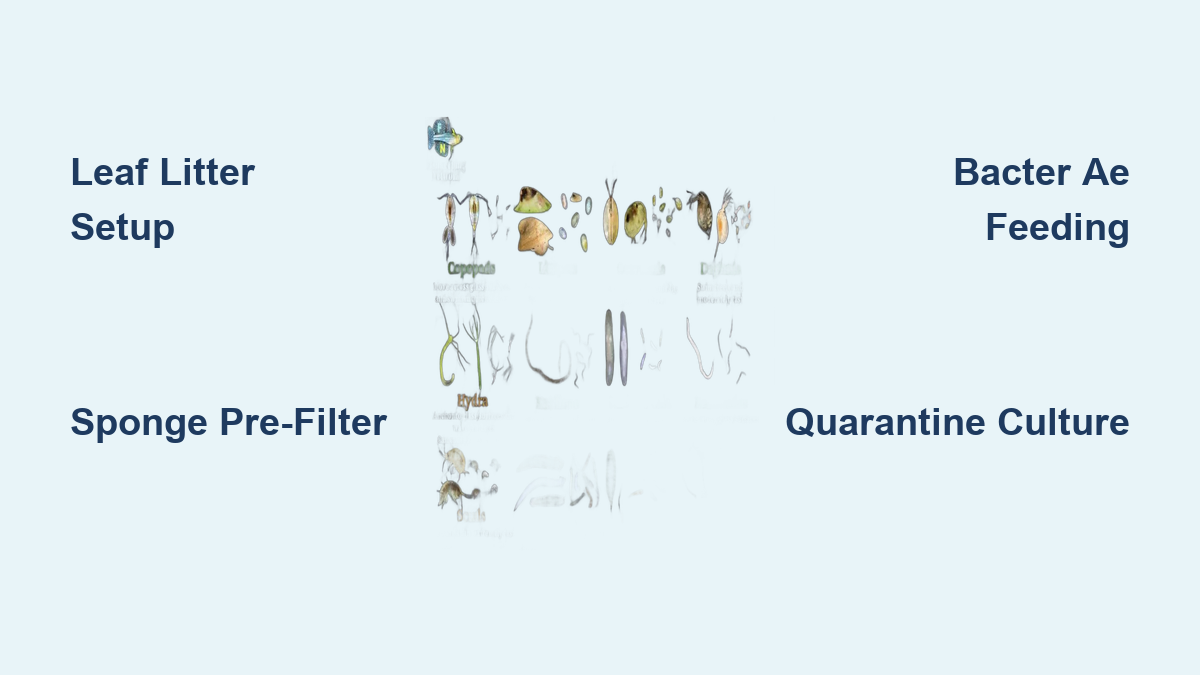
Cyclops appear as tiny (1-2mm), translucent copepods with a distinctive single eye and jerky swimming motion. Daphnia (water fleas) are slightly larger (2-5mm), transparent organisms that swim in short, hopping motions. Ostracods (seed shrimp) resemble miniature clams that swim or crawl along surfaces. Use a magnifying glass during evening hours when microfauna are most active for best viewing.
30-Day Microfauna Boost Plan: From Empty Tank to Thriving Ecosystem
Follow this timeline to systematically increase microfauna in your aquarium:
Week 1: Establishing the Foundation for Microfauna Growth
- Add leaf litter and botanicals
- Install sponge pre-filters
- Begin Bacter AE supplementation
- Test water parameters to ensure stability
Week 2: Introducing and Protecting Your First Microfauna Population
- Add commercial microfauna culture (after quarantine)
- Begin targeted feeding schedule
- Add microfauna-friendly plants
- Monitor for initial population signs
Week 3-4: Monitoring Growth and Adjusting Your Approach
- Increase feeding frequency if population growth is slow
- Add additional leaf litter as first batch decomposes
- Document population changes with photos
- Adjust water flow to create micro-current zones where microfauna congregate
Long-Term Microfauna Maintenance: Keeping Your Population Stable
A thriving microfauna ecosystem requires ongoing attention to maintain balance.
The Monthly Checklist for Sustainable Microfauna Ecosystems
- Inspect leaf litter for decomposition stage (replace if fully broken down)
- Test water parameters (keep pH 6.5-8.0, temperature 72-78°F)
- Evaluate microfauna activity levels
- Supplement with Bacter AE if population seems low
- Check sponge filters for clogs that might restrict flow
By following these specific, actionable steps, you’ll create an aquarium ecosystem where microfauna thrive naturally. The key to successfully increasing microfauna in your aquarium lies in patience and consistency—these tiny organisms take time to establish but provide immeasurable benefits once they do. Within 4-6 weeks of implementing these methods, you’ll notice cleaner water, healthier fish, and the satisfaction of maintaining a truly balanced aquatic ecosystem. Remember that microfauna populations naturally ebb and flow—don’t panic if you see temporary declines, as they typically rebound when conditions remain favorable.