Lobster Aquarium Setup Guide
You return from coffee break to find your vibrant blue lobster crawling across your keyboard—not a whimsical cartoon, but a terrifying reality for unprepared owners. Blue lobsters (crayfish) are notorious Houdinis, capable of scaling glass walls through gaps thinner than a pencil lead. This isn’t just about preventing messy escapes; it’s about creating a secure, low-stress environment where your crustacean thrives. Forget generic “aquarium basics”—this guide delivers the exact specifications for a foolproof blue lobster habitat. You’ll learn why a 20-gallon long tank outperforms taller models, how to seal lethal escape routes with household sponges, and the rock-siliconing trick that prevents cave collapses. Whether you’re setting up next to your home office desk or in a dedicated space, these actionable steps ensure your lobster stays put while displaying its full electric-blue brilliance.
20-Gallon Long Tank: Why Floor Space Beats Height for Blue Lobster Exploration
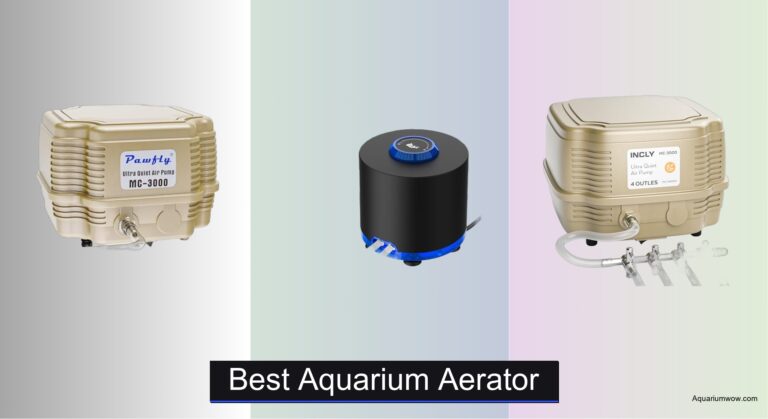
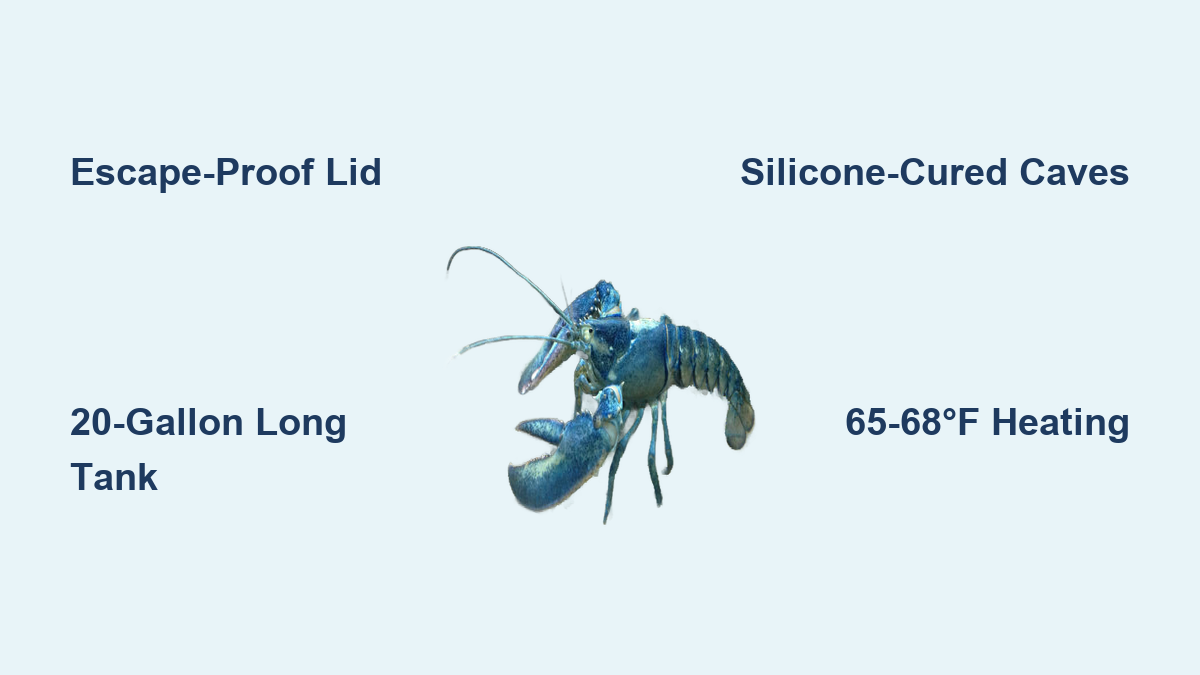
Blue lobsters aren’t swimmers—they’re bulldozers. They need horizontal real estate to dig, forage, and establish territories, making a 20-gallon long tank (30″ x 12″) the absolute minimum. Standard 20-gallon “tall” tanks waste precious floor space with unnecessary height, forcing lobsters into cramped corners that trigger stress and aggression. Pair your tank with a sturdy 29-gallon metal stand—it’s engineered for the weight distribution of long tanks and prevents wobbling during your lobster’s enthusiastic digging sessions. Crucially, this setup accommodates the essential equipment without crowding: an Eheim Jäger 75W heater, AquaClear Power Filter 50, and Tetra Whisper air pump all fit seamlessly. Never compromise on tank dimensions; a cramped lobster will relentlessly test lid security until it escapes.
Substrate Showdown: Black Diamond Sand vs. Pool Filter Sand for Digging Behavior
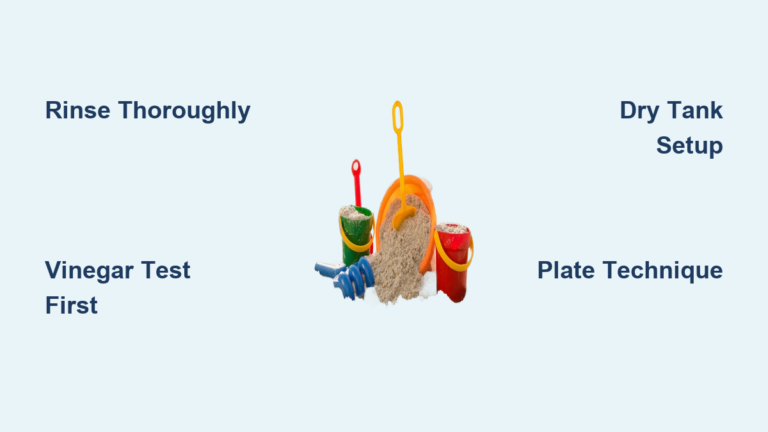
Your lobster’s digging instincts demand the right foundation. Black diamond sand blasting sand wins for blue lobsters: its fine, smooth grains allow effortless burrowing without damaging delicate claws, and its dark hue makes your lobster’s blue coloration pop dramatically. While pool filter sand works functionally, it’s coarser and can trap waste more easily. Avoid gravel—lobsters kick substrate into filters, and sharp edges risk shell damage during molting. A 2-inch layer provides ample digging depth while keeping maintenance manageable. Pro tip: Rinse sand thoroughly before adding to prevent cloudy water, but never sterilize it—beneficial bacteria cling to its surface.
Escape-Proof Lid Mastery: Blocking Filter Tubes and Power Cords with Cut-Up Sponges
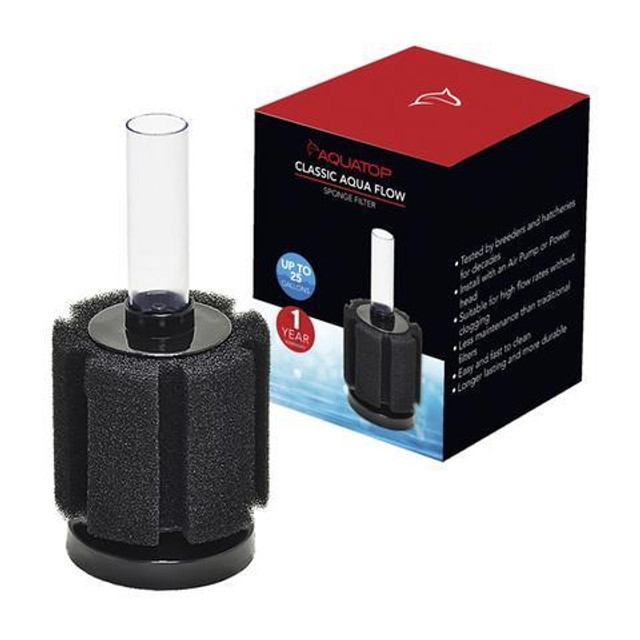
If your lid has any gaps, your blue lobster will find them. These crustaceans exploit openings as narrow as 1/8 inch—common around filter outlets, air hoses, and power cords. A standard glass lid won’t suffice; you need 100% coverage. Start with a solid hood or acrylic lid, then tackle unavoidable penetrations: Cut aquarium filter sponges into strips and wedge them tightly around HOB filter returns, canister tubing, and electrical cords. For larger gaps near heater wires, use silicone-sealed foam blocks. Test security by running your finger along seams—if you feel airflow, so will your lobster. This isn’t optional: In office environments where temperatures drop overnight, a stressed lobster becomes even more determined to escape seeking warmth.
Why Pencil-Sized Gaps Guarantee Escape (and How to Fix Them in 5 Minutes)
Lobsters use antennae to probe for weaknesses, then wedge claws into gaps to pry lids open. One owner documented their lobster escaping through a 3/16″ space around a thermometer wire. Your fix: Keep spare filter sponge on hand. When installing equipment, leave 1″ extra tubing/cord length, wrap sponge tightly around it, then feed the bundle through lid holes. The sponge compresses to fill irregular gaps while allowing equipment function. For air pump lines, knot the tubing before adding sponge—this creates a physical barrier even if the sponge shifts. Perform this check weekly; silicone degrades and sponges compress over time.
Rock Cave Engineering: Silicone-Secured Fist-Sized Stones for Crash-Proof Hideouts
Your lobster will spend 70% of its time hidden—unsecured rocks cause fatal cave-ins during molting. Forget stacking loose stones; use aquarium-safe silicone to bond fist-sized, flat rocks (1″ thick) into stable caves. Start with a broad base stone, apply silicone sparingly to contact points, and build upward with overlapping layers. Allow 48 hours to cure before submerging. For instant caves, wrap PVC pipes in silicone-coated rocks—this combines structural integrity with smooth, claw-friendly surfaces. Place two caves on opposite ends of the tank; this lets your lobster choose shelter based on temperature zones and reduces territorial stress. Never use sharp-edged decorations; they snag antennae and cause infections.
Flat Rock Foundations: Preventing Cave Collapses During Molting Emergencies
Molting leaves lobsters soft and vulnerable for 48 hours. A collapsing cave during this phase is often fatal. Flat, 1″-thick rocks create stable platforms that distribute weight evenly—critical when your lobster frantically digs under rocks for security. Position caves near the tank’s back wall where water flow is gentlest; strong currents from filters can destabilize structures. Test stability by gently shaking the cave before adding water; if rocks shift, re-silicone immediately. Bonus: These caves double as natural filtration zones, trapping debris away from your main filter intake.
Temperature Control: Maintaining 65-68°F with Eheim Jäger Heaters in Office Environments

Blue lobsters thrive at 65-68°F—cooler than tropical fish but critical for office setups where nighttime temperatures plummet. An Eheim Jäger 75W heater is ideal: its precise thermostat prevents dangerous fluctuations, and its shatterproof casing withstands clumsy lobster encounters. Mount it near the filter outflow for even heat distribution, and cover it with a mesh guard to block curious claws. In air-conditioned offices, set heaters 2°F above target (e.g., 70°F) to compensate for overnight drops. Never skip a thermometer; temperatures below 60°F suppress immunity, while spikes above 75°F accelerate metabolism, leading to premature molting and shell deformities.
Why Office Temperatures Demand Double Heater Security
Cycling between 60°F (overnight) and 72°F (daytime) stresses lobsters, triggering escape attempts. Anchor your heater with suction cups and silicone it to a rock—lobsters will deliberately knock heaters over to seek cooler zones. Pair it with a battery-backed thermometer alarm; one drop below 62°F warrants immediate intervention. Pro tip: Place the tank away from windows and vents. Even brief exposure to direct sunlight can create lethal hotspots in shallow sand areas.
Solo Habitat Advantages: Why Your Blue Lobster Thrives Alone Without Tank Mates

Contrary to “community tank” myths, blue lobsters must live alone. Their lightning-fast claws snatch slow-moving fish (like goldfish) in milliseconds, and even fast swimmers get caught during molting. In a solo habitat, water quality stabilizes faster—lobsters have low bioloads, so your AquaClear Power Filter 50 handles waste effortlessly without over-filtering. This simplicity means fewer water parameter swings and less stress for your crustacean. If you crave activity, train your lobster for daytime engagement: Feed at consistent morning/evening times near your desk, and within weeks, it’ll associate your presence with food. Never add tank mates “just for observation”; it invariably ends in disaster.
Training for Daytime Activity: Desk Placement and Blue LED Lighting Strategies
Want to watch your lobster while working? Position the tank within your direct line of sight next to your desk. Lobsters adapt to diurnal schedules when fed during daylight hours—offer sinking pellets as you start work. At night, activate blue LED lighting from your Marineland hood; this mimics moonlight and encourages nocturnal behaviors without disrupting your sleep. Avoid bright white lights during work hours; they trigger hiding. Track progress: Note when your lobster emerges within 5 minutes of your morning routine—that’s successful conditioning.
Weekly Maintenance: Simplified Checks for Your Solo Lobster Habitat
With no tank mates, maintenance is refreshingly simple. Perform these weekly:
1. Water Testing: Check ammonia/nitrite (must be 0 ppm) and nitrates (<20 ppm) using a liquid test kit. Lobsters tolerate slightly alkaline water (pH 7.2-8.0), but sudden shifts cause stress.
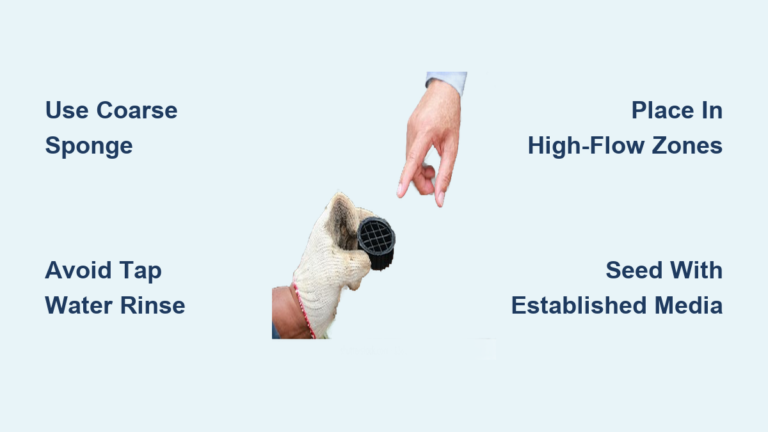
2. Filter Care: Rinse AquaClear media in old tank water (never tap water) to preserve bacteria. Replace sponges monthly.
3. Substrate Vacuuming: Use a gravel tube on low suction over sand—hover 1″ above to remove debris without disturbing caves.
4. Lid Security Audit: Recheck sponge seals around all penetrations; replace compressed foam.
Skip monthly deep cleans—lobsters dislike disturbance. If algae grows on glass, use a single-edged razor blade (not magnetic cleaners; lobsters grab them). Feed every other day to prevent waste buildup; remove uneaten food after 2 hours.
Why Over-Cleaning Causes More Harm Than Good
Disturbing caves during cleaning triggers primal stress responses. One owner reported their lobster hiding for 3 weeks after a routine gravel vacuum. Always clean around hideouts, not under them. Never change more than 25% of water weekly—lobsters need stable mineral levels (GH/KH) for proper molting. If water looks cloudy, check heater placement first; uneven temperatures cause bacterial blooms, not “dirty water.”
Your blue lobster’s survival hinges on three non-negotiables: absolute lid security, stable 65-68°F temperatures, and silicone-reinforced rock caves. Skip the gravel debates and community tank experiments—this streamlined setup leverages your lobster’s natural behaviors while preventing escapes. Within weeks of proper desk-side placement, you’ll witness its diurnal transformation: emerging during work hours, displaying vibrant blue claws against black sand, and even “waving” its antennae at feeding time. Remember, a successful lobster aquarium setup isn’t about complexity; it’s about precision. Seal every gap, monitor that heater, and let your electric-blue companion thrive where it belongs—safely inside the tank, not on your keyboard.