How Long Do Octopuses Live in Aquariums
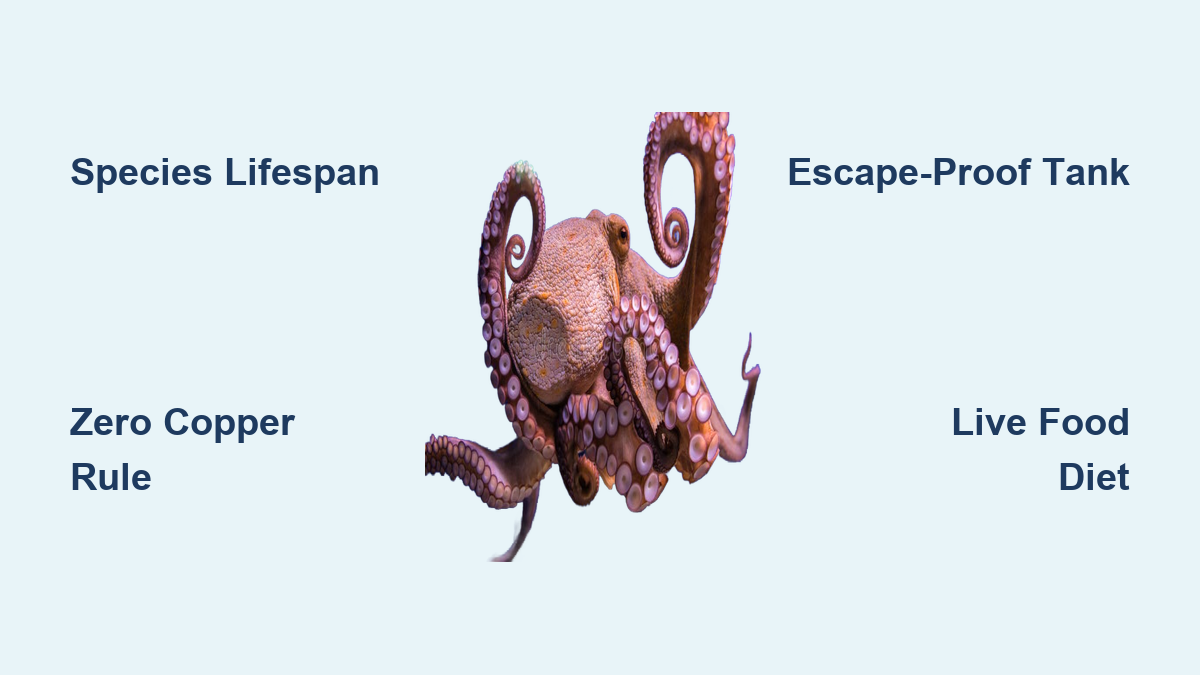
Watching an octopus navigate your home aquarium feels like hosting an alien intelligence—but a critical question determines your success: how long do octopuses live in aquarium settings? The answer spans from heartbreaking brevity (just 6 months for Blue-Ringed species) to remarkable longevity (5+ years for Giant Pacific specimens). This dramatic range isn’t random—it hinges entirely on whether you replicate their exact biological needs. Most premature deaths stem from avoidable husbandry errors, not natural limits. In this guide, you’ll discover precisely how to maximize your octopus’s lifespan through species-specific care, water chemistry mastery, and enrichment protocols that address their extraordinary intelligence.
Giant Pacific Octopus Lifespan: Breaking the 5-Year Barrier in Home Tanks
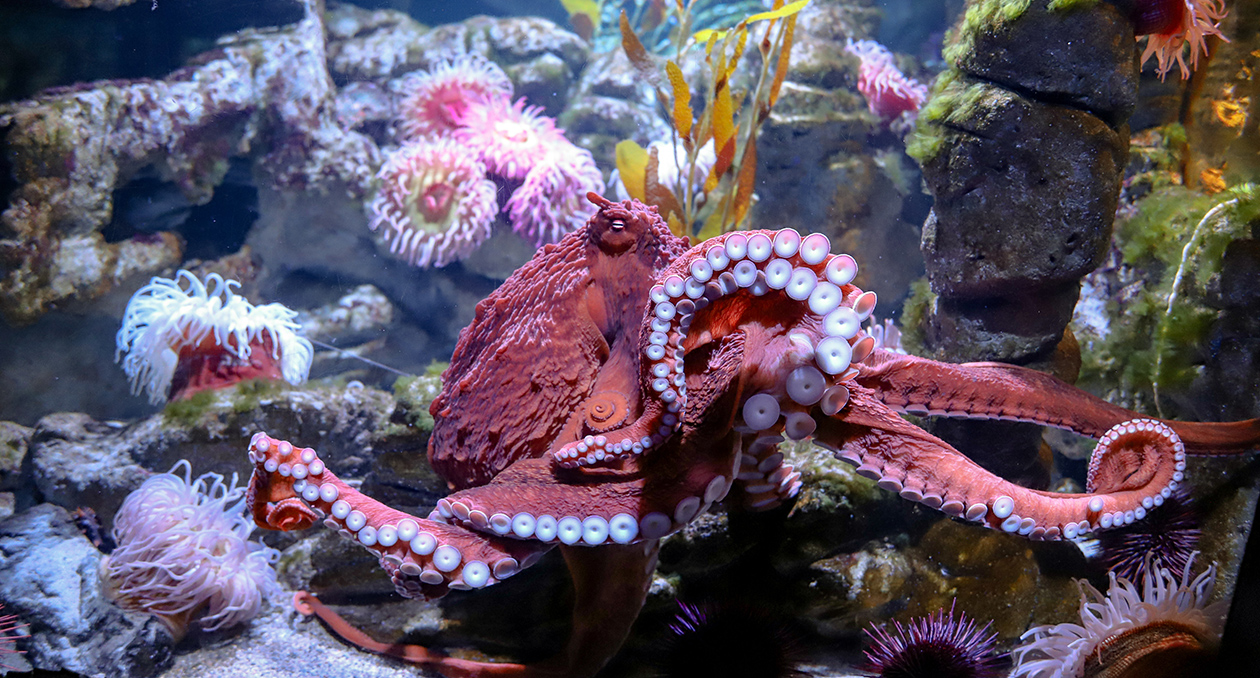
The Giant Pacific octopus (Enteroctopus dofleini) defies cephalopod stereotypes with documented captive lifespans reaching 5 years and 2 months—a record set at Seattle Aquarium. While wild counterparts live 3-5 years, achieving similar longevity at home demands extreme commitment: a 300+ gallon tank with 50-75°F (10-24°C) temperature control, zero copper exposure, and daily live prey like Dungeness crabs. Crucially, water parameters must stay flawless—ammonia spikes as low as 0.1 ppm trigger fatal gill damage within hours. Home aquarists who succeed typically use dual protein skimmers, 20% weekly water changes, and vibration-dampened tank stands. Without these, lifespans plummet to 1-2 years. Remember: if your tank is under 200 gallons, you’re directly shortening how long do octopuses live in aquarium environments.
Why Temperature Stability Matters More Than You Think
Giant Pacific specimens require ±1°C daily temperature variation—exceeding this stresses their metabolism. Install a chiller with a digital controller (not a simple heater), and place the tank away from windows or HVAC vents. During summer, even a 2°F (1°C) overnight rise accelerates senescence. Test pH twice weekly; values below 8.0 impair oxygen uptake through their skin. One fatal mistake? Using copper-based medications from freshwater tanks—zero copper tolerance means even trace amounts from old pipes or decorations cause rapid organ failure.
Common Octopus Lifespan: Why 18 Months Is the Realistic Maximum
Despite their popularity, Common octopuses (Octopus vulgaris) rarely exceed 18 months in captivity—matching wild averages but falling short of the 2-year record at Monterey Bay Aquarium. The gap between typical and maximum lifespan boils down to three husbandry failures: inadequate hiding spots, improper diet, and vibration exposure. These octopuses need at least 3 secure dens (ceramic pots or PVC pipes) to feel safe; without them, chronic stress suppresses immunity. Worse, feeding frozen fish instead of live crabs causes thiaminase deficiency and fatty liver disease—the #2 killer after water quality issues. Place your tank on a concrete floor (not wood), as foot traffic vibrations mimic predator movements, triggering constant alertness that burns through their short lifespan.
How to Spot Fatty Liver Disease Before It’s Fatal
Watch for these early signs in Common octopuses:
– Pale, swollen mantle (not the usual mottled brown)
– Lethargy during feeding (ignoring live shrimp)
– Abnormal ink expulsion (cloudy instead of jet-black)
Prevention requires strict avoidance of freshwater fish like goldfish. Instead, offer gut-loaded ghost shrimp and razor clams 3x weekly. If symptoms appear, switch to vitamin-enriched mussels and add iodine supplements to tank water—this reverses early-stage hepatic lipidosis in 70% of cases.
Two-Spot Octopus Lifespan: Achieving 24 Months with Puzzle Feeding

California Two-Spot octopuses (Octopus bimaculoides) offer the best shot at 24-month longevity for experienced keepers, but only with rigorous mental stimulation. These problem-solvers require daily puzzle feeders—like screw-top jars containing krill—to prevent boredom-induced self-mutilation (arm biting). Without enrichment, lifespans drop to 12 months. Pair this with precise water conditions: 68-72°F (20-22°C), 1.024 salinity, and 0 ppm nitrates. Their sensitivity to lighting means using dim blue LEDs at night; white light exposure causes permanent eye damage within weeks.
The Tank Setup That Doubles Lifespan
For Two-Spots, build this environment:
1. 75-gallon minimum tank with 4-inch deep sand bed for burrowing
2. Weighted, triple-latched lid (they’ll exploit 1/8-inch gaps)
3. Macroalgae refugium to naturally control nitrates
4. Ceramic den clusters placed away from direct flow
Skip protein skimmers? Nitrate buildup will slash how long do octopuses live in aquarium setups by 30%. Test kits must check copper weekly—even RO/DI water can leach traces from fittings.
Blue-Ringed Octopus Lifespan: Why 8 Months Is the Absolute Ceiling

Blue-Ringed octopuses (Hapalochlaena spp.) present an ethical dilemma: their maximum 8-month lifespan (6 months typical) makes them poor candidates for home aquariums. These tiny predators (golf-ball sized) demand zero human interaction—stress from tank tapping or handling triggers immediate venom release and death. Worse, their specialized diet of live shrimp and crabs requires daily feeding; skipping one meal risks starvation since they lack energy reserves. Most die within 3 months due to undetected copper exposure from new tank materials. Unless you’re a researcher with a dedicated lab system, pursuing how long do octopuses live in aquarium contexts with this species causes unnecessary suffering.
Zero Copper Rule: Why Trace Amounts Kill Octopuses Instantly
Copper isn’t just harmful—it’s instantly lethal at 0.02 ppm for all octopus species. This metal destroys their copper-based hemocyanin blood cells, causing suffocation within hours. The danger lurks in unexpected places:
– New PVC pipes (leach copper during manufacturing)
– Secondhand aquarium heaters (copper coils)
– Tap water (copper pipes in homes)
Always run new equipment through a 30-day freshwater soak before saltwater use. Test water with a Hach copper kit weekly—standard test strips won’t detect lethal traces. One hobbyist lost a Giant Pacific octopus after adding “copper-free” live rock that actually contained 0.05 ppm. If contamination occurs, immediate transfer to a clean tank with 5 ppm EDTA chelator is the only hope.
Escape-Proof Tank Design: Preventing Fatal Escape Attempts
Octopuses escape through 1/4-inch gaps using jet propulsion—then die from desiccation or crushing within hours. The #4 cause of premature death requires extreme lid security:
– Use acrylic lids (glass cracks under suction)
– Weight lids with 5+ lbs of sandbags
– Seal filter intakes with 1/8-inch mesh
One Two-Spot octopus traveled 10 feet to drain a sink! Place tanks away from ledges, and check lids daily for wear. If you find your octopus outside the tank, immediately return it to water—even 15 minutes of air exposure causes irreversible gill damage.
Live Food Diet: Avoiding Fatty Liver Disease with Proper Nutrition
Feeding frozen fish is the fastest way to shorten how long do octopuses live in aquarium systems. Marine octopuses require live, hard-shelled prey (crabs, clams) for:
– Beak exercise (prevents overgrowth)
– Thiaminase-free nutrition (no vitamin B1 destruction)
– Hunting stimulation (triggers digestive enzymes)
Offer 3-5% body weight daily in varied prey—starvation signs include mantle transparency and arm thinning. Never use goldfish; their thiaminase causes fatal “fatty liver disease” in 60 days. Instead, gut-load crabs with spirulina for 48 hours pre-feeding to boost iodine intake.
Daily Enrichment: Puzzle Feeders That Extend Lifespan by Months
Boredom kills octopuses as surely as poor water quality. Implement this enrichment schedule:
– Daily: Rotate 2 puzzle feeders (e.g., jar with air hole for crabs)
– Weekly: Rearrange all tank decor to create new exploration zones
– Monthly: Introduce novel objects (Legos, ceramic tiles)
Without this, octopuses develop stereotypic behaviors like constant glass-watching—signaling stress that accelerates senescence. One study showed enriched Two-Spots lived 23% longer than deprived counterparts. Always supervise enrichment; sharp objects can cause arm injuries that become infected.
Recognizing Senescence: The Natural End-of-Life Process
All octopuses undergo genetically programmed senescence after mating, but ethical care ensures they reach this stage naturally. Signs appear 4-8 weeks pre-death:
– Females: Stop eating after laying eggs; guard clutch until demise
– Males: Develop pale skin patches and reduced coordination
Never force-feed during senescence—it prolongs suffering. Instead, dim lights, reduce water flow, and provide a quiet den. Most pass peacefully in their sleep. If you see constant inking or arm spasms, consult a vet for humane euthanasia options—but this is rare with proper care.
Ethical Octopus Keeping: Why 5+ Years of Aquarium Experience Is Non-Negotiable
Octopuses aren’t pets—they’re sentient research subjects requiring expertise. Reputable facilities mandate:
– 5+ years of marine aquarium experience
– Dedicated tank (no community setups)
– 24/7 emergency protocols for power outages
Home keepers often underestimate the daily commitment: water testing, live food culturing, and enrichment take 1-2 hours daily. If your octopus lives its full potential lifespan, you’ve succeeded—but only 10% of hobbyists achieve this. Before acquiring one, ask: Can I ethically provide this level of care? If not, admire them in public aquariums where how long do octopuses live in aquarium settings is maximized by experts.
Caring for an octopus is a profound privilege that demands respect for their intelligence and fragility. By mastering species-specific lifespans, water chemistry, and enrichment, you transform a fleeting encounter into a meaningful 2-5 year bond. Your diligence directly determines whether your cephalopod thrives or suffers—and when you witness that first puzzle solved or color change, you’ll understand why these efforts matter. Start with a Two-Spot in a mature 75-gallon system, document every parameter, and join cephalopod forums for mentorship. The ocean’s most alien minds deserve nothing less.