Best Freshwater Aquarium Shrimp Species (2026 Guide)
Watching a colony of vibrant shrimp scuttle through a lush aquascape is one of the most rewarding experiences in the aquarium hobby. These tiny invertebrates transform ordinary tanks into living ecosystems, offering breathtaking color displays and fascinating natural behaviors. Whether you’re captivated by the fiery reds of cherry shrimp or the intricate patterns of crystal varieties, selecting the right freshwater aquarium shrimp species determines your success. Many beginners unknowingly choose demanding species, leading to frustrating die-offs within weeks. This guide cuts through the confusion by matching shrimp species to your skill level, tank conditions, and goals—so you avoid common pitfalls and build a thriving colony from day one.
Neocaridina vs. Caridina: Which Freshwater Aquarium Shrimp Species Fit Your Skill Level?
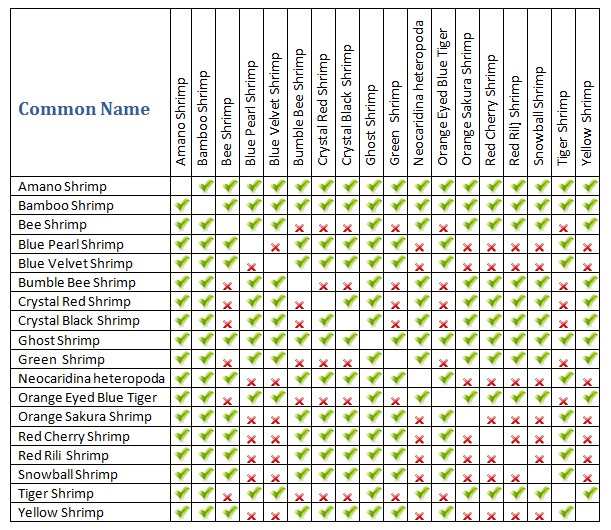
Your choice between Neocaridina and Caridina species makes or breaks your shrimp-keeping journey. These two genera dominate the freshwater aquarium shrimp species market but demand vastly different care approaches. Understanding their biological differences prevents costly mistakes and ensures long-term colony health.
Why Red Cherry Shrimp Are the Best Beginner Freshwater Aquarium Shrimp
Neocaridina davidi varieties—especially red cherry shrimp—thrive where other species fail, making them the ultimate starter shrimp. Their secret? Remarkable adaptability to fluctuating water conditions. While strict parameters are ideal, they survive pH swings from 6.5-8.0 and GH levels between 6-15 dGH, forgiving beginner errors. Watch for their signature behaviors: active grazing on biofilm, darting between plants, and females developing bright “saddles” (egg clusters) behind their heads. Within 4-6 weeks of stable tank conditions, a single berried female releases 20-30 fully formed shrimplets into moss-covered safety zones. Pro tip: Avoid mixing color variants (like red and yellow) in one tank—they’ll crossbreed, producing dull wild-type offspring instead of vibrant hues.
Crystal Red Shrimp Care: Mastering Acidic Water for Caridina Success
Crystal red and black shrimp (Caridina cf. cantonensis) deliver show-stopping contrast but demand precision. Their striking white-and-red or black-and-white banding vanishes if water parameters drift—even experienced keepers lose colonies to unstable KH. These freshwater aquarium shrimp species require pH 5.8-6.8, KH 0-2 dKH, and TDS 80-150 ppm. Achieving this consistently means using buffering substrates like ADA Amazonia or Fluval Stratum, which slowly release tannins to maintain acidity. Never skip drip acclimation when introducing new crystal shrimp; a 2-hour slow-drip process prevents fatal osmotic shock. During molting season, add mineral blocks to prevent “white ring of death”—a fatal calcium deficiency where a stark white band appears around the shrimp’s body before molt failure.
Taiwan Bee Shrimp Breeding Challenges and Amano Shrimp’s Algae Control
High-grade Taiwan bee shrimp (King Kong, Wine Red) represent the pinnacle of selective breeding but demand near-perfect stability. Even minor parameter shifts cause color fading in these prized freshwater aquarium shrimp species. Maintain GH 4-6 dGH with RO water mixed with mineral salts, and monitor TDS weekly—fluctuations above 155 ppm stress delicate specimens. Breeding requires separate gender groups and protein-rich conditioning foods like Bacter AE for 14 days before pairing. Meanwhile, Amano shrimp (Caridina multidentata) solve a different problem: stubborn algae. Their translucent gray bodies with broken black stripes tackle green spot algae that baffles other cleaners. But remember: while Amanos breed in freshwater, their larvae need brackish conditions to survive—making home breeding nearly impossible without specialized equipment.
How to Set Up a Freshwater Aquarium Shrimp Tank That Thrives
Skipping critical setup steps causes 90% of new shrimp keeper failures. Your tank must replicate natural stream conditions before adding a single shrimp, especially for sensitive Caridina species.
Substrate and Filtration Setup for Neocaridina and Caridina Shrimp
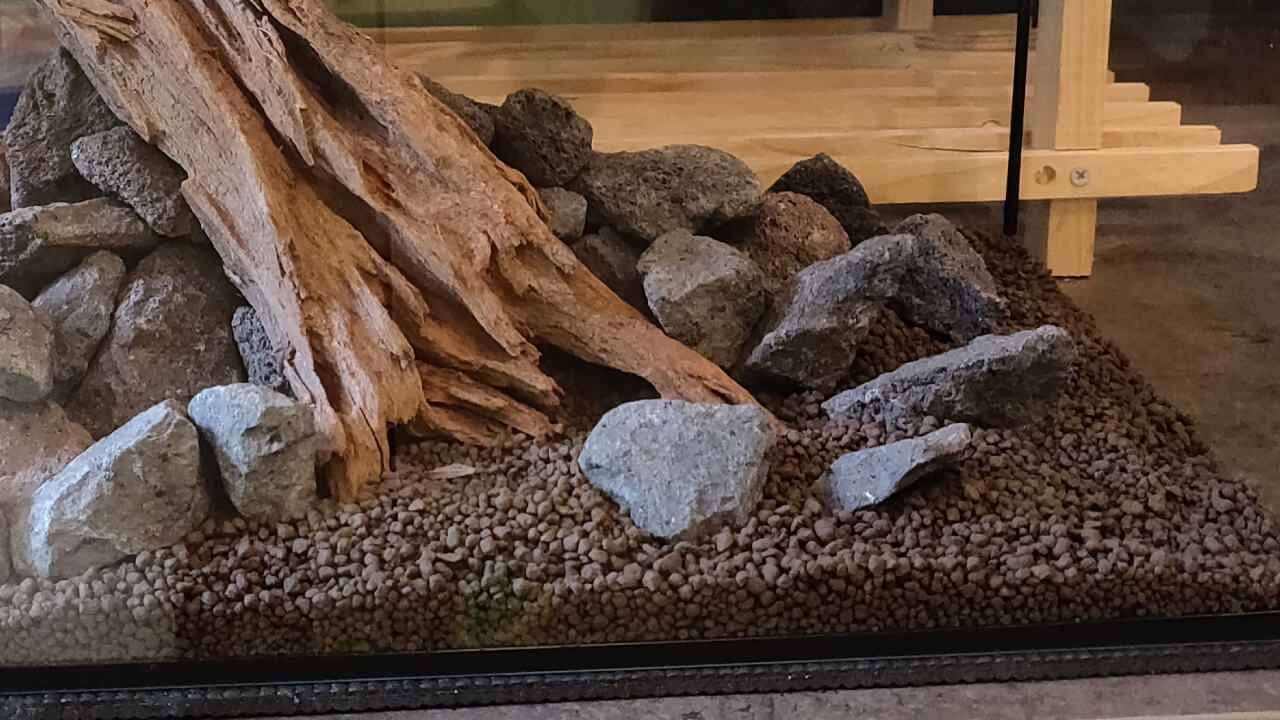
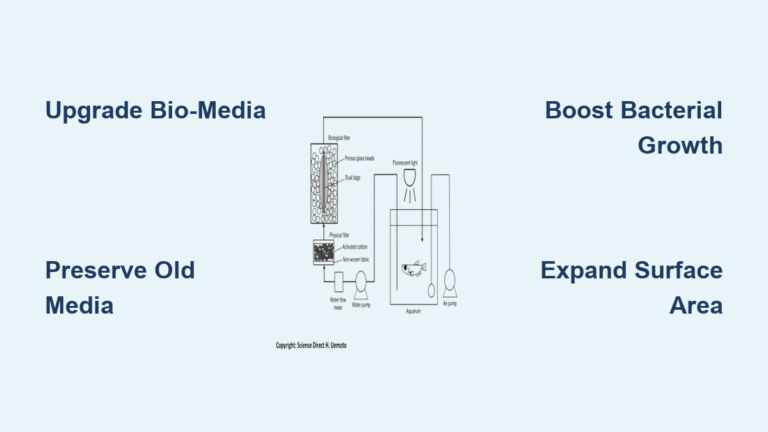
Your substrate choice directly controls water chemistry stability. For Neocaridina, inert sand or gravel works since they tolerate neutral pH. But Caridina species require active substrates like Fluval Stratum—they lower pH by 0.5-1.0 units and provide essential trace minerals. Always rinse inert substrates thoroughly to avoid cloudiness, but never wash active soils (they lose buffering capacity). Pair this with a sponge filter running at lowest flow—shrimp get sucked into hang-on-back intakes even with pre-screens. Pro tip: Seed the sponge with biofilm by placing it in an established tank for 2 weeks before adding shrimp. This creates instant grazing surfaces and jumpstarts the nitrogen cycle.
Water Parameters That Save Your Freshwater Aquarium Shrimp from Die-Off
Stability trumps “perfect” numbers. Test GH, KH, and TDS weekly with liquid kits (strips lack accuracy for shrimp). For Neocaridina, target GH 8-10 dGH and pH 7.2-7.5; for Caridina, aim for GH 5 dGH and pH 6.2-6.4. Critical red flags include:
– Ammonia spikes: Immediately perform 30% water changes if >0.25 ppm
– KH crashes: Below 1 dKH risks pH plummet in Caridina tanks—add crushed coral to filter
– TDS creep: Over 160 ppm for Caridina? Do 20% RO water changes
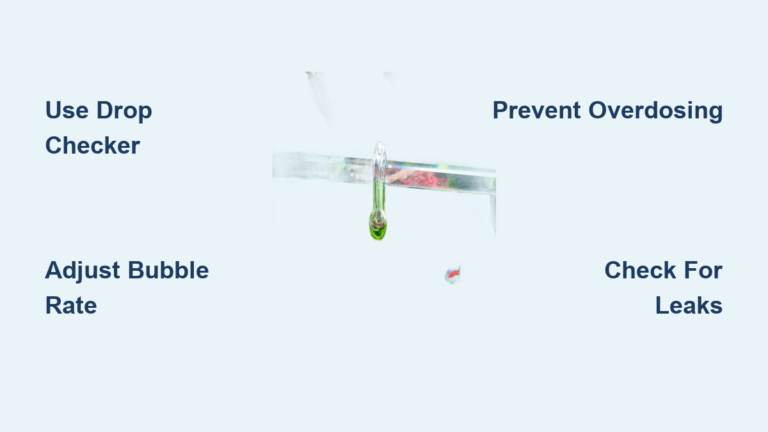
Always drip-acclimate new shrimp for 90+ minutes using an air line with adjustable valve. Sudden TDS shifts kill faster than ammonia.
10-Minute Weekly Maintenance for a Healthy Shrimp Colony
Skip deep cleans—shrimp need established biofilm. Instead:
1. Day 1: Vacuum 20% of substrate gently, avoiding moss patches
2. Day 3: Add 5 Catappa leaves to boost tannins and prevent parasites
3. Day 7: Replace 15% water with pre-mixed, parameter-matched water
Never remove algae from glass or decor—shrimp rely on this food source. During molting season (every 3-4 weeks), add calcium-rich cuttlebone halves to the tank.
What to Feed Your Freshwater Aquarium Shrimp for Vibrant Colors
Overfeeding causes more shrimp deaths than starvation. These freshwater aquarium shrimp species graze 24/7 on natural tank resources but need supplemental nutrition for color intensity.
- Daily: 1-2 mini pellets of high-quality shrimp food (e.g., Bacter AE)
- Twice weekly: Blanched zucchini slices (boil 90 seconds) for calcium
- Weekly: Protein boost like ground spirulina or specialized shrimp lollies
Feed only what disappears in 2 hours. Excess food rots, spiking ammonia. Observe feeding behavior: active grazing on leaves and substrate means ideal portions. Pale colors signal nutrient deficiency—add mineral blocks immediately.
How to Breed Freshwater Aquarium Shrimp Successfully at Home
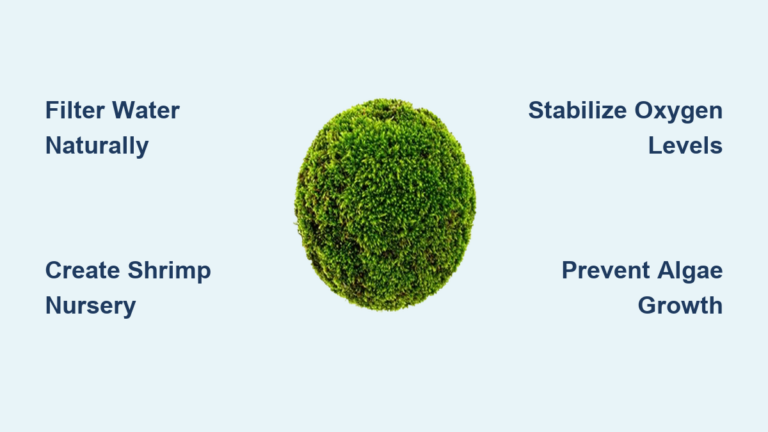
Breeding success hinges on three factors: water stability, diet, and hiding spaces. For Neocaridina, simply add dense moss (Java or Christmas) to existing tanks—females release shrimplets directly into these safe zones. Within 24 hours, you’ll see tiny replicas exploring biofilm. For Caridina, separate berried females into a 5-gallon breeding tank with 100% parameter-matched water. After hatching, feed shrimplets powdered spirulina and Bacter AE 3x daily—survival rates jump from 30% to 80% with this regimen. Never breed Taiwan bees below grade SSS—lower grades produce unstable color genetics. Cull wild-type shrimp monthly to maintain color purity in Neocaridina colonies.
Fixing Common Freshwater Aquarium Shrimp Health Problems (White Ring of Death, Parasites)
Shrimp health crises escalate fast—but early intervention saves colonies. Recognize these critical signs:
- White ring of death: A distinct white band circling the body during molt. Caused by calcium/magnesium deficiency. Fix: Add GH booster to reach 8 dGH and float cuttlebone in tank.
- Vorticella parasites: White fuzzy growth on rostrum. Quarantine affected shrimp and do 15-minute salt dips (1g/L aquarium salt).
- Failed molts: Shrimp trapped in old exoskeleton. Often from unstable KH. Prevent with weekly KH tests; maintain 1-2 dKH for Caridina.
- Ellobiopsidae infection: Green hair-like growth. Isolate immediately—this fatal parasite requires tank sterilization.
Never medicate main tanks—shrimp absorb chemicals rapidly. Always treat in separate quarantine containers.
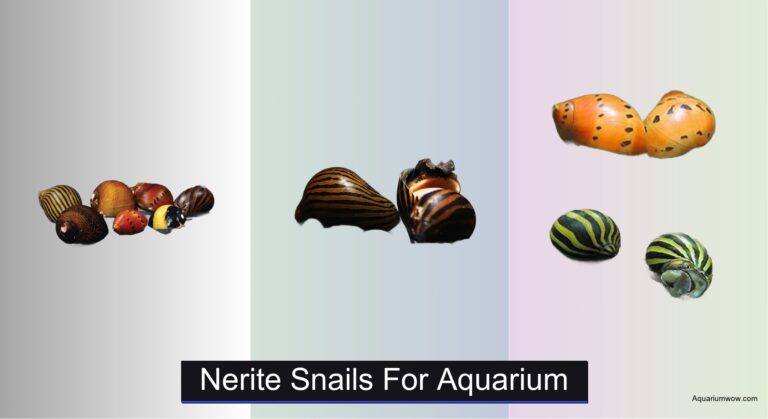
Choosing the right freshwater aquarium shrimp species sets the foundation for a vibrant, self-sustaining ecosystem. Start with hardy Neocaridina like red cherry shrimp to master water stability before attempting Caridina varieties. Remember: consistent parameters beat “perfect” numbers, and biofilm is your shrimp’s primary food source. Within 8 weeks of proper setup, you’ll watch berried females release dozens of shrimplets into moss jungles—a reward no fish can match. Prioritize weekly TDS testing and sponge filter maintenance, and your colony will thrive for years. For next steps, explore selective breeding techniques for color enhancement or add compatible snails like Nerites to boost tank biodiversity.