How Moss Balls Help Your Aquarium (Benefits Explained)
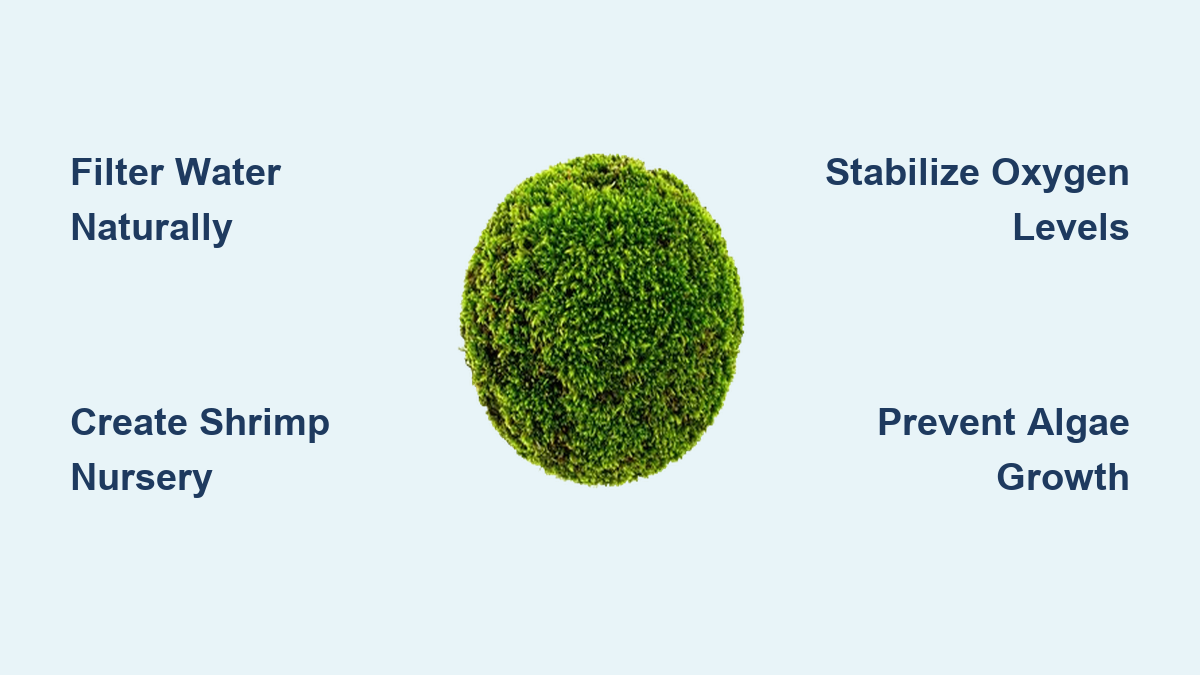
That velvety green sphere sitting quietly in your tank isn’t just a decoration—it’s working hard to keep your aquatic ecosystem thriving. Marimo moss balls (Aegagropila linnaei), despite their misleading name (they’re actually a rare form of filamentous green algae, not moss), deliver powerful benefits that go far beyond aesthetics. Understanding how do moss balls help an aquarium reveals why these living orbs have become essential for both beginner and experienced aquarists seeking a healthier tank environment with less maintenance.
These unique algae formations naturally occur in only a handful of lakes worldwide but adapt remarkably well to home aquariums. When properly cared for, they become active participants in your tank’s ecosystem, providing tangible improvements to water quality, habitat structure, and overall tank stability. Let’s explore exactly how these unassuming spheres transform your aquarium into a more balanced, vibrant aquatic environment.
How Moss Balls Naturally Filter Your Aquarium Water

Moss balls function as living water purifiers through multiple biological processes that directly improve your tank’s water chemistry.
Outcompeting Nuisance Algae for Nutrients
Moss balls starve problem algae by absorbing excess nutrients before they can fuel unsightly blooms. They efficiently consume nitrates, phosphates, and ammonia from the water column—exactly the compounds that cause green water, hair algae, and other common aquarium problems. When you understand how do moss balls help an aquarium, you realize they act as a natural defense system against algae outbreaks, reducing your need for manual cleaning and chemical treatments. In tanks with consistent problems, adding 2-3 moss balls can noticeably reduce algae growth within weeks as they establish themselves.
Boosting Biological Filtration Capacity
While they won’t replace your mechanical filter, moss balls significantly enhance your tank’s biological filtration. Their fuzzy, filamentous structure provides massive surface area for beneficial bacteria to colonize—bacteria that convert toxic ammonia into less harmful compounds through the nitrogen cycle. Think of each moss ball as a mobile biofilter that moves with water currents, distributing these helpful bacteria throughout your tank. This supplemental filtration becomes especially valuable in new tanks establishing their biological balance or in heavily stocked aquariums needing extra processing capacity.
Stabilizing Oxygen and pH Levels
Through photosynthesis, moss balls naturally oxygenate your water during daylight hours while gently consuming carbon dioxide. This dual action helps maintain stable oxygen levels crucial for fish health and contributes to more consistent pH readings. Unlike air stones that create sudden oxygen spikes, moss balls release oxygen gradually throughout the day, creating a more natural fluctuation pattern that reduces stress on sensitive species. In tanks with low water movement or high bioload, this natural oxygenation provides a valuable safety net between filter cycles.
Creating Essential Habitat for Small Aquatic Life
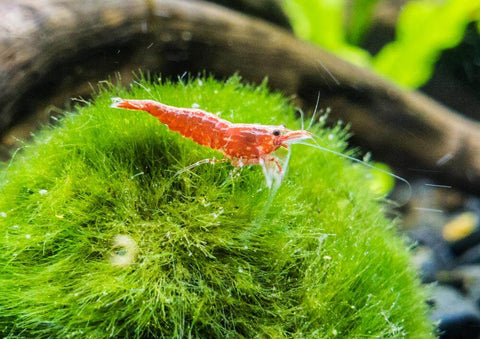
Moss balls transform your aquarium into a more complete ecosystem by providing critical shelter and food sources that standard decor cannot match.
Safe Nurseries for Shrimp and Fry
For shrimp enthusiasts, moss balls are non-negotiable. Cherry shrimp, amano shrimp, and other popular species use them as natural nurseries where they can safely hatch and raise their young away from potential predators. The dense, soft structure offers perfect hiding spots for baby shrimp while allowing adults to easily navigate through the fibers. Even in community tanks with small fish, juvenile fish find refuge within moss balls, dramatically increasing survival rates for breeding projects without needing separate nursery tanks.
Continuous Food Source Through Natural Grazing
Your tank’s cleanup crew will treat moss balls as an all-you-can-eat buffet of microorganisms. Shrimp and snails constantly graze on the biofilm and microscopic organisms living on the moss ball’s surface, providing them with natural nutrition that supplements their regular diet. This continuous food source reduces stress in shrimp populations and encourages natural foraging behaviors that keep them healthier and more active. In tanks without supplemental feeding, moss balls can sustain small shrimp colonies indefinitely through this natural food production.
Preventing Common Aquarium Problems Before They Start
Moss balls serve as early warning systems and preventive measures against issues that might otherwise go unnoticed until they become serious problems.
Visible Water Quality Indicator
A healthy moss ball displays consistent, vibrant green coloration across its entire surface. When water conditions deteriorate, they show visible stress signs before your fish do—browning indicates poor water quality, while white patches signal excessive light exposure. Unlike test strips that require active monitoring, your moss balls provide constant visual feedback about your tank’s health. By checking their condition weekly during water changes, you gain an immediate, no-cost water quality assessment that helps you catch problems early.
Natural Detoxification of Harmful Compounds
Moss balls absorb and bind certain toxins and heavy metals from aquarium water, providing a safety buffer against minor contamination events. While they won’t rescue a tank from a major ammonia spike, they do help mitigate smaller, chronic issues like trace copper from medications or minor organic pollutants. In established tanks with stable parameters, this detoxification capacity contributes to the overall resilience of your ecosystem, making your aquarium less vulnerable to sudden parameter swings that stress aquatic life.
Optimizing Moss Ball Placement for Maximum Benefit

Strategic positioning ensures your moss balls deliver their full range of benefits without becoming maintenance headaches.
Ideal Locations for Water Flow and Light
Place moss balls where they receive gentle water movement but aren’t constantly tumbled by strong currents—near filter outputs but not directly in the flow path. This positioning maximizes their nutrient absorption while preventing them from becoming debris collectors. For optimal growth, position them in moderate light areas (50-100 PAR), avoiding direct spotlighting that causes browning. In planted tanks, tuck them between hardscape elements where they receive diffused light but don’t block other plants’ access.
Strategic Grouping for Enhanced Effects
Arrange multiple moss balls in clusters rather than scattering them randomly to create mini-ecosystems within your tank. Grouping 3-5 balls together significantly increases their collective filtration capacity while creating more substantial habitat structures for shrimp and small fish. In larger tanks (20+ gallons), create multiple clusters in different zones to distribute their benefits throughout the aquarium. This approach mimics their natural lake bottom formations and maximizes their ecological impact beyond what isolated balls can provide.
Correct Maintenance Practices for Long-Term Success
Proper care ensures your moss balls remain effective contributors to your aquarium’s health for years rather than months.
Essential Weekly Maintenance Routine
During water changes, gently squeeze each moss ball underwater to release trapped debris and rotate it a quarter-turn for even light exposure. This simple 30-second task prevents flat spots from developing and maintains consistent growth. Use water removed during your water change for cleaning—never tap water, which contains chlorine that damages both the moss ball and your tank’s ecosystem. Healthy moss balls should feel firm but slightly springy when squeezed, with no mushy or slimy spots.
Troubleshooting Common Problems Quickly
Address browning immediately by moving the moss ball to a shadier location and checking your water parameters. If sections turn brown despite proper lighting, trim them away with clean scissors to prevent spread. For persistent floating (beyond normal oxygen bubble release), gently squeeze underwater to release trapped air—continuous floating often indicates internal decay requiring removal. Remember that occasional floating is normal during peak photosynthesis hours and doesn’t indicate a problem.
Choosing the Right Tank Mates to Protect Your Investment
Selecting compatible inhabitants ensures your moss balls remain intact and functional rather than becoming fish food.
Ideal Community Members for Moss Ball Tanks
Small tetras, rasboras, and peaceful bottom dwellers like corydoras coexist perfectly with moss balls, occasionally grazing biofilm without damaging the structure. Shrimp (especially cherry and amano varieties) form symbiotic relationships with moss balls, keeping them clean while benefiting from the constant food source. These combinations create self-sustaining micro-ecosystems where each element supports the others, reducing your maintenance burden while increasing tank stability.
Species That Will Destroy Your Moss Balls
Goldfish, large cichlids, and silver dollars will shred or consume moss balls given the opportunity. Even some “peaceful” fish like certain barbs may pick at them. Before adding moss balls, research all your tank inhabitants’ tendencies—some fish species that seem harmless will systematically unravel them over weeks. When in doubt, start with one moss ball as a test before investing in multiple specimens.
Propagation Secrets: Growing Your Moss Ball Collection for Free
Divide large, healthy moss balls during routine maintenance to create new specimens—simply pull them apart gently and reshape the pieces into spheres. Each section will gradually reform into a perfect ball over 6-12 months. Place divided sections in areas with slightly stronger light to encourage faster regrowth. This propagation method lets you expand your moss ball collection exponentially without additional cost, sharing specimens with fellow aquarists or creating more clusters in your own tank.
By strategically incorporating moss balls into your aquarium maintenance routine, you create a more resilient, self-sustaining ecosystem that requires less intervention while supporting healthier aquatic life. Their unique combination of filtration, habitat creation, and preventive benefits makes them one of the most cost-effective upgrades you can make to any freshwater tank. Start with 1-2 moss balls in your next water change and watch as your aquarium transforms into a more balanced, vibrant underwater world.