How to Prevent Algae in Aquarium: Easy Tips
You’re staring at your aquarium, but instead of vibrant fish and lush plants, you see a murky green film coating every surface. That slimy takeover isn’t just ugly—it’s a warning sign your tank’s ecosystem is out of balance. Algae blooms strike 9 out of 10 new aquarium owners within months, turning dream tanks into maintenance nightmares. The good news? You can stop algae before it starts. This guide reveals exactly how to prevent algae in aquarium environments by fixing root causes—not just scrubbing symptoms. Forget temporary fixes; you’ll learn actionable strategies used by expert aquarists to maintain crystal-clear water for years.
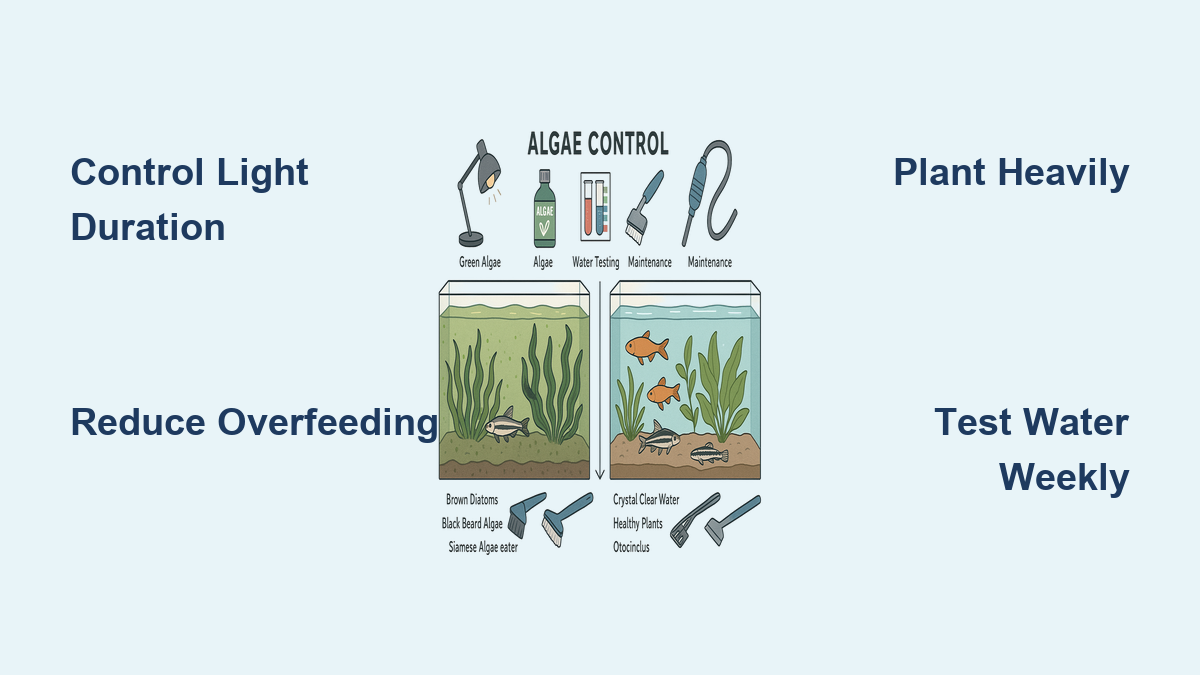
Algae thrives on three simple ingredients: light, nitrates, and phosphates. When any of these spike—like from overfeeding, excessive sunlight, or poor plant growth—algae explodes. But here’s the secret most beginners miss: algae isn’t your enemy. It’s a symptom of imbalance. The real solution? Create a self-sustaining ecosystem where your plants outcompete algae for resources. In this guide, you’ll discover proven methods to starve algae at its source while building a thriving underwater world. No more daily scrubbing—just consistent, science-backed habits that keep your tank pristine.
Starve Algae by Eliminating Its Core Fuel Sources
Algae growth isn’t random—it’s a direct response to excess light and nutrients. When nitrates and phosphates build up from overfeeding or poor maintenance, algae feasts. Similarly, leaving lights on too long or placing tanks in direct sunlight gives algae unlimited energy. The fix? Ruthlessly control these three inputs. Start by testing your water for nitrates and phosphates weekly. If levels exceed 20 ppm nitrates or 0.5 ppm phosphates, algae will inevitably follow. Immediate action: perform a 30% water change using a gravel vacuum to remove waste from the substrate. Crucially, never use tap water for changes if it contains phosphates (common in municipal supplies)—switch to remineralized RO water instead.
Why Overfeeding Is Your #1 Algae Accelerator
Feeding just 10% more than your fish need floods your tank with uneaten food that decomposes into algae fuel. Watch this happen: fish ignore pellets after 90 seconds? That’s your cue to stop. Scoop leftovers immediately with a net—don’t let them sink. For most community tanks, feed once daily with portions consumed in under 2 minutes. Underfeeding slightly is safer than overfeeding; hungry fish actually graze more algae. Pro tip: fast your fish one day weekly. This breaks the nutrient cycle while reducing waste by 15%.
How Poor Cycling Triggers Permanent Algae Battles
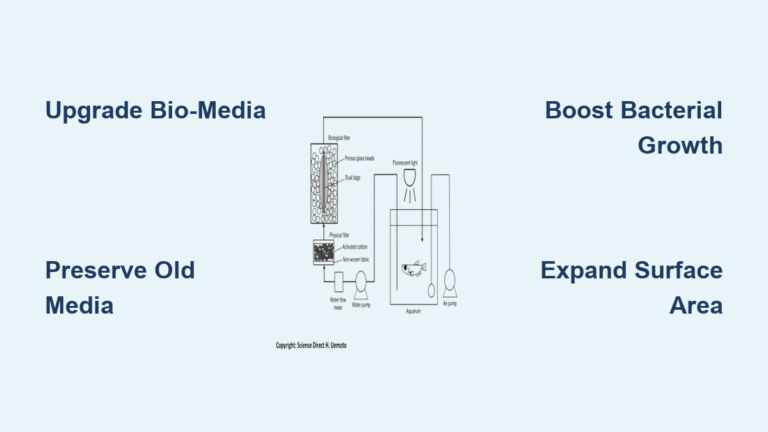
An uncycled tank lacks the beneficial bacteria needed to convert fish waste into harmless compounds. Without this, ammonia spikes then crashes into nitrate buildup—algae’s favorite buffet. Cycle tanks minimum 4–6 weeks before adding fish, using seeded filter media from an established aquarium to jumpstart bacteria growth. Test kits are non-negotiable here: confirm 0 ppm ammonia, 0 ppm nitrites, and under 20 ppm nitrates before proceeding. Rush this step, and you’ll fight algae for months.
Plant Heavily with Fast-Growth Species to Outcompete Algae
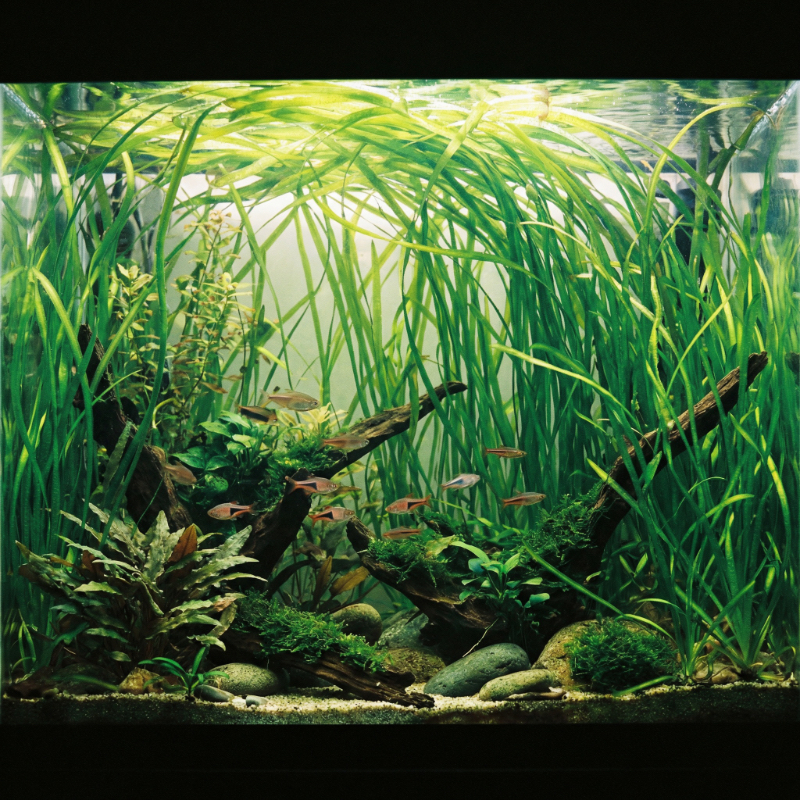
Dense plant coverage is your strongest defense—healthy plants consume excess nitrates and phosphates before algae can. Aim for 70% substrate coverage with fast-growing species. Beginners succeed fastest with Jungle Val (Vallisneria), Dwarf Sagittaria, or Java Moss—all affordable ($5–$15 per bunch) and tolerant of low-tech setups. For floating coverage, Red Root Floaters shade the water surface, blocking light algae needs. Avoid sparse planting; a single Anubias on driftwood won’t cut it. Instead, plant in dense clusters: stem plants like Cabomba or Pearlweed in the background, mosses in the foreground.
Choose the Right Substrate and Fertilizers
Nutrient-hungry plants need more than plain gravel. Use plant-specific substrates like Seachem Fluorite Black or EcoComplete to anchor roots and release iron and potassium. Then dose liquid fertilizers weekly: Seachem Flourish for micro-nutrients plus Flourish Excel to boost plant carbon uptake. But caution—over-fertilizing backfires. Start at half-dose if algae appears; plants need balance, not overload. If hair algae blooms, test phosphate levels first—low phosphate (under 0.5 ppm) actually causes Green Spot Algae.
Control Light Exposure to Limit Algae Growth

Light duration—not intensity—is the critical factor most owners ignore. Run lights maximum 8 hours daily using a timer for absolute consistency. 10 AM to 6 PM? Set it and forget it. Never place tanks in windows; even 2 hours of direct sunlight triggers explosions. Replace aging bulbs yearly—weak output stresses plants, letting algae dominate. For new tanks, start with just 6 hours daily until plants establish. Pro move: add a 1-hour midday “siesta” by splitting the photoperiod (e.g., 6 AM–11 AM, 2 PM–7 PM). This disrupts algae’s growth cycle while giving plants recovery time.
Why High-Tech Lighting Requires CO2 Injection
Bright LED systems (>3 watts/gallon) demand extra support. Without CO2 injection, fast-growing plants can’t absorb nutrients fast enough, leaving leftovers for algae. If using high light, pair it with liquid carbon (like Seachem Excel) and heavy planting. Otherwise, dial intensity down to 1–2 watts/gallon—enough for low-light plants like Anubias without CO2.
Optimize Feeding and Tank Maintenance to Reduce Nutrients

Your maintenance routine makes or breaks algae prevention. Skip a water change? Algae notices within 48 hours. Commit to 25–30% water changes weekly using a siphon gravel vac to pull debris from substrate. Always rinse filter media in old tank water (never tap water—it kills beneficial bacteria). For canister filters, clean impellers monthly to maintain flow. Crucially, don’t overstock: 1 inch of fish per gallon max. Too many fish = too much waste = guaranteed algae.
The Critical Role of Weekly Pruning
Dead leaves decompose into algae nutrients. Trim yellowing plant tips weekly and remove fallen matter immediately. For stem plants, cut 1/3 of growth to stimulate new shoots that absorb more nitrates. This isn’t optional—neglecting pruning turns your tank into a nutrient factory.
Introduce Effective Algae-Eating Invertebrates and Fish
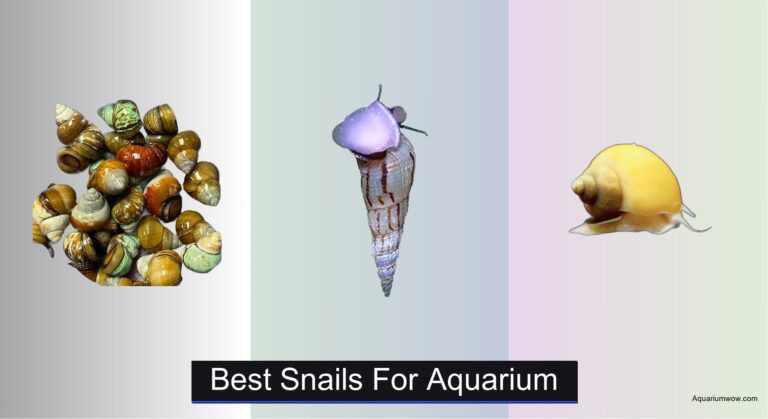
Algae eaters work only in balanced tanks—they’re cleanup crew, not magic bullets. Nerite snails are the safest bet; they devour glass algae but won’t reproduce in freshwater. Add 1 per 5 gallons. For hair algae, Amano shrimp (2–3 per 10 gallons) are unbeatable. Avoid Otocinclus if you’re new—they’re fragile and starve without supplemental algae wafers. Siamese Algae Eaters tackle Black Beard Algae but need 20+ gallons to thrive. Never add Chinese Algae Eaters—they harass fish. Remember: snails like Ramshorns multiply explosively if overfed; stick to Nerites for control.
Follow This 5-Step Weekly Routine for Algae Prevention
Sticking to this simple ritual prevents 95% of outbreaks:
1. Feed once daily—only what fish eat in 90 seconds. Fast them one day weekly.
2. Run lights 8 hours max via timer. Zero exceptions.
3. Change 30% water while vacuuming substrate. Test nitrates afterward.
4. Prune plants and wipe front glass with algae magnet.
5. Spot-treat problem areas with 3% H₂O₂ (1ml per gallon) on Black Beard Algae.
Troubleshoot Green Water Algae Blooms Immediately
Cloudy green water means free-floating algae is feeding on excess nutrients. Act fast:
– Perform a 50% water change now.
– Cover the tank completely for 72 hours (no light = no growth).
– Check feeding—you’re likely overdoing it.
– Install a UV sterilizer if blooms recur; it zaps algae in 48 hours.
Eliminate Hair Algae and Black Beard Algae for Good
These stringy invaders signal unstable CO₂ or light spikes. For Hair Algae: reduce photoperiod to 6 hours, manually remove strands, and dose Flourish Excel. For stubborn Black Beard Algae (BBA):
– Inject 3% H₂O₂ directly onto growth with a syringe (1:10 ratio with tank water).
– Increase water flow—BBA hates strong currents.
– Add more fast-growing plants like Hornwort to outcompete it.
Remove Green Spot Algae Without Damaging Your Tank
GSA’s gritty patches on glass mean low phosphate. Don’t scrub—it spreads spores. Instead:
– Test phosphate levels; if below 0.5 ppm, dose phosphorus fertilizer.
– Scrape gently with a razor blade only on glass (not acrylic).
– Introduce Nerite snails—they’re the only creatures that eat GSA reliably.
Maintain Long-Term Algae Prevention with Cycling and Water Quality
True prevention starts before your first fish arrives. Cycle tanks 6 weeks minimum with ammonia sources (not fish). Use seeded filter media to shortcut this—it establishes bacteria in 7 days. Then, test water weekly: nitrates under 20 ppm, phosphates under 0.5 ppm. If tap water has phosphates (common!), use RO water with remineralizer. Finally, never skip filter maintenance—clean sponge media every 2 weeks in tank water to preserve bacteria.
The Final Word on Algae Prevention
Stopping algae isn’t about one trick—it’s creating a balanced ecosystem where plants dominate. Master these three pillars: heavy planting (70% coverage), strict light control (8 hours max), and disciplined feeding (90-second meals). Do this, and you’ll transform from algae fighter to proud owner of a self-sustaining underwater garden. Remember: consistency beats intensity. Spend 10 minutes daily on prevention instead of 2 hours weekly scrubbing. Your reward? A crystal-clear tank that showcases your fish—not the green invaders. Start today, and within a month, you’ll wonder why you ever struggled.