How to Grow Red Aquarium Plants
Your red aquarium plants keep turning green despite your best efforts, and you’re frustrated after spending weeks trying to achieve that rich crimson look. You’re not alone—most hobbyists struggle with red plants because they demand precise conditions that differ significantly from easy green varieties. The truth is, how to grow red aquarium plants successfully in low-tech setups (without CO2 injection) is achievable with the right species and targeted care. Forget complex high-tech systems; this guide reveals exactly which plants thrive in modest conditions and the specific lighting, nutrients, and maintenance they require to explode with color. By the end, you’ll know precisely how to trigger that jaw-dropping red pigmentation without expensive equipment.
Red plants produce anthocyanins—the pigments responsible for their vibrant hues—as a protective response to environmental stressors like intense light or nutrient shifts. Unlike green plants that prioritize chlorophyll production, red varieties need balanced “pressure” to reveal their full color potential. The key breakthrough? Choosing species proven to work in low-tech tanks, as confirmed by hundreds of hobbyist success stories. Let’s dive into the exact setup, plant selection, and care techniques that transform lackluster stems into a fiery underwater masterpiece.
Critical Gear for Red Plant Success Without CO2

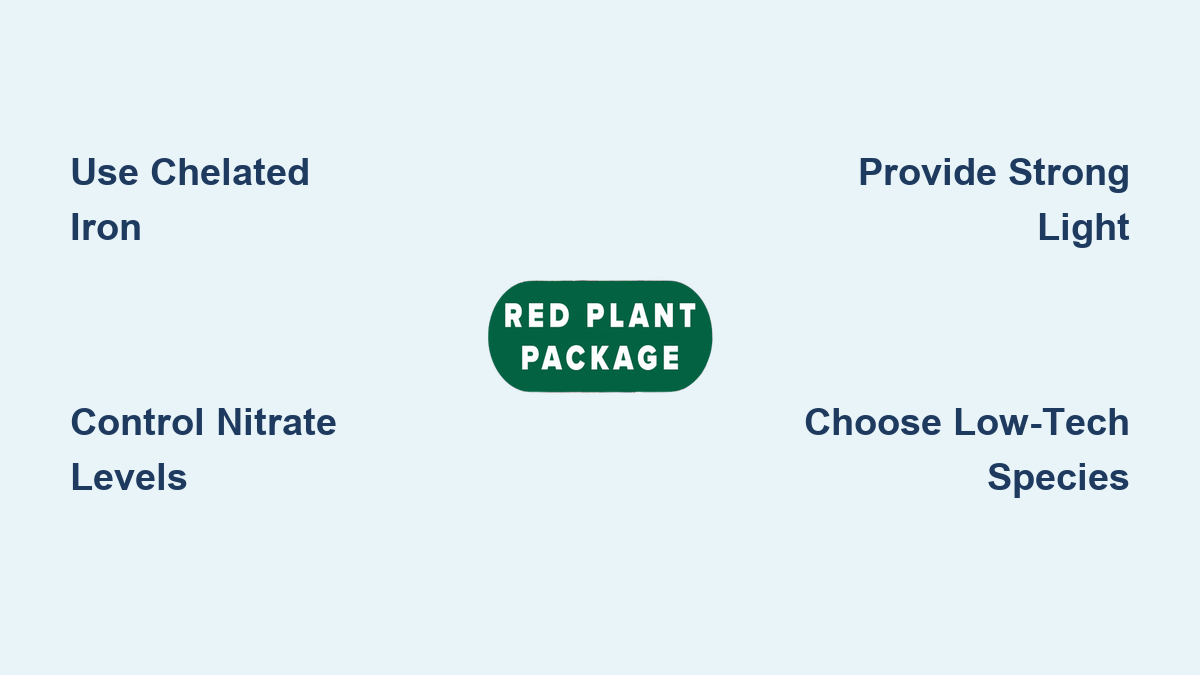
You don’t need a CO2 system to grow stunning red plants—just these non-negotiable basics. Start with a full-spectrum LED light delivering 30-50 PAR at the substrate level; insufficient intensity is the #1 reason for faded color. For a 55-gallon tank, aim for 2-3 watts per gallon with adjustable red spectrum settings. Pair this with a nutrient-rich substrate like Aquasoil or inert gravel supplemented with root tabs every 3 months. Complete the foundation with a comprehensive liquid fertilizer containing chelated iron—this micronutrient is essential for anthocyanin production. Skip any one of these, and your plants will stay stubbornly green.
Top 5 Low-Tech Red Plants That Actually Thrive
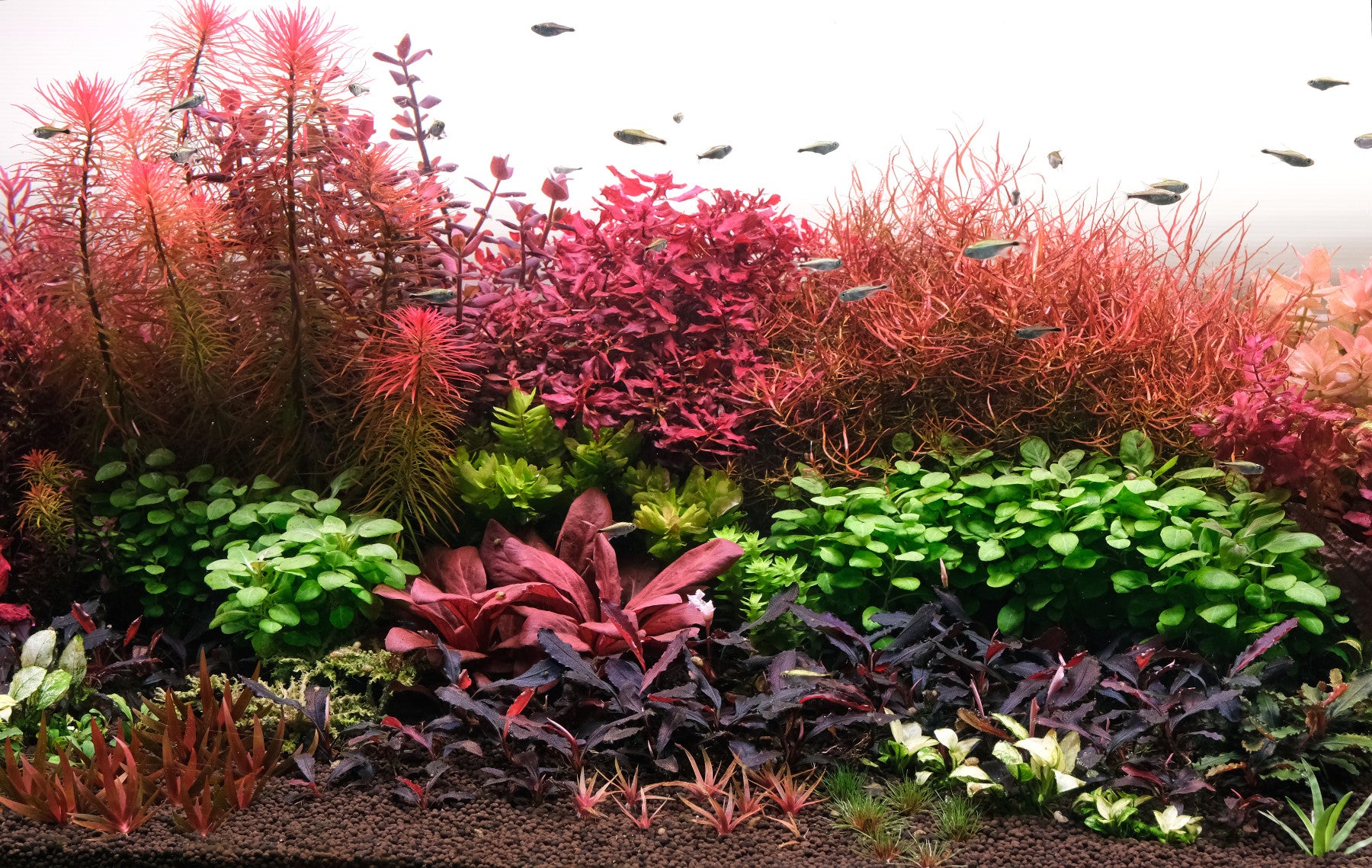
Forget chasing elusive high-tech species; these five varieties consistently deliver color in modest setups based on real user results:
Dwarf Aquarium Lily (Nymphaea stellata)
This beginner-friendly bulb plant develops dappled bronze-to-red arrowhead leaves within weeks. Plant the bulb half-buried in nutrient substrate, add one root tab, and watch it explode into a stunning centerpiece. It thrives in low-tech tanks with just liquid fertilizer and moderate light.
Cryptocoryne nurii
Cory’s top recommendation for good reason—this crypt species grows striking red-bronze leaves without CO2. As a root feeder, it needs nutrient-rich substrate or root tabs but tolerates lower light. Expect slow initial growth that accelerates after 4-6 weeks as it acclimates.
Red Tiger Lotus (Nymphaea zenkeri)
A fast-spreading showstopper with speckled red leaves that float or submerge. Plant the bulb in sand/gravel with a root tab, and it’ll dominate your tank in months. Low-tech success hinges on weekly liquid fertilizer doses and 6+ hours of strong light.
Rotala H’ra
This narrow-leaf stem plant blushes orange-pink to deep red under ideal conditions. Crucially, it feeds primarily through leaves—not roots—so skip root tabs and dose liquid fertilizer weekly. In low-tech setups, it grows slower but still achieves vibrant color with 8 hours of high-intensity light.
Ludwigia repens ‘Red’
Dubbed “unkillable” by users, this stem plant thrives planted or floating with minimal care. It develops ruby-red hues in nutrient-rich water but stays green without iron supplementation. Perfect for beginners thanks to its adaptability to varying light levels.
How to Plant Red Aquarium Plants Without Killing Them
Avoid Crown Rot During Planting
Trim stem plant roots to 1 inch before inserting them into substrate—long roots curl and rot. For bulb plants like Tiger Lotus, press bulbs halfway into the substrate; burying them completely causes decay. Always leave the crown (where roots meet stems) exposed. Space stem plants 2 inches apart to prevent light blockage and ensure water flow around each stem.
Water Column vs. Root Feeding Cues
Identify your plant’s feeding style instantly: stem plants like Rotala H’ra show red coloration primarily through water column feeding—dose liquid fertilizer directly into the flow. Bulb and crypt plants (Dwarf Lily, Crypt nurii) reveal reddish roots within days; these need root tabs buried 1 inch deep near their base. Never dose root tabs for stem plants—they’ll melt from nutrient burn.
Light Requirements for Deep Red Pigmentation
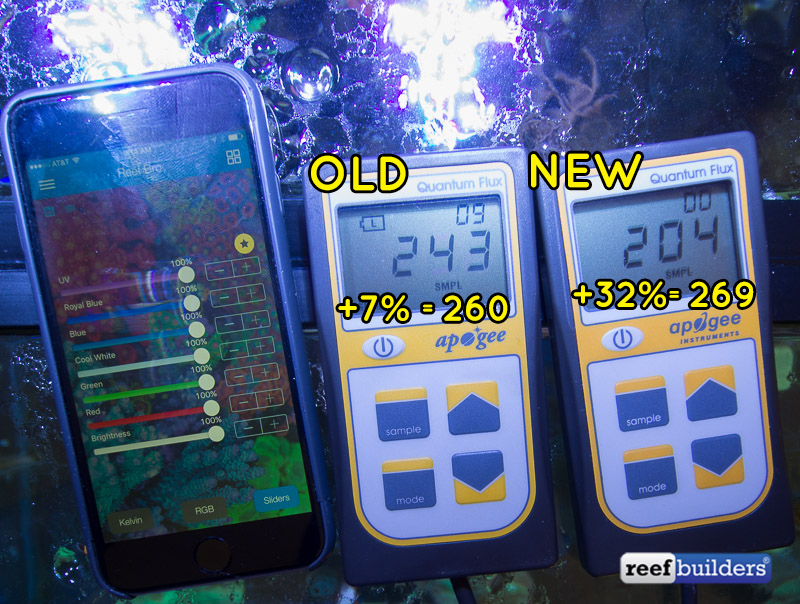
Red plants demand specific light quality, not just quantity. Use a timer for 6-8 hours daily—exceeding this invites algae. Position your LED to deliver 30-50 PAR at the substrate (test with a $20 PAR meter). Crucially, increase red spectrum settings by 20% weekly; users report this triggers anthocyanin production without burning leaves. If colors fade after 2 months, gently raise light intensity by 10%—never exceed 60 PAR to avoid algae blooms.
Iron-Focused Fertilization Strategy for Red Plants
Weekly Dosing Protocol
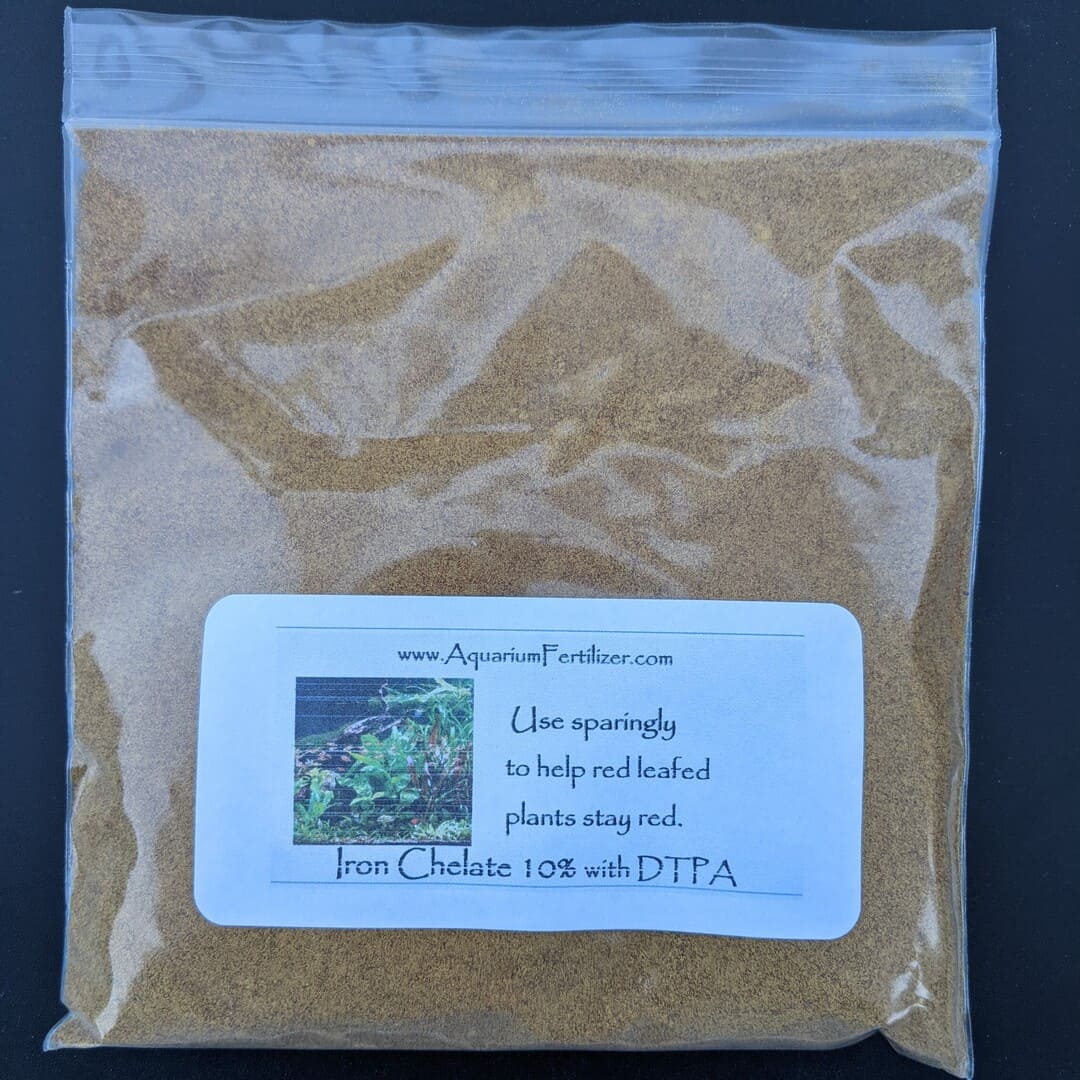
Apply liquid fertilizer every Sunday morning when lights turn on. Start at half-dose for 2 weeks (e.g., 5ml for 55 gallons), then increase to full dose if new growth shows red hues. Prioritize formulas with chelated iron (Fe-EDDHA)—this stays available in water longer. Yellowing between leaf veins? Double your iron dose immediately; this deficiency masks red pigments fastest.
Root Tab Placement for Bulb Plants
Push root tabs 1 inch deep beside Dwarf Lily or Tiger Lotus bulbs—never directly against them. Replace every 3 months. Overdosing causes “iron burn” (black leaf spots); if seen, skip 2 doses and vacuum substrate to remove excess nutrients.
Why CO2 Isn’t Essential for Red Plants (Low-Tech Proof)
Forum users consistently achieved vibrant reds without CO2 by focusing on three factors: intense light (30+ PAR), iron-rich fertilization, and nitrate control. In low-tech tanks, keep nitrates at 5-10 ppm—slightly below typical levels—to “stress” plants into producing more anthocyanins. One user reported Rotala H’ra turning crimson within 3 weeks of reducing nitrates from 20 to 8 ppm while maintaining strong light. CO2 accelerates growth but isn’t mandatory for color; the real game-changer is nutrient precision.
Weekly Maintenance to Prevent Color Fade
Perform 25% water changes every Saturday to reset nutrient balance—neglecting this causes “nutrient lockout” where plants stop absorbing iron. Vacuum substrate gently around stem plants to remove decaying matter but avoid disturbing bulb plant roots. Trim Rotala or Ludwigia tops when they reach 4 inches above the substrate; replant cuttings immediately to encourage bushier growth. Missed maintenance? Fading reds will revert to green within 10 days.
Fixing Melting Leaves in Newly Planted Red Species
The 2-Week Patience Rule
When Cryptocoryne nurii or stem plants shed leaves after planting, this isn’t failure—it’s emersed-to-submerged transition. Do not remove the plant. Ensure strong water flow around the crown to prevent rot, and maintain consistent lighting. New red-tinted leaves emerge from the base in 10-14 days. Cutting off melting leaves prematurely starves the plant of energy reserves needed for adaptation.
Why Your Red Plants Turn Green (and How to Fix It)
Iron Deficiency Emergency Protocol
If new growth loses red hues while older leaves stay colored, your iron levels are critically low. Dose iron supplement immediately and check your fertilizer’s iron concentration—many “comprehensive” formulas lack sufficient chelated iron. Within 72 hours, new growth should show pink tips. For persistent greening, reduce nitrates to 5 ppm by increasing water change frequency; this slight deficiency triggers protective red pigments.
Solving Nutrient Deficiencies: Holes, Spots, and Yellowing
Holey Leaves = Potassium Crisis
Large holes in older Ludwigia or Rotala leaves signal potassium deficiency. Dose potassium sulfate at half-strength for 3 days. Within a week, new leaves grow solid. Brown leaf spots indicate iron overdose—skip iron for 10 days and vacuum substrate. Yellowing between veins on new growth? Manganese deficiency; switch to a fertilizer with manganese sulfate.
Propagating Red Stem Plants for Explosive Color
Trim 4-inch sections from Rotala H’ra or Ludwigia tops, removing bottom leaves. Plant 3 cuttings 1 inch apart to create instant density—the close spacing stresses plants into producing deeper reds. For bulb plants, wait until Tiger Lotus sends runners with baby bulbs; separate pups only after they develop 3 leaves. Propagate Crypt nurii by cutting side shoots once they have 5 leaves. Never propagate during color-stress periods (e.g., when lowering nitrates)—wait until vibrant reds stabilize.
Advanced Tip: Nitrate Limitation for Intense Reds
After 8 weeks of stable growth, reduce nitrates to 5 ppm through more frequent water changes. This “controlled stress” pushes plants to produce maximum anthocyanins—users report Rotala H’ra shifting from pink to blood-red within 10 days. Critical warning: Never drop nitrates below 3 ppm or growth stalls. Test weekly and increase dosing if new leaves yellow. Pair this with 10% higher light intensity for 5 days, then return to normal—this one-two punch triggers explosive color without algae.
Growing vibrant red aquarium plants in low-tech tanks hinges on strategic nutrient stress—not expensive gear. Start with proven varieties like Dwarf Lily or Crypt nurii, nail the iron-light balance, and implement nitrate limitation after plants stabilize. Within 6-8 weeks, you’ll transform your tank from dull green to a fiery spectacle. Remember: patience during the melting phase and weekly iron dosing make all the difference. Ready for deeper color? Try floating Ludwigia repens for faster adaptation—users report 50% quicker red pigmentation when stems initially grow toward the surface light. Your journey to a crimson aquascape starts today with one simple root tab and the right bulb.