How to Use API Aquarium Salt: Quick Guide
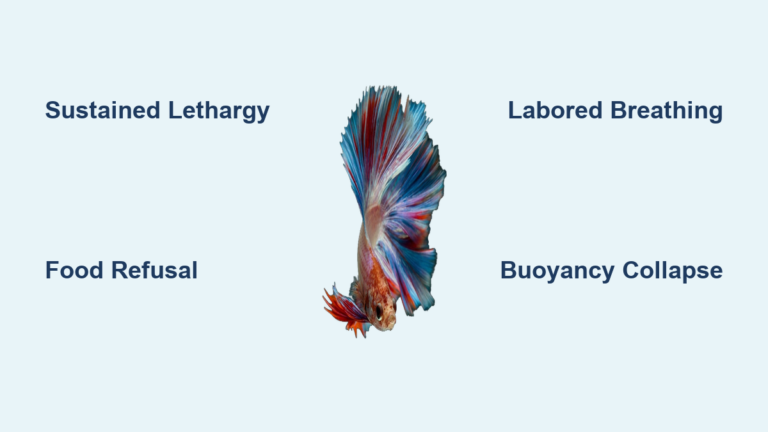
You spot the first ragged edge on your betta’s flowing fin and your stomach drops—that unmistakable sign of fin rot. Left untreated, those elegant fins will continue deteriorating, leaving your fish vulnerable to dangerous infections. Many betta keepers reach for API Aquarium Salt as a safe first-line defense, but using API aquarium salt incorrectly can harm your fish instead of healing it. This guide cuts through the confusion with precise, vetted steps for treating early-stage fin rot using API’s pure aquarium salt. You’ll learn exactly how to dose your 1-gallon tank, avoid deadly concentration mistakes, and recognize when salt alone isn’t enough—all based on proven aquatic care protocols.
Fin rot often starts subtly: a slight fray on the tail edge or a faint red streak along the fin. While severe cases require antibiotics, mild infections respond well to properly administered salt treatments that reduce osmotic stress and inhibit bacterial growth. Crucially, API aquarium salt must never touch your betta undiluted—direct contact burns delicate gills and skin. By following this method, you’ll create a controlled healing environment that mimics natural osmotic conditions without harming your fish. Let’s transform panic into action with a treatment plan that works.
Why Your Betta Must Never Get API Salt Directly in Its Tank
Adding API Aquarium Salt crystals straight into your betta’s water is the fastest way to cause chemical burns and fatal stress. Salt crystals sink to the substrate and create hyper-concentrated pockets where your fish rests. When undissolved salt contacts gills or skin, it draws out bodily fluids through osmosis—like pouring salt on a slug. Your betta will dart frantically (“flashing”), scrape against decor, and may develop white patches from tissue damage. Always dissolve API salt in a separate container first. This isn’t just best practice; it’s non-negotiable for survival. If you’ve ever seen a betta gasping after a rushed salt treatment, this is why.
How to Prevent Salt Burn During Mixing
- Use warm, dechlorinated water (same temp as tank) in a clean cup—cold water slows dissolution
- Stir for 60+ seconds until zero glittery particles remain; hold cup to light to check
- Never add salt while your betta is present—complete mixing before introducing to quarantine water
Setting Up a Dedicated API Salt Treatment Tank for 1-Gallon Bettas
Your main display tank likely contains live plants, snails, or sensitive tank mates that cannot tolerate API aquarium salt. Even low doses kill shrimp and melt delicate aquatic mosses. A 1-gallon quarantine tank isolates your betta for focused treatment while protecting your ecosystem. Skip this step, and you risk killing tank mates or forcing premature treatment stops. This isn’t optional—it’s the foundation of safe salt therapy.
Essential Quarantine Tank Setup Checklist
- Container: 1–2 gallon bare-bottom tank (no substrate to trap waste)
- Heater: Adjustable to 78–80°F (25–27°C)—stable warmth speeds healing
- Filter: Sponge filter only (hang-on-back filters create deadly currents)
- Water source: Dechlorinated tap water or 50% main tank water + 50% fresh (matches parameters)
- Critical omission: No plants, no decorations—bare walls let you monitor fin regrowth clearly
Precise API Aquarium Salt Dosage for 1-Gallon Betta Tanks

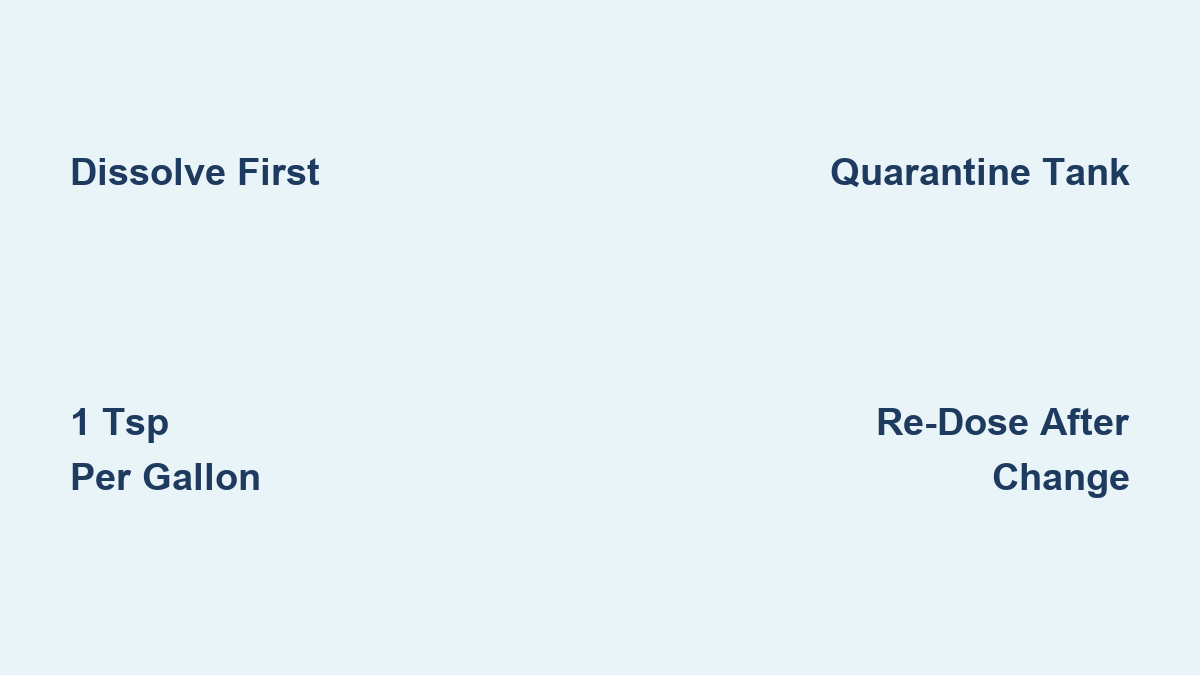
Guessing API salt measurements is why many treatments fail. Too little won’t combat bacteria; too much suffocates your fish. The exact dosage is 1 level teaspoon of API Aquarium Salt per gallon of water—not rounded or heaping. This equals the standard 1 tablespoon per 3–5 gallons scaled down for small tanks. For a 1-gallon quarantine, that’s precisely 5.69 grams. Use a measuring spoon, not a pinch from the container. Under-dosing creates a “bacteria buffet” where pathogens adapt; overdosing forces your betta to work harder to maintain fluid balance, worsening stress.
Why Table Salt or Epsom Salt Will Harm Your Betta
- Table salt contains iodine and anti-caking agents—toxic to gills even in small doses
- Epsom salt (magnesium sulfate) treats bloating, not infections—useless for fin rot
- Rock salt has impurities—API’s pure sodium chloride is the only safe option
Day 1: Safely Transferring Your Betta to the API Salt Bath
Dumping your betta straight into saltwater shocks its system like jumping into icy water. Acclimation takes 45–60 minutes minimum—rushing causes osmotic collapse. Float the transport cup in the quarantine tank for 15 minutes to match temperatures. Then, add 1 tablespoon of saltwater to the cup every 5 minutes. Watch for stress signs: rapid gill movement or frantic swimming means you’re moving too fast. If fins clamp tightly against the body, pause acclimation for 10 minutes. This slow transition saves lives.
When to Stop Acclimation Immediately
- Fish rolls onto its side or sinks lethargically
- White mucus coats the body (indicates severe gill damage)
- Breathing exceeds 100 gill flaps per minute
Daily Water Changes: The API Salt Re-Dosing Protocol You’re Missing
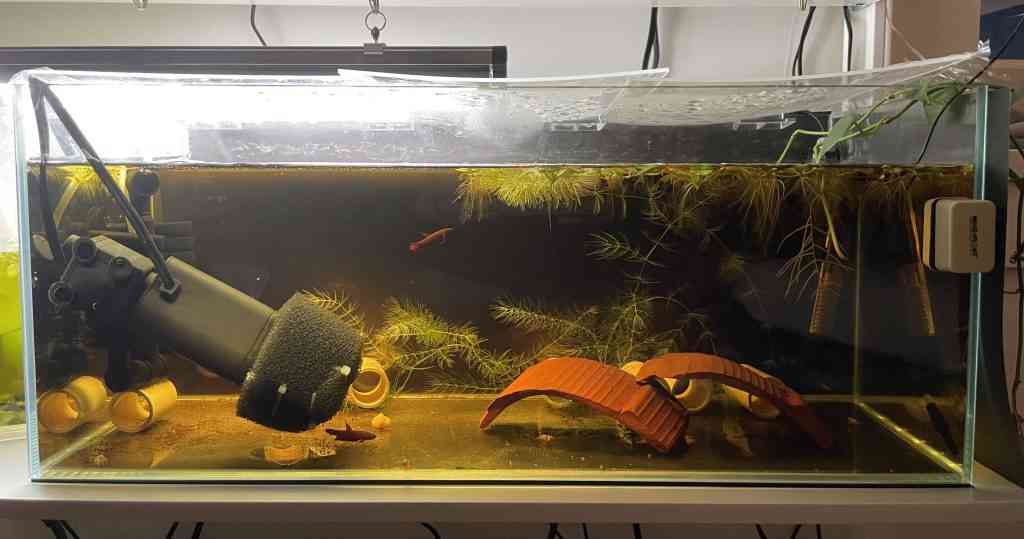
Most betta owners change water but forget to re-dose API salt—killing treatment effectiveness. Salt doesn’t evaporate or degrade, but replacing 25% of the water dilutes the concentration. After every 25–50% water change, add fresh API salt ONLY to the new water. Example: Removing 0.5 gallons from a 1-gallon tank? Dissolve ½ teaspoon API salt in the replacement water before adding it. Skipping this step drops salinity below therapeutic levels, letting fin rot rebound overnight. Do this daily—fin rot thrives in dirty water, and clean changes remove infection-spreading waste.
Critical Water Change Mistakes That Worsen Fin Rot
- Using cold replacement water: Drops temperature, slowing immune response
- Skipping dechlorinator: Chlorine destroys healing tissue
- Changing more than 50% at once: Causes parameter swings that stress recovering fish
How to Identify True Bacterial Fin Rot (When API Salt Isn’t Enough)
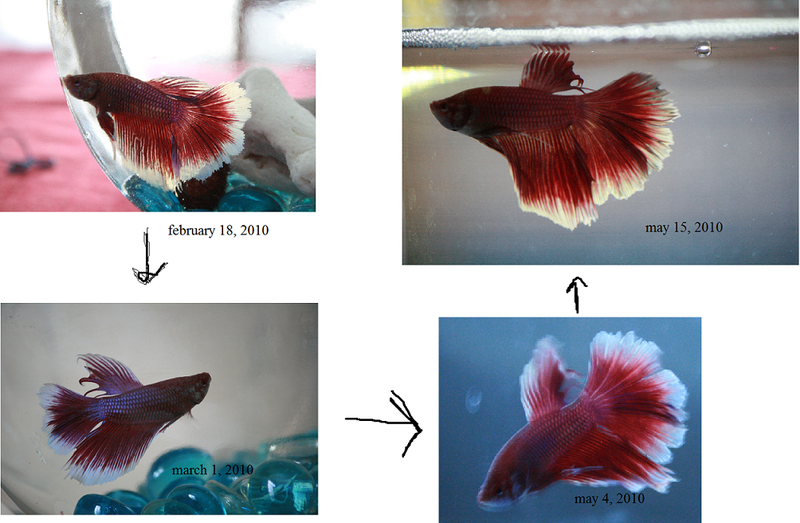
API Aquarium Salt helps mild cases, but aggressive fin rot requires antibiotics. Watch for these red flags after 72 hours of treatment:
– “Melted” fins with bloody streaks spreading faster than 1mm per day
– Fins receding toward the body (not just ragged edges)
– Cloudy eyes or bloating alongside fin deterioration
If you see these, stop salt immediately. API salt won’t penetrate deep tissue infections. Switch to an antibacterial like API Fin & Body Cure within 24 hours—delaying risks fatal sepsis. Salt is a supportive therapy, not a cure-all.
Day 4 Water Change: The Turning Point for Fin Regrowth
By day 4, you should see new transparent tissue forming at fin edges—this is healthy regrowth. Perform a 50% water change before checking progress. Why? Old water clouds visibility and contains accumulated waste that stalls healing. Use a gravel vacuum to siphon debris while replacing water. Re-dose salt as usual. If regrowth is visible, continue treatment for 3 more days to prevent relapse. No improvement? It’s time for antibiotics—don’t waste days hoping salt will magically work.
What Healthy Fin Regrowth Actually Looks Like
- Clear, glassy tissue (not white or red) extending from the fin base
- Smooth edges replacing jagged frays
- No redness or inflammation around the affected area
Re-Acclimating Your Betta to Freshwater After API Salt Treatment
Moving your betta straight from saltwater to freshwater causes fatal osmotic shock. Wean off salt over 48 hours with 50% water changes using unsalted dechlorinated water. Day 1: Replace half the saltwater with freshwater. Day 2: Replace the remaining half. Only return to the main tank when conductivity tests show 0 ppm salinity. Test with an API Freshwater Master Test Kit—if you skip testing, your betta’s kidneys will struggle to readjust. This step is non-negotiable; rushing it causes fatal fluid imbalance.
Emergency Sign: Your Betta Rolls After Water Changes
If your fish loses balance during weaning, immediately add ¼ teaspoon API salt back to the tank. This indicates osmotic shock—your betta’s body can’t handle the sudden shift. Wait 24 hours before resuming freshwater changes.
Post-Treatment Tank Reset: Preventing Fin Rot Relapse
Returning your betta to a dirty main tank guarantees reinfection. Scrub all decor with 10% bleach solution (rinse 5x) and replace filter media. Test for ammonia—any detectable level (>0.25 ppm) damages fins. Feed high-protein foods like frozen bloodworms to accelerate tissue repair. Most crucially: maintain 78–80°F water permanently. Bettas below 76°F have 60% slower immune responses, making fin rot inevitable. Salt treats symptoms; pristine water prevents recurrence.
API Aquarium Salt, used with surgical precision, gives mild fin rot cases a 90% recovery rate. But it’s a tool—not a cure. By dosing exactly 1 teaspoon per gallon, dissolving salt first, and monitoring regrowth daily, you turn a panic moment into a healing journey. If fins show no improvement in 5 days, escalate to antibiotics immediately. Your betta’s vibrant fins depend on knowing when to use salt—and when to reach for stronger solutions.
Final Note: Always complete the full 7-day salt treatment even if fins improve by day 4. Stopping early allows residual bacteria to reignite infection. Track progress with daily photos—you’ll spot subtle regrowth the naked eye misses.