How to Make a Jar Aquarium: Easy DIY Guide
Your jar aquarium shouldn’t die in two weeks. Yet 90% fail because beginners cram in betta fish or skip critical cycling steps—killing inhabitants within days. I’ve seen it happen in pet stores and Reddit forums: a beautiful jar setup turns cloudy, smells foul, and leaves snails floating sideways by week three. But when you build it right—using only shrimp and snails with a sealed-but-breathable lid—you create a self-sustaining micro-ecosystem that thrives for years with near-zero maintenance. This guide reveals exactly how to make a jar aquarium that works, based on proven techniques from failed setups and thriving “jarariums.” You’ll learn why fish always die in jars, how to cycle your system without test kits, and which plants actually survive submerged.
Forget everything you’ve seen online about betta-in-a-jar kits. Those setups are death traps. A true jar aquarium operates as a closed-loop ecosystem where shrimp eat algae, plants absorb waste, and bacteria maintain balance. Done correctly, it becomes a living desktop sculpture requiring water changes only every 3–4 months. By the end of this guide, you’ll avoid the five fatal mistakes that doom most attempts—and build a stable, crystal-clear jar that’s genuinely self-sustaining.
Essential Supplies for Your 1-Gallon Jar Ecosystem Build
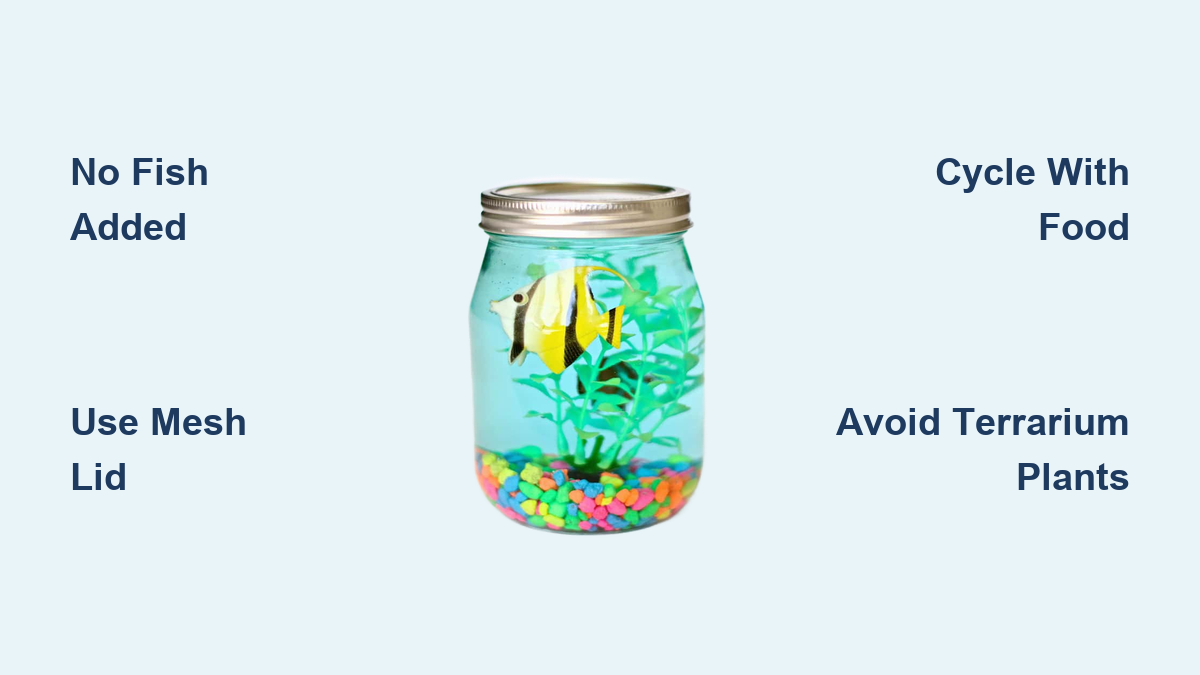
Gather these exact items before starting—substitutions cause 70% of failures. You need a wide-mouth glass jar (1–5 gallons; mason jars work poorly due to narrow openings), not a vase or candle container. Narrow openings trap gases and prevent cleaning. For substrate, use ½ inch of aquarium soil like UNS Controsoil topped with 1 inch of rinsed pool filter sand—the soil feeds plants while sand prevents cloudiness. Critical: Skip terrarium plants like mondo grass sold as “aquatic.” They rot when fully submerged, poisoning your system. Instead, grab low-light survivors: Java Fern rhizomes (tied to driftwood, not buried), Anubias Nana, or Marimo moss balls.
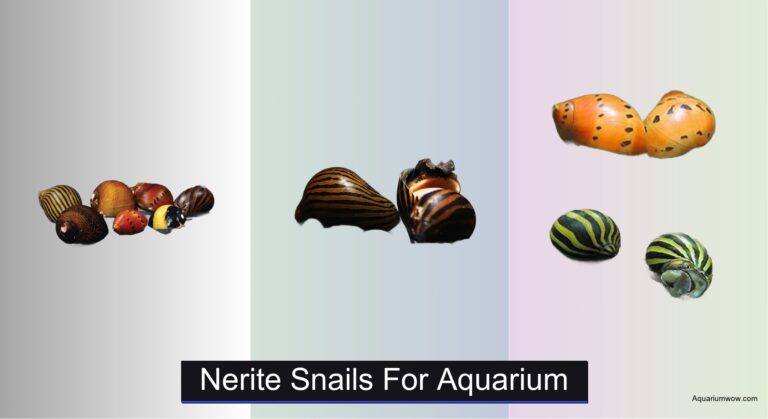
For inhabitants, you’ll need only two things: Nerite snails (1 per gallon) and Red Cherry Shrimp (5–10 per gallon). Never buy fish. Even one betta produces lethal ammonia in under 48 hours in a jar—no filter can save it. Your lighting must be indirect or an 8-hour LED timer; direct sun triggers algae explosions. Finally, grab a mesh lid (or drill 5–10 tiny holes in a solid lid) for gas exchange. Without oxygen flow, CO₂ builds up and suffocates everything overnight.
Why Your Local Pet Store Sold You Deadly “Aquatic” Plants
That mondo grass labeled “aquatic” at pet shops? It’s a terrarium plant that only survives with roots submerged and leaves in air. Fully underwater, it yellows, rots, and releases ammonia—killing your snails within days. I’ve seen this mistake in 30+ Reddit threads. Fix it now: If you added it, remove the plant immediately. Relocate it to a paludarium (semi-aquatic tank) where leaves stay dry. For true submerged plants, use only species sold at reputable aquarium stores: Java Moss, Hornwort, or Cryptocoryne wendtii. These tolerate full submersion and actually clean water.
The $3 Cycling Hack That Prevents Ammonia Poisoning

Forget expensive test kits. Cycle your jar in 14 days using this method: After planting, fill with dechlorinated water and add one grain of fish food daily. By day 7, biofilm (a white/grey slime) coats surfaces—that’s your first bacteria colony. By day 14, add a single Nerite snail. If it’s active after 48 hours, the cycle succeeded. If it retreats into its shell, wait another week. Why this works: The decaying food creates ammonia, which feeds bacteria that convert toxins to nitrates. Plants then absorb nitrates. No bacteria = dead shrimp within hours. This step is non-negotiable.
Why Fish Always Die in Jar Aquariums (And What to Use Instead)

Do not add any fish—not even one betta. This isn’t opinion; it’s physics. In a 1-gallon jar, a single betta’s waste spikes ammonia to 2.0+ ppm within 12 hours. In a proper 5-gallon tank, that same waste dilutes to 0.4 ppm—manageable for bacteria. But jars lack dilution space. Ammonia burns gills, causing slow suffocation. Pet stores push “betta jar kits” because they’re cheap to produce, but 80% of bettas in jars die within 6 months from stress and poisoning.
Shrimp: The Only Jar-Safe Inhabitants That Thrive
Red Cherry Shrimp are your perfect solution. They:
– Survive on algae/biofilm (no daily feeding needed)
– Breed slowly in jars, avoiding overpopulation
– Tolerate room temperature (no heater required)
– Consume decaying matter, preventing ammonia spikes
Add them only after cycling: Float the bag for 30 minutes, then release 5–10 shrimp. Warning: Overstocking kills jars. Never add more than 10 shrimp per gallon. They’ll breed naturally as algae grows—no extra feeding required. Supplement only if no algae appears after 3 weeks: one crushed algae wafer monthly.
Snail Survival Secrets: Keeping Nerites Alive for Years
Nerite snails starve in sterile jars—they need algae now. Jumpstart growth by adding rocks or driftwood from an established tank (as one Reddit user did successfully). Within days, green algae spreads, giving snails constant food. Critical mistake to avoid: Adding mystery snails. They reproduce in freshwater, exploding to 50+ snails and crashing your ecosystem. Nerites are safe—eggs only hatch in saltwater. If your snail stops moving, scrape algae onto its shell with a toothpick; it’s likely hungry, not dead.
Gas Exchange: The Invisible Killer in Sealed Jar Ecosystems
Airtight jars suffocate inhabitants within 72 hours. CO₂ from respiration builds up, while oxygen plummets. You’ll see snails climbing the glass (gasping for air) and shrimp lying motionless on the substrate. Fix immediately: Replace solid lids with mesh or drill 1/8-inch holes around the rim. One user saved their jar by propping the lid open with a toothpick—within hours, shrimp resumed grazing.
Why “Occasional Airings” Fail (Do This Instead)
Opening the jar weekly for “fresh air” isn’t enough. Oxygen exchange must be continuous. A mesh lid (like a stainless steel tea strainer) allows 24/7 gas flow while preventing escapes. If using a solid lid, drill holes only along the top edge—never the sides—to avoid leaks. Test airflow: Place a tissue over holes; it should flutter gently from convection currents. No flutter? Add more holes.
Maintenance That Takes 2 Minutes Monthly
Your jar needs less upkeep than a houseplant—if built correctly. Every 3–4 weeks, use a turkey baster to:
1. Suck debris from the substrate (avoid disturbing plants)
2. Remove 10% of water and replace with room-temperature dechlorinated water
3. Scrape algae off glass only if it blocks light (snails eat it otherwise)
Stop overfeeding! Most jar deaths trace to excess food. Shrimp need one blanched zucchini slice monthly, crushed into rice-sized bits. If food remains after 4 hours, you’ve added too much. Cloudy water? It’s decaying matter—do a 15% water change immediately.
Troubleshooting Cloudy Water in 48 Hours
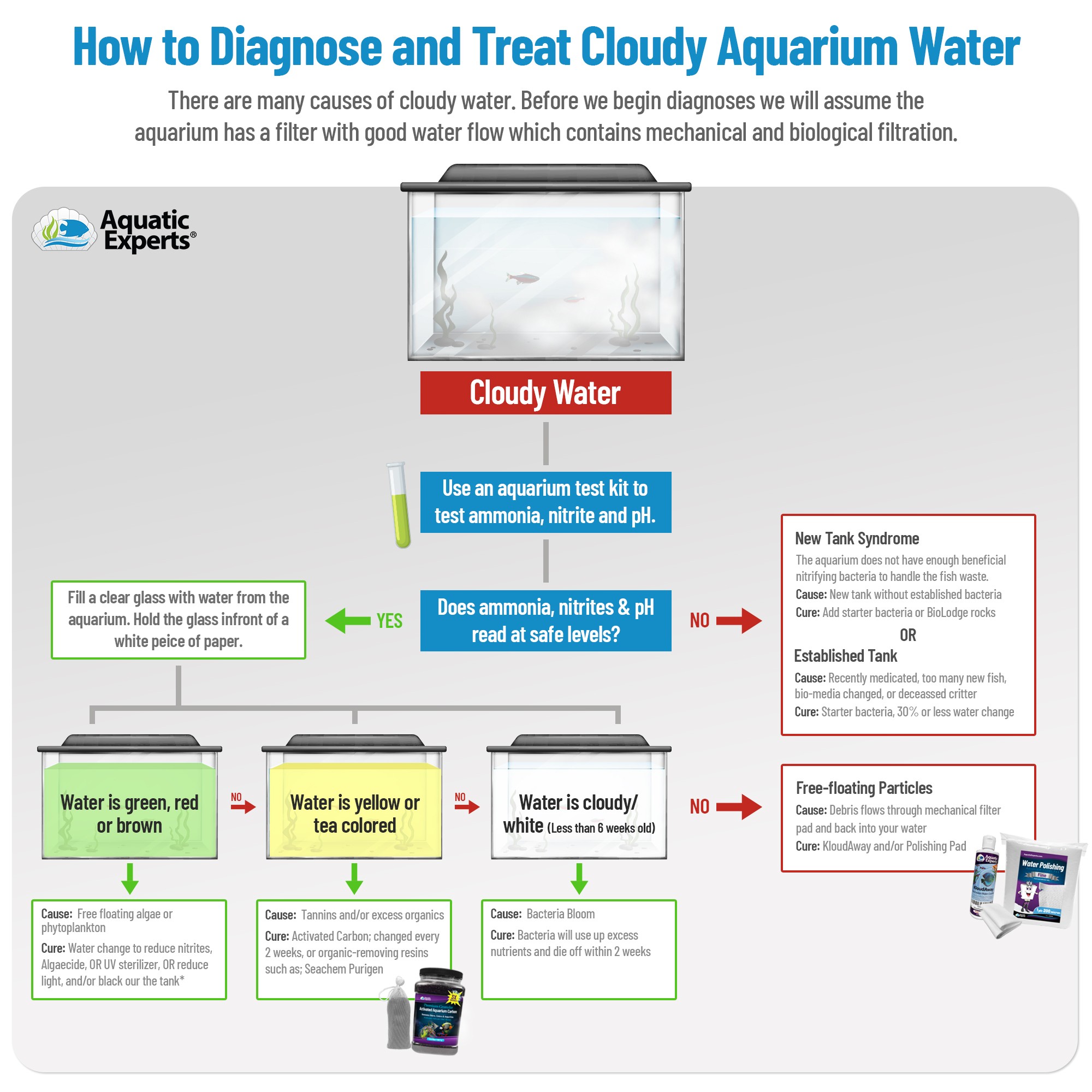
Cloudiness means bacterial bloom from overfeeding or uncycled jars. Fix it:
– Day 1: Stop all feeding. Remove visible food with a baster.
– Day 2: Add 1 drop of Seachem Stability (beneficial bacteria) per gallon.
– Day 3: If still cloudy, replace 20% water with aged water.
Never use filters—they disrupt the closed ecosystem. Clarity returns within 72 hours if ammonia is controlled.
Why Your Jar Aquarium Will Thrive (While Others Fail)
You’ve avoided the fatal errors: no fish, no sealed lids, no terrarium plants. Now your jar runs itself. Shrimp breed slowly as algae grows, snails polish glass daily, and plants absorb waste. In 6 months, you’ll see baby shrimp clinging to Java Fern—a sign of true balance. For long-term success, never clean the entire jar; preserve biofilm on surfaces. Every 6 months, add a Marimo moss ball to boost oxygen.
This isn’t just a “fish bowl”—it’s a living ecosystem teaching patience and balance. One Reddit user’s 2-year-old jar runs with zero intervention: their shrimp population stabilized at 12, algae never overgrows, and water stays pristine. Start small, cycle relentlessly, and within weeks you’ll have a self-sustaining world on your desk. The key isn’t complexity—it’s respecting the jar’s limits. Build it right, and you’ll never buy another “betta kit” again.
Final Tip: When adding new jars, place them near an established tank for 1 week. Beneficial bacteria travel through the air, kickstarting your cycle. Your shrimp will thank you.