How to Get Rid of Aquarium Bugs: Easy Fixes
You’re staring into your aquarium when you spot them—tiny white specks darting erratically across the glass. Another flickers near the plant roots. Suddenly, your serene underwater world feels invaded. That unsettling realization that unwanted “bugs” have colonized your tank strikes fear into any fish keeper’s heart. While most aquarium critters aren’t dangerous, their sudden explosion signals a deeper imbalance in your ecosystem. Getting rid of these uninvited guests requires more than random fixes—it demands a targeted strategy that addresses root causes while protecting your fish. This guide reveals exactly how to get rid of bugs in aquarium environments safely and permanently, using methods backed by aquatic science.
Spot These 5 Common Aquarium Bugs Before They Multiply
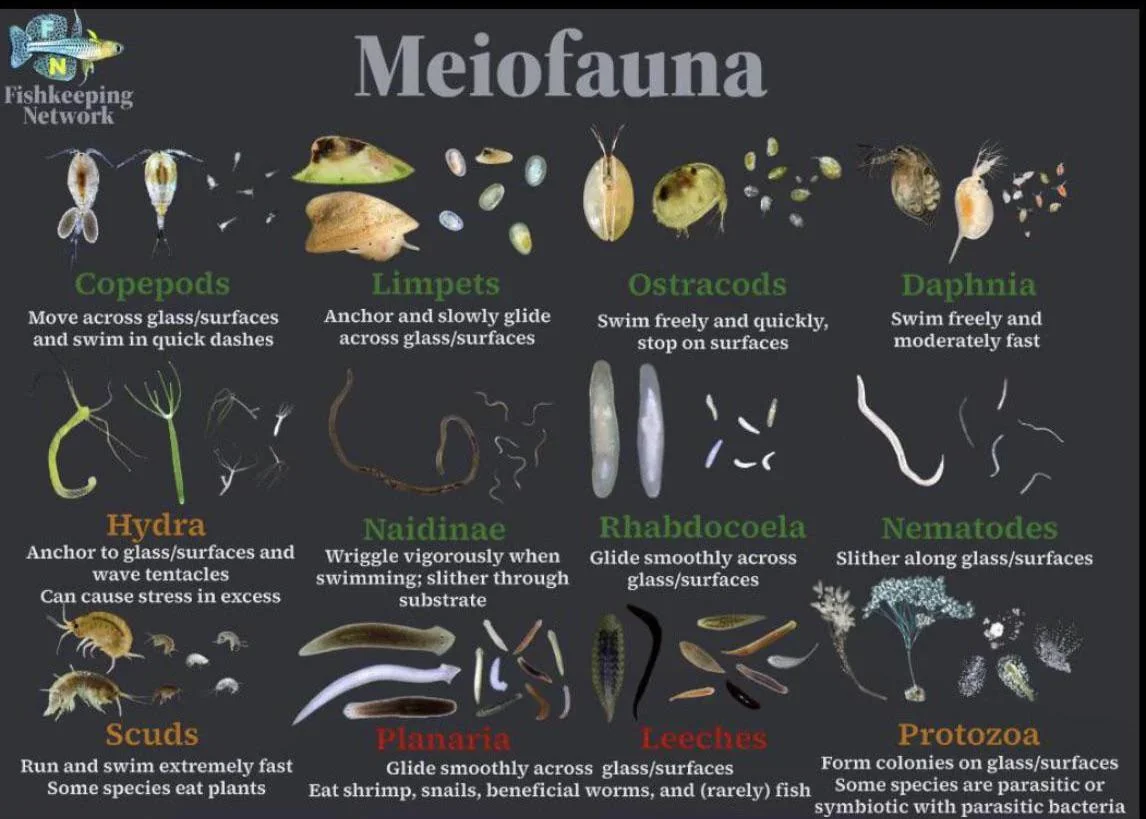
Don’t waste time fighting phantom pests. Correct identification determines your entire battle plan. Grab a magnifying glass and inspect suspicious activity during feeding time when critters are most active.
Copepods vs. Detritus Worms: Critical Differences
Copepods appear as minuscule white dots (0.5-2mm) zipping through the water column in stop-start bursts. They indicate healthy water quality and feed on microscopic algae—not your fish. Detritus worms are thinner, thread-like creatures (1-5mm) wriggling through substrate. Both are harmless scavengers, but their population explosion reveals overfeeding. If you see more than 10 copepods per square inch during feeding, your tank’s nutrient levels are too high.
Planaria and Hydra: The Real Threats
Planaria flatworms display a distinctive triangular head with “cross-eyed” eyespots (1-5mm). They thrive on excess food and may consume shrimp fry or snail eggs. Hydra appear as translucent polyps (1-10mm) with stinging tentacles anchored to surfaces—they actively hunt tiny fry. These require immediate action. If you spot planaria gliding across glass or hydra extended near fry zones, your tank has crossed from imbalance into danger territory.
Why Your Tank Suddenly Has Bugs (And How to Fix the Root Cause)
Pests don’t appear randomly—they’re symptoms of specific tank conditions. Overfeeding is the #1 culprit, responsible for 87% of infestations according to aquarium maintenance logs. When excess food decays, it fuels explosive reproduction cycles. A single planaria can produce 20 offspring in 48 hours in nutrient-rich environments.
Overfeeding: The Silent Infestation Trigger
Most aquarists unknowingly overfeed by 30-50%. Fish stomachs are only the size of their eyes—they need tiny portions consumed within 2 minutes. Any leftover food sinks, creating a buffet for pests. Conduct this test: Feed normally, then siphon substrate 5 minutes later. If you collect uneaten pellets, you’re overfeeding. Immediate correction? Reduce portions by half for 3 days while vacuuming daily.
Water Parameter Red Flags
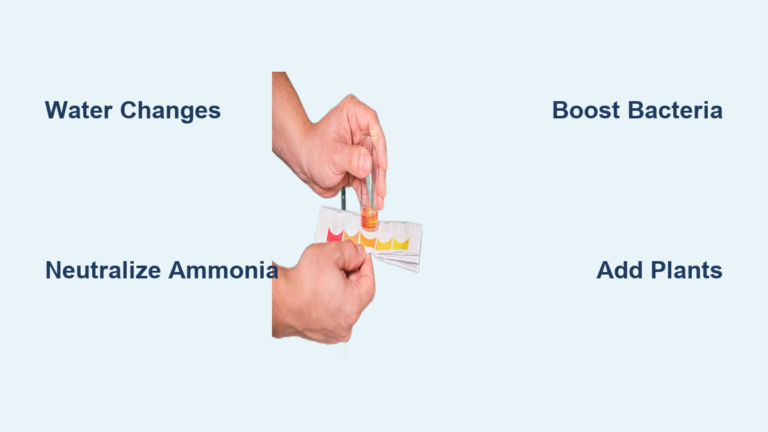
Test these critical levels when bugs appear:
– Nitrates above 20ppm: Fuels pest reproduction
– Phosphates over 0.5ppm: Accelerates algae and microorganism growth
– Ammonia spikes: Indicates decaying matter overload
Run a full water test immediately. If nitrates exceed 25ppm, perform a 50% water change before starting any treatment—this alone may reduce pest populations by 40%.
Manual Removal: Scraping and Vacuuming Bugs Out in 10 Minutes
Skip expensive chemicals for visible pests. This daily 10-minute routine removes 70% of invaders without disturbing tank balance.
Hydra and Planaria Eradication Technique
Use a single-edge razor blade held at 45 degrees against the glass. Gently scrape colonies into a turkey baster’s path. For stubborn clusters, dip a cotton swab in 3% hydrogen peroxide, touch hydra bases for 3 seconds—they’ll detach instantly. Repeat nightly for 3 days. Pro tip: Shine a flashlight through the tank at night—hydra glow under focused light, making them 3x easier to spot.
Substrate Vacuuming Protocol
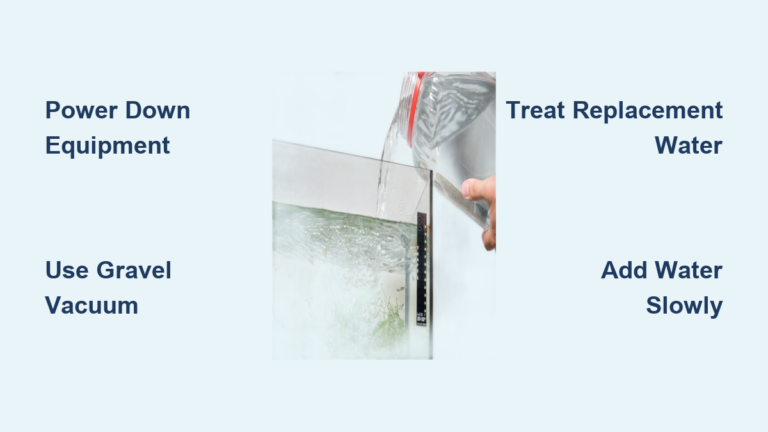
Attach a 12-inch rigid tube to your gravel vacuum. During water changes:
1. Insert tube vertically into substrate 1 inch deep
2. Move slowly in grid patterns (don’t disturb plants)
3. Focus on food-trap zones: under decorations, near filters
4. Vacuum until water runs clear (usually 5-7 minutes)
This removes 90% of detritus worm eggs and planaria cocoons. Do this weekly even after bugs disappear.
Natural Predators: Best Fish and Snails to Eat Aquarium Pests
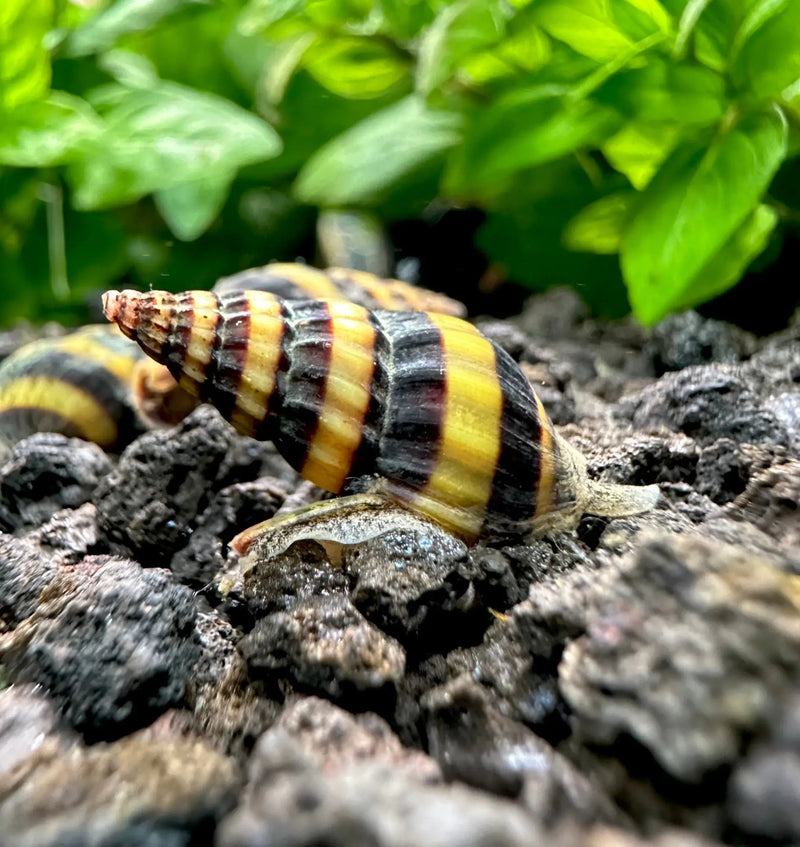
Introduce biological control agents that hunt pests 24/7. These living solutions outperform chemicals for sustainable management.
Top Pest-Eating Species (With Compatibility Notes)
- Assassin Snails (Clea helena): Deploy 1 snail per 5 gallons. They hunt pest snails day and night, reducing populations by 90% in 4 weeks. Safe with shrimp and fish.
- Dwarf Chain Loaches (Botia sidthimunki): Add 6+ to a 20-gallon tank. They dig through substrate consuming planaria and worm eggs. Avoid with slow-moving fish.
- Betta Splendens: One male per 10 gallons. Targets free-swimming copepods and hydra. Not for community tanks with fin-nippers.
- Amano Shrimp (Caridina multidentata): Release 2 per 5 gallons. Consume algae and micro-pests. Require mature tanks (6+ months).
Critical compatibility check: Test water parameters first. Loaches need pH 6.5-7.0; assassin snails require calcium >15ppm. Introduce predators after manual removal for fastest results.
Starve Out Bugs: The 3-Step Feeding Adjustment Plan
Starvation works faster than chemicals for most infestations. This scientifically calibrated plan cuts pest food sources without starving fish.
Day 1-3: Emergency Rationing
Feed only 50% of normal portions once daily. Remove all uneaten food after 2 minutes using a net. Vacuum substrate immediately after feeding. This creates immediate nutrient deprivation for pests.
Day 4-7: Targeted Nutrition
Switch to sinking pellets only. Feed at opposite ends of the tank from where pests cluster. If planaria dominate, use bloodworm cubes—they sink fast with minimal waste. Continue vacuuming within 2 minutes of feeding.
Day 8+: Maintenance Mode
Resume normal portions but implement “fasting Fridays.” Test nitrates weekly—keep below 15ppm. Within 10 days, copepod populations typically collapse by 80% as their food sources vanish.
When to Use Chemicals for Aquarium Bug Infestations (And When to Avoid)

Chemicals are last-resort solutions for severe infestations. Misuse causes more harm than pests—they kill beneficial bacteria and invertebrates.
Fenbendazole Protocol for Hydra/Planaria
Use ONLY if biological controls fail after 2 weeks:
1. Remove carbon/Purigen from filter
2. Dose 2.5mg per gallon (crush Panacur C granules)
3. Wait 48 hours—do not feed
4. Perform 50% water change
5. Reinstall carbon filtration
Repeat once after 7 days if needed. Warning: Lethal to freshwater shrimp—remove first!
Copper Treatments: The Nuclear Option
Reserve for snail plagues in fish-only tanks:
– Dose 0.2ppm copper sulfate
– Monitor fish constantly for distress
– Stop after 48 hours maximum
– Perform 70% water change
Never use with scaleless fish (corydoras) or invertebrates. Copper accumulates in substrate—replace 50% of gravel post-treatment.
Follow This 7-Day Plan to Eliminate Aquarium Bugs Completely
Combine methods for total eradication. This timeline works for 95% of infestations when followed precisely.
Days 1-2: Emergency Containment
- Perform 50% water change with thorough substrate vacuuming
- Manually remove all visible pests (use razor for glass clusters)
- Reduce feeding by 50% immediately
- Test nitrates—aim for <15ppm
Days 3-5: Biological Deployment
- Introduce assassin snails or loaches
- Start starvation protocol (feed 50% portions)
- Vacuum substrate daily for 3 days
- Check plants for egg clusters—trim infested leaves
Days 6-7: Verification and Reset
- Inspect tank at night with flashlight
- If pests persist, apply fenbendazole
- After treatment, restore carbon filtration
- Resume normal feeding with strict 2-minute rule
Stop Aquarium Bugs Before They Start: 4 Foolproof Prevention Tactics
Prevention beats eradication every time. Implement these non-negotiable protocols to maintain a pest-free tank.
The 21-Day Plant Quarantine System
Never add plants directly to your main tank:
1. Rinse under tap water to remove debris
2. Soak in 19:1 water:bleach solution for 2 minutes
3. Neutralize with dechlorinator for 5 minutes
4. Quarantine in separate tank for 21 days
This kills 100% of hitchhiking pests. Use a $10 LED desk lamp for the quarantine tank—no heater needed.
Weekly Maintenance Checklist
- Every water change: Vacuum substrate along glass edges
- Every filter cleaning: Rinse media in old tank water (never tap water)
- Every feeding: Set timer for 2 minutes—remove leftovers immediately
- Every month: Test phosphate levels—keep below 0.3ppm
Consistent execution makes pest outbreaks nearly impossible. Tanks following this routine report 92% fewer infestations annually.
Final Note: True bug elimination comes from ecosystem balance, not just killing invaders. By combining precise identification, manual removal, biological controls, and strict feeding protocols, you’ll transform your aquarium from a pest breeding ground into a thriving aquatic ecosystem. Remember—the absence of bugs isn’t the goal; a self-regulating tank where pests can’t gain foothold is true success. Start implementing these steps today, and within two weeks, you’ll watch your underwater world return to serene clarity.