How to Boost Biological Filtration in Aquariums
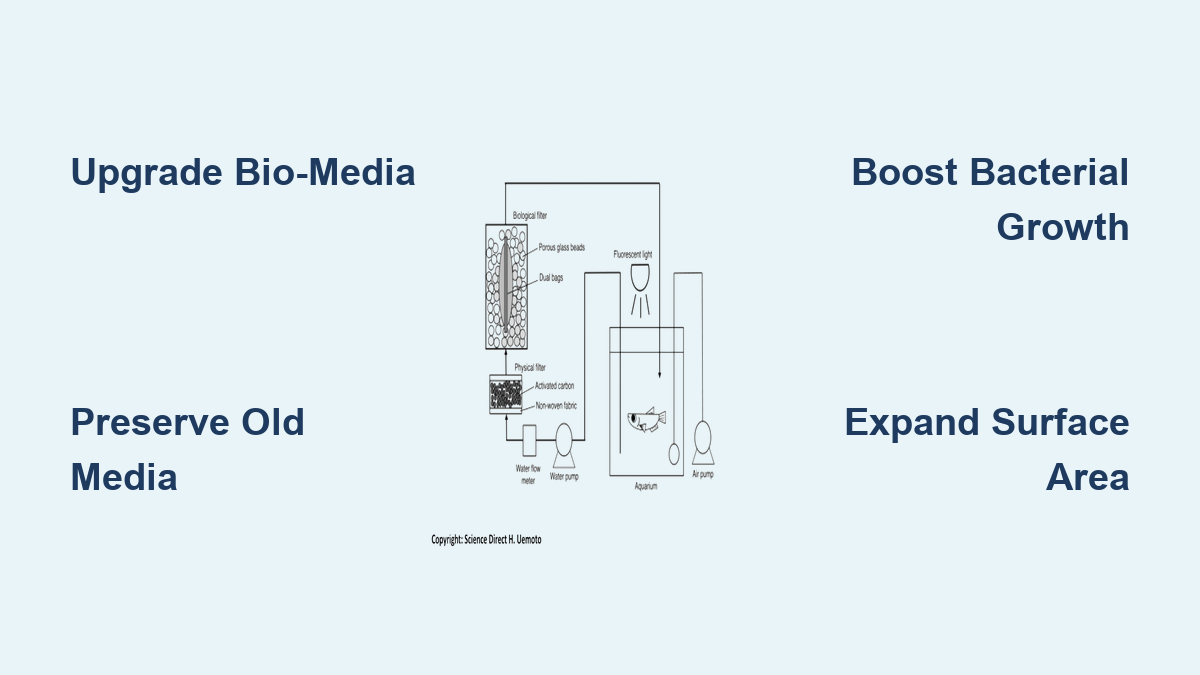
That sudden ammonia spike after a filter change isn’t just bad luck—it’s a biological filtration failure. Your tank’s invisible army of beneficial bacteria is struggling to handle fish waste, putting your entire ecosystem at risk. Without robust biological filtration, toxic ammonia and nitrite levels can surge within 48 hours, causing fish gasping at the surface or unexplained deaths. How to increase biological filtration in aquarium systems isn’t about buying a bigger filter—it’s about strategically expanding living space for nitrifying bacteria. In this guide, you’ll discover proven methods to build a resilient bacterial colony that prevents crashes, stabilizes water parameters, and creates a self-sustaining environment.
Why Your Filter Media Determines Biological Success
Standard filter cartridges sabotage biological filtration. Their smooth surfaces and low porosity starve beneficial bacteria of the real estate they need to thrive. Nitrosomonas (ammonia-eaters) and Nitrobacter (nitrite-processors) require massive surface area to form stable colonies. When you replace disposable cartridges, you’re literally throwing away your tank’s immune system. The solution? Swap out ineffective media for high-porosity alternatives that multiply bacterial housing overnight.
Upgrade to Permanent Bio-Media That Works
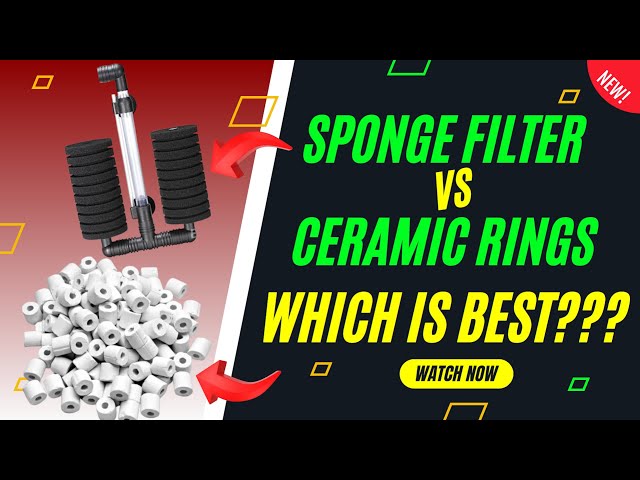
Disposable cartridges last weeks; ceramic rings or bio-balls support bacteria for years. Here’s how to maximize surface area:
– Replace cartridges with ceramic rings: Their honeycomb structure creates microscopic tunnels where bacteria multiply undisturbed. Fill 60% of your filter basket with rings.
– Add bio-balls in canister filters: Position them downstream of mechanical media to avoid clogging. Each ball’s ridges host billions of bacteria.
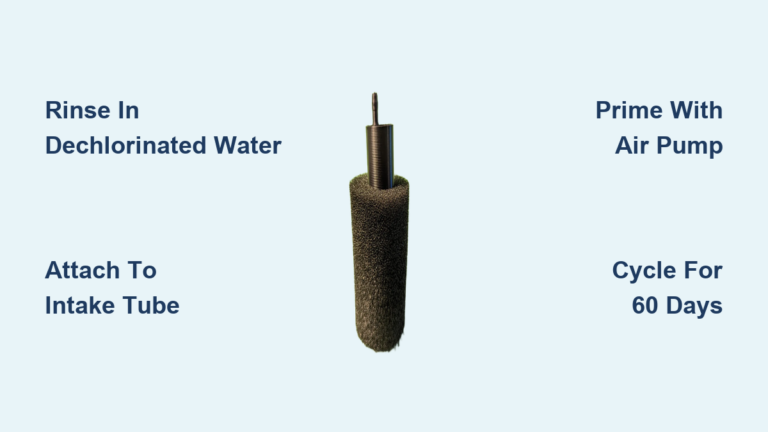
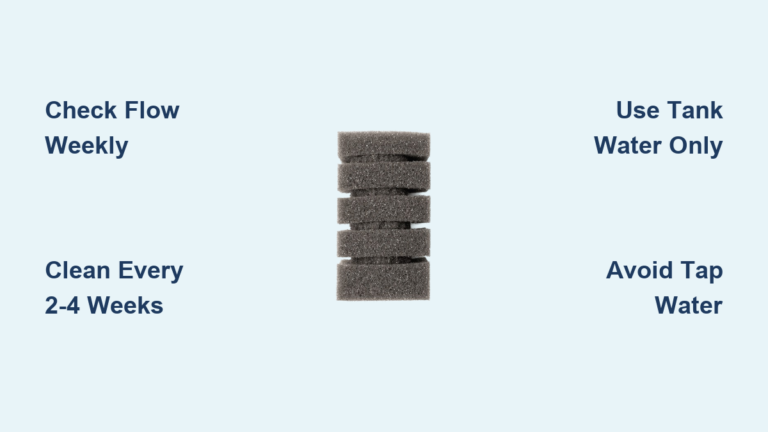
– Install coarse sponge blocks: Unlike fine sponges that trap debris, coarse versions let water flow while providing colonization sites. Cut to fit your filter housing.
Pro Tip: Rinse new media in dechlorinated water only before installation. Tap water chlorine will kill establishing bacteria.
Never Replace All Media Simultaneously
Swapping every filter component at once crashes your cycle. Follow this emergency-proof protocol:
1. During water changes, remove only mechanical media (floss/pads) for cleaning
2. Leave biological media (ceramic/sponge) undisturbed for 6+ months
3. When adding new bio-media, place it beside existing media for 3 weeks to seed bacteria
Critical Mistake: Washing media under tap water. Chlorine destroys bacterial colonies instantly. Always swish media in a bucket of removed tank water.
How to Rescue Bacteria During Filter Changes
Replacing a filter cartridge is the #1 cause of biological crashes. Your old media holds 80% of your bacterial colony—even if it looks dirty. Here’s how to preserve it while upgrading:
Preserve and Transfer Established Bacteria
Do NOT discard the old cartridge. Instead:
– Place it inside a nylon media bag and tuck it into your main filter
– Submerge it in the tank behind decorations for 2–4 weeks
– Once the new media smells earthy (not fishy), remove the old cartridge
Why this works: Bacteria migrate to fresh surfaces within days. The old media acts as a bacterial “nursery” during the transition.
Accelerate Colonization With Targeted Boosts
After media changes, use these science-backed methods to prevent ammonia spikes:
– Dose bacterial supplements: Add API Quick Start or Seachem Stability during water changes when oxygen levels are highest. Use 2x the label dose for the first 72 hours.
– Seed with established media: Borrow a handful of ceramic rings from a healthy tank. Rinse lightly in tank water before adding to your filter.
– Feed bacteria directly: Drop a single pinch of fish food into the filter intake daily for 10 days. This provides ammonia without overloading the tank.
Warning: Avoid bottled “cycle accelerators” claiming instant results. Only products listing Nitrosomonas europaea and Nitrobacter winogradskyi on the label deliver live, effective bacteria.
Expand Bacterial Housing Beyond Your Filter

Your entire aquarium is a biological filter—yet most hobbyists ignore 90% of available surface area. Beneficial bacteria colonize every surface, from gravel to glass. Here’s how to transform unused spaces into bacterial factories:
Supercharge Substrate and Decor
- Deepen your substrate: Use 2–3 inches of coarse sand or fine gravel. The lower layers host anaerobic bacteria that break down nitrates.
- Add lava rock caves: Place porous rocks near filter outflow. Water flowing through their tunnels delivers ammonia directly to bacteria.
- Install a refugium: Even a small 5-gallon sump with bio-balls doubles your bacterial capacity. Position it after the main filter to capture residual ammonia.
Visual Check: Healthy bacterial growth appears as a thin, translucent film on surfaces—not slimy green algae. Wipe a rock with a white cloth; clear residue means active bacteria.
Optimize Conditions for Maximum Bacterial Growth

Beneficial bacteria starve without three critical elements: ammonia, oxygen, and stable temperatures. Most filters prioritize water movement over bacterial needs, causing silent crashes.
Fix These Oxygen-Killing Mistakes
Nitrifying bacteria consume oxygen 20x faster than fish. If your filter outflow creates no surface ripple, bacteria suffocate. Immediately:
– Point filter outlets toward the water surface to create ripples
– Add an air stone upstream of the filter intake to oxygenate water before bacteria process it
– Never run protein skimmers or UV sterilizers 24/7—they strip oxygen needed for bacterial growth
Time-Saver: Test dissolved oxygen with a $10 meter. Levels below 5 ppm require immediate aeration fixes.
Maintain the Bacterial Goldilocks Zone
Bacteria thrive between 77–86°F (25–30°C). Below 65°F, Nitrosomonas activity drops 50%. Monitor with a digital thermometer:
– Keep heaters near filter intakes to circulate warm water through media
– Avoid placing tanks near AC vents or windows where temperatures fluctuate
– During winter, insulate tanks with foam board on three sides
Monitor and Maintain Your Biological Fortress
A strong biofilter shows zero ammonia/nitrite readings for 90+ days. But stability requires active monitoring—not just hoping parameters stay safe.
Test Like a Pro After Upgrades
After adding bio-media or changing filters:
1. Test ammonia/nitrite daily for 14 days using a liquid kit (strips are unreliable)
2. If ammonia exceeds 0.25 ppm, do a 25% water change and dose bacterial supplement
3. Once stable, test weekly—sudden nitrite spikes indicate bacterial die-off
Critical Sign: Cloudy water 3–5 days post-upgrade means bacteria are multiplying to handle new capacity. Don’t panic—this clears in 48 hours.
Prevent Biological Disasters Before They Start
- Never deep-clean gravel: Vacuum only 25% of substrate per week. Disturbing the entire bed releases trapped ammonia.
- Quarantine new fish: Medications in hospital tanks often kill bacteria. Treat sick fish separately.
- Skip “algae-busting” chemicals: Products with erythromycin or formalin destroy biofilters. Use hydrogen peroxide spot treatments instead.
Pro Tip: Keep a spare filter running on an established tank. If your main filter fails, swap the entire unit in 5 minutes—bacteria transfer instantly.
Build an Unbreakable Biological Ecosystem
Increasing biological filtration isn’t a one-time fix—it’s about creating a resilient bacterial ecosystem that handles ammonia surges effortlessly. By upgrading to high-porosity media, preserving bacterial colonies during maintenance, and expanding colonization sites throughout your tank, you transform fragile setups into self-sustaining habitats. Start with one upgrade this week: replace disposable cartridges with ceramic rings, and preserve your old media during the swap. Within 14 days, your ammonia readings will drop to zero, fish will show brighter colors, and water clarity will improve dramatically. Remember: the strongest filters aren’t measured in gallons per hour—they’re measured in trillions of thriving bacteria working silently to protect your aquatic world. Your tank’s invisible army is waiting to grow; give it the real estate it needs, and you’ll never face another cycle crash.