Best Goldfish Aquarium Mates (2026 Guide)
Your goldfish swimming alone in a barren tank isn’t just boring—it’s potentially unhealthy. Goldfish are social creatures that thrive with compatible companions, but finding the right goldfish aquarium mates requires careful consideration. Unlike tropical community fish, goldfish have unique environmental needs and produce significantly more waste, making most common tank mates incompatible. This guide reveals exactly which species can peacefully coexist with your goldfish while keeping your aquarium clean and your fish healthy. You’ll discover which tank mates actually help maintain water quality, which fish to never add to your goldfish tank, and how to successfully introduce new companions without risking disease outbreaks.
Why Most Fish Can’t Live with Goldfish
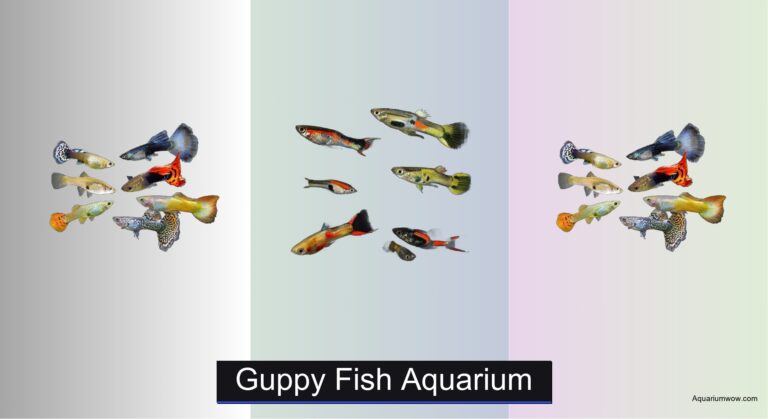
Goldfish create an aquarium environment that most fish simply can’t survive in long-term. Their cool-water requirements (65-75°F/18-24°C) directly conflict with tropical fish that need warmer temperatures. When you try to keep goldfish aquarium mates like guppies or neon tetras, you’re forcing both species into unhealthy conditions—either stressing the goldfish with excessive warmth or chilling the tropical fish to dangerous levels.
Goldfish also produce five times more waste than similarly sized tropical fish, creating ammonia spikes that can overwhelm standard filtration systems. Their active, sometimes clumsy swimming behavior poses another challenge—they’ll accidentally bump into slower fish and may even try to eat smaller tank mates during feeding time.
What Makes Goldfish Unique Tank Inhabitants?
Goldfish require specific conditions that eliminate 90% of potential tank mates:
* Temperature conflict: They thrive in cooler water while most community fish need warmer temperatures
* Bio-load challenge: Their high waste production demands exceptional filtration
* Feeding competition: Goldfish eat constantly and may outcompete slower fish for food
* Physical danger: Long-finned fancy varieties are vulnerable to fin-nipping species
Pro Tip: Never add tropical fish to your goldfish tank hoping they’ll “adjust” to cooler water—they won’t survive long-term and will stress your goldfish with their declining health.
Best Invertebrate Tank Mates for Goldfish Tanks

Invertebrates represent the safest and most successful goldfish aquarium mates because they share similar water requirements and help maintain tank cleanliness. Unlike fish, they won’t compete for food or territory and actually contribute to your tank’s ecosystem.
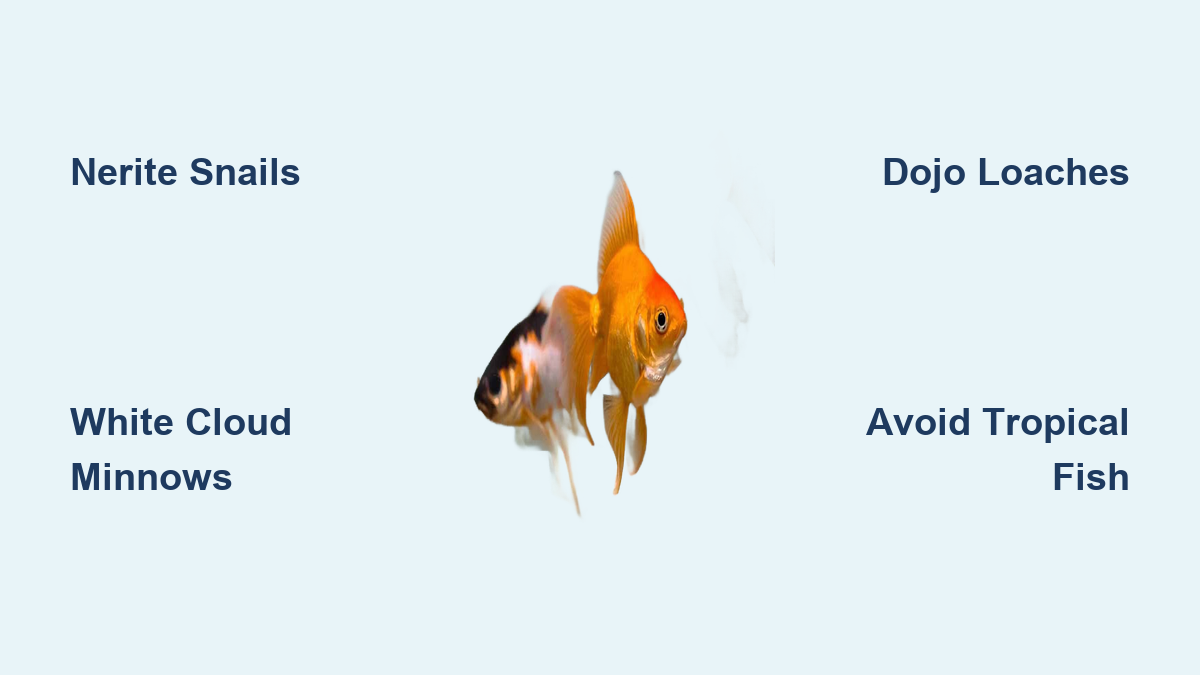
Nerite Snails: The Gold Standard Cleanup Crew
Nerite snails are the perfect goldfish tank companions for three critical reasons:
* They’re exceptional algae eaters that clean glass, decorations, and plant surfaces
* Their eggs won’t hatch in freshwater, preventing population explosions
* Their hard shells protect them from curious goldfish nibbles
What to look for: When introducing nerite snails, monitor that your goldfish isn’t harassing them excessively. Healthy snails will be active during the day, gliding smoothly across surfaces with their muscular foot extended.
Mystery Snails: Colorful and Effective
Mystery snails offer vibrant colors and excellent algae control while being large enough to avoid becoming goldfish snacks. They grow to 2-3 inches in diameter, making them too big for even large goldfish to swallow.
Key consideration: Mystery snails lay eggs above the water line, so you’ll need to manage their reproduction by removing egg clusters if you don’t want population growth. Keep one snail per 5 gallons of water to prevent overcrowding.
Compatible Fish Species for Goldfish Communities
While limited, several fish species can successfully coexist with goldfish when specific conditions are met. These compatible goldfish aquarium mates must tolerate cooler water and be fast enough to avoid goldfish during feeding times.
White Cloud Mountain Minnows: The Ideal Schooling Fish
White Clouds represent the safest fish option for goldfish tanks because they:
* Thrive in the same cool water temperatures (64-72°F/18-22°C)
* Swim in the upper water column, avoiding goldfish territory
* School in groups of 6+, creating visual interest without competing for space
Critical requirement: Only keep White Clouds with full-sized goldfish in tanks of 55+ gallons. The minnows must have plenty of open swimming space and dense plant cover to escape if needed. Never add them to tanks with fancy goldfish that have poor eyesight.
Dojo Loaches: The Bottom-Dwelling Solution
Dojo loaches (weather loaches) are exceptional goldfish tank mates that:
* Share identical temperature requirements (50-75°F/10-24°C)
* Occupy the bottom zone without competing with goldfish
* Help clean substrate while providing entertaining behavior
Setup necessity: Provide fine sand substrate for loaches to burrow and numerous hiding places. Keep them in groups of 3-4 for best results in 75+ gallon tanks.
Goldfish Tank Mates to Avoid at All Costs
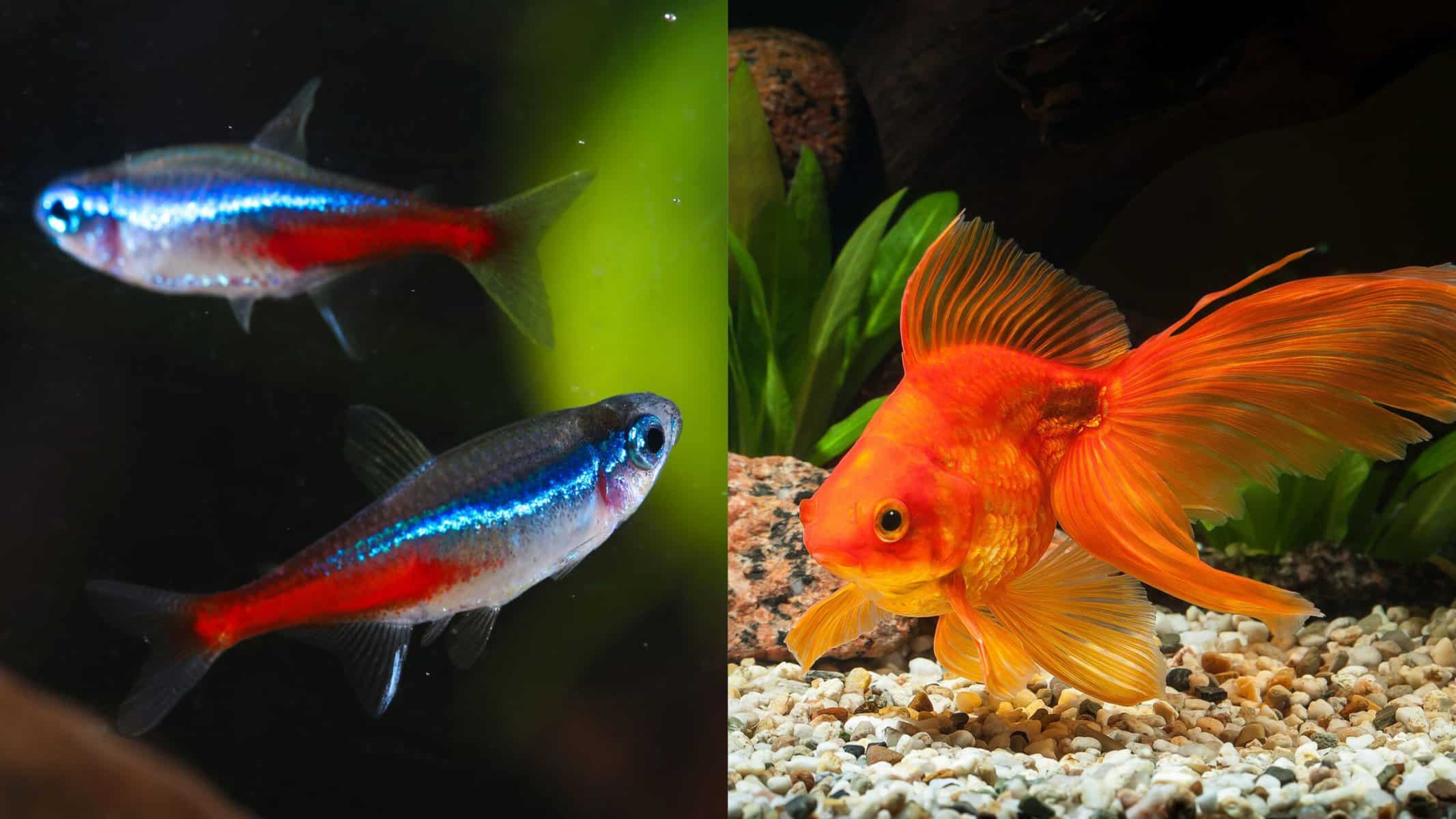
Adding incompatible species to your goldfish tank isn’t just risky—it often leads to dead fish, disease outbreaks, and frustrated owners. These common suggestions for goldfish aquarium mates will inevitably cause problems.
Tropical Fish: The Temperature Trap
Never keep these with goldfish:
* Neon tetras, guppies, mollies, or any tropical species requiring 75-80°F water
* Angelfish or other cichlids that become territorial
* Corydoras catfish that need warmer water and get outcompeted for food
Why it fails: Tropical fish kept in cool water become sluggish, lose immunity, and develop fatal fungal infections. Meanwhile, goldfish kept in warm water have accelerated metabolisms that shorten their lifespan.
Fin-Nipping Species: A Recipe for Disaster
Avoid these aggressive species completely:
* Tiger barbs (will shred fancy goldfish fins)
* Serpae tetras (nippy even in cool water)
* Most danio varieties except zebra danios in very large tanks
Warning: Even “peaceful” tropical fish like platies may nibble on goldfish fins when stressed by cooler temperatures, creating infection points.
How to Quarantine New Goldfish Tank Mates
Skipping quarantine is the #1 reason goldfish community tanks fail. A proper 2-4 week isolation period prevents introducing diseases that could wipe out your entire tank.
Step-by-Step Quarantine Protocol
- Set up a bare 10-20 gallon quarantine tank with filter, heater (if needed for the species), and no substrate
- Drip acclimate new arrivals over 60-90 minutes to prevent shock
- Observe daily for signs of illness including white spots, lethargy, or unusual behavior
- Treat any issues before introducing to your main tank
- Test water parameters daily to ensure stability
Pro Tip: Keep your quarantine tank permanently set up with basic equipment—you never know when you’ll need it for emergency isolation of sick fish.
Setting Up a Goldfish Community Tank for Success

Creating a successful community tank with goldfish requires specific setup considerations that go beyond standard aquarium practices. These adjustments address the unique challenges of keeping goldfish aquarium mates together.
Critical Tank Size and Filtration Requirements
Minimum tank sizes:
* 75+ gallons for single-tail goldfish with tank mates
* 55+ gallons for fancy goldfish with compatible species
* Add 10-15 gallons per additional community fish
Filtration must-haves:
* Canister filter rated for 2-3x your tank volume
* 8-10x hourly water turnover rate
* Pre-filter sponges to protect small tank mates
* Additional sponge filtration for biological support
Visual cue: Watch for excessive debris buildup—if you’re cleaning the tank more than once a week, your filtration is inadequate for the bio-load.
Feeding Strategies for Mixed Goldfish Tanks
Feeding multiple species in a goldfish community requires careful planning to ensure all tank mates get proper nutrition without competition stress.
Zone Feeding Technique
- Feed goldfish first on one side of the tank with sinking pellets
- Wait 2-3 minutes for goldfish to focus on their food
- Add floating food for top-dwellers on the opposite side
- Place sinking wafers near hiding spots for bottom dwellers
Pro Tip: Feed community fish before goldfish if they’re particularly slow eaters—this gives them time to consume their share before goldfish dominate the tank.
Monitoring and Maintaining Goldfish Community Health
Daily observation prevents small issues from becoming tank-wide disasters in goldfish communities. Specific monitoring practices help catch problems early.
Daily Checkpoints for Success
- Morning: Watch feeding behavior—do all species eat eagerly?
- Midday: Check for aggression signs like chasing or hiding
- Evening: Inspect water clarity and surface movement
- Weekly: Test all water parameters with liquid test kits
Warning sign: If any tank mate appears lethargic, loses color, or shows damaged fins, isolate immediately—delaying action risks spreading disease to your goldfish.
Final Note: The most successful goldfish aquarium mates are invertebrates like nerite snails that complement rather than compete with your goldfish. While limited fish options exist for large, well-maintained tanks, remember that goldfish often thrive best with their own kind. Always prioritize water quality over adding more tank mates—your goldfish will live longer, healthier lives in a stable environment, even if it means keeping fewer species. When in doubt, choose a goldfish-only tank rather than risking compatibility issues that could harm your pets.