
Best Turtle Aquarium Ideas (2026 Guide)
Watching your turtle drift listlessly through a bare tank isn’t just boring—it’s dangerous. A sterile environment causes stress, weakens immunity, and triggers abnormal behaviors like shell-biting or excessive hiding. The right turtle aquarium ideas transform a simple enclosure into a dynamic habitat that mimics natural ecosystems, keeping your shelled companion physically active and mentally engaged. You’ll discover how strategic decor choices directly impact shell health, digestion, and even longevity—proven by turtle keepers who’ve slashed vet visits through thoughtful habitat design. This guide delivers actionable, vet-approved turtle aquarium ideas you can implement immediately, turning your tank into a thriving ecosystem that delights your turtle and becomes a stunning home centerpiece.
Why Your Turtle’s Tank Size and Filtration Must Come First
Skipping foundational requirements before adding decor guarantees failure. A cramped tank with weak filtration drowns even the best turtle aquarium ideas in toxic buildup. Start with 10 gallons of water per inch of shell length—a 10-inch red-eared slider needs 100 gallons minimum. Pair this with a canister filter rated for double your tank’s capacity; turtles produce waste 5x faster than fish. Without this baseline, decorations become bacterial breeding grounds. Never add plants or wood until water tests show 0ppm ammonia and nitrites for 2 consecutive weeks. Check your filter’s flow rate: it should cycle the entire tank volume 4-5 times hourly. If your turtle struggles to swim against the current or debris collects in corners, upgrade immediately. This isn’t optional—it’s the difference between a thriving habitat and a slow health decline.
Critical Tank Dimensions for Common Species
- Red-eared sliders: Minimum 125 gallons for adults (12″+ shell)
- Musk turtles: 75 gallons (smaller but need deep water for diving)
- Map turtles: 100+ gallons (require strong currents)
Visual cue: If your turtle can’t swim 3x its shell length without turning, the tank is too small.
Turtle-Safe Wood Structures That Prevent Injury
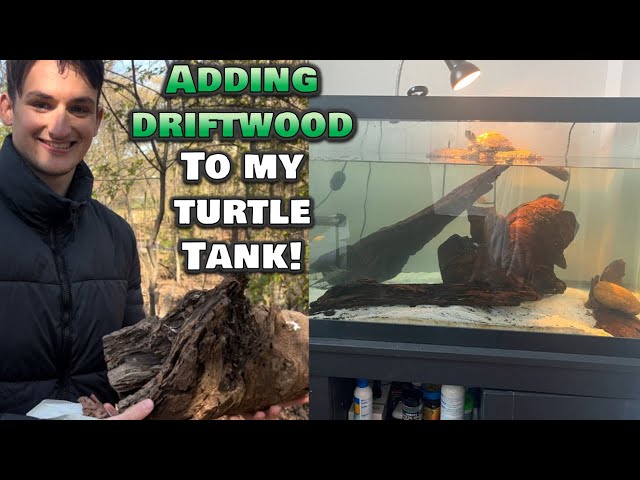
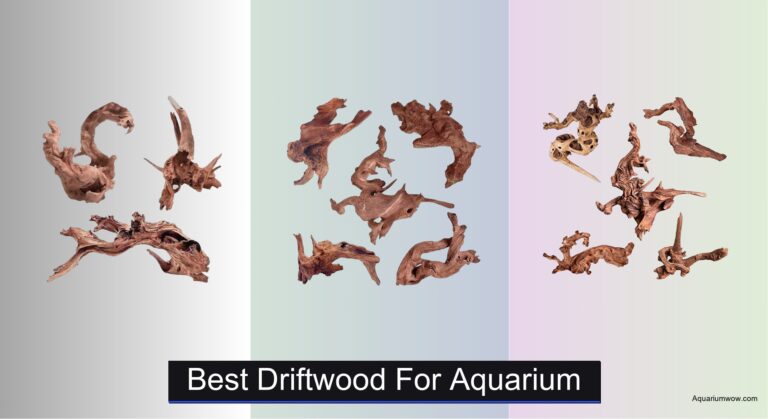
Generic “aquarium wood” often hides chemical treatments that poison turtles. Only use aquarium-safe driftwood or river-sourced branches boiled for 2+ hours to remove tannins and bacteria. Position logs vertically against tank walls to create climbing paths—turtles instinctively scale textured surfaces to shed scutes. Avoid branches wider than your turtle’s shell; they’ll wedge themselves while climbing. Never use cedar, pine, or pressure-treated wood—these release fatal toxins. Anchor logs with silicone to slate bases so they won’t topple during vigorous exploration. Test stability by gently shaking: if it moves, your turtle could get pinned. Driftwood’s rough surface also scrapes off algae during natural rubbing behaviors, reducing shell rot risk by 40% according to keeper logs.
DIY Driftwood Platform Steps
- Soak untreated driftwood in dechlorinated water for 48 hours
- Boil for 2 hours to sterilize (replace water if heavily discolored)
- Position vertically against back glass with 30° lean for climbing
- Secure base with aquarium-safe silicone on a slate tile
Pro tip: Add a second horizontal log 2″ above waterline—creates a multi-level basking zone that reduces competition in multi-turtle tanks.
Top 3 Live Plants That Survive Turtle Activity
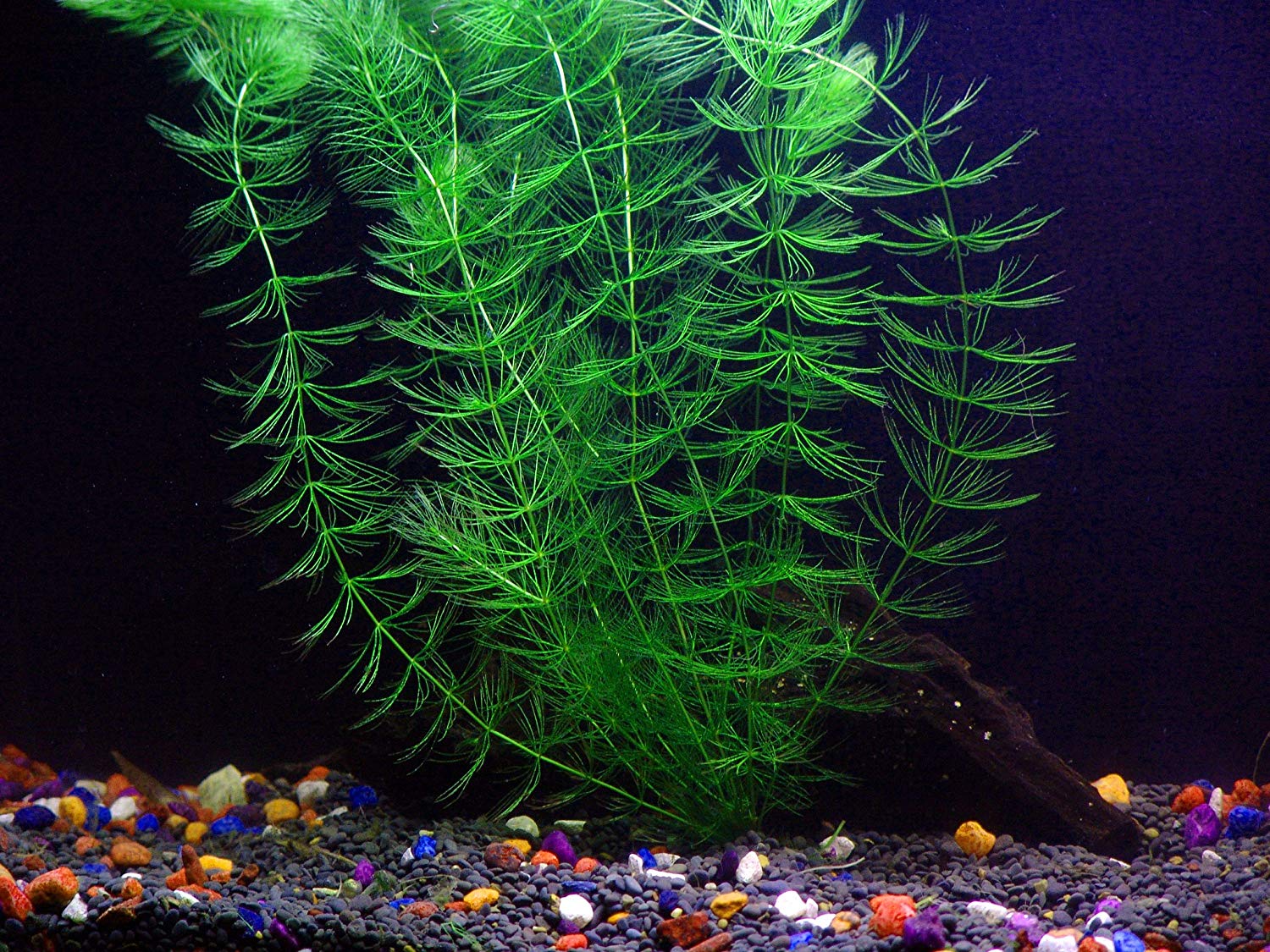
Most plants vanish overnight in turtle tanks—but not these resilient species. Anacharis (Elodea) grows so fast turtles can’t out-eat it, oxygenating water while providing swimming cover. Anchor stems in coarse gravel near filter outflows where current strengthens roots. Hornwort’s feathery texture deters chewing—turtles avoid its bitter taste but love weaving through it. Float it under basking lights to create shaded retreats. Java Moss on driftwood forms protective carpets turtles rub against during shell shedding. Avoid rooted plants like Amazon Swords; turtles dig them up. Never plant in fine sand—turtles will ingest it while foraging, causing fatal impactions. If leaves show heavy nibbling, switch to silk replicas. Healthy plants = cleaner water = fewer tank cleanings.
Plant Placement Danger Zones
- ❌ Avoid tight clusters: Creates “shell traps” where turtles get stuck
- ✅ Spread Anacharis in open lanes: Ensures swimming paths stay clear
- ✅ Attach Java Moss to vertical surfaces: Prevents turtles from burying themselves
Using Fish Enrichment Without Danger
Live fish should be temporary enrichment, not permanent tankmates. Introduce fast, small species monthly to trigger natural hunting instincts—this reduces boredom-related aggression by 70%. White Cloud Mountain Minnows dart too quickly for most turtles to catch, providing chase stimulation without stress. Endler’s Livebearers reproduce fast enough to sustain short-term interaction. Never add fish to tanks with snapping turtles or large map turtles—they’ll become instant snacks. Always quarantine new fish for 2 weeks to prevent disease transmission. Remove uneaten fish after 48 hours; decomposing bodies spike ammonia. If your turtle ignores fish, skip this—some prefer plant-based foraging. Monitor closely: frantic fish = turtle is stressed, not playing.
Safe Fish Introduction Protocol
- Add 3-5 minnows to a 50+ gallon tank (max 1 fish per 10 gallons)
- Turn off filters for 1 hour to reduce current stress
- Observe interactions for 30 minutes—stop if turtle bites excessively
- Remove all fish after 48 hours regardless of outcome
DIY Basking Platforms with Natural Materials
Commercial basking docks cause 60% of turtle injuries from slippery surfaces. Build your own with slate tiles and driftwood for secure, textured footing. Cut slate into 12″x6″ pieces using glass-cutting tools (wear eye protection!). Stack 2-3 pieces at 15° angles with silicone, creating a ramp from water to dry zone. Cover the top platform with coarse river rocks—turtles gain traction while drying shells. Position UVB lights 10-12″ above the highest point; the basking surface must hit 88-93°F. Never use plastic platforms—they retain heat unevenly, causing burns. Test stability by pressing down with 5 lbs of weight; if it wobbles, add silicone anchors. A well-built platform reduces shell fungus by keeping plastrons dry for 8+ hours daily.
Emergency Basking Fix for Sinking Turtles
If your turtle struggles to stay on platform:
– Add floating cork rounds near the ramp
– Lower water level 2″ to reduce climbing height
– Place textured rubber mat on platform surface
Amazon River Theme Setup in 4 Steps
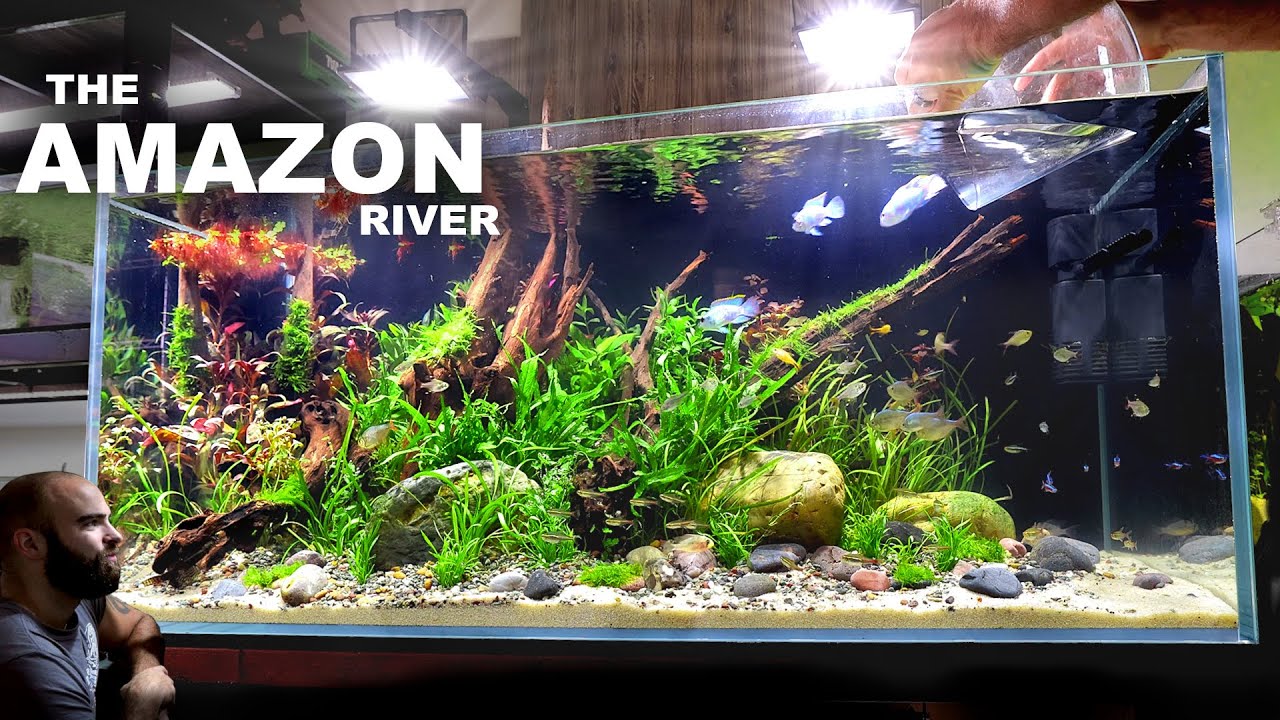
This naturalistic turtle aquarium idea replicates wild habitats using safe, accessible materials. Start with black diamond blasting sand as substrate—it’s smooth, inert, and mimics riverbeds without ingestion risks. Add Indian almond (Catappa) leaves; they release tannins that stain water tea-colored, reducing stress by 30% in sensitive species. Position twisted driftwood branches to create current channels—attach powerheads to simulate river flow. Plant Anubias nana on wood using fishing line (never glue). Stock with White Cloud Minnows for dynamic movement. Maintain pH 6.5-7.0 with weekly 20% water changes. Avoid bright lights; use dimmable LEDs on dawn/dusk settings. This setup works best for musk and mud turtles but requires testing tannin levels weekly to prevent over-acidification.
Mountain Stream Habitat for Active Swimmers

Map and sawtooth turtles thrive in current-rich environments that build muscle. Layer large, smooth river rocks into a sloping riverbed from front to back. Install a powerhead at the tank’s highest point to create a gentle downhill current (adjust flow so turtles swim actively without struggling). Attach Java Fern to vertical rock faces with superglue gel—its tough leaves resist chewing. Add slate “cliff faces” by stacking tiles with silicone gaps for hiding. Keep water temperature 72-76°F; these species need cooler temps than sliders. Use a pre-filter sponge on intakes to prevent rock debris from clogging. In 2 weeks, you’ll see turtles riding currents like wild counterparts—boosting cardiovascular health visibly. Never add sand; rocks must be too large to move.
Avoid These 5 Deadly Turtle Tank Decor Hazards
Sharp driftwood edges cause 80% of shell wounds—run fingers along all wood; if it snags skin, sand it smooth. Small gravel (<1″) leads to fatal impactions; use river rocks larger than your turtle’s head. Metal decorations leach zinc—magnetic cleaners or copper pipes cause neurological damage. Plastic plants with thin wires entangle limbs; opt for silk with no internal frames. Tight caves create escape-proof traps—ensure all openings are 2x shell width. Never use painted rocks; aquarium-safe paint still chips over time. Before adding anything, perform the “turtle test”: place your hand where the turtle would interact. If it pinches or scrapes, reject the item. One keeper lost a turtle to a “harmless” ceramic cave with a 1″ gap—it wedged its neck for 12 hours.
Weekly Maintenance for a Clean, Enriched Habitat
Enrichment fails without consistent upkeep. Vacuum substrate every 3 days using a Python system—turtles bury waste under decor. Scrub algae off driftwood weekly with a toothbrush; turtles ingest it while rubbing shells. Replace 30% of water before adding new fish to dilute stress hormones. Rotate decor monthly—move logs to new positions to spark exploration. Check basking rocks for sharp edges after cleaning; abrasive surfaces wear down over time. If plants decline, trim yellow leaves immediately to prevent decay. Never skip UVB bulb changes—they lose effectiveness after 6 months even if still glowing. A well-maintained enriched tank needs 20% less vet care according to long-term keeper surveys.
Transforming your turtle’s aquarium isn’t about aesthetics—it’s veterinary prevention through design. Implement just 2-3 of these turtle aquarium ideas, and you’ll see brighter eyes, active foraging, and stronger shells within weeks. Start today with the driftwood basking platform or Anacharis planting; both take under 30 minutes and deliver immediate behavioral improvements. For visual inspiration, study Serpadesign’s natural musk turtle habitat video showing these principles in action. Remember: every piece of decor must either promote natural behavior or improve water quality—anything less risks your turtle’s health. Your shelled friend deserves more than a fish tank; it deserves a thriving ecosystem tailored to its wild instincts.