Betta Aquarium Decoration Ideas 2026
Your betta fish stares listlessly at the bare tank walls, its vibrant fins tucked close to its body. This common sight reveals a critical truth: a poorly decorated aquarium stresses bettas more than you realize. Without proper hiding spots and resting areas, your fish remains constantly alert, weakening its immune system and dulling its brilliant colors. The right betta aquarium decoration ideas transform sterile tanks into thriving ecosystems where your fish displays natural behaviors and flourishes. By the end of this guide, you’ll know exactly which decorations prevent fin tears, create functional zones, and turn your betta’s home into a stunning underwater paradise—all while keeping maintenance simple.
Stop These Dangerous Betta Decor Mistakes Immediately
Why Sharp Edges Cause Irreversible Fin Damage
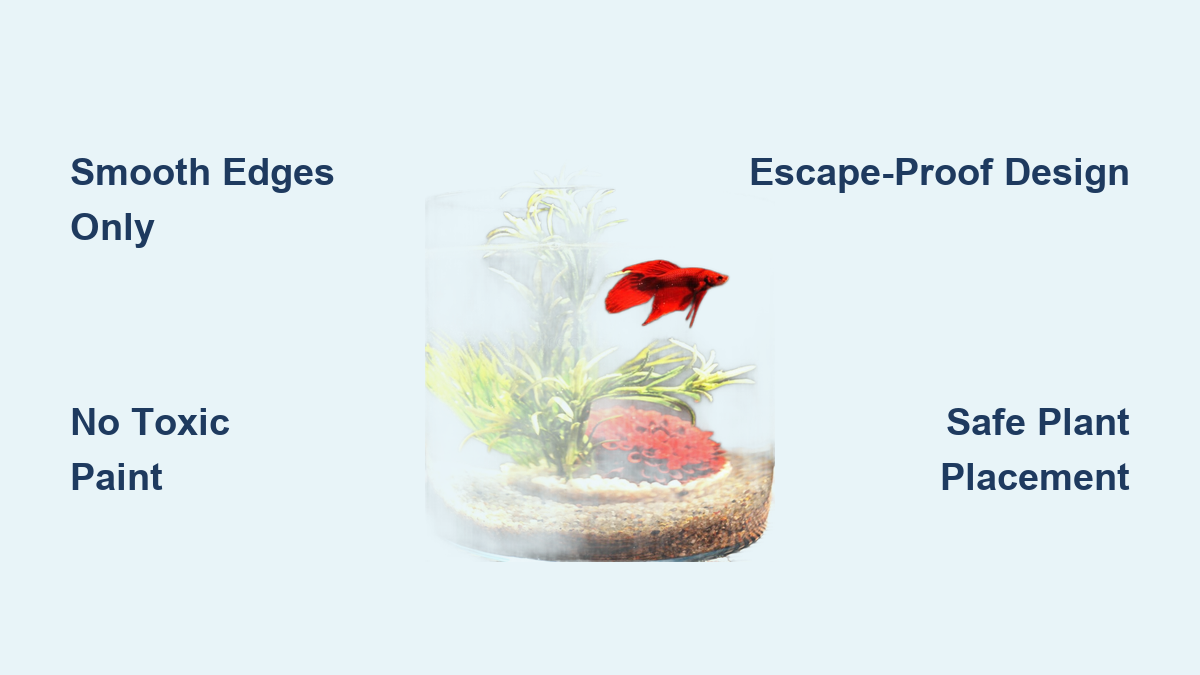
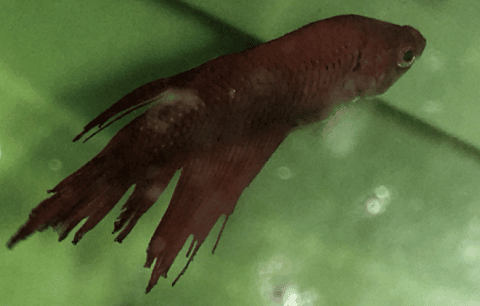
Your betta’s flowing fins snag on rough surfaces during normal swimming, causing painful tears that invite deadly infections. Test every decoration by dragging old nylon stockings across its surface—any snag means immediate danger. Pay special attention to plastic plants with rigid stems and ceramic ornaments with mold lines. File down sharp points on Zoo Med Betta Logs using aquarium-safe sandpaper until the nylon test passes. Remember: if you wouldn’t rub it against your eyelid, it’s unsafe for delicate betta fins.
How Toxic Coatings Poison Your Betta Slowly
Painted decorations leach chemicals even after weeks of soaking, causing mysterious health declines. That bargain-bin castle might look appealing, but its metallic paint releases copper ions that destroy gill tissue. Always choose decorations labeled “aquarium-safe” with matte, non-reflective finishes. For DIY projects, use only aquarium-safe epoxy like Loctite Clear Epoxy on ceramic bases. Never risk craft store items unless they’re explicitly food-safe and uncoated.
Escape-Proofing Your Betta’s Home
Bettas routinely get trapped in decorations with openings smaller than their girth, leading to exhaustion and death. Apply the “head test”: if your betta’s head fits through an opening, its body will follow. Remove any ornament with narrow tunnels or complex internal chambers. Position floating logs away from tank walls to prevent escape attempts—betta fish can jump up to 3 inches when stressed. During water changes, gently shake caves to ensure no fish is stuck inside.
Transform Your Tank With These 10 Vet-Approved Betta Aquarium Decoration Ideas
Create Instant Jungle With Silk Plant Forests
Arrange Imagitarium Bright Green Silk Plants in graduated heights—tallest in back, medium in center, short near front—to mimic natural habitat. Anchor stems in smooth river stones rather than gravel to prevent fin snags during planting. Place broad-leaf varieties like artificial Amazon Swords horizontally near the surface for resting spots. This setup requires zero maintenance while providing essential security; bettas immediately explore between the soft leaves, reducing stress behaviors like glass surfing.
Build a Natural Driftwood Ecosystem

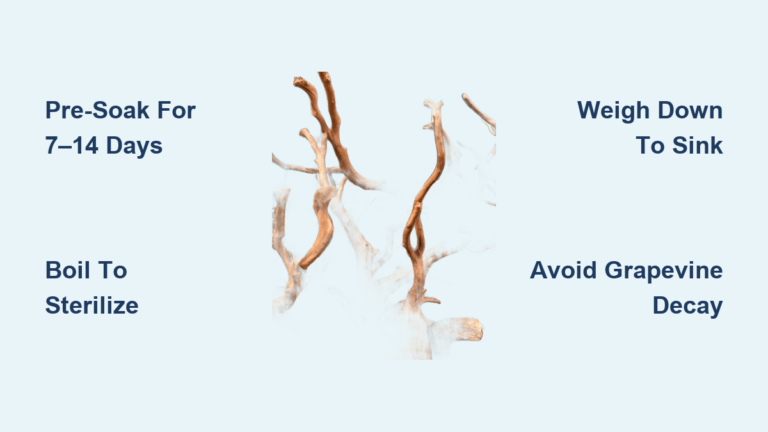
Soak mopani wood for 72 hours in dechlorinated water until tannin release slows (water turns light tea color). Position the largest piece vertically against the back glass, creating shaded retreats behind it. Tuck Anubias plants into crevices using aquarium-safe thread—their slow growth won’t overwhelm your betta. The wood’s natural texture encourages beneficial bacteria growth while its tannins mimic betta’s native blackwater environments, boosting immunity. Watch for white spots indicating improper curing; scrub with tank water if they appear.
Install Surface Resting Stations
Mount a Zoo Med Betta Bed Leaf Hammock 1.5 inches below the surface in calm water areas away from filter outflow. Pair it with a Floating Betta Log positioned diagonally to create a sheltered “porch” for surface exploration. These decorations address bettas’ labyrinth organ need for atmospheric air while preventing exhaustion from constant swimming. Within 48 hours, you’ll see your fish napping on the leaf hammock—a clear sign of comfort. Replace silk hammocks every 6 months as fibers stiffen with age.
Design a Live Plant Oasis for Health Benefits
Plant Hornwort stems in the substrate near the filter outflow to maximize nitrate absorption. Position Java Fern rhizomes on driftwood using fishing line—they attach naturally within weeks. Floating Water Lettuce provides dappled shade that reduces stress while their root mats offer exploration zones. This living decor lowers ammonia spikes by 30% compared to bare tanks. For beginners, start with just two live plants to avoid maintenance overwhelm.
Craft a Smooth Stone Grotto in 3 Steps
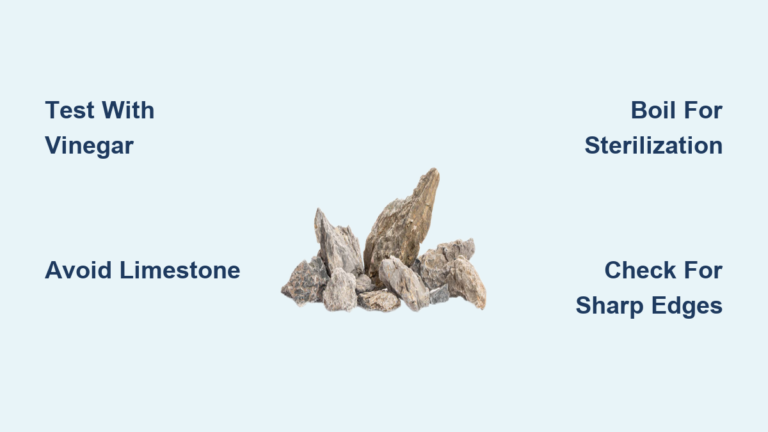
- Select 3-5 river stones with rounded edges (test with nylon stockings)
- Stack them pyramid-style against the back wall, leaving a 2-inch cave opening
- Place a single silk plant at the entrance to soften the look
The cool stone surfaces soothe bettas during warm weather while the cave structure creates essential security zones. Darker stones like slate enhance your fish’s coloration through contrast—your betta will display brighter blues and reds against these backgrounds.
Avoid These 4 Deadly Betta Decorations

Sharp plastic plants: Their rigid edges cause 70% of preventable fin tears—replace immediately with silk alternatives.
Resin castles with narrow turrets: Those tiny openings trap bettas within minutes.
Wire-reinforced silk plants: Exposed wire shreds fins even through fabric covers.
Glow-in-the-dark gravel: Most contain toxic phosphors; use sparingly as accent only in tanks 5+ gallons.
Perfect Your 10-Gallon Layout With Zone Planning

Surface Zone: Breathing & Resting Essentials
Position your Betta Log and leaf hammock in the tank’s calmest area—typically opposite the filter outflow. Maintain at least 2 inches of open surface space between decorations so your fish can access air freely. Floating Frogbit plants should cover no more than 30% of the surface to ensure proper gas exchange. Check daily that nothing blocks your betta’s path to the surface.
Mid-Water Zone: Exploration Pathways
Create swimming lanes between driftwood pieces and stone clusters using the “rule of thirds”: leave open space in one-third of the tank’s width. Angle decorations to form natural corridors rather than dead-end tunnels. Place medium-height silk plants along these pathways to provide visual cover without obstruction. Your betta should be able to swim full circles without navigating tight spaces.
Bottom Zone: Safe Substrate Strategies
Use 1.5 inches of smooth, dark gravel like black diamond to reduce stress. Avoid colored gravel with metallic finishes that may leach toxins. Leave the front third of the tank bare for easy viewing and feeding—bettas naturally explore the bottom during mealtimes. Vacuum only the surface of the substrate during water changes to preserve beneficial bacteria colonies.
Pro Maintenance Secrets for Long-Lasting Decor
Weekly Safety Inspection Routine
During water changes, perform this 3-step check:
1. Run fingers over all decorations (wet hands prevent micro-cuts)
2. Shake caves gently to dislodge trapped fish
3. Scrub algae with old toothbrush using tank water only
Replace any decoration showing paint chipping or new sharp edges immediately. Keep spare silk plants on hand for quick swaps—your betta will adjust within hours to minor changes.
Algae Control Without Chemicals
Brown diatom algae on driftwood indicates new tank syndrome; add Amano shrimp instead of scrubbing. Green spot algae on stones means excess light—reduce photoperiod to 8 hours. Never use bleach or soap; instead, soak affected decor in 3 parts tank water to 1 part white vinegar for 15 minutes, then rinse thoroughly. Watch for white stringy algae—a sign of poor water quality requiring immediate testing.
Final Note: Your betta’s behavior is the ultimate decoration success metric. When you see vibrant color displays, regular resting on leaf hammocks, and confident exploration of all tank zones, you’ve created the perfect habitat. Start with just three safe decorations—driftwood, silk plants, and a surface log—then expand as you observe your fish’s preferences. Remember that a well-decorated tank prevents 80% of common betta health issues before they start. Share your transformation using #SafeBettaDecor to help other owners avoid dangerous mistakes.