Nano Reef Aquarium Setup Guide 2026
Your dream of a miniature ocean ecosystem shimmers just out of reach—until it doesn’t. When your first mushroom coral shrivels after adding it too soon, or salinity spikes wipe out your cleanup crew, you realize nano reef aquarium setup demands precision. Unlike larger tanks, these under-30-gallon systems amplify every error within hours. This guide cuts through the confusion with battle-tested steps to build a stable nano reef that thrives, not just survives. You’ll learn why skipping the Fish-Only-With-Live-Rock phase kills 80% of starter corals and how to avoid the #1 mistake that triggers algae tsunamis.
Why Your Nano Reef Tank Size Determines Success or Failure
Choosing between a 10-gallon cube and a 40-gallon breeder isn’t about aesthetics—it’s a stability gamble. Smaller volumes (under 20 gallons) experience dangerous parameter swings: a single hot day can spike temperatures 5°F, while evaporation concentrates salt 3x faster than in larger tanks. For true beginners, start with a minimum 29-40 gallon tank. The extra water volume buffers against crashes, giving you breathing room to learn. If committed to nano, never skip these non-negotiables: a refractometer for salinity checks (hydrometers fail in small volumes) and an auto top-off system—your tank’s lifeline against deadly salt creep.
Where Placing Your Nano Reef Tank Guarantees Disaster
Direct sunlight creates algae explosions within days. Drafty hallways cause temperature rollercoasters. And wobbly furniture? A filled 20-gallon nano weighs 220+ pounds—enough to crack floors. Place your tank on a level, reinforced stand away from windows and HVAC vents. Test surface stability by pressing down firmly; if it shifts, find a new spot. Always leave 18 inches of clearance behind for plumbing access.
Critical Nano Reef Equipment That Prevents Catastrophe

Your tank’s survival hinges on four components working in concert. Skip any, and crashes become inevitable.
Why Your Heater Placement Causes Silent Killers
A 75W heater jammed in a dead zone creates lethal temperature gradients. Mount heaters horizontally near return pumps where flow distributes heat evenly. Pair it with a digital controller (not just a thermostat) that shuts off power if water exceeds 84°F. For a 20-gallon nano, dual 50W heaters outperform single units—when one fails, the other prevents a cold crash.
Lighting That Won’t Fry Your Corals in Shallow Tanks
Nano depths intensify light exposure, bleaching corals within hours. Choose programmable LEDs with moonlight modes (like AI Prime or Kessil A360X) to simulate natural transitions. Start at 50% intensity for soft corals, ramping up 10% weekly. Never place tanks under room lights—corals need 0-lux darkness periods.
Flow Patterns That Stop Detritus From Choking Your Tank
Stagnant zones collect waste that spikes nitrates overnight. Position powerheads at opposing 45-degree angles to create chaotic, wave-like motion. Target 30-40x turnover hourly (e.g., 600 GPH for 20 gallons). Test flow by watching sand movement: it should gently ripple without blowing corals sideways.
The Nitrogen Cycle: Why Ghost Feeding Fails Nano Reefs
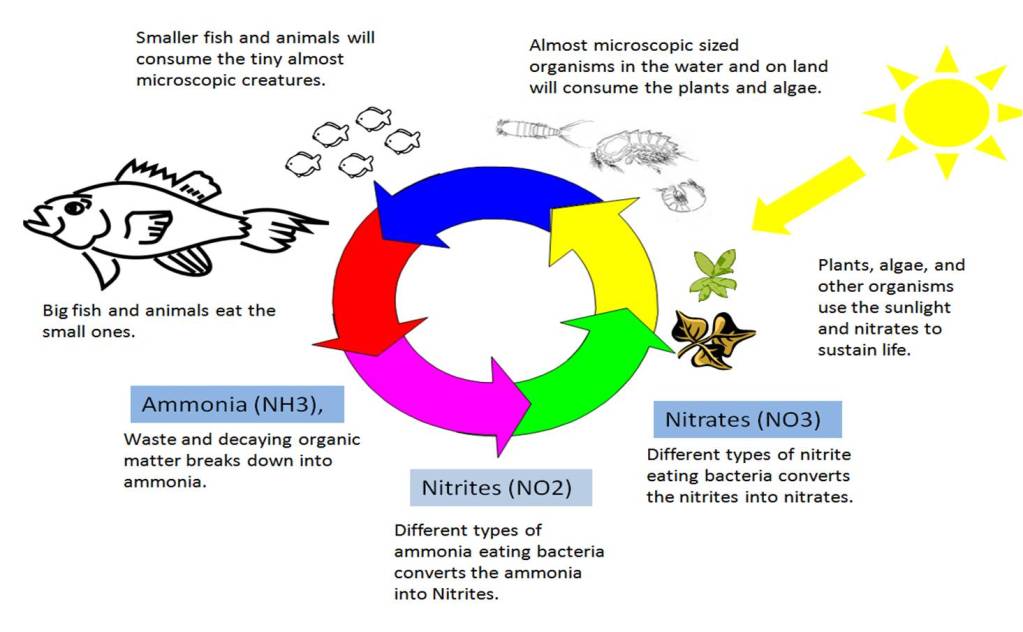
Adding fish food (“ghost feeding”) during cycling seems clever—but in nano tanks, uneaten particles poison water before bacteria develop. Use pure ammonia dosing (2ppm daily) with Seachem Stability instead. Test twice daily: when ammonia and nitrite hit 0ppm for 72 hours straight, you’re cycled. This takes 5-6 weeks minimum. Critical mistake: Adding cleanup crew too soon. Wait 3 full weeks post-cycle for nitrates to stabilize below 10ppm.
How to Spot a False Cycle (And Save Your Livestock)
Many beginners mistake “0 ammonia” for a complete cycle when nitrites are still spiking. Test for nitrites every 12 hours during weeks 3-4. If levels jump to 2ppm+, stop dosing ammonia and add 1 cup of live sand to boost bacteria. False cycles cause 90% of early fish deaths.
Rock, Sand, and Water: The Foundation That Prevents Algae Tsunamis
Live rock isn’t optional—it’s your biological engine. Use 1.5 lbs per gallon of cured rock (uncured releases toxic ammonia). Stack rocks in “mountain” formations with 2-inch gaps for flow, never touching glass. For sand, 1.5 inches of aragonite buffers pH but avoid deep sand beds—they trap waste in nano tanks.
Mixing Saltwater Without Killing Your Corals
Tap water contains phosphates that trigger algae. Always mix with RO/DI water at 78°F. Add salt slowly while stirring with a powerhead for 8 hours minimum. Check salinity with a digital refractometer (calibrated to 1.000 with RO water). Target 1.025 SG—nano tanks crash if salinity drops below 1.023.
Adding Life: The Exact Order That Avoids Crash Dominoes

Introducing inhabitants out of sequence is the #1 reason nano reefs fail. Follow this timeline religiously:
- Week 1 post-cycle: Add 1 cleanup crew member per 5 gallons (e.g., 4 snails for 20g)
- Week 4: Introduce 1 hardy fish (clownfish or neon goby)
- Week 8: First soft corals (mushrooms or leathers)
- Week 12: LPS corals like Duncanopsammia
Coral Dipping Protocol That Stops Pest Invasions
Skip this, and Aiptasia or flatworms will overrun your tank. Soak new corals in Phyto Feast or Boyd’s Chem-Marin for 10 minutes. Watch for white strings (pests detaching). Never add coral water to your tank—rinse fragments in tank water first.
Deadly Beginner Mistakes That Wipe Out Nano Reefs
Overstocking: The Silent Killer in Small Volumes
One extra fish in a 20g nano raises ammonia 300% faster than in a 55g tank. Follow the 1-inch-per-gallon rule max (e.g., 2 small fish total). Remove aggressive cleaners like scarlet hermits immediately—they attack corals.
Why Weekly 10% Water Changes Are Non-Negotiable
Nano tanks accumulate toxins 4x faster. Change 10% weekly with pre-mixed saltwater (never top off with saltwater—that concentrates waste). Siphon detritus from rock crevices during changes. Skip one change, and nitrates can spike from 5ppm to 40ppm overnight.
The Palytoxin Trap: Handling Zoas Safely
Zoanthid polyps contain palytoxin—one drop in your eye causes permanent blindness. Always wear nitrile gloves and safety goggles when fragging. Rinse tools in vinegar after use. If polyps tear, discard them—never touch bare skin.
Stabilizing Your Nano Reef Long-Term
Your tank isn’t “done” at week 12—it’s just beginning. Test alkalinity twice weekly (nano tanks crash below 7 dKH). Dose calcium only if levels dip under 380 ppm. When adding new corals, place them on the sand bed first, then slowly raise over 5 days to prevent light shock.
The Maintenance Ritual That Prevents 95% of Crashes
Every Sunday:
– Clean glass with magnetic scraper (no chemicals)
– Check ATO reservoir levels
– Replace filter socks in sump
– Wipe protein skimmer cup
– Test pH, nitrate, and salinity
Never skip a water change—set phone reminders. In nano reefs, consistency beats heroics.
Final Note: Your Nano Reef’s Lifespan Starts With Patience
Rushing the setup process guarantees a dead tank within 90 days. But by respecting nano reef aquarium setup fundamentals—starting larger than you think, cycling properly, and adding life in strict sequence—you’ll create a self-sustaining ecosystem that rewards you daily. The most stunning nano reefs weren’t built in weeks but through meticulous care over months. Now run your fingers through that cool tank water and watch your first mushroom coral pulse with life. This is just the beginning.