How to Fix Ammonia Spike in Aquarium | Quick Guide
Your fish are gasping at the surface. Their gills flare red with each labored breath. Amano shrimp dart erratically against the glass. This isn’t just stress—it’s ammonia poisoning, and it demands immediate action. When ammonia spikes in your aquarium, toxic levels build within hours from fish waste, decaying food, or disrupted biological filters. Left untreated, even 0.5 ppm can suffocate fish by damaging gill tissues and blocking oxygen uptake. This guide delivers the exact emergency steps to neutralize ammonia fast while protecting your aquatic life—no fluff, just proven crisis management.
Diagnose Your Ammonia Emergency Within Minutes
Don’t guess—test. Ammonia poisoning mimics other diseases, but only water testing confirms the threat. Grab your liquid test kit now and follow these critical checks.
Why Your Fish Are Gasping at the Surface
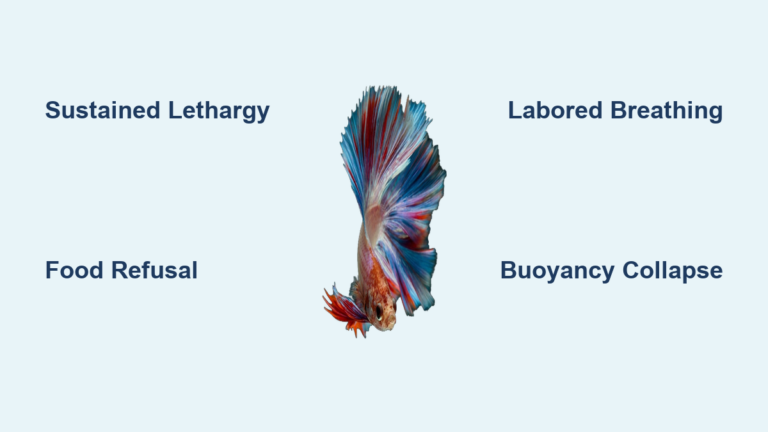
Ammonia destroys gill membranes, forcing fish to seek oxygen-rich surface water. Watch for these urgent signs:
– Rapid gill movement exceeding 120 flaps per minute
– Red streaks on fins or body (hemorrhaging from tissue damage)
– Lethargic fish lying motionless on substrate
– Shrimp flashing against decorations (itching from chemical burns)
If you spot three or more symptoms, ammonia exceeds 0.5 ppm—act immediately.
Test Kit Protocol: Avoid False Readings
Most test kits measure total ammonia nitrogen (TAN), combining toxic NH3 and less harmful NH4+. For accurate crisis assessment:
1. Shake reagents vigorously for 30 seconds
2. Test both ammonia and pH simultaneously (toxicity doubles at pH 8 vs pH 7)
3. Discard kits older than 6 months—expired reagents underreport levels
4. Compare results to this emergency scale:
• 0.25-0.5 ppm: High alert (water change needed within 12 hours)
• 0.5-1.0 ppm: Critical emergency (act within 2 hours)
• >1.0 ppm: Acute crisis (immediate intervention required)
Execute Immediate Life-Saving Actions (First 2 Hours)
Your window to prevent fatalities closes fast. Prioritize these steps in sequence—no exceptions.
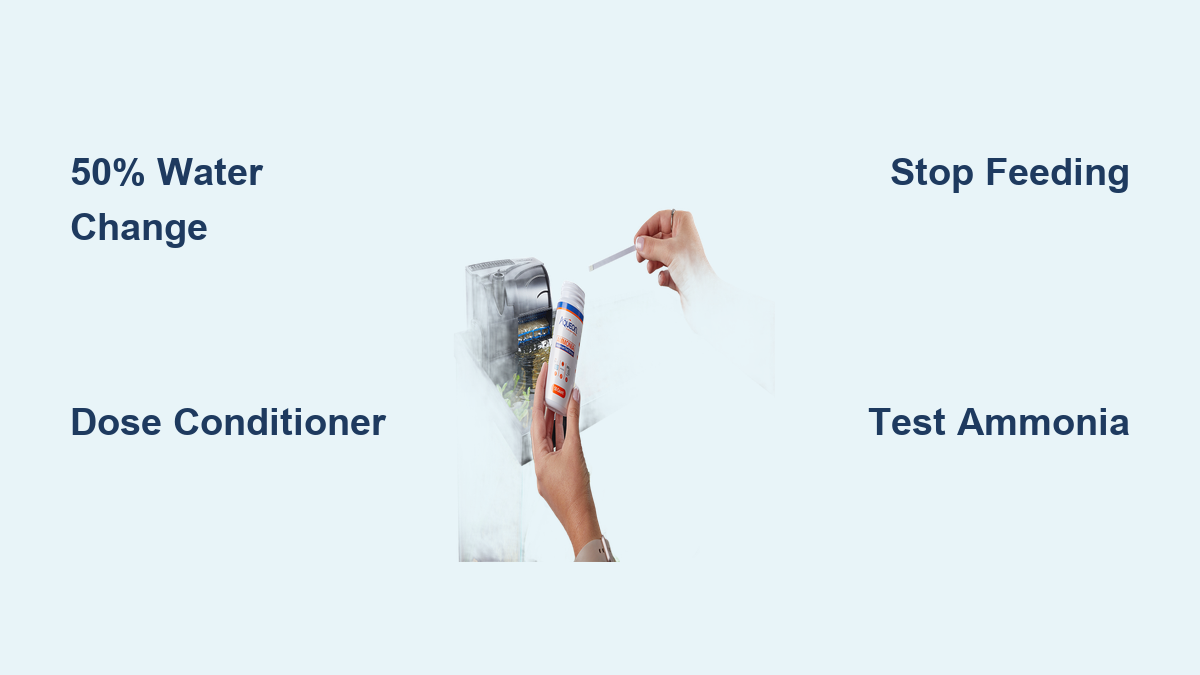
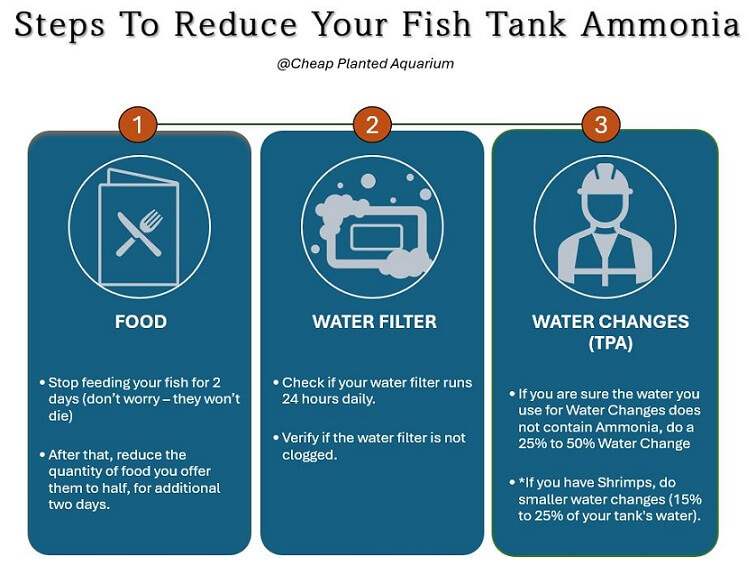
Perform 50% Water Change: Ammonia Dilution Protocol
This is non-negotiable. Never change 100% of water—it shocks fish and nukes beneficial bacteria. Instead:
– Siphon 50% volume from substrate using a gravel vacuum (waste accumulates here)
– Match new water temperature within 1°F using a digital thermometer
– Pre-treat tap water with dechlorinator before adding to tank (chlorine kills bacteria)
– Add water slowly over a bowl to avoid disturbing substrate
Pro Tip: Soak new aquasoil in a bucket for 24 hours first—this leaches initial ammonia spikes before tank introduction, per experienced aquarists.
Dose Ammonia-Neutralizing Conditioner Correctly
Not all dechlorinators detoxify ammonia. Use only products containing sodium hydroxymethanesulfonate (Seachem Prime, Fritz Complete). Here’s the exact dosing:
– For 0.5-1.0 ppm ammonia: Dose full label amount during water change
– For >1.0 ppm: Double dose (safe for 48 hours per manufacturer data)
– Re-dose every 24 hours until ammonia drops below 0.25 ppm
Warning: Conditioners bind ammonia for 24-48 hours only—they buy time but don’t fix the root cause. Never skip re-dosing.
Stop Feeding Immediately: Halt Ammonia Production at Source
Fish produce ammonia through waste digestion. Starvation is safer than poisoning:
– Withhold all food for 48 hours (healthy fish survive weeks without eating)
– Remove uneaten food with a net before it decays
– For fry requiring feeding: Use microscopic foods like vinegar eels (digests in 20 mins vs hours for brine shrimp)
Fix the Root Cause: Stop Ammonia at Its Source
After stabilizing the emergency, eliminate what caused the spike. Rushing this step guarantees recurrence.
Filter Media: Clean Without Killing Bacteria
A clogged filter starves nitrifying bacteria. But improper cleaning crashes your cycle:
– Rinse biological media (sponges, ceramic rings) in removed tank water only—never tap water
– Replace mechanical filter pads if clogged, but keep biological media intact
– Check flow rate: <50% of normal indicates blockage needing cleaning
Critical Insight: If restarting after disease (like nematodes), discard all media—bacteria can’t be saved without risking pathogen survival.
Tap Water Testing: The Hidden Ammonia Source
Municipal water often contains chloramines (chlorine + ammonia). Test your tap:
1. Fill clean bucket with tap water
2. Add standard dechlorinator dose
3. Test for ammonia after 5 minutes
– If ammonia reads >0.25 ppm: Switch to dechlorinators specifically for chloramines (e.g., Seachem Prime)
Bio-Load Assessment: Overcrowding Emergency Fix
Too many fish overwhelm filtration. Calculate your true capacity:
– Small fish (neon tetras): 1 inch per 2 gallons
– Large/waste-heavy fish (goldfish): 1 inch per 10 gallons
– Temporary solution: Move 30% of fish to quarantine tank (use cycled filter media from friend’s tank)
Execute the 72-Hour Ammonia Emergency Plan
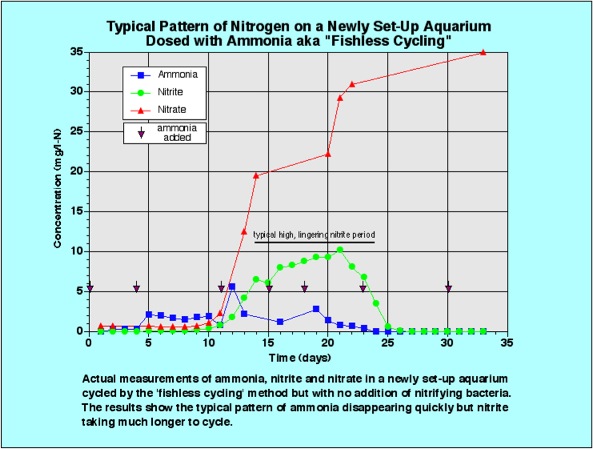
Follow this hour-by-hour protocol for complete recovery. Missing any step risks resurgence.
Day 1: Toxicity Containment Phase
- Hour 0: Perform 50% water change + dose conditioner
- Hour 4: Add air stone (ammonia-stressed fish need 8+ ppm dissolved oxygen)
- Hour 12: Test ammonia—repeat 30% water change if >0.5 ppm
- Hour 24: Add bacterial supplement (FritzZyme, Seachem Stability)
Day 2: Bacterial Recovery Phase
- Morning: Test ammonia/pH—perform 20% water change if >0.25 ppm
- Noon: Re-dose conditioner (protection wears off after 24 hrs)
- Evening: Add bacterial supplement—do not feed
Day 3: Stabilization Phase
- Morning: Test ammonia—only feed if <0.2 ppm (tiny pinch, remove leftovers in 2 mins)
- If ammonia >0.25 ppm: 20% water change + conditioner re-dose
- Critical check: Ensure pH stays above 7.0 (below 6.8 stalls nitrifying bacteria)
Prevent Future Ammonia Spikes With Proactive Habits
Emergency treatment is exhausting. These habits prevent 95% of spikes:
Feeding Protocol: The 90-Second Rule
- Feed only what fish consume in 90 seconds
- Use sinking pellets for bottom feeders (reduces surface decay)
- Fast fish every Monday—starvation days prevent waste buildup
Water Change Schedule: The 15% Weekly Formula
- Small tanks (<20 gal): 15% weekly
- Large tanks (>50 gal): 10% weekly
- Always vacuum substrate during changes—70% of waste hides there
Filter Maintenance Calendar
- Mechanical media: Rinse every 2 weeks in tank water
- Biological media: Replace 25% every 6 months (never all at once)
- Monthly check: Verify flow rate matches filter specifications
When to Call for Backup: Escalating Emergency Signals
Most spikes resolve in 72 hours. Seek help if:
– Ammonia remains >0.5 ppm after three 50% water changes
– Fish show brown gills (severe tissue necrosis)
– Shrimp cease movement entirely (ammonia sensitivity is extreme)
Emergency backup options:
– Ammonia-removing resins (Ammo-Chips) in filter compartment
– Temporary hospital tank with 100% cycled media from friend’s tank
– Calcium boost (180 ppm GH increase) to reduce toxicity by 20%—only for hard-water species
Final Note: Ammonia spikes strike fast but yield to decisive action. By performing that critical 50% water change within the first hour, dosing the right conditioner, and stopping feeding immediately, you’ve already neutralized the acute threat. Now protect your gains: maintain pH above 7.0, add bacterial supplements daily, and test rigorously for 7 days. Remember—the true fix isn’t just surviving the spike, but preventing the next one through disciplined feeding and weekly 15% water changes. Your fish depend on you staying vigilant; they’ll reward you with years of vibrant health when their water stays pristine. Grab your test kit now—not tomorrow—and check those levels.