How to Measure Dissolved Oxygen in Aquarium
Your fish gasping at the surface isn’t just dramatic behavior—it’s a silent emergency screaming for oxygen. Dissolved oxygen (DO) is the invisible lifeline for every inhabitant in your tank, from neon tetras to the beneficial bacteria breaking down waste. Without precise measurement, you’re navigating blind in a delicate ecosystem where levels can crash overnight due to temperature spikes or equipment failure. This guide cuts through the confusion to show you exactly how to measure dissolved oxygen in aquarium conditions using affordable, reliable methods—no lab degree required. You’ll learn to spot danger signs, choose the right testing tool for your budget, and take immediate action before fish suffocate.
Most hobbyists assume surface agitation equals sufficient oxygen, but warm water holds less DO than you think. A 250L planted tank with CO2 injection faces entirely different oxygen dynamics than a 100L community setup. Whether you keep sensitive cardinal tetras or hardy gouramis, understanding your actual DO levels transforms guesswork into precise stewardship. Let’s dive into the critical reasons why this measurement isn’t optional for serious aquarists.
Why Your Fish Are Gasping: The Critical Role of Dissolved Oxygen
Ignoring dissolved oxygen testing risks catastrophic system collapse. When DO drops below 5 mg/L, nitrifying bacteria slow down, ammonia spikes, and fish literally drown in oxygen-starved water. This isn’t theoretical—Bolivian rams in heavily planted tanks with CO2 injection often show lethargy during dawn hours when oxygen production halts. Unlike pH or temperature, DO fluctuates hourly based on biological load, surface agitation, and water temperature. A 30°C tank holds nearly 25% less oxygen than the same tank at 25°C, making summer months especially dangerous.
Three non-negotiable reasons to test:
– Prevent sudden livestock loss: Low DO causes mass die-offs that mimic disease but respond only to oxygenation.
– Optimize planted tanks: CO2-injected systems require balancing carbon dioxide with oxygen production cycles.
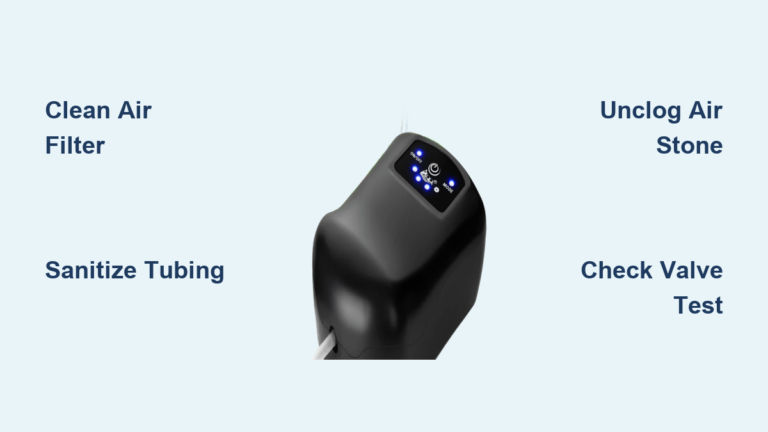
– Diagnose hidden filter issues: Clogged impellers reduce water movement, starving the tank of gas exchange.
Recognizing Oxygen Starvation: 5 Signs Your Aquarium Is Suffocating
Don’t wait for dead fish to act. These subtle indicators reveal oxygen stress before meters confirm it:
Fish Gasping at the Surface or Filter Outlets
Healthy fish rarely linger at the top. When rasboras or cardinal tetras congregate where water turbulence creates oxygen pockets, your DO is critically low. This differs from normal surface feeding—they’ll hover motionless with gills flaring rapidly.
Lethargic Behavior and Loss of Appetite
Observe black phantom tetras during feeding time. If they ignore food or drift listlessly instead of darting, oxygen deprivation is likely. Note that this mimics disease symptoms—always test DO before medicating.
Foul “Rotten Egg” Smell Near Substrate
Hydrogen sulfide gas erupts from anaerobic pockets when deep substrate lacks oxygen. This toxic burst often follows gravel vacuuming in neglected tanks, signaling dangerously low DO in lower layers.
Professional Dissolved Oxygen Meters: Accuracy vs. Cost
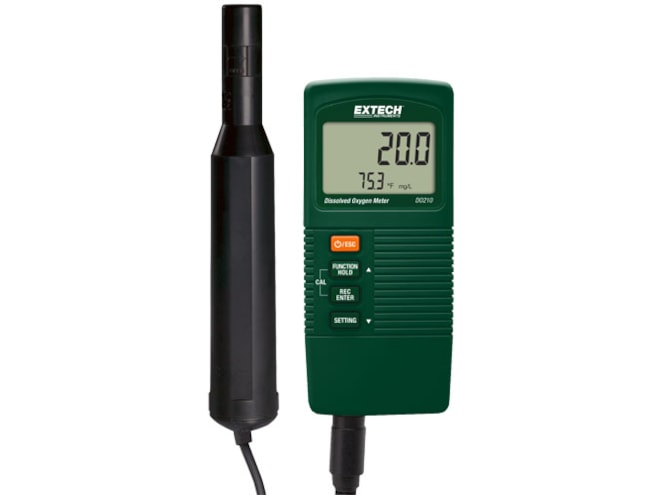
For precise, instant readings, dedicated DO meters outperform all alternatives—but choose wisely based on your budget and commitment level.
Membrane-Based Meters: The Budget Pro Option
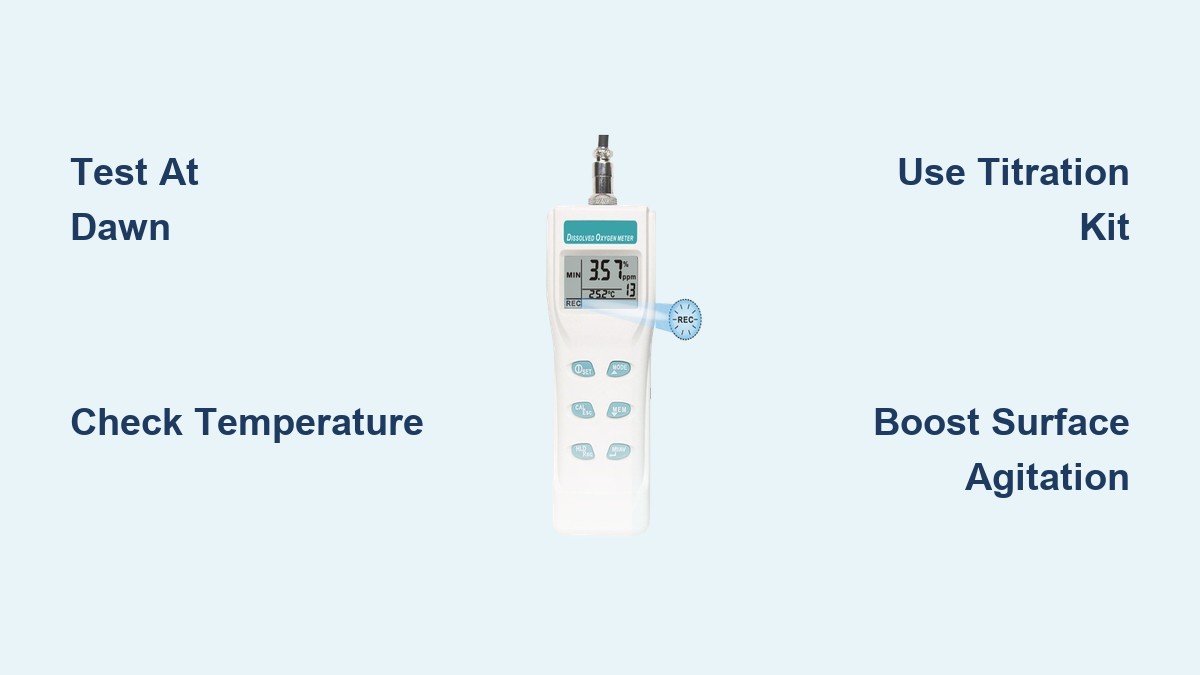
Devices like the Extech DO210 use electrochemical sensors where oxygen passes through a membrane into an electrolyte solution. They deliver readings in mg/L within seconds (0-20 mg/L range, ±0.4 mg/L accuracy). Here’s the catch: The membrane cap requires monthly replacement ($15-$30), and the internal electrolyte solution depletes with use. Calibration before each test takes 2 minutes using zero-oxygen solution and air-saturated water. Ideal for breeders monitoring sensitive fry tanks, but overkill for stable community setups where weekly checks suffice.
Optical Sensors: Long-Term Reliability at Premium Cost
Optical meters (like the Extech SDL150 datalogger) use luminescence technology—no membranes or electrolytes. Shine blue light on a special dye; the glow’s decay rate reveals oxygen levels. Pros include zero consumables and stable calibration for months. Cons? Initial cost exceeds £800, placing them out of reach for most hobbyists. One user noted: “I’d love to compare venturi vs. air stone efficiency, but optical sensors cost more than my entire tank setup.”
Chemical Test Kits: Affordable Titration for Spot Checks
When meters break the bank, chemical titration kits deliver ballpark accuracy for under £30. They follow the Winkler method—chemistry that reacts with dissolved oxygen to produce color changes.
Step-by-Step: Performing the Titration Test
- Collect a sample in the provided vial, submerging it completely to avoid air bubbles.
- Add reagent A (manganese sulfate) and reagent B (alkaline iodide), capping and shaking vigorously. The water turns cloudy brown as oxygen fixes into the solution.
- Wait 2 minutes for the reaction to complete—timing is critical.
- Add reagent C (sulfuric acid), turning the sample clear yellow.
- Titrate with sodium thiosulfate drop by drop until the yellow disappears. Each drop equals 1 mg/L DO.
Critical pitfalls to avoid:
– Shaking the vial after adding reagents introduces atmospheric oxygen, inflating results.
– Waiting too long before titration causes false lows as oxygen escapes.
– Using warm water samples skews readings—you must note temperature for accuracy.
Step-by-Step: Taking an Accurate Dissolved Oxygen Reading
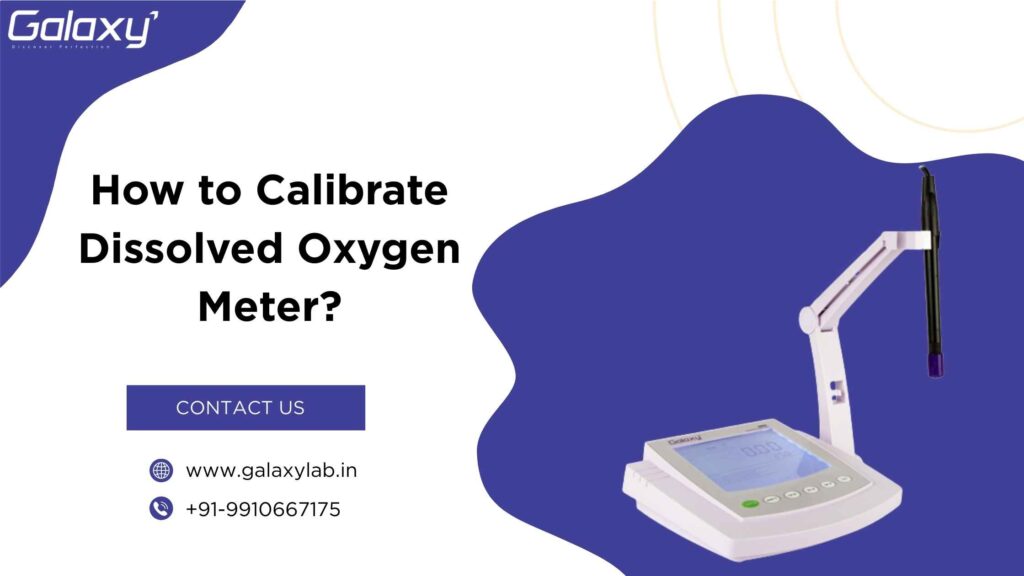
Even the best tool fails with poor technique. Follow this protocol for reliable data:
Sample Collection Protocol
- Test at dawn when DO hits its daily low (after plants stop photosynthesizing).
- Collect 6 inches below the surface away from filter returns—surface water is artificially oxygenated.
- Fill the vial completely with no air gaps; cap underwater to exclude atmospheric oxygen.
Calibration and Measurement
For membrane meters:
1. Calibrate in air-saturated water (stirred tap water at room temperature) for 5 minutes.
2. Rinse the probe, then submerge in your aquarium sample.
3. Wait for the reading to stabilize (usually 30-60 seconds).
4. Record both DO (mg/L) and water temperature—they’re directly correlated.
Pro Tip: Note that every 5°C temperature rise reduces DO saturation by 15%. A 30°C tank maxes out at 7.5 mg/L versus 8.5 mg/L at 25°C—so “ideal” 6-8 mg/L must be temperature-adjusted.
Ideal Dissolved Oxygen Levels for Freshwater Aquariums
Forget rigid numbers—your target depends on species and tank dynamics:
| Temperature | Minimum Safe DO | Optimal DO Range | Danger Threshold |
|---|---|---|---|
| 22°C | 5 mg/L | 7-9 mg/L | <4 mg/L |
| 26°C | 4.5 mg/L | 6-8 mg/L | <3.5 mg/L |
| 30°C | 4 mg/L | 5-7 mg/L | <3 mg/L |
Critical Insight: CO2-injected tanks need special vigilance. During daylight, plants produce oxygen, but at night they consume it—causing DO to plummet by 40% by dawn. Test both day and night if you use CO2.
Emergency Fixes for Low Oxygen: Act Before Fish Die
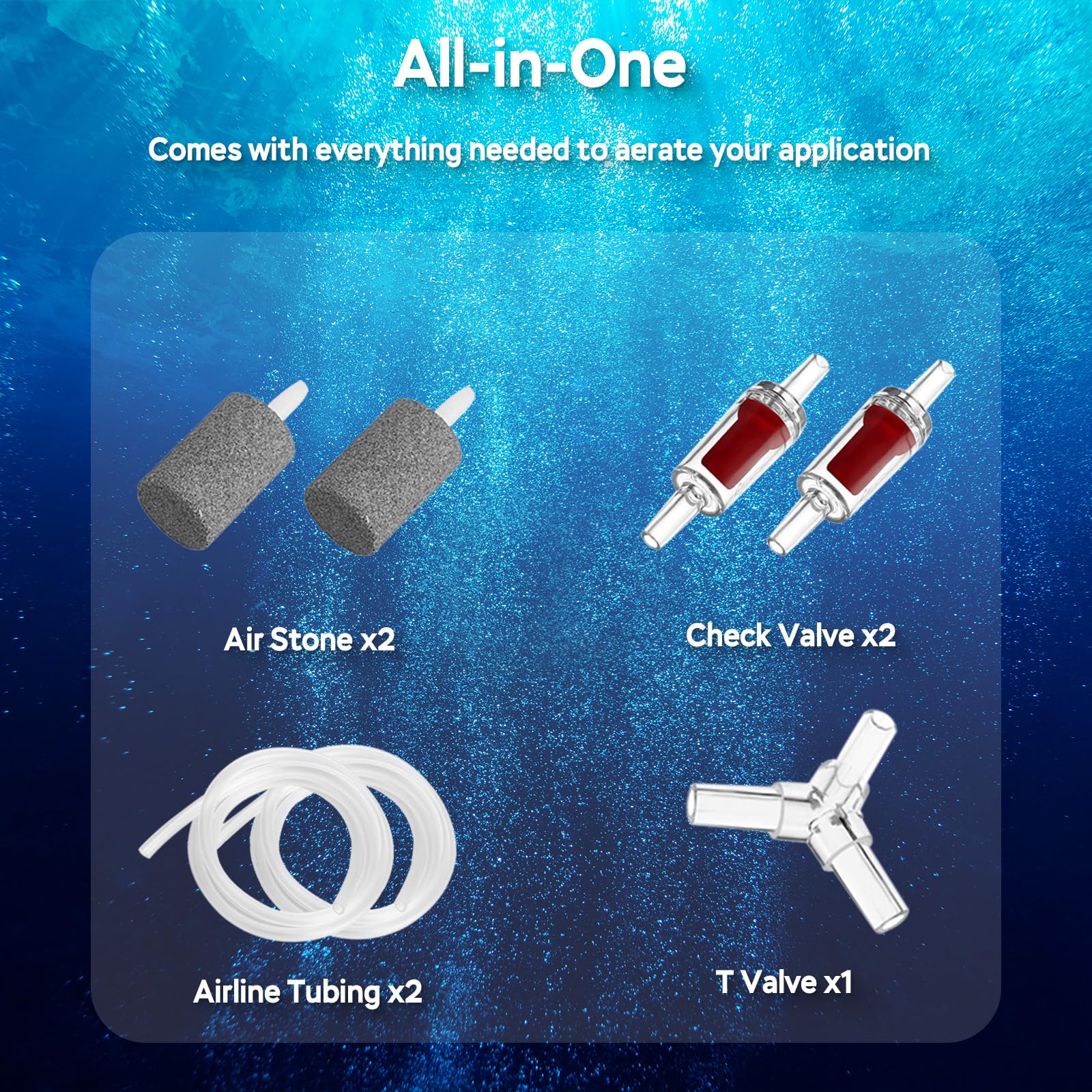
When readings dip below 5 mg/L, implement these fixes immediately:
Instant Surface Agitation Boost
- Point your filter outlet horizontally across the surface to break the meniscus.
- Drop in an air stone right now—even a $5 sponge filter provides emergency aeration.
- Lower water level by 2 inches to create stronger turbulence at the filter return.
Long-Term Oxygen Security
- Clean filter impellers weekly—clogs reduce flow by 50%, crippling gas exchange.
- Add fast-growing stem plants like hornwort that oxygenate water 24/7.
- Install a fan blowing across the tank surface during heatwaves—this lowers temperature and pulls oxygen into water.
Never do this: Overstocking to “use up” excess oxygen. More fish = more waste = higher oxygen demand, accelerating crashes.
When to Test: Creating Your Dissolved Oxygen Schedule
Don’t test randomly—strategic timing catches problems early:
Weekly Baseline Checks
Test every Sunday morning before feeding. Stable tanks show <10% fluctuation week-to-week. Record temperature alongside DO—this reveals if seasonal warming threatens your system.
Critical Trigger Events
Test immediately after:
– Adding 3+ new fish (increases biological oxygen demand)
– Cleaning deep substrate (releases trapped gases)
– Heatwaves pushing water above 28°C
– Any unexplained fish deaths or lethargy
Pro Insight: One breeder discovered his Bolivian ram fry died at dawn because nighttime DO dropped to 3.2 mg/L. Switching to night-time aeration saved 90% of subsequent broods.
Key Takeaways: Building an Oxygen-Rich Aquarium Ecosystem
You don’t need a £1,600 multi-parameter meter to master dissolved oxygen. Start with these actionable steps:
- Invest in one reliable tool: A £30 titration kit prevents guesswork better than observation alone.
- Test at dawn weekly: Catch the daily low point before fish show stress.
- Prioritize surface agitation: A rippling surface is your cheapest, most effective oxygen insurance.
- Temperature is your oxygen thermostat: Cool water holds more DO—use fans during heatwaves.
Measuring dissolved oxygen separates reactive fish-keepers from proactive ecosystem managers. By understanding how to measure dissolved oxygen in aquarium environments accurately, you transform from hoping your tank thrives to knowing it does. The next time your cardinal tetras dart energetically through plants at dawn, you’ll recognize it as the silent victory of optimal oxygen management—no gasping required.