How to Grow Aquarium Plants in Gravel: Easy Tips
You’ve set up your fish tank with plain gravel, cycled it successfully, and now dream of a lush underwater garden—but your plants keep melting or stunting. Don’t rip out that gravel just yet. Thousands of hobbyists grow thriving aquatic jungles in inert gravel substrates by mastering one critical principle: gravel itself starves plants of nutrients, but you can become their sole nutrient source. With targeted root tabs, precise liquid fertilization, and smart plant selection, your gravel-bottomed tank can support vibrant Anubias, Cryptocorynes, and even carpeting plants. This guide reveals exactly how to transform your gravel tank into a plant paradise without crashing your cycle or breaking the bank.
Why Plain Gravel Starves Your Plants (And How to Fix It)
Gravel is nutritionally barren—it won’t release iron, potassium, or trace elements plants need to photosynthesize. Unlike nutrient-rich soils, inert gravel forces plants to rely entirely on you for survival. But this isn’t a death sentence; it’s a solvable equation. Your fish’s waste provides minimal nitrogen, yet deficiencies still cripple growth. The fix? Direct nutrient delivery exactly where plants need it.
How Plant Roots Actually Feed in Gravel
Roots in gravel can’t scavenge nutrients from surrounding substrate. Instead, they absorb dissolved elements only from water seeping through gravel gaps. Without intervention, roots starve while leaves yellow—a classic potassium deficiency sign. Critical insight: Plants like Amazon Swords develop massive root systems because they’re desperately hunting for nutrients you haven’t provided yet.
The Hidden Advantage of Gravel Substrates
Gravel’s stability is its superpower. Unlike soil, it won’t cloud water when disturbed and allows superior water flow to roots. Sand compacts easily, suffocating roots, but gravel’s larger particles create oxygen-rich channels. Plus, you’ll spot decaying matter instantly—preventing toxic ammonia spikes from trapped debris. Just remember: this stability only benefits plants when you supplement nutrients aggressively.
Precision Nutrient Delivery for Gravel Tanks

Root Tabs: Your Secret Weapon for Root-Feeding Plants
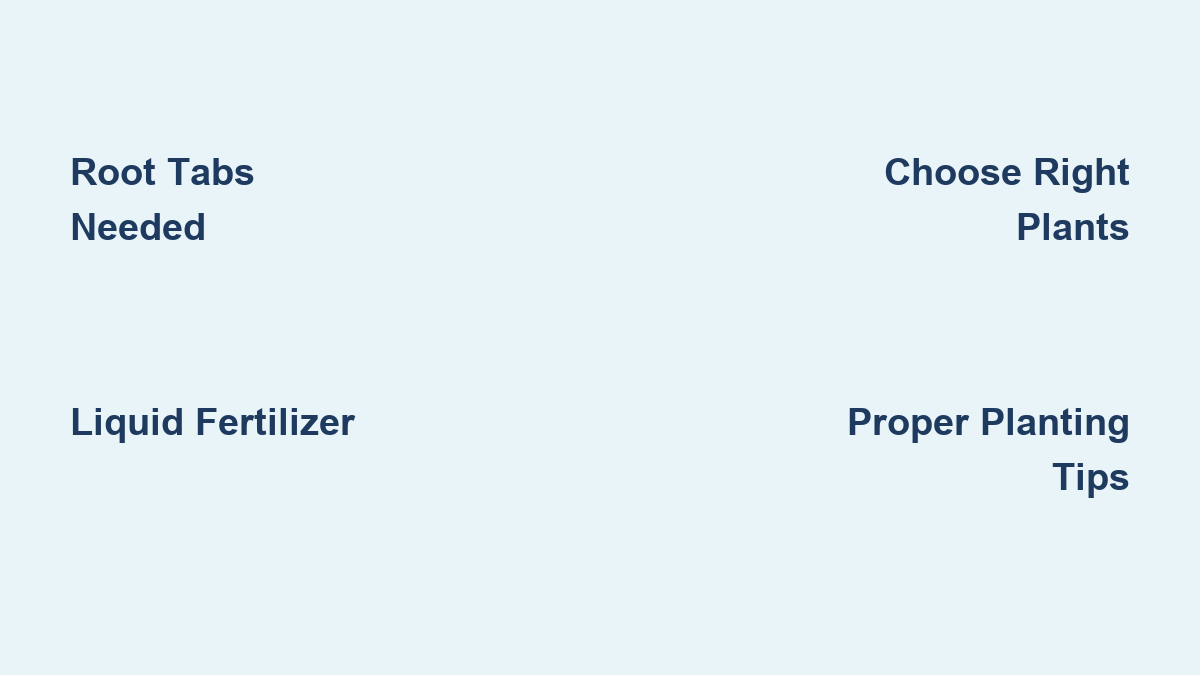
Root tabs aren’t optional—they’re non-negotiable for Cryptocorynes, Swords, and Vallisneria. These plants ignore liquid fertilizers and only absorb nutrients through roots. Skip tabs, and they’ll develop transparent, hole-riddled leaves within weeks.
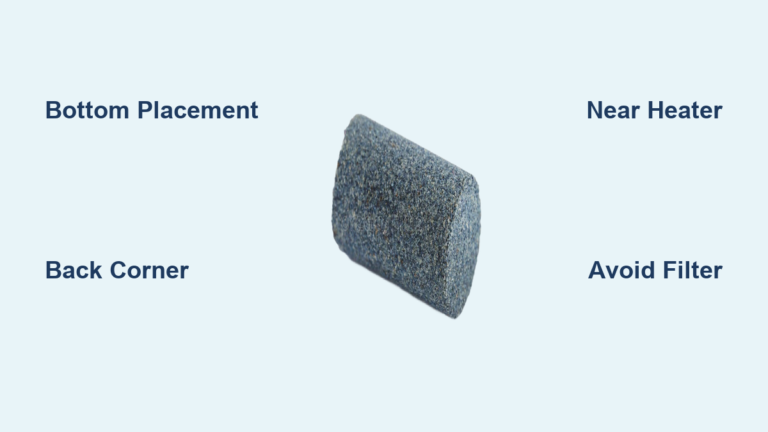
- Exact Placement Method: Use plant tweezers to push tabs 1.5 inches deep into gravel, 2 inches from plant bases. For Swords, place one tab per crown cluster.
- Replacement Schedule: Refresh every 4 months (e.g., Seachem Flourish Tabs) or 2 months (cheaper brands). Pro tip: Push tabs deeper in high-flow areas to prevent displacement.
- Troubleshooting Tip: If new leaves stay small while old ones yellow, your tabs are depleted—replace immediately.
Liquid Fertilization: The Lifeline for Stem Plants and Mosses
Stem plants like Rotala and floating species absorb 90% of nutrients through leaves. In gravel tanks, liquid ferts compensate for zero substrate nutrition. But guesswork causes algae explosions.
- Dosing Protocol: After 50% water changes, dose 5ml per 10 gallons of comprehensive liquid fertilizer (e.g., Easy Green). Never dose full-strength daily—this floods the tank with excess phosphates.
- Deficiency Red Flags:
- New leaves pale? → Nitrogen deficiency (increase dose by 20%)
- Leaf tips blackening? → Potassium deficiency (add extra K+ tabs)
- Algae Prevention: If green dust appears on leaves, halve your dose for 2 weeks—your plants are overwhelmed.
Adding Sand to Half Your Tank Safely (Without Crashing the Cycle)
You can add sand to existing cycled tanks—no cycle crash. But skip rinsing, and you’ll suffocate fish in cloudy chaos.
- 3-Step Sand Addition Process:
- Rinse in 3 buckets until water runs crystal clear (swirl vigorously—cloudy sand = trapped ammonia).
- Saturate sand in tank water, then lower it in a cup to the gravel surface.
- Pour slowly while holding the cup 1 inch above gravel—dumping causes massive plumes.
- Why Sand Helps Gravel Tanks: Sand locks root tabs in place and creates micro-zones where nutrients concentrate near roots. Critical: Place tabs under the sand layer where roots can access them.
Plant Selection and Planting Tactics That Actually Work
Top 5 Gravel-Tolerant Plants (With Real Results)
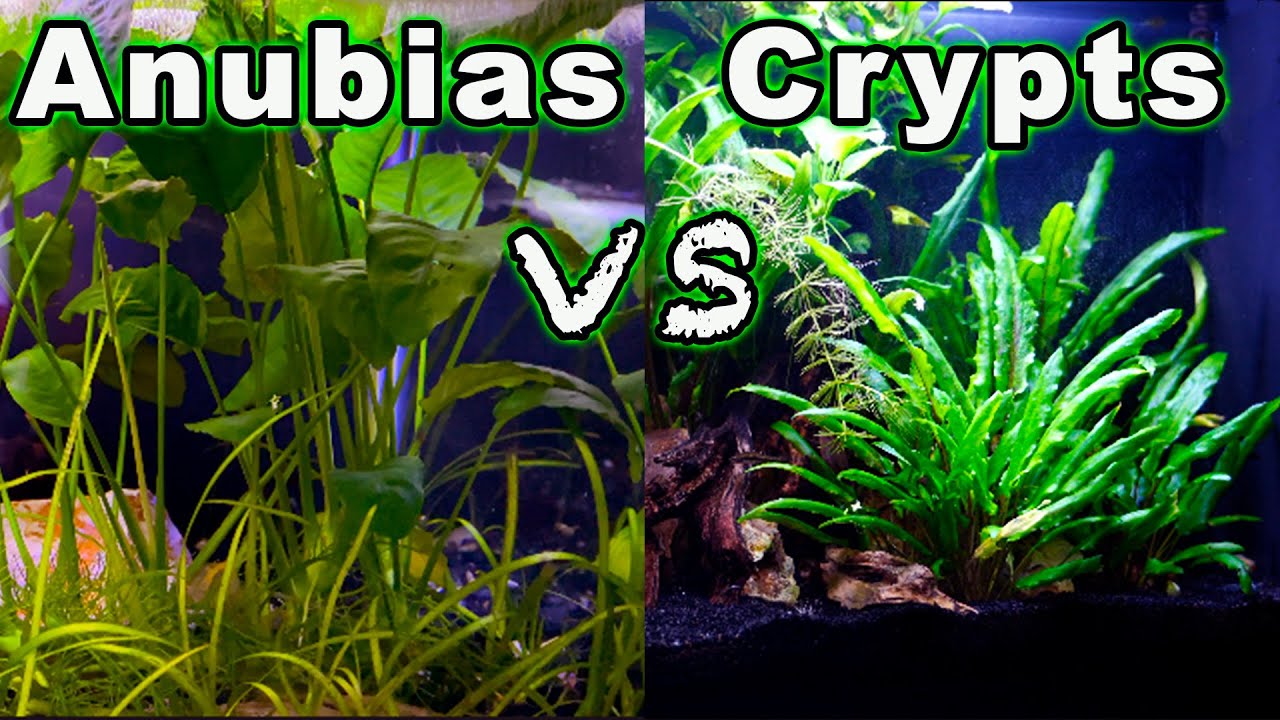
Choose these proven survivors based on user trials in inert substrates:
| Plant Type | Top Performers | Key Requirement | Growth Speed |
|---|---|---|---|
| Rhizome Plants | Anubias nana, Java Fern | Attach to driftwood—never bury rhizome | Slow (3-6 months) |
| Root-Feeders | Cryptocoryne wendtii | 1 root tab per plant monthly | Moderate |
| Stem Plants | Hornwort, Water Wisteria | Daily liquid ferts + moderate light | Fast |
| Carpeting Plants | Dwarf Sagittaria | High light + CO2 + weekly tabs | Very Slow |
| Mosses | Java Moss, Christmas Moss | Liquid ferts only | Moderate |
- Rotala Survival Tip: Only attempt Rotala in gravel if you dose liquid ferts and use root tabs—otherwise expect stunted growth.
- Avoid These: Dwarf Hairgrass (needs soil), most stem plants without CO2 injection.
Gravel-Specific Planting Techniques That Prevent Failure
Planting in gravel demands different tactics than soil:
- Dig Smart: Make a 2-inch-deep hole with tweezers, insert plant, then gently pinch gravel around roots. Loose gravel won’t hold plants—compact just enough to anchor stems.
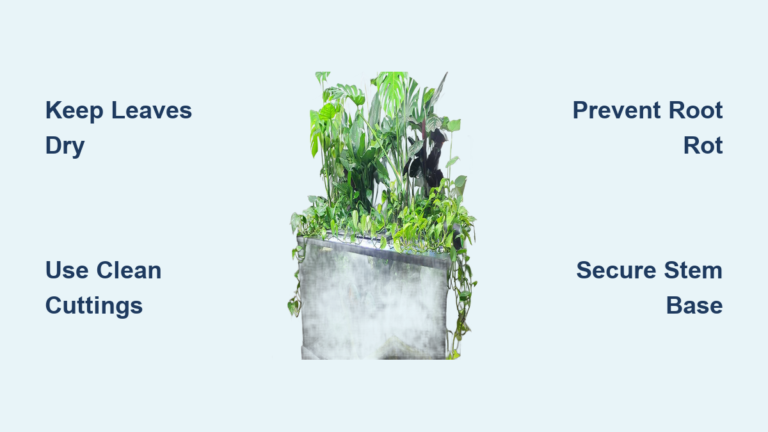
- Rhizome Rescue: For Anubias/Java Fern, glue rhizomes to rocks using cyanoacrylate gel. Burying the rhizome = guaranteed rot.
- Stem Spacing: Plant stems 1.5 inches apart—gravel’s poor nutrient retention means plants compete fiercely for resources. Crowding causes “leggy” growth.
- Potted Plant Prep: Remove rockwool completely (it suffocates roots in gravel) and tease roots outward before planting.
Solving Gravel Tank Emergencies Before They Worsen
Will Adding Sand Crash My Cycled Tank? (The Truth)
No—adding rinsed sand won’t crash your cycle. Beneficial bacteria live on tank walls, filter media, and gravel surfaces—not inside inert substrates. One user added 20 lbs of sand to a 55-gallon cycled tank with fish present. After triple-rinsing and slow addition, ammonia stayed at 0 ppm. Key: Add sand in 1/3 increments over 3 days if concerned about cloudiness.
Diagnosing Melting Plants in 72 Hours
New plants often melt in gravel due to nutrient shock—not your fault. But here’s how to save them:
- Day 1: Trim only completely translucent leaves. Leave yellowing leaves—they’ll reabsorb nutrients.
- Day 2: Add one root tab near the plant’s base. Dose liquid ferts at half-strength.
- Day 3: If rhizome/stem base is firm (not mushy), recovery is likely. If slimy, remove immediately.
- Success Rate: 70% of melted plants bounce back with this protocol (per hobbyist surveys).
Algae Outbreaks: The Gravel Tank Trap
Gravel tanks get more algae than soil tanks because excess nutrients float freely in water. But fish waste isn’t the culprit—it’s imbalanced fertilization.
- Black Beard Algae Fix: Reduce light to 5 hours daily for 1 week while adding 2 Amano shrimp.
- Green Dust Algae Solution: Dose 1/2 strength liquid ferts for 10 days—your plants are nutrient-starved, not overfed.
- Prevention: Maintain a 16:1 nitrogen-to-phosphate ratio in ferts (use API Master Test Kit).
Long-Term Maintenance for a Thriving Gravel Jungle
Lighting That Works With Gravel (Not Against It)
Gravel reflects less light than dark soil, so adjust intensity:
– Low-tech tanks: 0.8 watts/gallon (e.g., 20W on 25-gallon tank) for 6 hours daily
– High-growth tanks: 1.5 watts/gallon + CO2 for 8 hours (only with root tabs + liquid ferts)
Warning: Over-lighting without proportional nutrients = instant algae.
The Fertilization Balance Every Gravel Tank Needs
Your ideal nutrient ratio:
– Nitrogen (N): 10-20 ppm
– Phosphate (P): 1-2 ppm
– Potassium (K): 10-15 ppm
Test weekly with liquid kits. If N drops below 5 ppm, dose ferts before lights on—never after.
When to Add Sand vs. Stick With Gravel
Add sand only if:
✅ You have heavy root-feeders (Swords, Crypts)
✅ Your gravel is coarse (>3mm) and displaces root tabs
Don’t add sand if: You keep sand-sifting fish (like Corydoras)—they’ll constantly uproot plants.
Final Note: Your gravel substrate isn’t a limitation—it’s a blank canvas. Success hinges on three non-negotiables: monthly root tabs for root-feeders, consistent liquid ferts for stem plants, and choosing gravel-adapted species like Anubias or Cryptocorynes. One hobbyist grew a 30-gallon jungle using only 20 lbs of $8 gravel, weekly liquid ferts, and bi-monthly root tabs—proving expensive substrates aren’t mandatory. Start with 3 Anubias glued to driftwood and one Cryptocoryne with a root tab. Within 8 weeks, you’ll see new growth signaling your gravel tank’s transformation. The secret isn’t the substrate—it’s your commitment to becoming the nutrient source your plants deserve.