How to Remove Small Particles in Aquarium Water
That persistent haze of fine dust in your aquarium water isn’t just annoying—it’s a sign your ecosystem is out of balance. If you’re staring at a cloudy tank despite running two filters and adding sponge pre-filters, you’re not alone. This ultra-fine particulate matter, too small to photograph but impossible to ignore, stresses fish and triggers aquarium OCD in even the calmest hobbyist. The good news? You can eliminate this problem permanently by targeting both the visible particles and their hidden sources. This guide reveals exactly how to diagnose the dust type, upgrade your filtration for nanoscale results, and implement maintenance habits that guarantee crystal-clear water—without crashing your nitrogen cycle or harming fish.
Pinpoint Your Aquarium Dust Source in 3 Critical Steps
Before wasting time on ineffective fixes, identify what’s actually clouding your water. Generic “cloudy water” solutions fail because they don’t address the specific particle type clogging your tank.
Is It Suspended Detritus or Mulm?
This organic dust forms when fish waste, decaying plants, and uneaten food break down into microscopic particles. Here’s how to confirm:
– Stir your substrate gently with your finger
– If the water instantly cloudes with a brownish-gray haze that settles slowly, detritus is your culprit
– Most common in tanks with overstocked fish, overfeeding, or inadequate vacuuming
– Pro Tip: Shine a flashlight through the water at night. Suspended detritus creates a visible “snow globe” effect as particles float downward
Could It Be Substrate or Decor Dust?
New substrates—especially aqua soils and fine sands—release ultra-fine clay particles that standard filters miss. Identify this issue by:
– Noticing persistent white/gray cloudiness that worsens after water changes
– Seeing particles cling to tank walls like “dusty fingerprints”
– Confirming the haze appeared within 2 weeks of adding new substrate/decor
– Critical Check: Rinse a small amount of substrate in a glass jar. If the water stays cloudy after 24 hours, it’s the source
Ruling Out Environmental Contaminants
As one frustrated hobbyist discovered with their 20-gallon tank, environmental dust stirred by cooling fans can infiltrate aquariums. Test for this:
– Cover the tank with a lid for 48 hours (ensure oxygen exchange)
– If cloudiness decreases significantly, airborne particles are entering
– Inspect for dust buildup on tank rims and equipment
Install a Nanoscale Filtration System That Actually Catches Micro-Particles
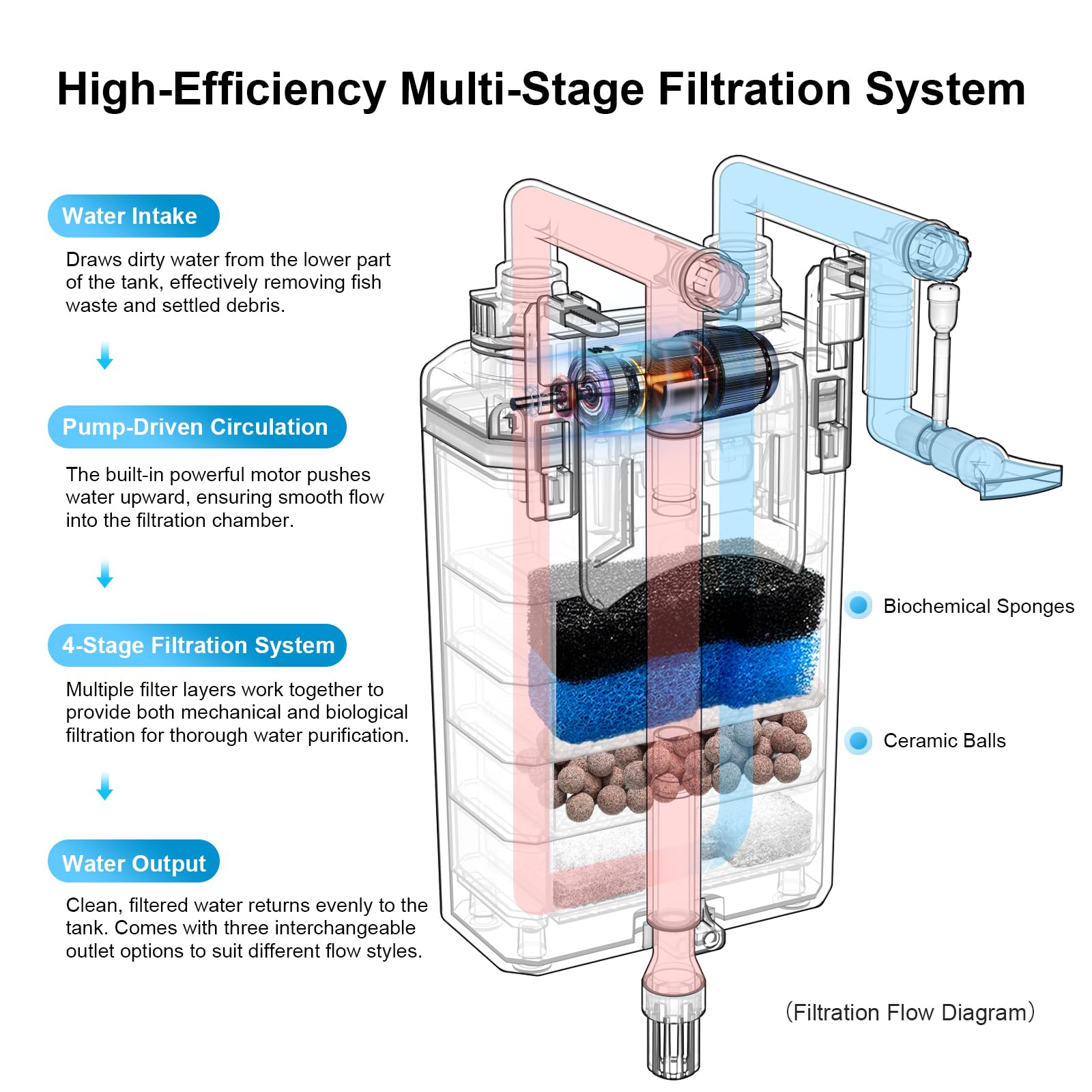
Standard filter pads capture visible debris but let fine dust pass through. You need a multi-stage filtration strategy targeting particles as small as 1 micron.
Add Polyester Filter Floss as Your First Defense
This $5 Walmart purchase (100% polyester fiberfill, never fire-retardant versions) creates a physical barrier for microscopic particles.
– Placement: Layer ½-inch thick behind your existing filter media as the final stage before water returns to the tank
– Critical Technique: Cut floss to fit snugly—gaps let dust bypass the filter
– Maintenance: Replace weekly when it turns gray; skipping this causes clogged flow and re-releases trapped particles
– Proven Result: One community member saw instant improvement after adding floss, though initial filter cartridge movement temporarily worsened cloudiness
Activate Chemical Filtration for Invisible Particles
When floss alone fails, deploy adsorption-based media that captures dissolved organics and nano-particles.
Why Purigen Outperforms Activated Carbon for Fine Dust
| Media Type | Particle Size Captured | Regeneration Possible | Effect on Water Clarity |
|---|---|---|---|
| Activated Carbon | 10-50 microns | No (replace monthly) | Reduces yellow tint only |
| Seachem Purigen | 0.5-5 microns | Yes (bleach soak) | Eliminates “ghost cloudiness” |
- Installation: Place Purigen in a fine mesh bag after your mechanical filter media to prevent clogging
- Safety Check: Purigen won’t disrupt your nitrogen cycle when used correctly—it targets particles, not beneficial bacteria
- First-Use Protocol: Soak new Purigen in tank water 10 minutes before adding to avoid oxygen displacement
Deploy Java Moss as a Natural Particle Trap (With Caveats)
For environmentally sourced dust, grow java moss in strategic locations:
– Attach to filter intakes using cotton thread (reduces flow by 15%—monitor fish safety)
– Place on driftwood near water surface where dust settles
– Warning: Brown/java moss = overloaded filter; prune weekly to prevent decay
– Real-World Result: Hobbyists using this method reported visible particle reduction in 72 hours
Execute Emergency Particle Removal Without Tank Shock
When immediate clarity is essential (for photos or fish health), follow this 72-hour protocol—never skip steps to avoid harming your cycle.
Day 1: Targeted Water Change + Vacuuming
- Prepare water: Fill buckets 24 hours ahead; match tank temperature within 1°F
- Vacuum correctly: Hover gravel vacuum 1/4 inch above substrate—never dig in
- Remove 30% max: Siphon only the cloudy water layer (top 30% of tank)
- Refill slowly: Pour water over a plate to prevent substrate disturbance
Day 2: Filter Media Optimization
- Clean sponges: Swish in old tank water (never tap water) until water runs clear
- Add floss: Install fresh polyester floss as the final filter stage
- Insert Purigen: Add pre-soaked media to filter flow path
Day 3: Monitor and Adjust
- Test parameters: Ammonia/nitrite must read 0 ppm before proceeding
- If cloudiness persists: Add a single dose of water clarifier (follow label for half-dose safety)
- Critical Stop Signal: If fish gasp at surface, skip clarifier and do 25% water change
Prevent Future Dust Buildup With 4 Maintenance Habits
Crystal-clear water requires consistent habits—not one-time fixes. These practices stop dust at the source.
The 2-Minute Daily Detritus Defense
- Before feeding: Use a fine mesh net to remove floating debris
- During feeding: Set timer for 2 minutes; remove all uneaten food immediately
- After feeding: Check filter intake for clogs (common with fine dust)
Substrate Vacuuming That Actually Works
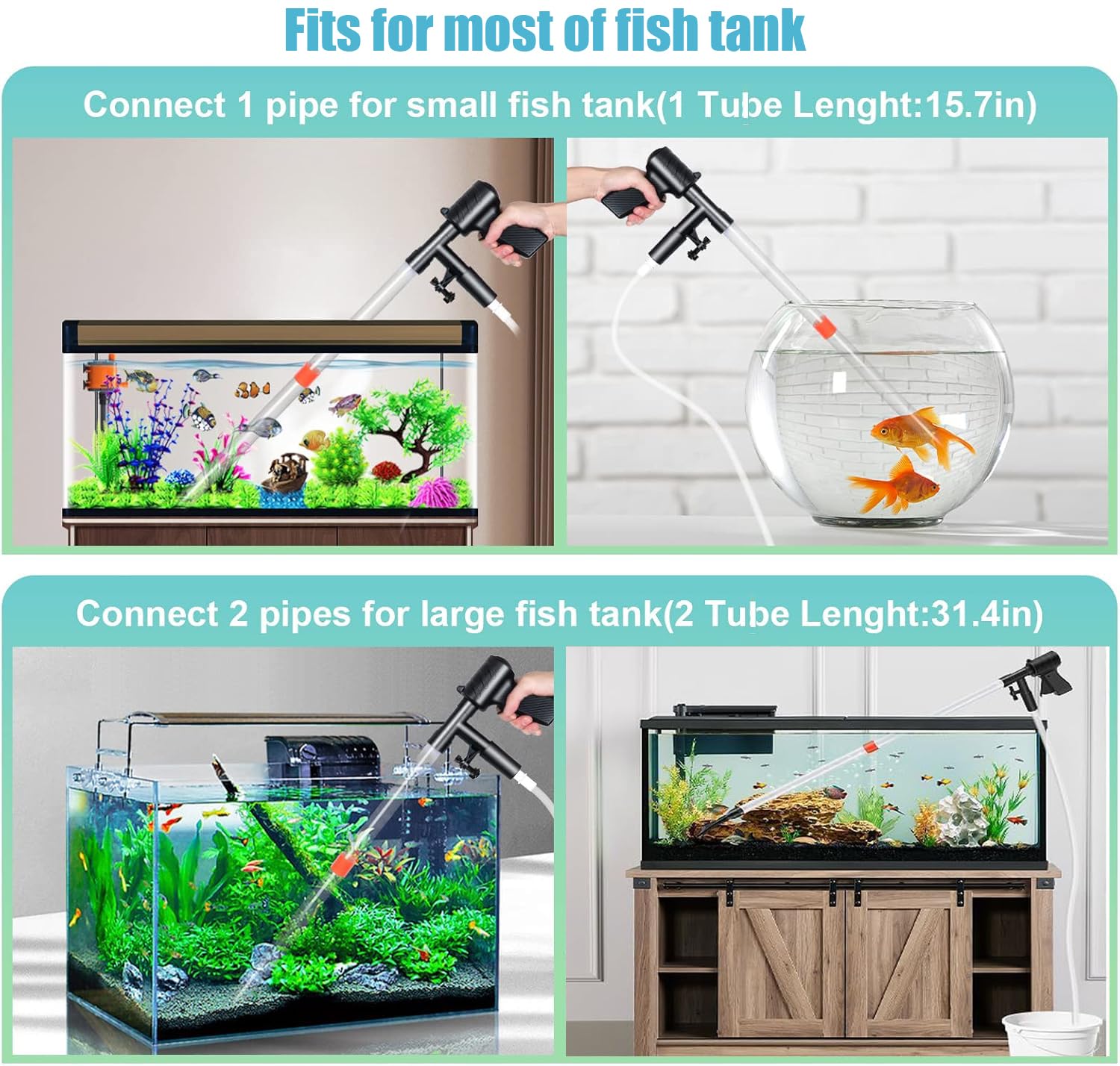
| Technique | Mistake to Avoid | Correct Execution |
|———–|——————|——————-|
| Standard Vacuum | Digging deep into substrate | Glide tube just above surface |
| Targeted Spot Cleaning | Vacuuming entire tank weekly | Focus on high-waste zones (under filters, near decor) |
| Flow Control | High suction power | Reduce flow to “barely moving” setting |
Filter Maintenance Without Cycle Crash
- Rotate media: Clean one filter component per week (sponge → floss → Purigen)
- Preserve bacteria: Always rinse media in removed tank water, not tap water
- Replace floss: Every 7 days—delaying causes particles to re-enter water
Environmental Dust Control
- Seal tank openings: Use glass lids with minimal gaps for equipment
- Relocate cooling fans: Position away from tank to avoid blowing dust inward
- Monthly deep clean: Wipe tank rims and equipment with damp cloth weekly
Critical Mistakes That Make Fine Dust Worse
Avoid these common errors that turn minor cloudiness into a tank crisis:
❌ Deep Cleaning Filter + Substrate Simultaneously
This removes 90% of your beneficial bacteria. Always stagger maintenance:
– Week 1: Vacuum 1/3 of substrate
– Week 2: Clean filter sponges
– Week 3: Replace floss/Purigen
❌ Overusing Water Clarifiers
These cause particles to clump on fish gills, leading to suffocation. Only use when:
– Water remains cloudy after 7 days of mechanical/chemical filtration
– You perform a 25% water change immediately after clarifier wears off (24 hours)
❌ Ignoring Temperature During Water Changes
Adding cold water shocks fish and stresses bacteria. Non-negotiable protocol:
– Test new water with aquarium thermometer
– Adjust until within 1°F of tank temperature
– Acclimate over 30+ minutes using drip method
When to Call for Professional Help
Most fine dust clears within 14 days using these methods. Seek expert assistance if:
– Cloudiness persists after 3 weeks of consistent filtration upgrades
– Fish show labored breathing alongside cloudiness (indicates ammonia spike)
– Water turns green (algae bloom) or milky white (bacterial bloom)—different solutions required
Final Note: Eliminating fine aquarium dust requires targeting both visible particles and hidden sources through strategic filtration upgrades and precise maintenance. By installing polyester floss as your first defense, activating Purigen for nanoscale capture, and implementing daily 2-minute detritus defenses, you’ll achieve glass-clear water within 72 hours. Remember: Never deep clean your entire system at once, always match water temperatures precisely, and replace filter floss weekly. Within two weeks, your tank will transform from a frustrating dust storm into the crystal-clear underwater showcase it was meant to be—proving that perfect clarity isn’t luck, but science.